Movable Property With Example In Queens
Description

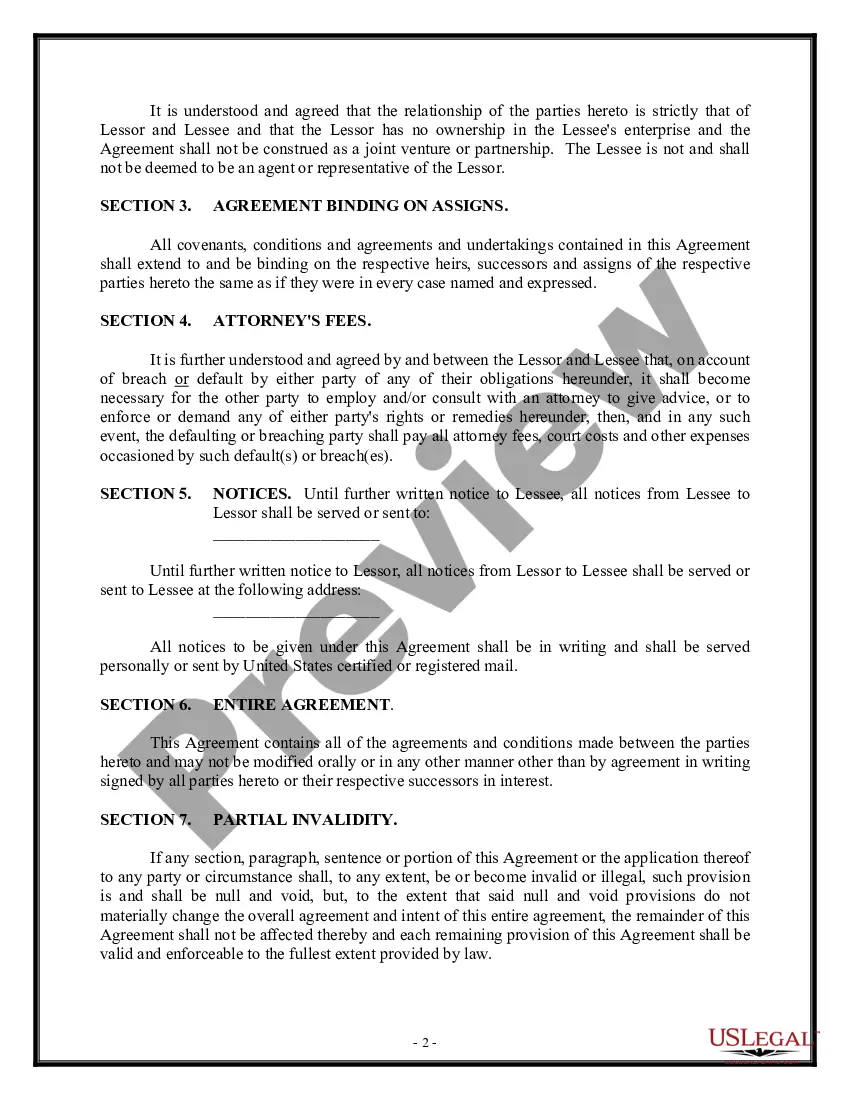
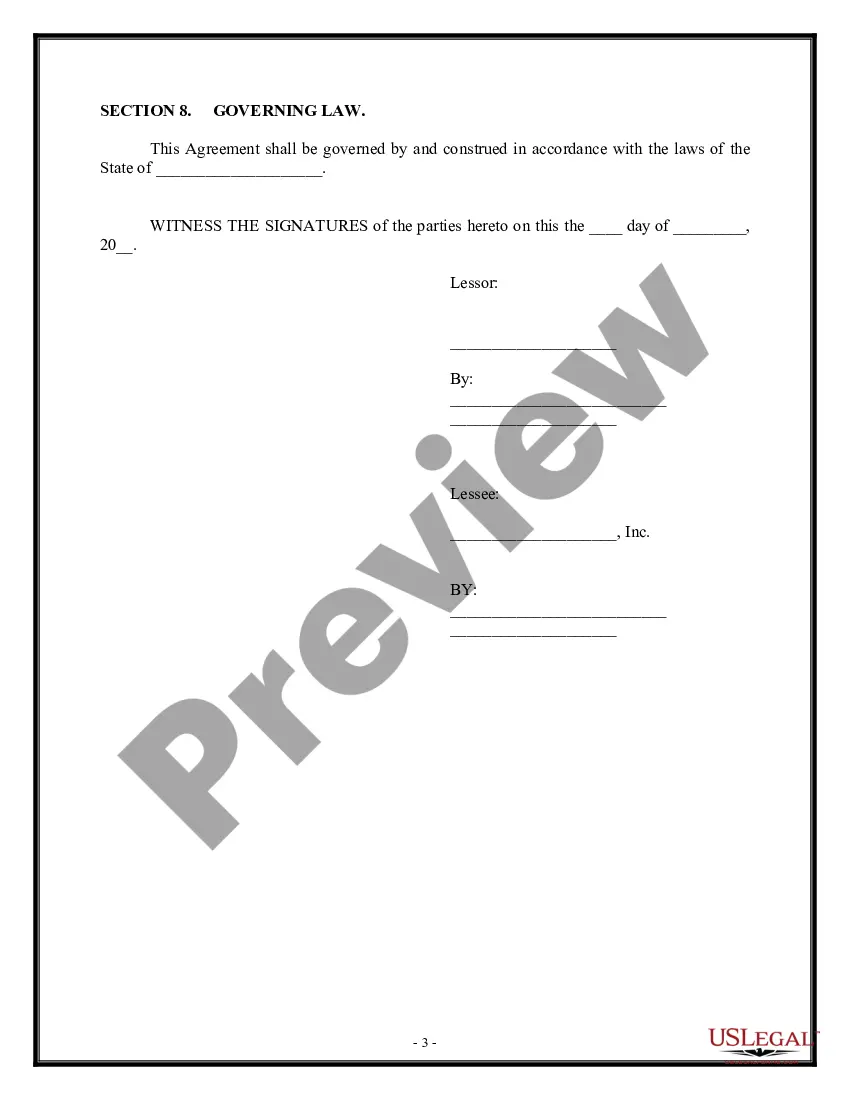
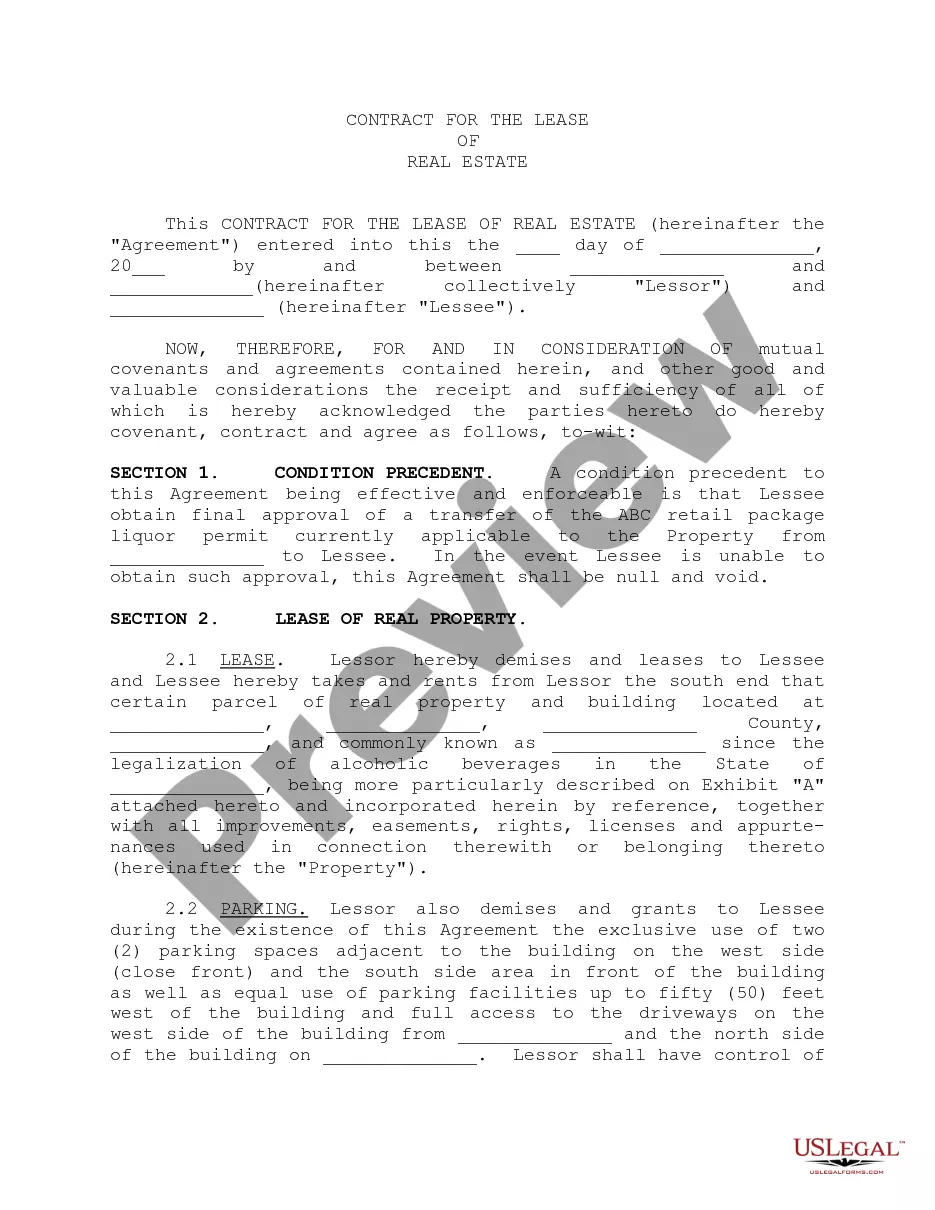
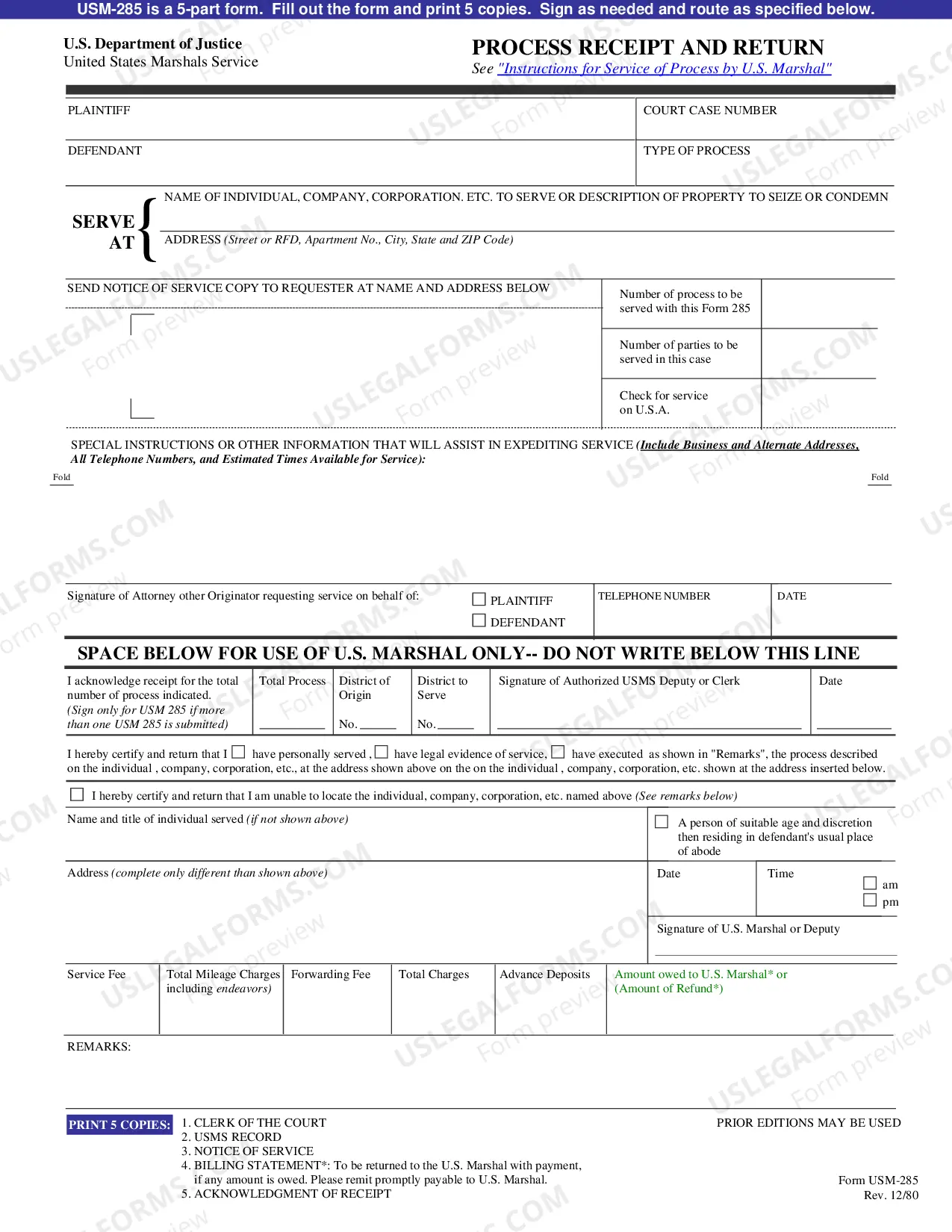
Get your form ready online
Our built-in tools help you complete, sign, share, and store your documents in one place.
Make edits, fill in missing information, and update formatting in US Legal Forms—just like you would in MS Word.
Download a copy, print it, send it by email, or mail it via USPS—whatever works best for your next step.
Sign and collect signatures with our SignNow integration. Send to multiple recipients, set reminders, and more. Go Premium to unlock E-Sign.
If this form requires notarization, complete it online through a secure video call—no need to meet a notary in person or wait for an appointment.
We protect your documents and personal data by following strict security and privacy standards.

Make edits, fill in missing information, and update formatting in US Legal Forms—just like you would in MS Word.

Download a copy, print it, send it by email, or mail it via USPS—whatever works best for your next step.

Sign and collect signatures with our SignNow integration. Send to multiple recipients, set reminders, and more. Go Premium to unlock E-Sign.

If this form requires notarization, complete it online through a secure video call—no need to meet a notary in person or wait for an appointment.

We protect your documents and personal data by following strict security and privacy standards.
Looking for another form?





Form popularity
FAQ
You can search for property records and property ownership information online, in person, or over the phone with a 311 representative. Property owners of all boroughs except Staten Island can visit ACRIS. To search documents for Staten Island property, visit the Richmond County Clerk's website.
You can use this program if: If the decedent (the person who died) had $50,000 or less in personal property. If the decedent owned real property, he/she owned it jointly with someone else and you don't plan to sell the real estate.
Property records are public. People may use these records for background information on purchases, mortgages, asset searches, and other legal and financial transactions. Reviewing these documents is not necessarily the same as a title search.
Asking the current owner or seller of the property for a copy of the survey. Searching the county clerk's office or the local tax assessor's office for recorded survey maps.
What should I do if my loved one passes away at home? Call 911. Paramedics, the NYPD, and/or OCME will respond. In some cases, OCME will authorize direct transfer of the decedent to a funeral home.
Finding a survey of your property online can be achieved through various platforms. Local government websites, dedicated property record platforms, and licensed surveyors' websites often provide online access to these records. Additionally, online databases specific to your region may offer convenient access.
While there's no national archive of real estate records, many states require property surveys to be filed with the local government. You can search for property surveys by visiting the courthouse, property or assessor's office where your new land is located.
Repositioning is a strategic utilization of renovations, remodeling, and upgrades to a property to change its position in the real estate market.
In civil law systems, personal property is often called movable property or movables—any property that can be moved from one location to another. Personal property can be understood in comparison to real estate, immovable property or real property (such as land and buildings).
All interest in property restricted in its employment to the owner personally cannot be transferred by him. Even a right to future maintenance, in whatever manner arising, secured or determined cannot be transferred. A mere right to sue cannot be transferred.