Personal Assets With Examples In Pima
Description

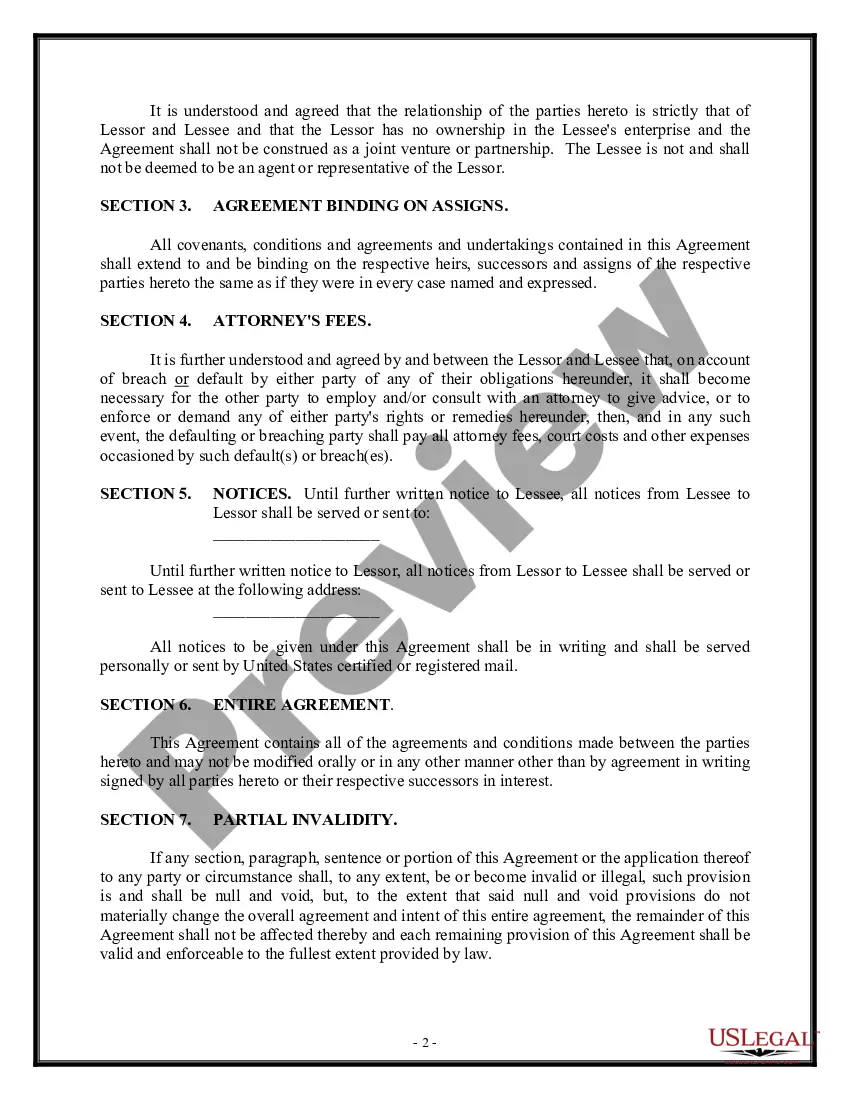
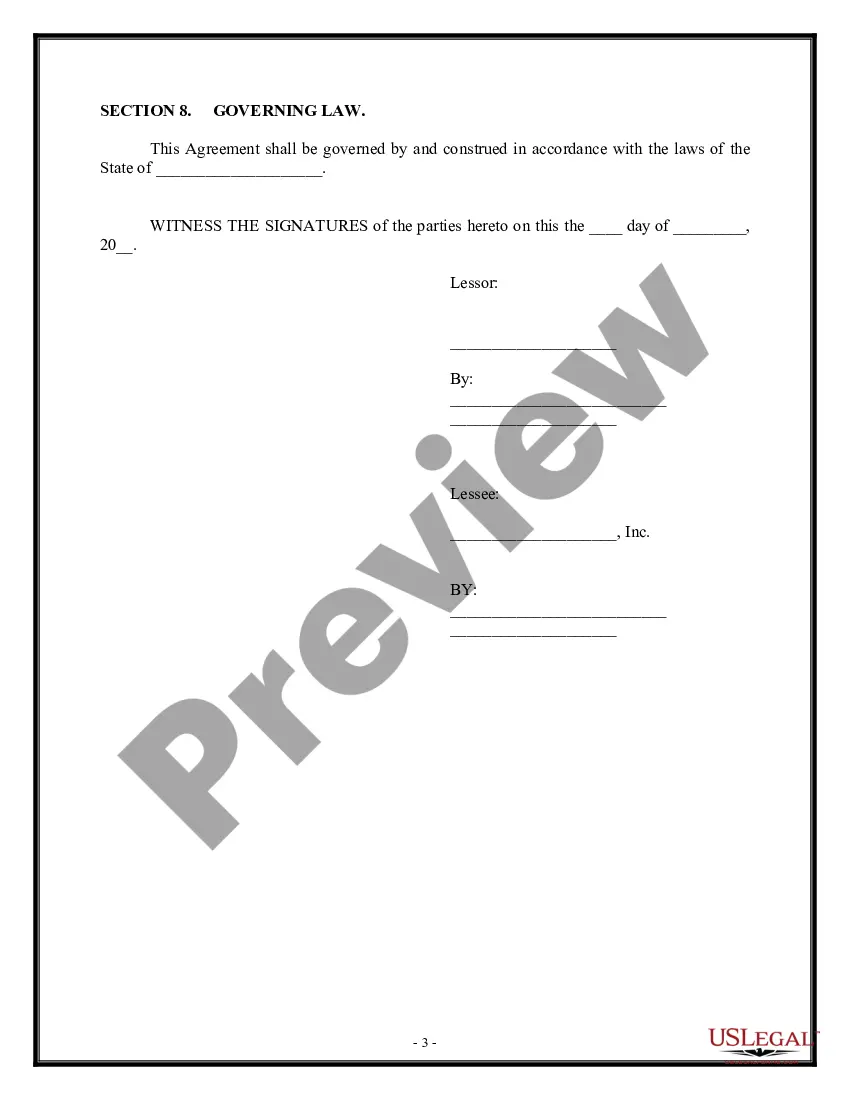
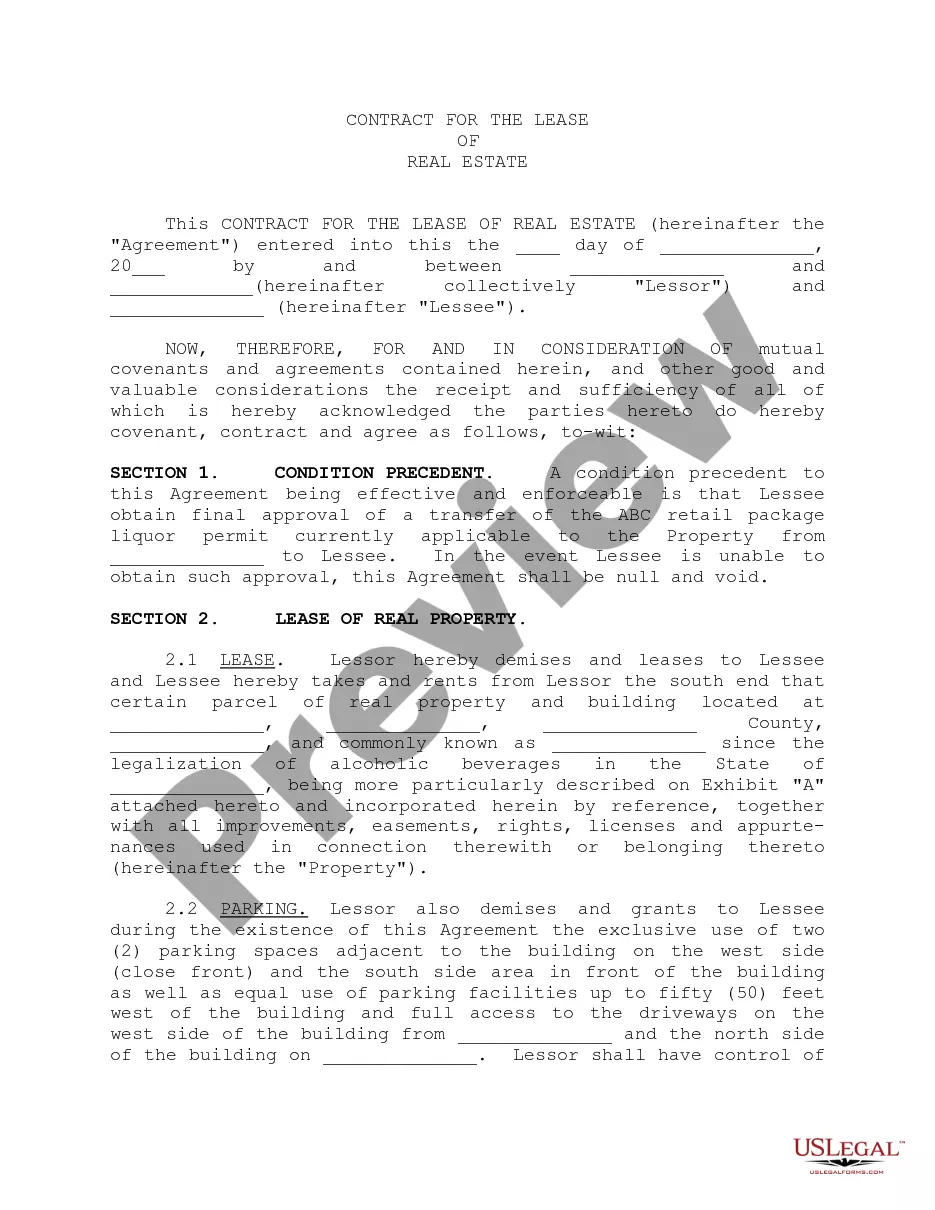
Get your form ready online
Our built-in tools help you complete, sign, share, and store your documents in one place.
Make edits, fill in missing information, and update formatting in US Legal Forms—just like you would in MS Word.
Download a copy, print it, send it by email, or mail it via USPS—whatever works best for your next step.
Sign and collect signatures with our SignNow integration. Send to multiple recipients, set reminders, and more. Go Premium to unlock E-Sign.
If this form requires notarization, complete it online through a secure video call—no need to meet a notary in person or wait for an appointment.
We protect your documents and personal data by following strict security and privacy standards.

Make edits, fill in missing information, and update formatting in US Legal Forms—just like you would in MS Word.

Download a copy, print it, send it by email, or mail it via USPS—whatever works best for your next step.

Sign and collect signatures with our SignNow integration. Send to multiple recipients, set reminders, and more. Go Premium to unlock E-Sign.

If this form requires notarization, complete it online through a secure video call—no need to meet a notary in person or wait for an appointment.

We protect your documents and personal data by following strict security and privacy standards.
Looking for another form?
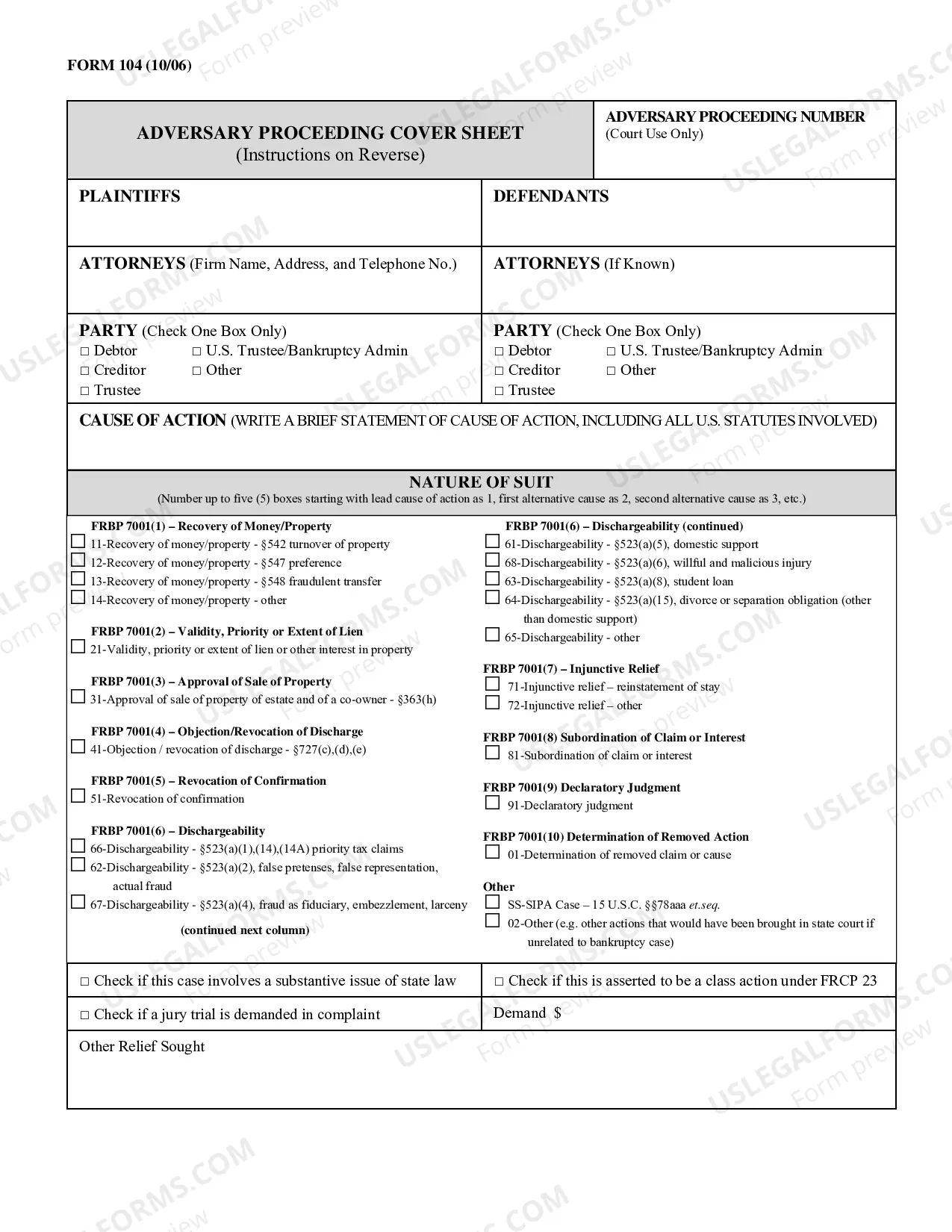





Form popularity
FAQ
For property tax purposes in Arizona, personal property is defined as all types of property except real estate. Taxable personal property includes property used for commercial, industrial, and agricultural purposes. Personal property is considered to be movable and not permanently attached to real estate.
If the mobile home owner doesn't own the land, it's considered personal property and an annual license tax is levied on the property by the Department of Vehicle Motors.
Personal Property consists primarily of business equipment and mobile homes. Unless your mobile home is permanently affixed to your land and you have applied for affixture from the Assessor's Office, you will receive one notice for your land and one notice for your mobile home.
Manufactured housing (commonly known as a mobile home) is a type of prefabricated housing that is largely assembled in factories on a permanently attached chassis before transported to a site.
For property tax purposes in Arizona, personal property is defined as all types of property except real estate. Taxable personal property includes property used for commercial, industrial, and agricultural purposes. Personal property is considered to be movable and not permanently attached to real estate.
An Affidavit of Affixture changes the status of a manufactured/mobile home from personal property to real property. In order to affix a manufactured/mobile home an Affidavit of Affixture must be filed in the county where the manufactured/mobile home is located.
Residential property falls into two main categories: Legal Class 3 and Legal Class 4. Each of these two legal classes have multiple subclasses, ranging from Primary Residence to Primary Residence that is also leased or rented to lodgers, as well as Non-Primary Residence to Qualifying LIHTC properties.
Except as provided in sections 33-729 and 33-730, from and after the time of recording as provided in section 33-961, a judgment shall become a lien for a period of ten years after the date it is given on all real property of the judgment debtor in the county in which the judgment is recorded, whether the property is ...
Collection Methods There are 2 primary methods to collect a debt: Writ of Garnishment or Writ of Execution. Writ of Garnishment is often referred to as garnishing a debtor's wages. A written notice is served to both the debtor and the debtor's employer or financial institution.
Tangible personal property refers to physical assets that individuals own, such as furniture, vehicles, electronics, and jewelry. Adding tangible personal property provisions to your estate plan ensures smooth inheritance, prevents disputes, and helps distribute sentimental items as you wish.