Movable Property With Example In Pennsylvania
Description

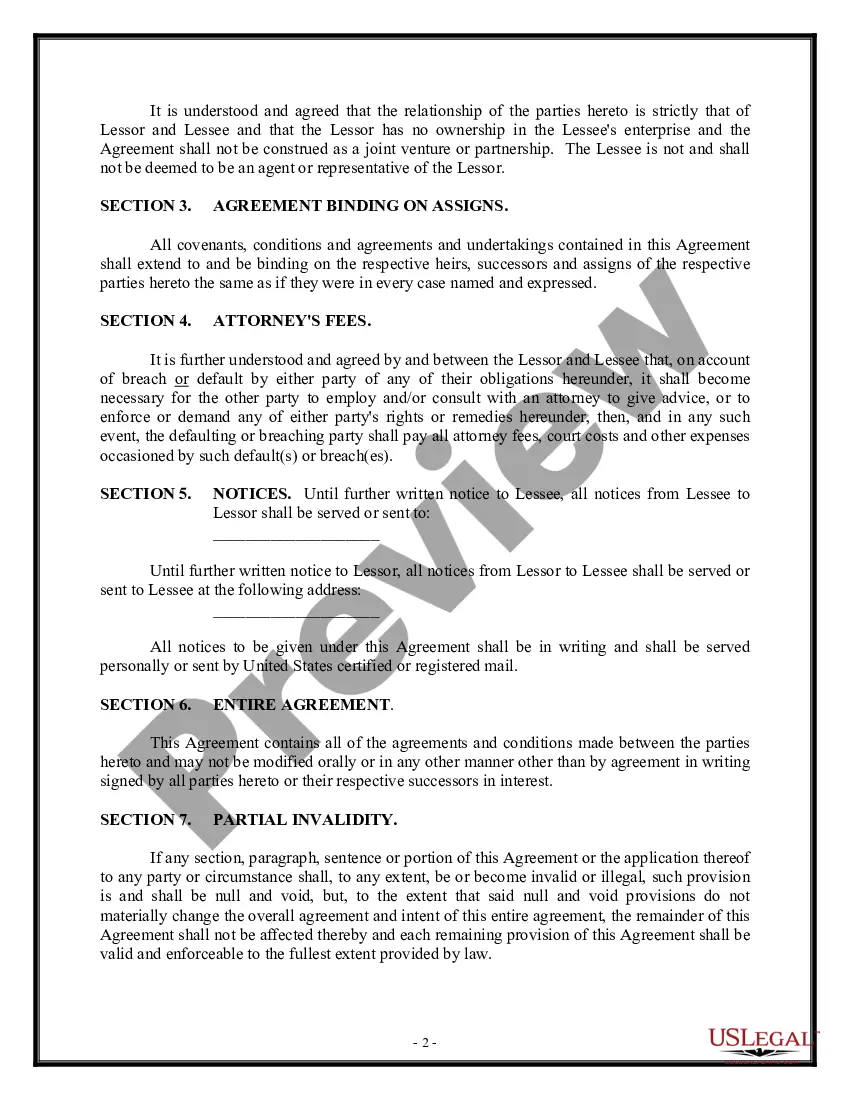
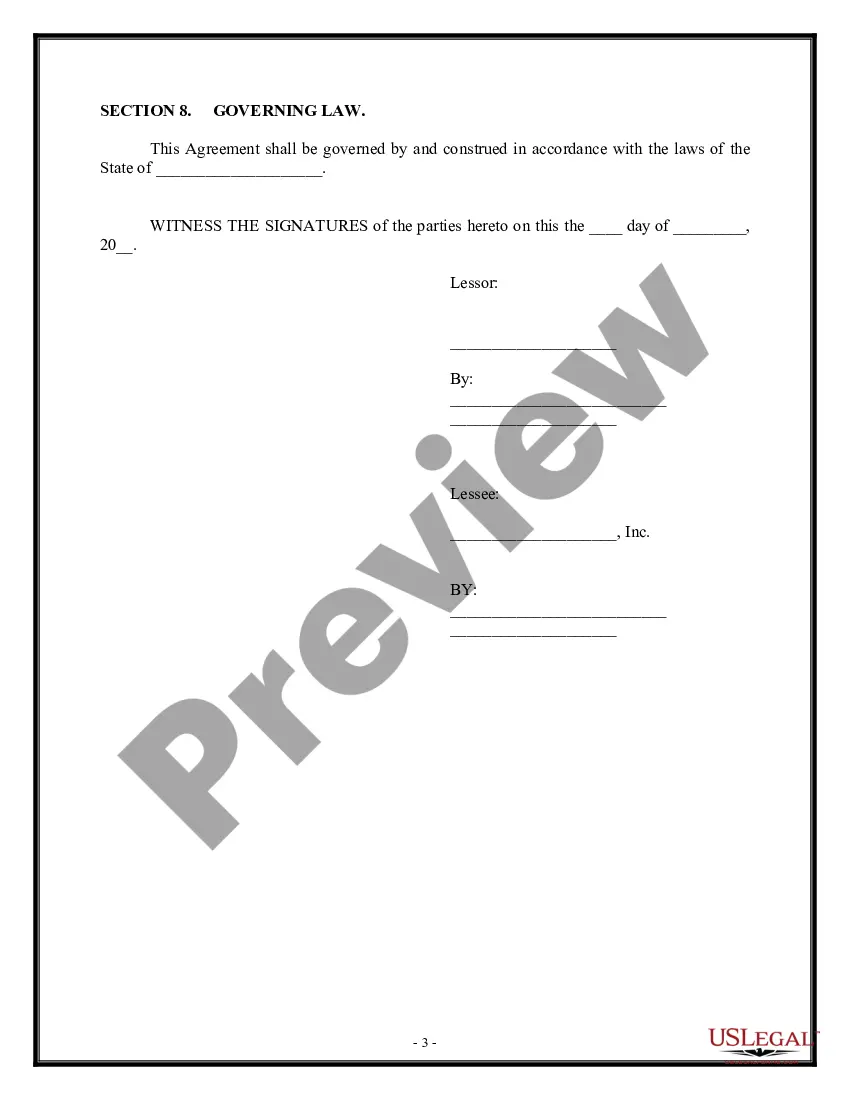
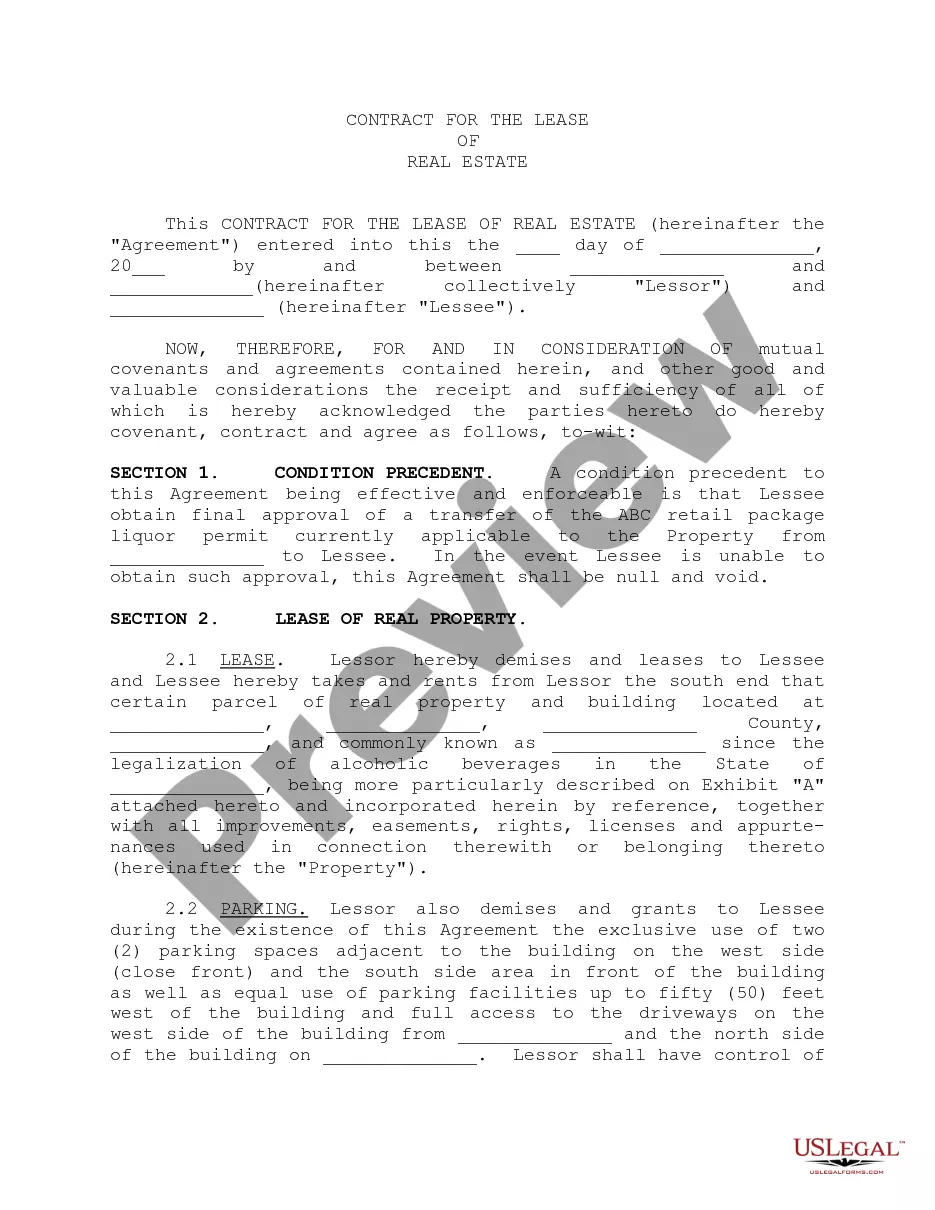
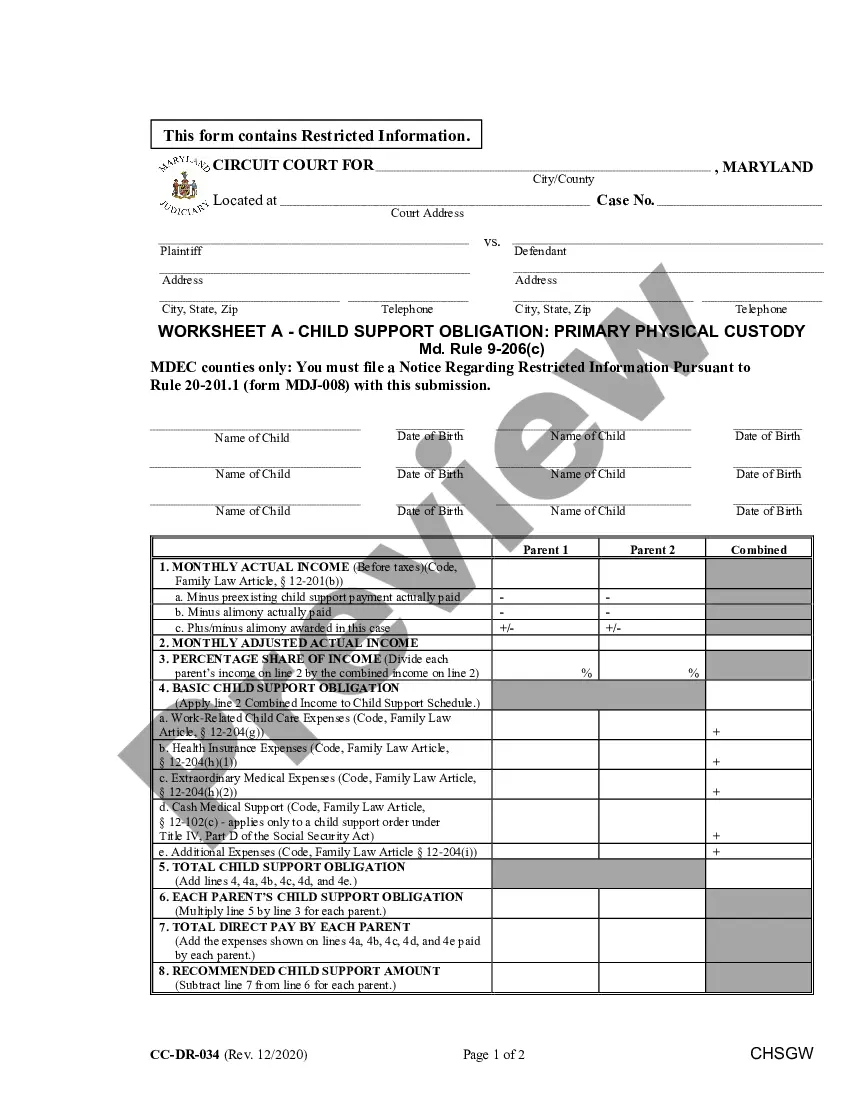
Get your form ready online
Our built-in tools help you complete, sign, share, and store your documents in one place.
Make edits, fill in missing information, and update formatting in US Legal Forms—just like you would in MS Word.
Download a copy, print it, send it by email, or mail it via USPS—whatever works best for your next step.
Sign and collect signatures with our SignNow integration. Send to multiple recipients, set reminders, and more. Go Premium to unlock E-Sign.
If this form requires notarization, complete it online through a secure video call—no need to meet a notary in person or wait for an appointment.
We protect your documents and personal data by following strict security and privacy standards.

Make edits, fill in missing information, and update formatting in US Legal Forms—just like you would in MS Word.

Download a copy, print it, send it by email, or mail it via USPS—whatever works best for your next step.

Sign and collect signatures with our SignNow integration. Send to multiple recipients, set reminders, and more. Go Premium to unlock E-Sign.

If this form requires notarization, complete it online through a secure video call—no need to meet a notary in person or wait for an appointment.

We protect your documents and personal data by following strict security and privacy standards.
Looking for another form?






Form popularity
FAQ
Federal Exclusion of Long-Term Capital Gains Ownership test: You have owned the home for at least two years before the sale. Use test: You must show proof of occupancy, meaning you have lived in the home and used it as your primary residence for at least two years before the sale.
"Movable property." Property the location of which can be changed, including things growing on, affixed to, or found in land, and documents although the rights represented thereby have no physical location.
Personal Property This refers to tangible and intangible things owned by an individual that are movable (unlike real property, which is fixed in place). Common examples include: Personal belongings such as clothing and jewelry.
“Personal property” means goods and chattels, including fixtures and buildings erected by the tenant and which he has the right to remove, agricultural crops, whether harvested or growing, and livestock and poultry.
Tangible personal property is mainly a tax term which is used to describe personal property that can be felt or touched, and can be physically relocated. For example: cars, furniture, jewelry, household goods and appliances, business equipment.
Tangible personal property includes equipment, supplies, and any other property (including information technology systems) other than that is defined as an intangible property.
Tangible Personal Property includes all furniture, fixtures, tools, machinery, equipment, signs, leasehold improvements, leased equipment, supplies and any other equipment that may be used as part of the ordinary course of business or included inside a rental property.
Tangible movables are goods that have a material existence and that can be moved (such as a television set or a car). The civil procedures for enforcement, in particular for executing the attachment of tangible movables, are governed by Law 91-650 of 9 July 1991 and Decree 97-755 of 31 July 1992.
§ 3925. Receiving Stolen Property. A person is guilty of theft if he intentionally receives, retains, or disposes of movable property of another knowing that it has been stolen, or believing that it has probably been stolen, unless the property is received, retained, or disposed with intent to restore it to the owner.
3921. Theft by unlawful taking or disposition.