Personal Property Document With Replacement Cost Liberty Mutual In Los Angeles
Description

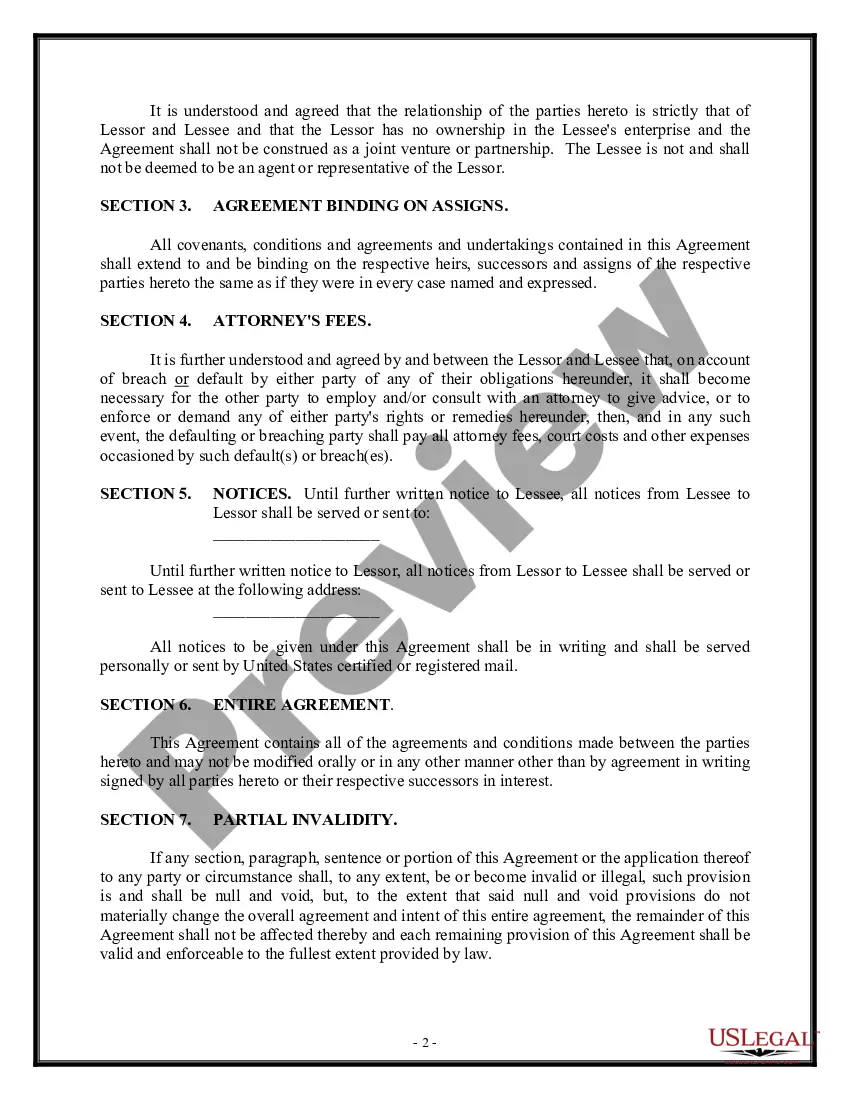
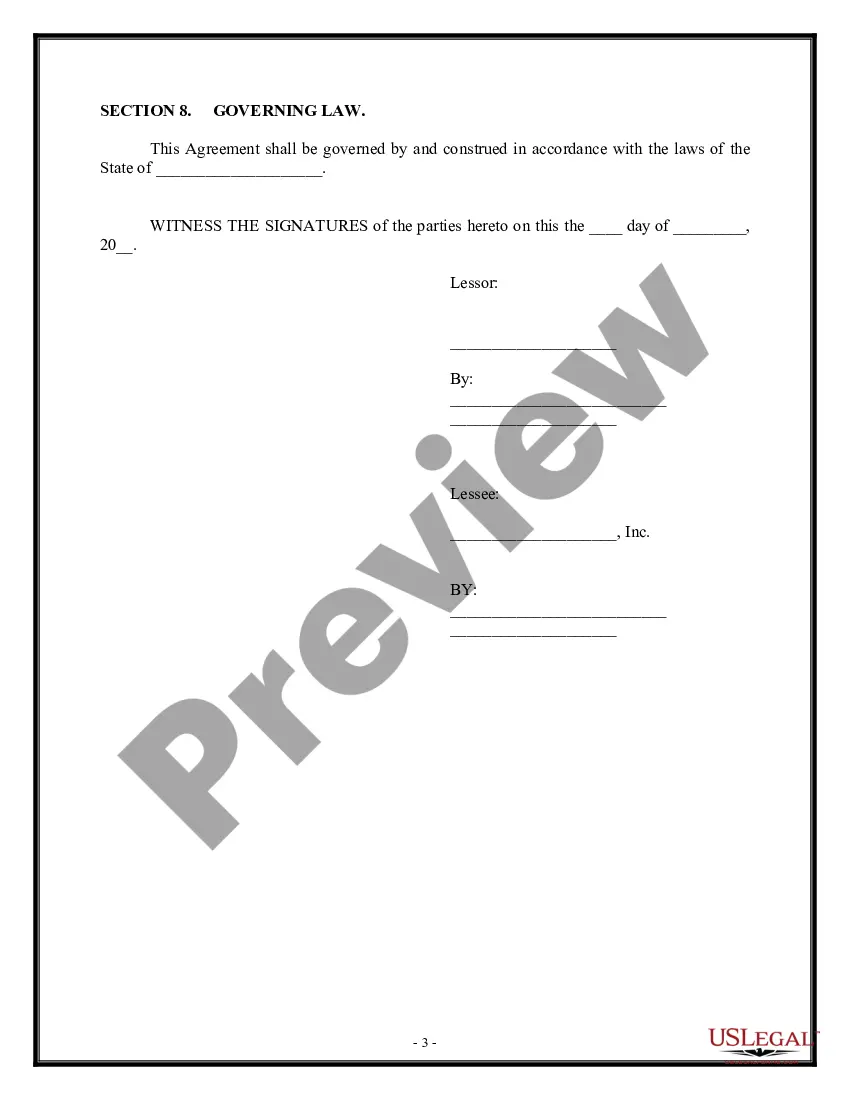
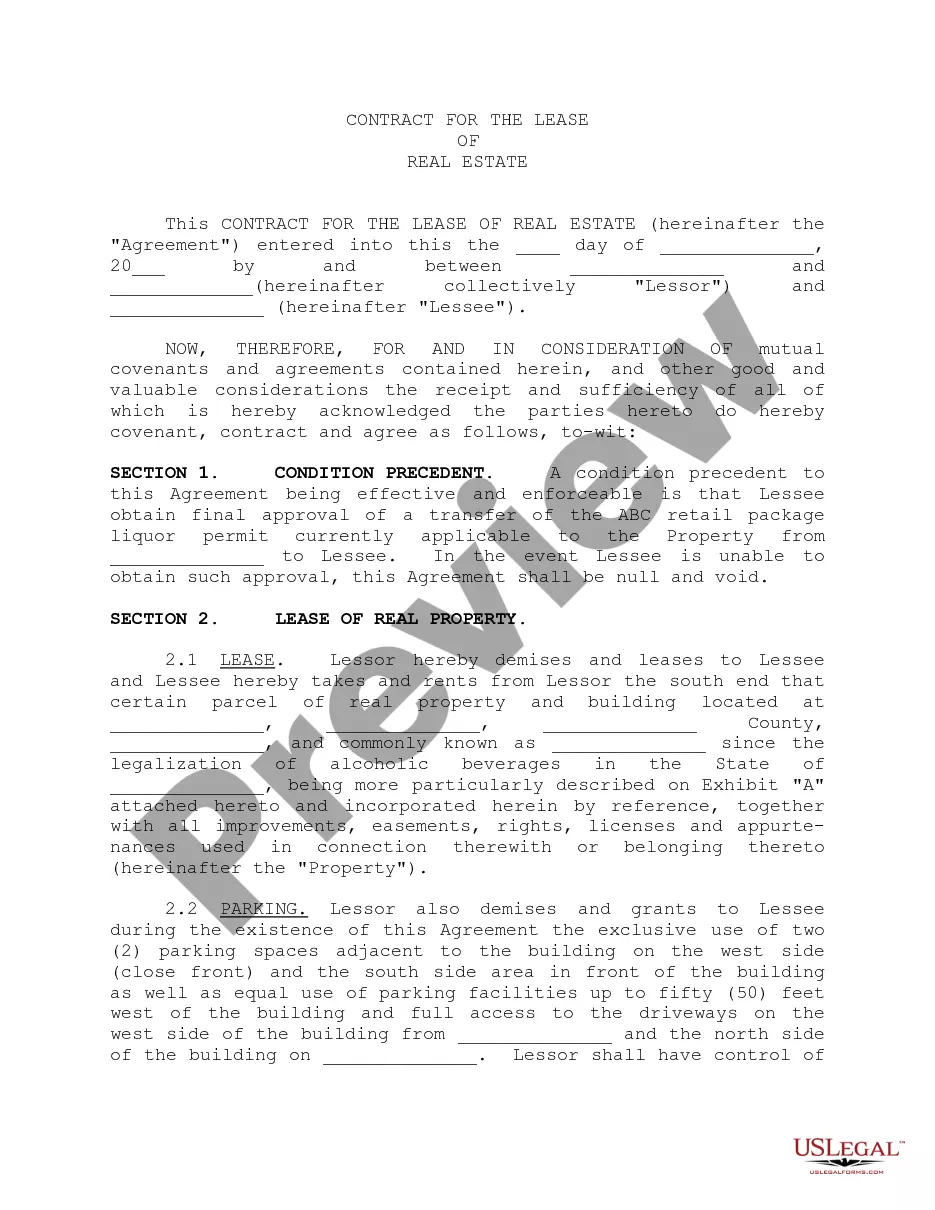
Get your form ready online
Our built-in tools help you complete, sign, share, and store your documents in one place.
Make edits, fill in missing information, and update formatting in US Legal Forms—just like you would in MS Word.
Download a copy, print it, send it by email, or mail it via USPS—whatever works best for your next step.
Sign and collect signatures with our SignNow integration. Send to multiple recipients, set reminders, and more. Go Premium to unlock E-Sign.
If this form requires notarization, complete it online through a secure video call—no need to meet a notary in person or wait for an appointment.
We protect your documents and personal data by following strict security and privacy standards.

Make edits, fill in missing information, and update formatting in US Legal Forms—just like you would in MS Word.

Download a copy, print it, send it by email, or mail it via USPS—whatever works best for your next step.

Sign and collect signatures with our SignNow integration. Send to multiple recipients, set reminders, and more. Go Premium to unlock E-Sign.

If this form requires notarization, complete it online through a secure video call—no need to meet a notary in person or wait for an appointment.

We protect your documents and personal data by following strict security and privacy standards.
Looking for another form?

Form popularity
FAQ
Liberty Mutual does not have a set time limit for filing claims and will consider a claim even if it is filed months or years after the incident occurred. However, Liberty Mutual is more likely to deny a claim if the delay was unreasonable or if it compromised their ability to investigate.
How long does an insurance claim take? The claims process, and how long it may take, varies based on the type of claim and the severity of damage. Once you've filed, a Liberty Mutual Claims Representative will review the incident details and get back to you within 1-2 business days.
Homeowners insurance typically covers your dwelling, other structures on your property, personal property, personal liability, medical payments to others, and loss of use costs. Payment for damages depends on if a covered peril caused the loss and the homeowners insurance coverage limits on your policy.
Damage or destruction due to vandalism, fire, and certain natural disasters are all usually covered. So is your liability if someone is injured on your property. Certain catastrophes, like flooding or earthquakes, are generally not covered by basic homeowners policies and require specialized insurance.
Standard homeowners insurance includes coverage for your house, other structures on your property, your belongings, personal liability, medical payments coverage to others, and even temporary living expenses while your home is being rebuilt or repaired due to a covered loss.
Well, homeowners insurance helps protect you, your home and your belongings from all sorts of unexpected events. And with a standard policy you'll get four key types of coverage: dwelling, other structures, personal property and liability.
HO-3 (special form) The most common type of homeowners insurance is the HO-3 policy. HO-3 policies offer more expansive coverage than HO-2s, meaning that your home's structure is safeguarded against all perils except for those specifically excluded (for example, earthquakes and floods) in your policy.