Personal Property With Example In Hennepin
Description

Get your form ready online
Our built-in tools help you complete, sign, share, and store your documents in one place.
Make edits, fill in missing information, and update formatting in US Legal Forms—just like you would in MS Word.
Download a copy, print it, send it by email, or mail it via USPS—whatever works best for your next step.
Sign and collect signatures with our SignNow integration. Send to multiple recipients, set reminders, and more. Go Premium to unlock E-Sign.
If this form requires notarization, complete it online through a secure video call—no need to meet a notary in person or wait for an appointment.
We protect your documents and personal data by following strict security and privacy standards.

Make edits, fill in missing information, and update formatting in US Legal Forms—just like you would in MS Word.

Download a copy, print it, send it by email, or mail it via USPS—whatever works best for your next step.

Sign and collect signatures with our SignNow integration. Send to multiple recipients, set reminders, and more. Go Premium to unlock E-Sign.

If this form requires notarization, complete it online through a secure video call—no need to meet a notary in person or wait for an appointment.

We protect your documents and personal data by following strict security and privacy standards.
Looking for another form?




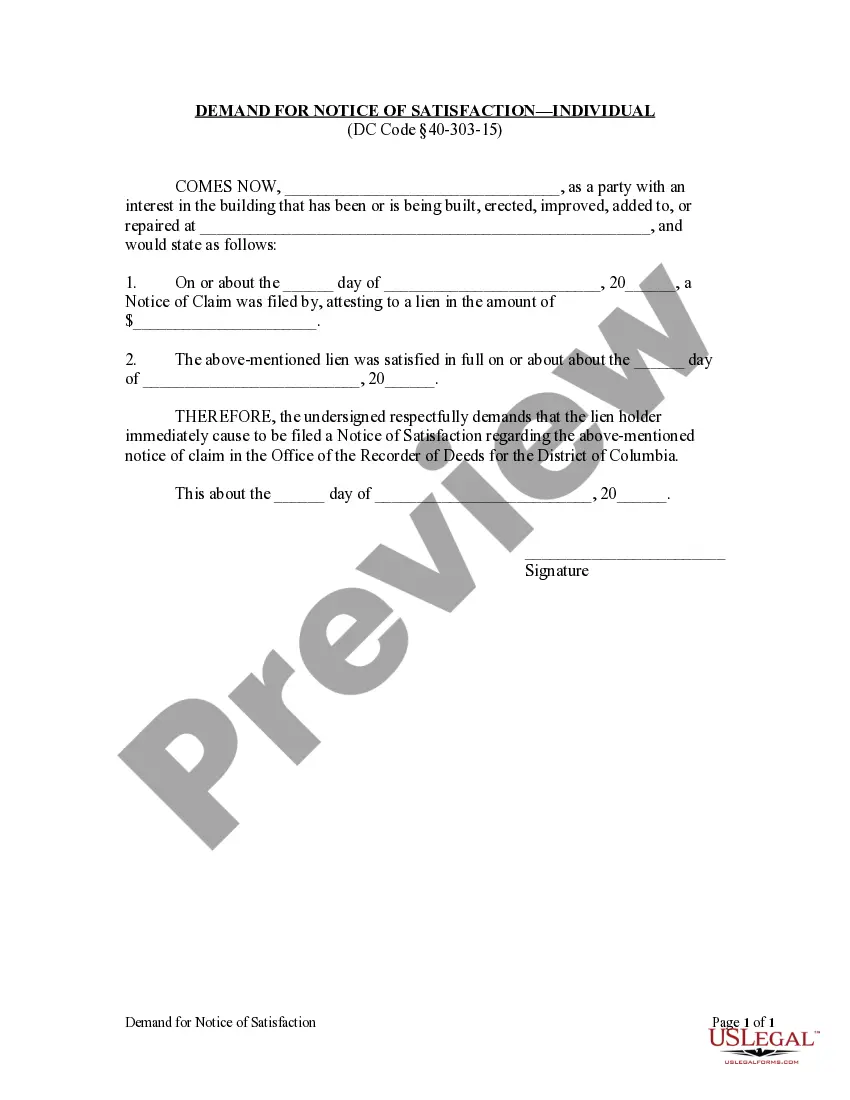

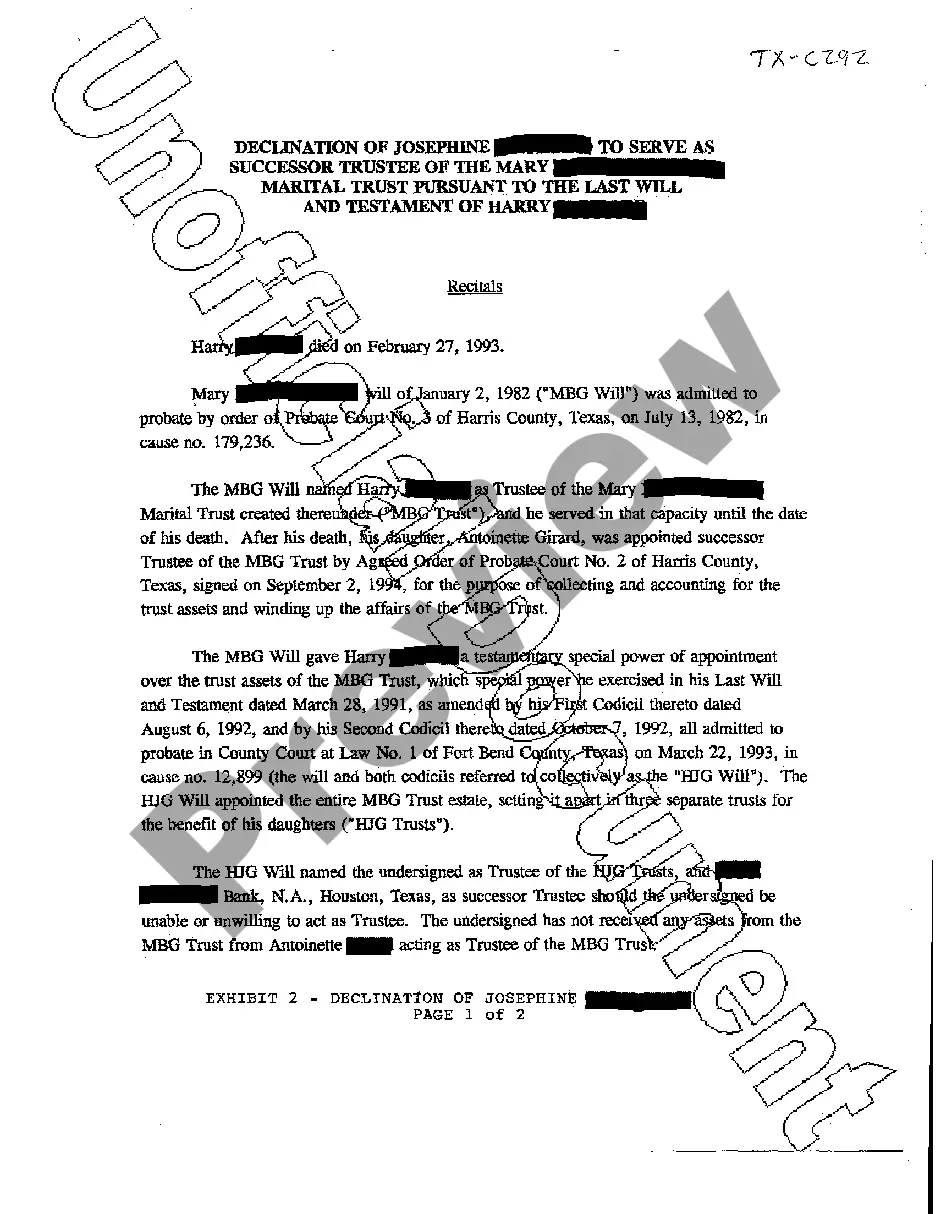


Form popularity
FAQ
Personal property is movable property that is not attached to land. Tangible - movable equipment and machinery, furniture, cars, trade fixtures, etc. Intangible – goodwill, non-compete clauses, patents, copyrights, etc.
Personal use property is used for personal enjoyment as opposed to business or investment purposes. These may include personally-owned cars, homes, appliances, apparel, food items, and so on.
Personal property is a type of property that includes any movable object or intangible asset of value that can be owned by a person and is distinct from real property. Examples include vehicles, artworks, and patents. Under common law, it is synonymous with chattel or personalty.
Definition of Personal Property It includes items that can be moved from one location to another. Example: A car, furniture, jewelry, and electronics are considered personal property because they can be transported and are not affixed to the land.
A personal property tax is imposed by state or local governments on certain assets that can be touched and moved such as cars, livestock, or equipment. Personal property includes assets other than land or permanent structures such as buildings. These are considered to be real property.
Deductible personal property taxes are those based only on the value of personal property such as a boat or car. The tax must be charged to you on a yearly basis, even if it's collected more than once a year or less than once a year.
These may include personally-owned cars, homes, appliances, apparel, food items, and so on. Personal use property can be insured against theft in most homeowners policies, but may require additional riders or carry limitations.
Personal property includes things like furniture, clothing, electronics, and kitchenware.