Personal Property For Rent In Hennepin
Description

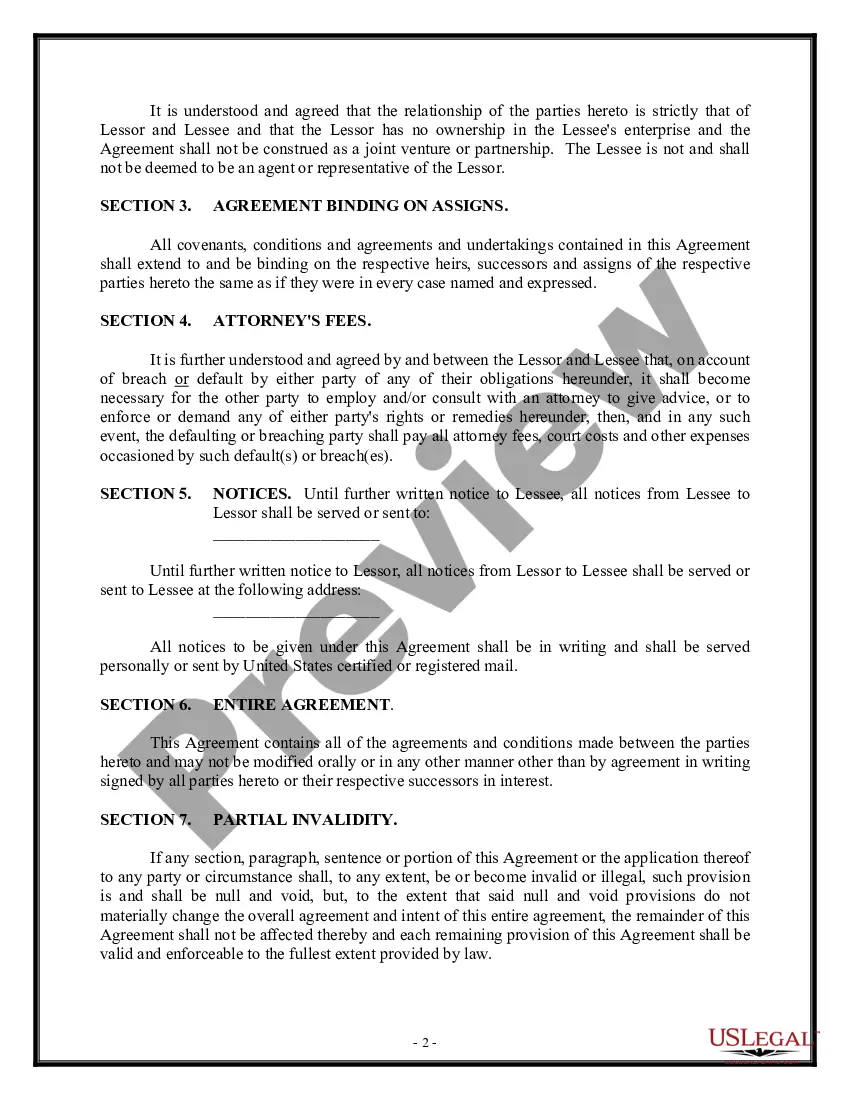
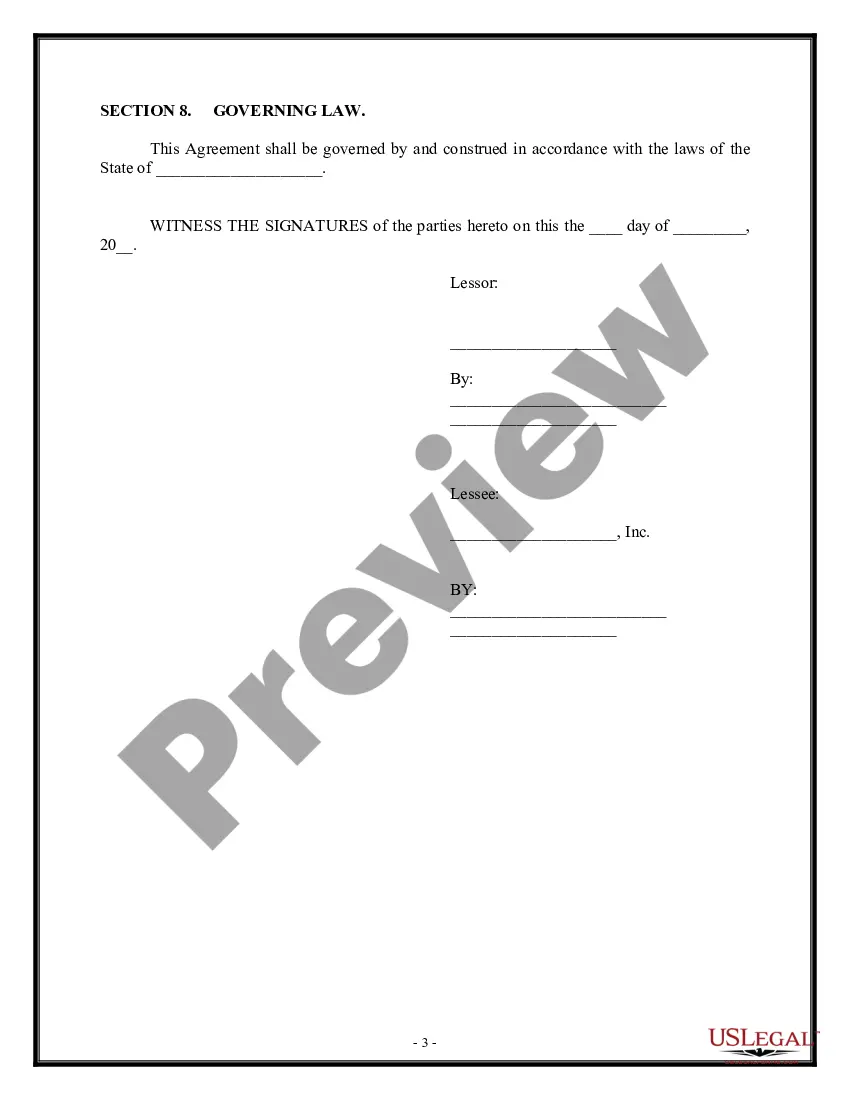
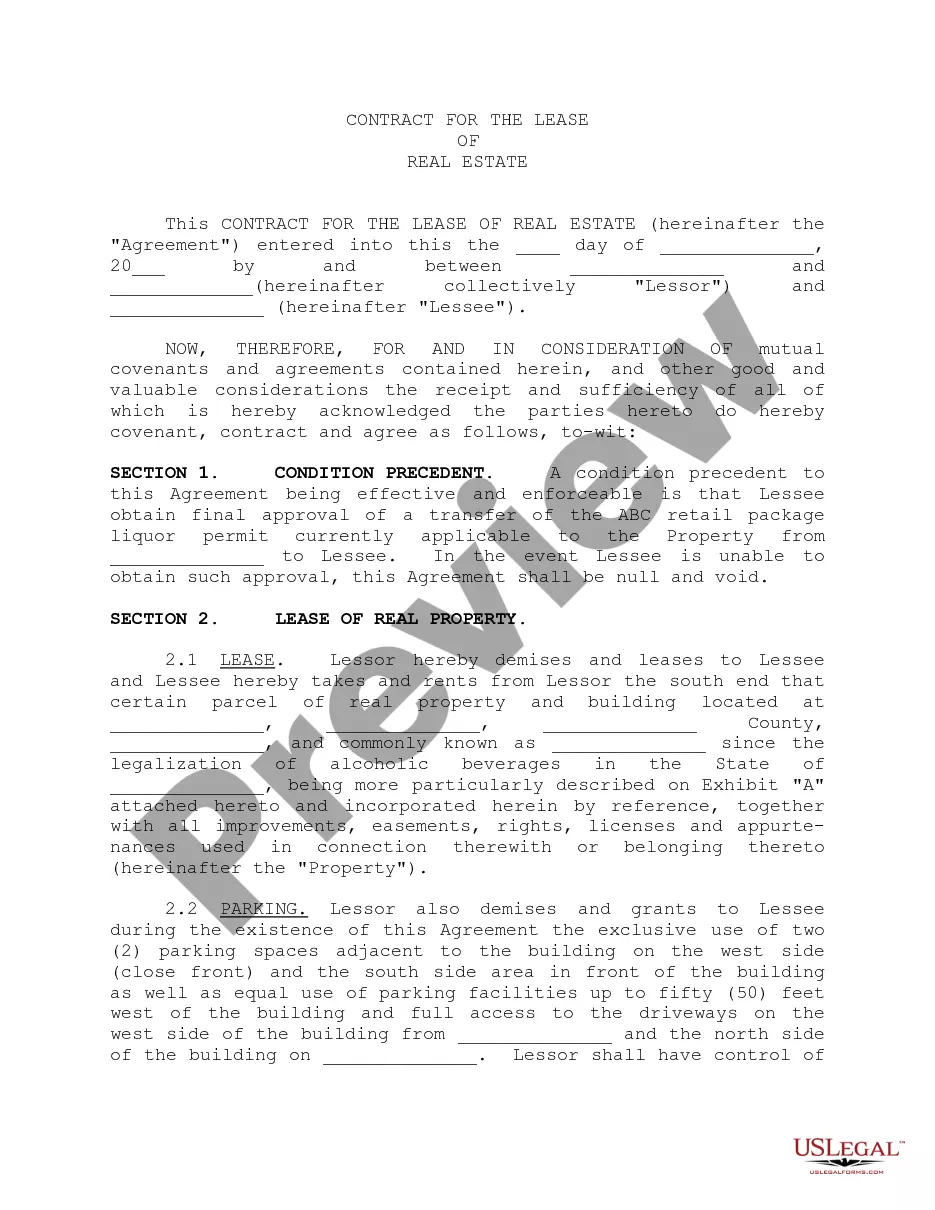
Get your form ready online
Our built-in tools help you complete, sign, share, and store your documents in one place.
Make edits, fill in missing information, and update formatting in US Legal Forms—just like you would in MS Word.
Download a copy, print it, send it by email, or mail it via USPS—whatever works best for your next step.
Sign and collect signatures with our SignNow integration. Send to multiple recipients, set reminders, and more. Go Premium to unlock E-Sign.
If this form requires notarization, complete it online through a secure video call—no need to meet a notary in person or wait for an appointment.
We protect your documents and personal data by following strict security and privacy standards.

Make edits, fill in missing information, and update formatting in US Legal Forms—just like you would in MS Word.

Download a copy, print it, send it by email, or mail it via USPS—whatever works best for your next step.

Sign and collect signatures with our SignNow integration. Send to multiple recipients, set reminders, and more. Go Premium to unlock E-Sign.

If this form requires notarization, complete it online through a secure video call—no need to meet a notary in person or wait for an appointment.

We protect your documents and personal data by following strict security and privacy standards.
Looking for another form?








Form popularity
FAQ
Homestead is a classification of property that is occupied by an owner or relative of the owner, and is used as a primary place of residence.
You may file up to one year after the due date. New Filing Method for Renters!
9 Ways to Get Approved With No Rental History Increasing The Security Deposit. Show Proof of Income. Provide Proof of Employment. Consider Renting with a Roommate. Collect References. Get a Cosigner. Get a Guarantor. Show Proof of Regular Payments.
The 50% rule or 50 rule in real estate says that half of the gross income generated by a rental property should be allocated to operating expenses when determining profitability. The rule is designed to help investors avoid the mistake of underestimating expenses and overestimating profits.
Have a property management plan. Invest in additional insurance. Set a rental rate. Advertise your house for rent. Screen potential tenants. Create and sign a lease agreement. Store security deposits in a safe place. Re-key the locks.
There are two types of property tax refunds in Minnesota. One is income based and you may apply for this if your household income is less than $128,280; you owned and occupied a home in Minnesota; are filing a refund for 2021 or later; did not rent out your home; and did not use your home for business.
It is generally recommended to aim for an ROI of 10-15%. However, the ROI that is considered “good” or “bad” is dependent on an individual's financial standing and the particular property they choose to invest in.
You must own and occupy the property as your primary place of residence by December 31st of the assessment year. You must be a Minnesota resident. (If a residential property is the primary residence of a qualifying relative of an owner, it is not necessary for the owner to be a Minnesota resident.)
Class Rates for Taxes Payable in 2025 Property TypeClass Rate (%)Tax Code(a) Nonhomestead resorts Up to $500,000 1.0 S2, R Over $500,000 1.25 S2, R Miscellaneous Properties46 more rows
Some of the most common tax-exempt property types are: Churches or places of worship. Institutions of public charity. All properties used exclusively for public purposes, including public hospitals, schools, burial grounds, etc.