Private Property For Sale Onrus In Florida
Description

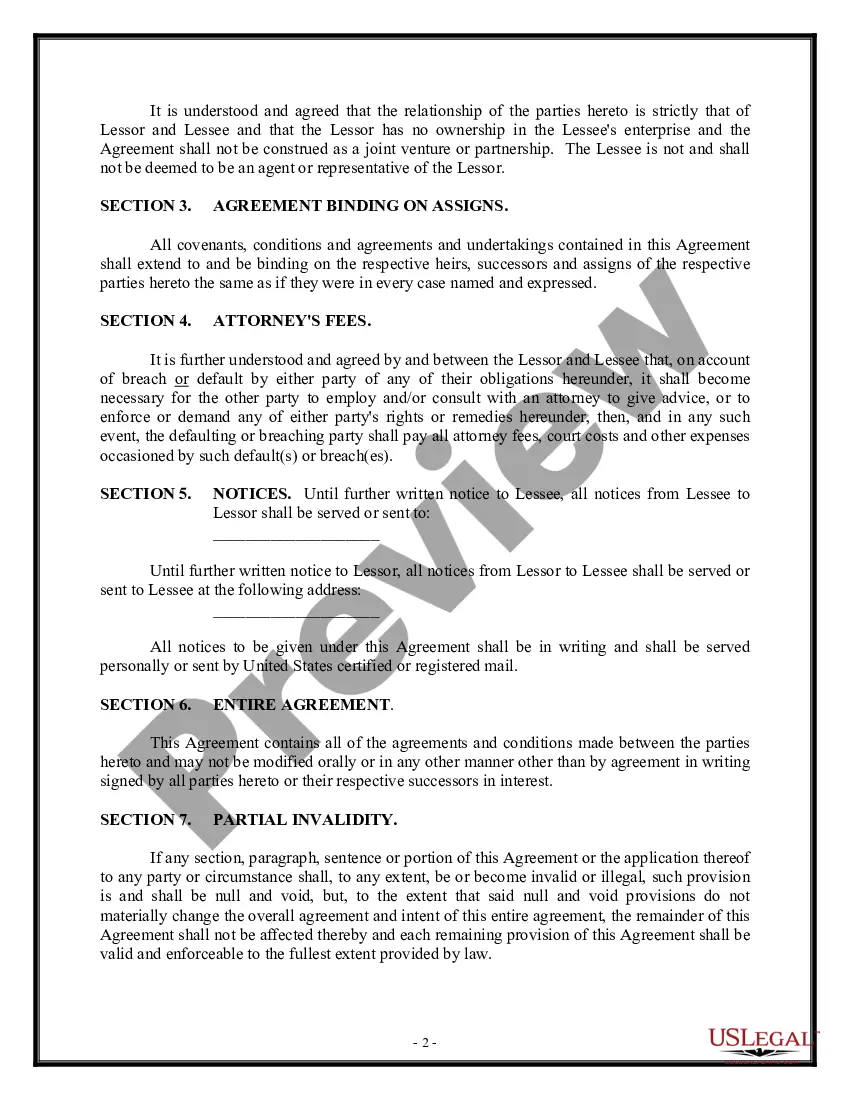
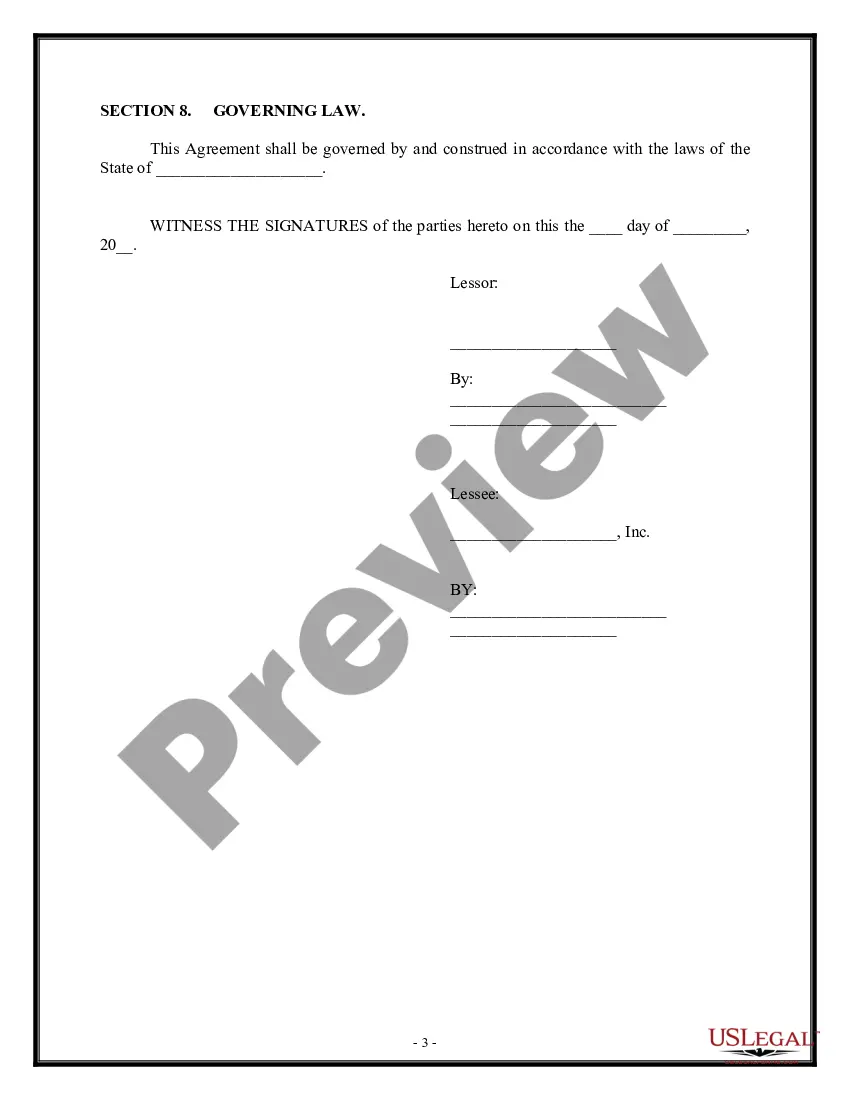
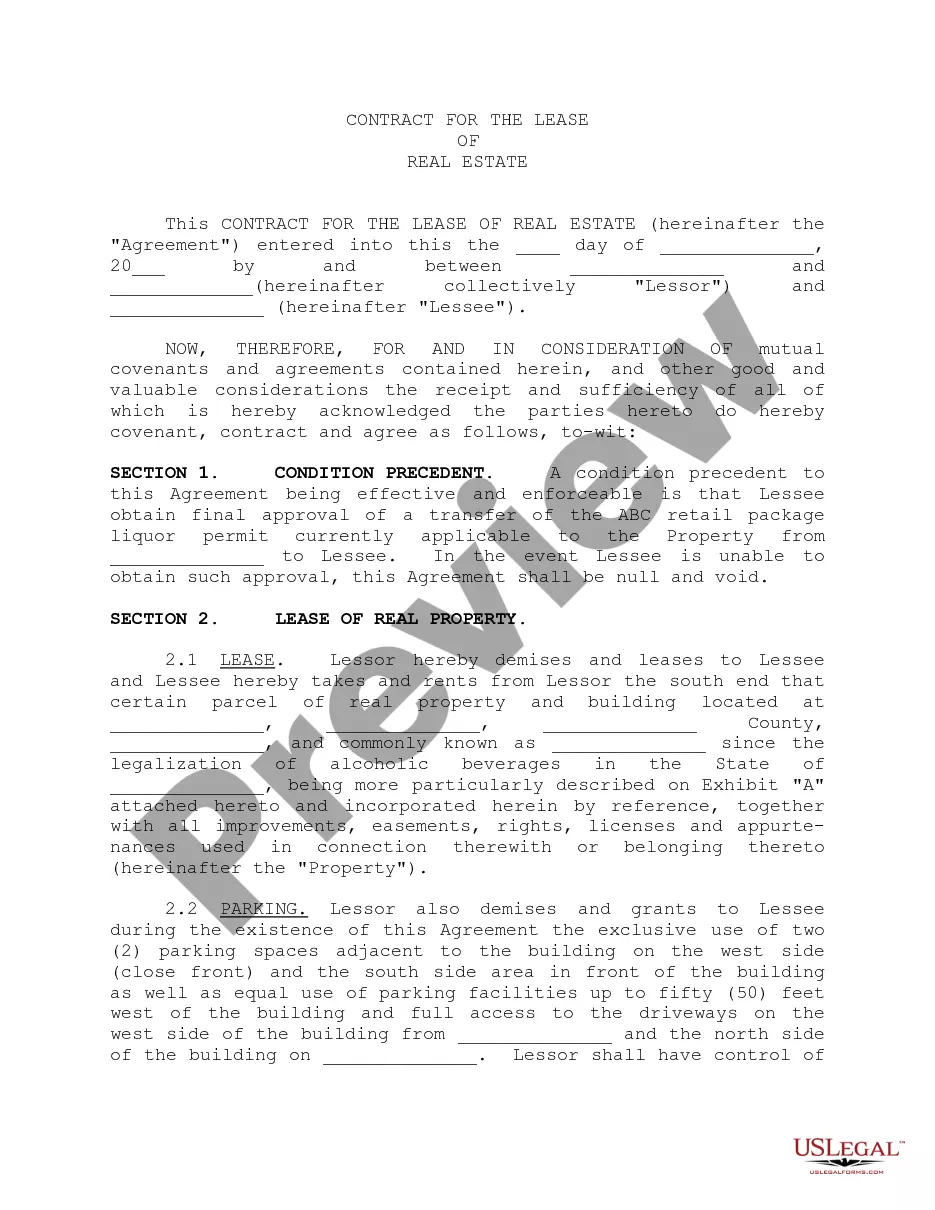
Get your form ready online
Our built-in tools help you complete, sign, share, and store your documents in one place.
Make edits, fill in missing information, and update formatting in US Legal Forms—just like you would in MS Word.
Download a copy, print it, send it by email, or mail it via USPS—whatever works best for your next step.
Sign and collect signatures with our SignNow integration. Send to multiple recipients, set reminders, and more. Go Premium to unlock E-Sign.
If this form requires notarization, complete it online through a secure video call—no need to meet a notary in person or wait for an appointment.
We protect your documents and personal data by following strict security and privacy standards.

Make edits, fill in missing information, and update formatting in US Legal Forms—just like you would in MS Word.

Download a copy, print it, send it by email, or mail it via USPS—whatever works best for your next step.

Sign and collect signatures with our SignNow integration. Send to multiple recipients, set reminders, and more. Go Premium to unlock E-Sign.

If this form requires notarization, complete it online through a secure video call—no need to meet a notary in person or wait for an appointment.

We protect your documents and personal data by following strict security and privacy standards.
Looking for another form?
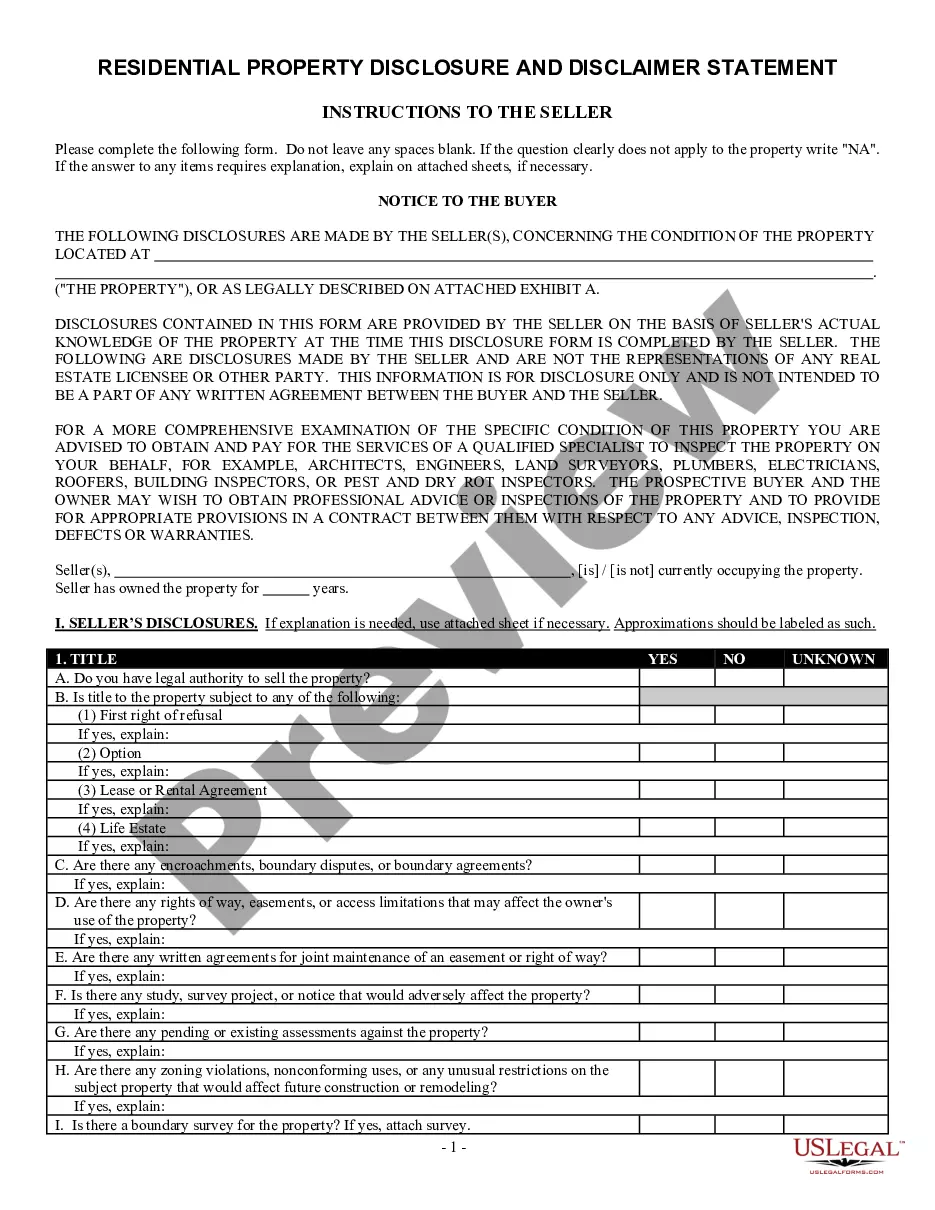



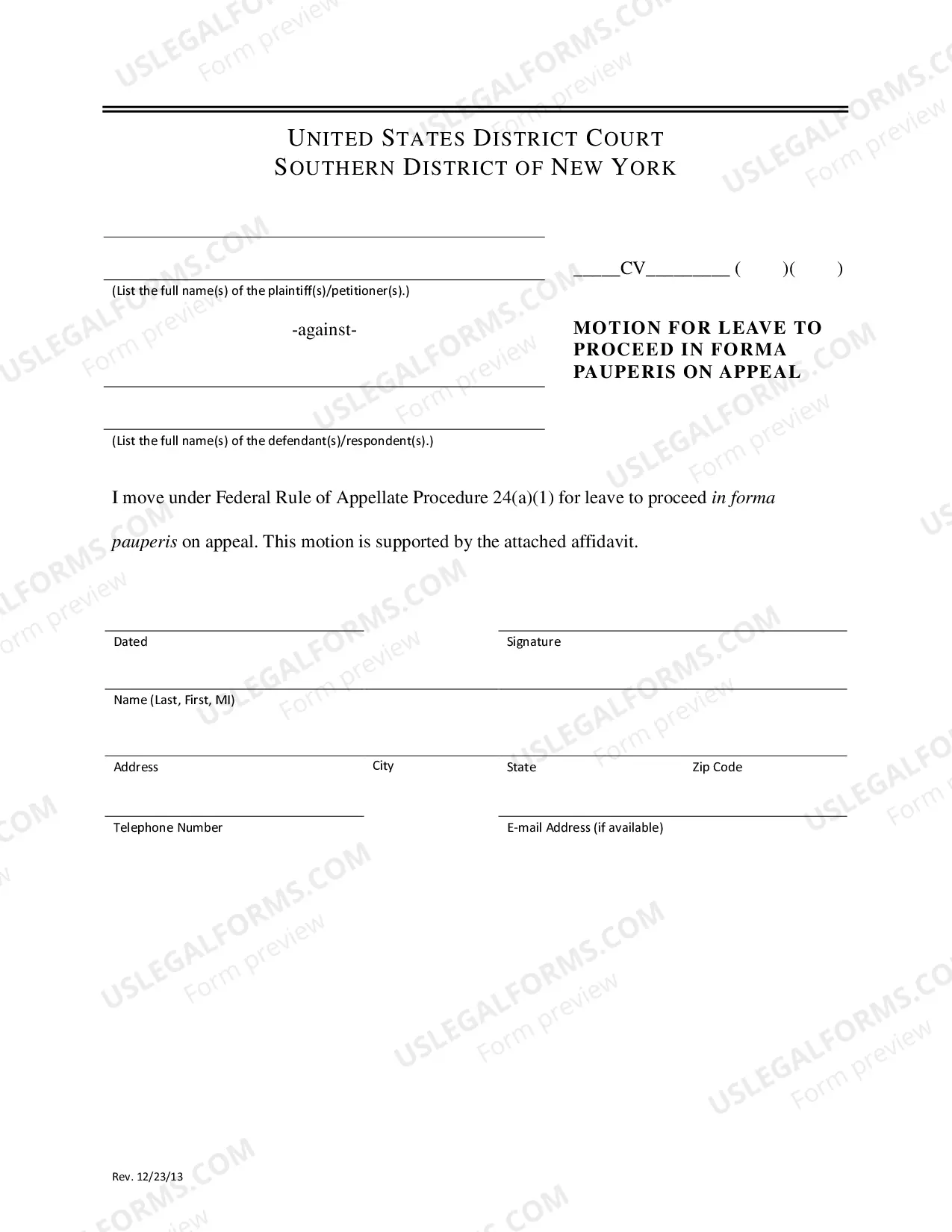
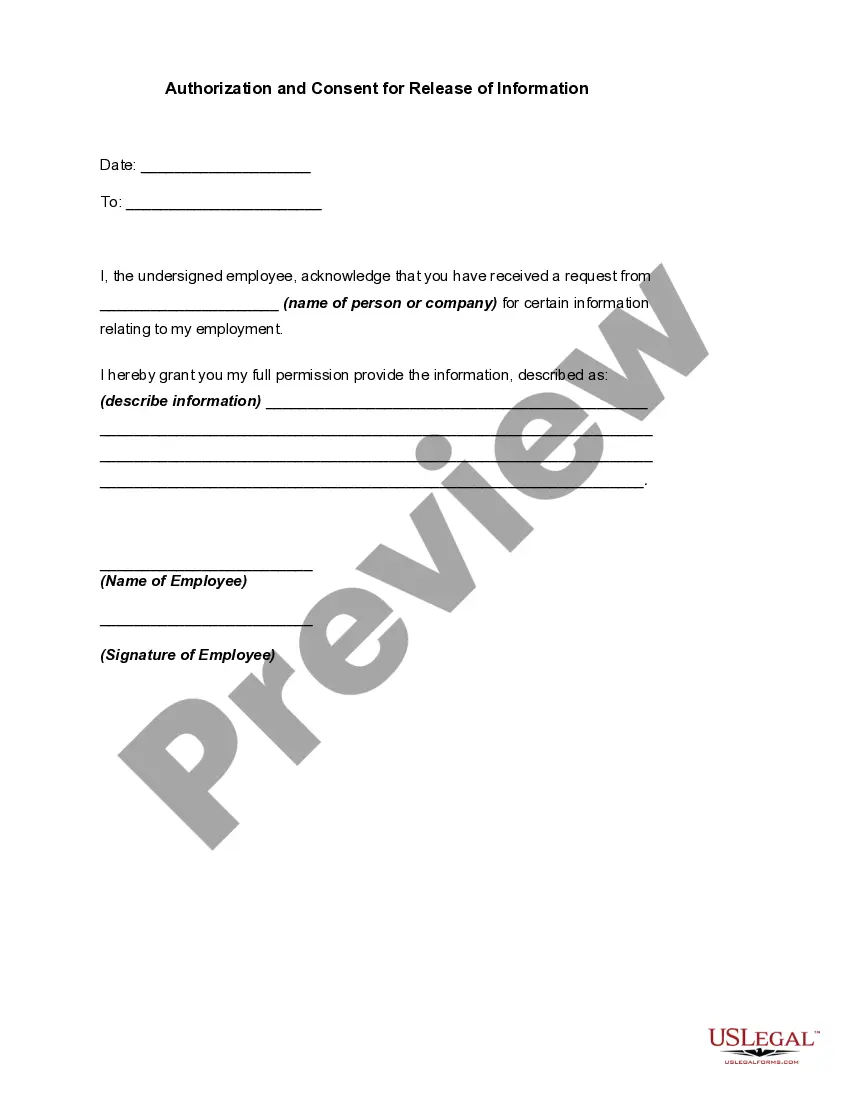
Form popularity
FAQ
High-Interest Rates and Less Competition One of the key advantages of buying real estate in Florida now is the high-interest rates, which have created less competition in the market. With fewer buyers actively looking, property prices are more stable.
Florida is one of nine states in the U.S. that don't have state income taxes, making it an attractive place to live and invest in real estate. Alex Coffman, real estate agent and co-owner at Teifke Real Estate, sees Florida's taxes as a major upside.
The three types of real estate listing agreements are open listing, exclusive agency listing, and exclusive right-to-sell listing.
Just as it sounds, unrestricted land doesn't have any rules or requirements for how you can use or develop the land. That means that there aren't: ● Zoning laws. ● Deed requirements. ● Not within a city, town, or municipality.
Unlike some states, Florida does not require that sellers involve a lawyer in the house-selling transaction.
Find a Buyer Privately or With a Real Estate Broker It's possible to sell a house privately if you find a buyer, even if you already have a listing agreement with a real estate agent.
Under Florida law, you are not required to have a real estate attorney for residential real estate transactions. You can legally buy a house, apartment, townhouse, or condo in the state of Florida without ever consulting a lawyer for legal advice.
How Do I Sell My Land in Florida? All You Need to Know Know The Florida Land Market. Define the Type of Buyer You're Looking For. Clean It Up and Market It Online. Learn the Parcel ID. Obtain the Deed. Skip the Agent; Sell Directly to Land Investors.