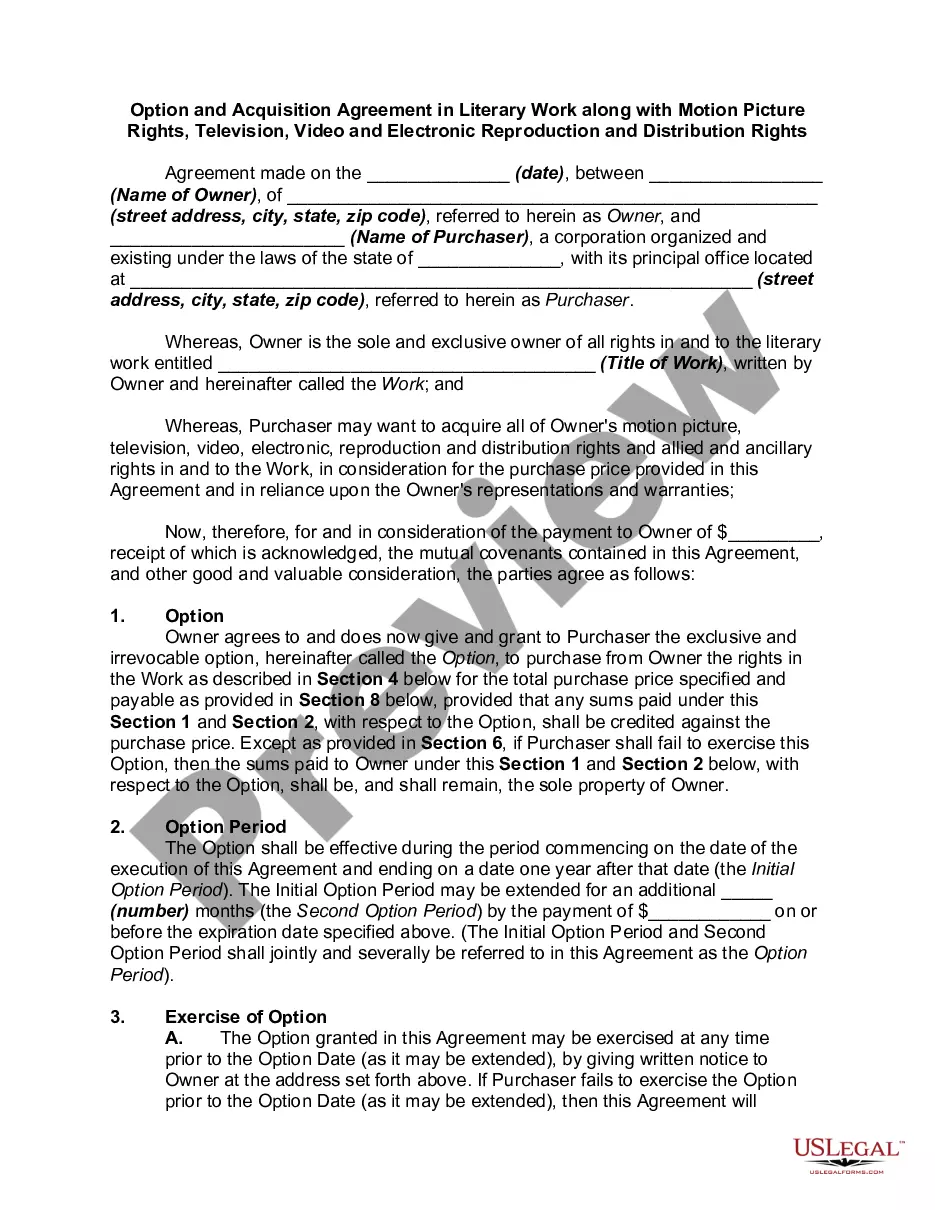
Private Property For Sale Durban In Clark
Description

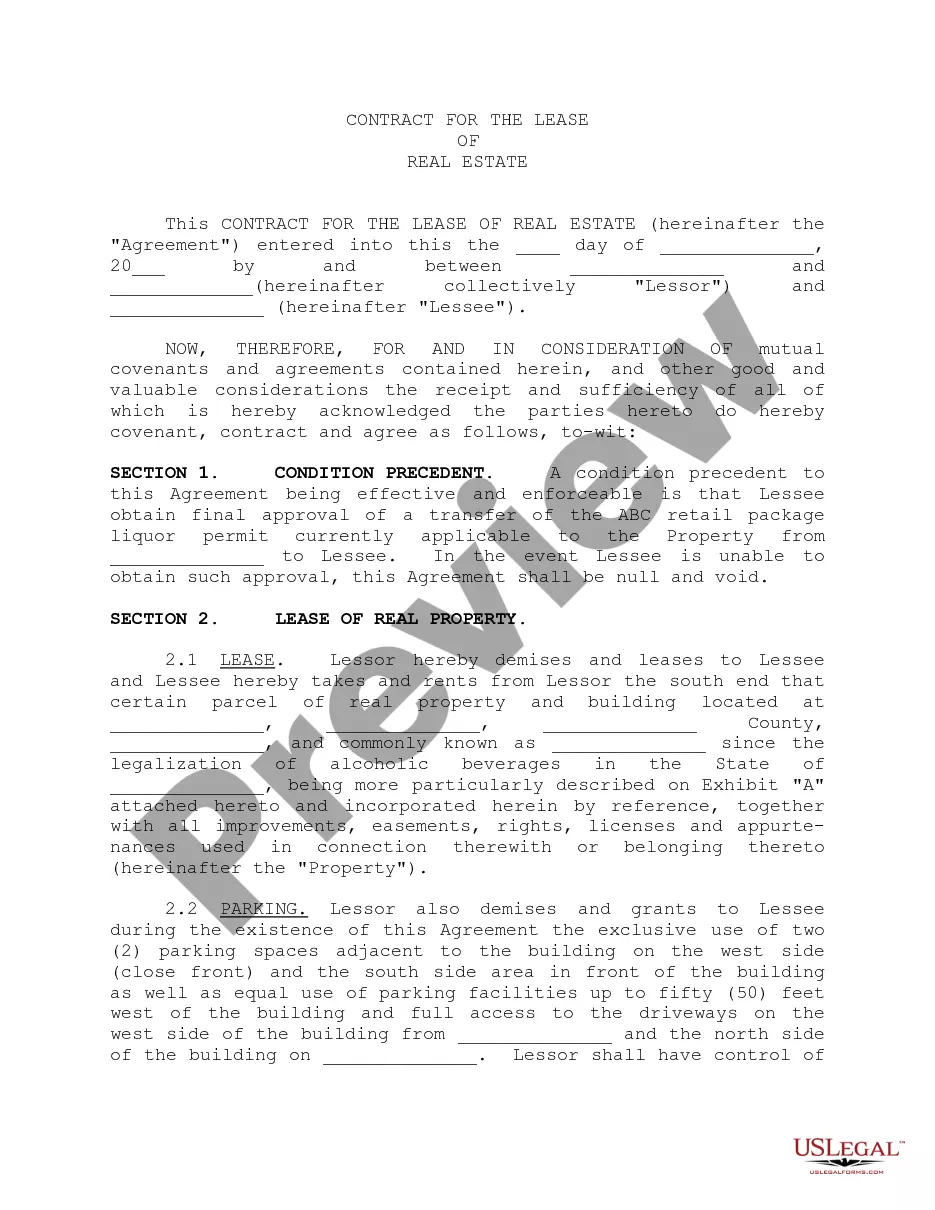
Get your form ready online
Our built-in tools help you complete, sign, share, and store your documents in one place.
Make edits, fill in missing information, and update formatting in US Legal Forms—just like you would in MS Word.
Download a copy, print it, send it by email, or mail it via USPS—whatever works best for your next step.
Sign and collect signatures with our SignNow integration. Send to multiple recipients, set reminders, and more. Go Premium to unlock E-Sign.
If this form requires notarization, complete it online through a secure video call—no need to meet a notary in person or wait for an appointment.
We protect your documents and personal data by following strict security and privacy standards.

Make edits, fill in missing information, and update formatting in US Legal Forms—just like you would in MS Word.

Download a copy, print it, send it by email, or mail it via USPS—whatever works best for your next step.

Sign and collect signatures with our SignNow integration. Send to multiple recipients, set reminders, and more. Go Premium to unlock E-Sign.

If this form requires notarization, complete it online through a secure video call—no need to meet a notary in person or wait for an appointment.

We protect your documents and personal data by following strict security and privacy standards.
Looking for another form?
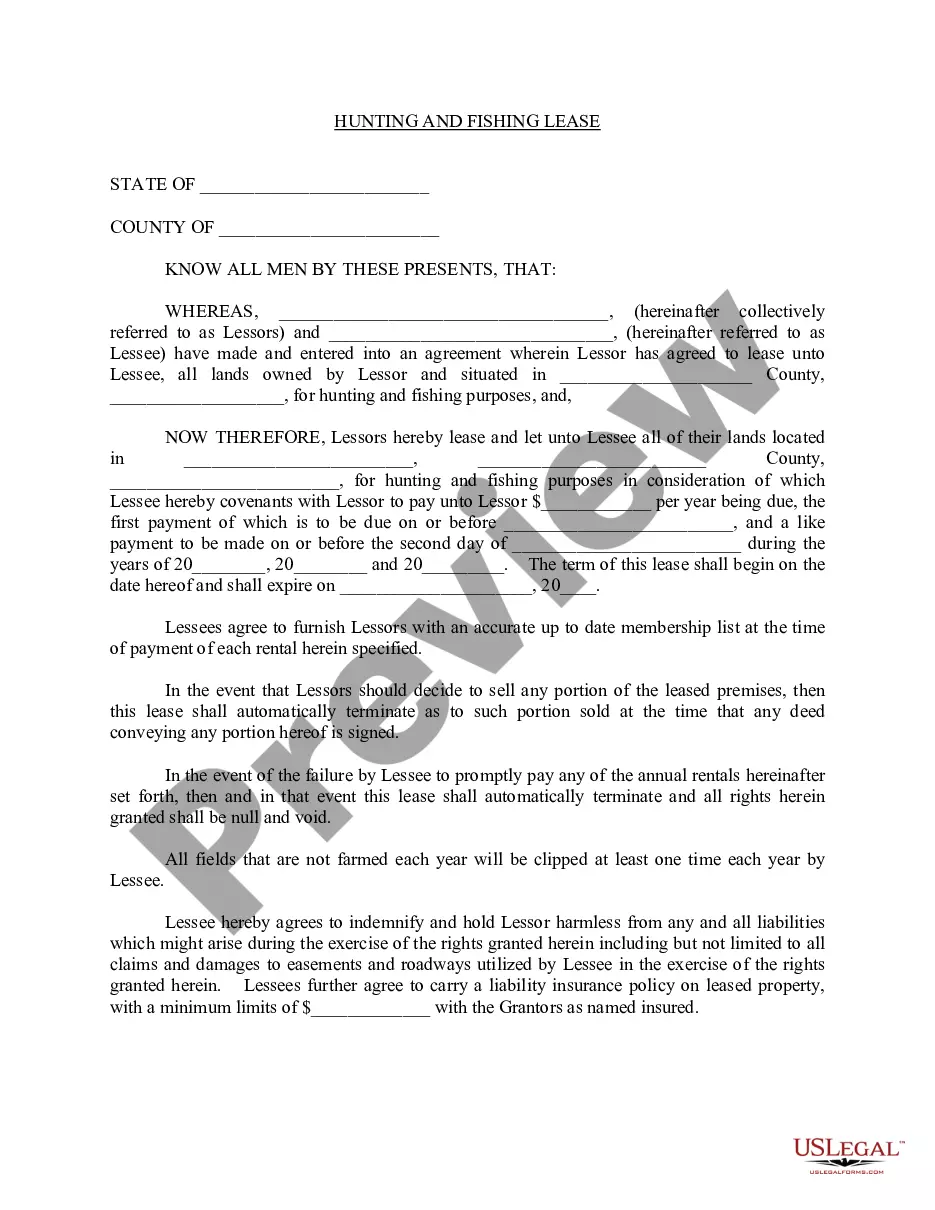
Form popularity
FAQ
You may be able to sell the home privately, but the legal process of transferring the property from you to the buyer requires the participation of lawyers and the Deeds Office. On average, it takes about 69 working days for the bond to be registered in the buyer's name.
In most states, the law states that when you sell your house, you must leave it in the same condition as when you bought it. This means that if you painted the walls green and sold the home, the new owner would be required to repaint them white. However, there are a few states that have different laws.
If all other options fail and you are still unable to come up with a consensus together, you might have to think about taking legal action. A partition action is the most typical legal remedy available to a co-owner who wishes to sell. Partition actions fall into two primary categories: Partition in kind.
Short Selling, or Selling Something You Don't Own.
Legally, you can't sell a house if you don't own it. Power of Attorney gives you the ability to act if an emergency arises or your family member becomes incapacitated. No one can grant this status unless they are currently of sound mind. That's why it's important to address it before it becomes necessary.
The simple answer is “no.” You cannot sell off someone else's property to make up for your loss; that is theft. As with most legal issues, however, there are exceptions. There are times when another person's assets can be sold, provided the seller has the legal authority to do so.
1. Hold the property for at least 2 years. Selling a property within a year may result in short-term capital gains, which are taxed at higher rates. Waiting for at least a year before selling can qualify you for long-term capital gains rates, which are generally lower.
In most cases, it is not possible for someone to sell your house without your knowledge or consent, especially if they do not have a power of attorney. A power of attorney is a legal document that grants someone the authority to act on your behalf, and it can include the power to sell your property.