Personal Property On Purchase Agreement In California
Description

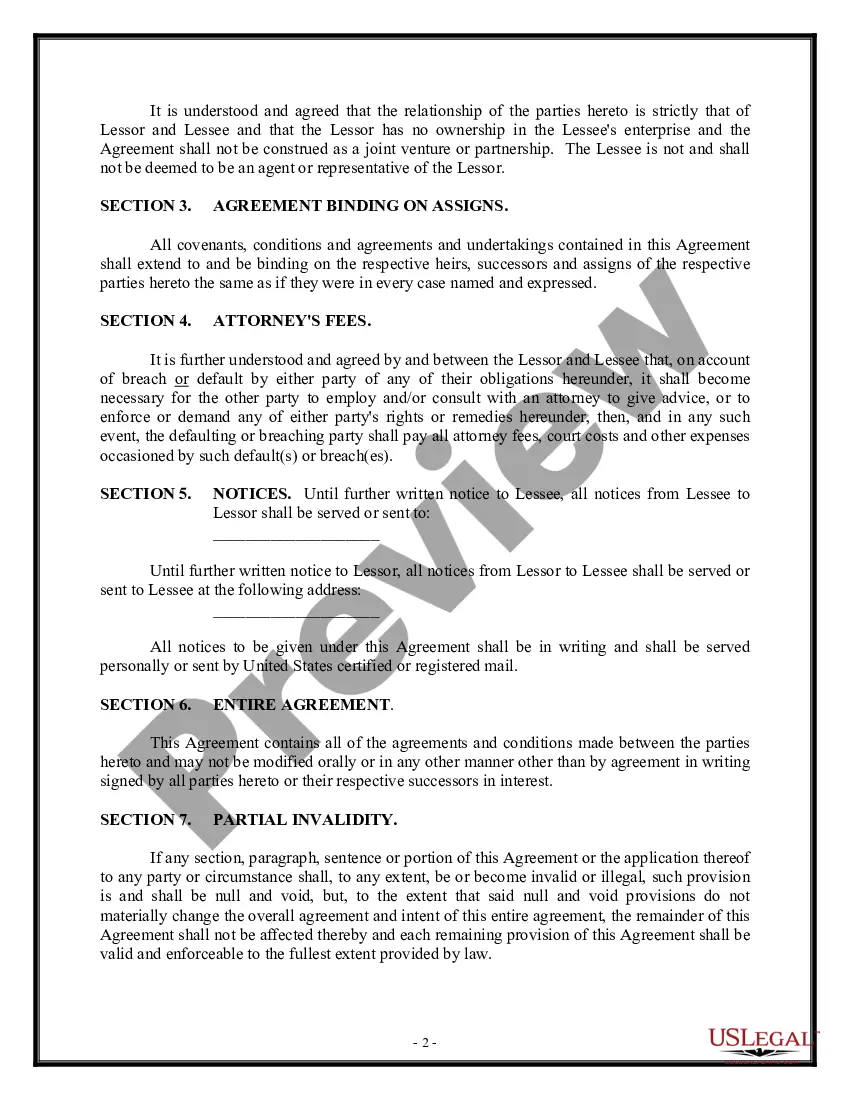
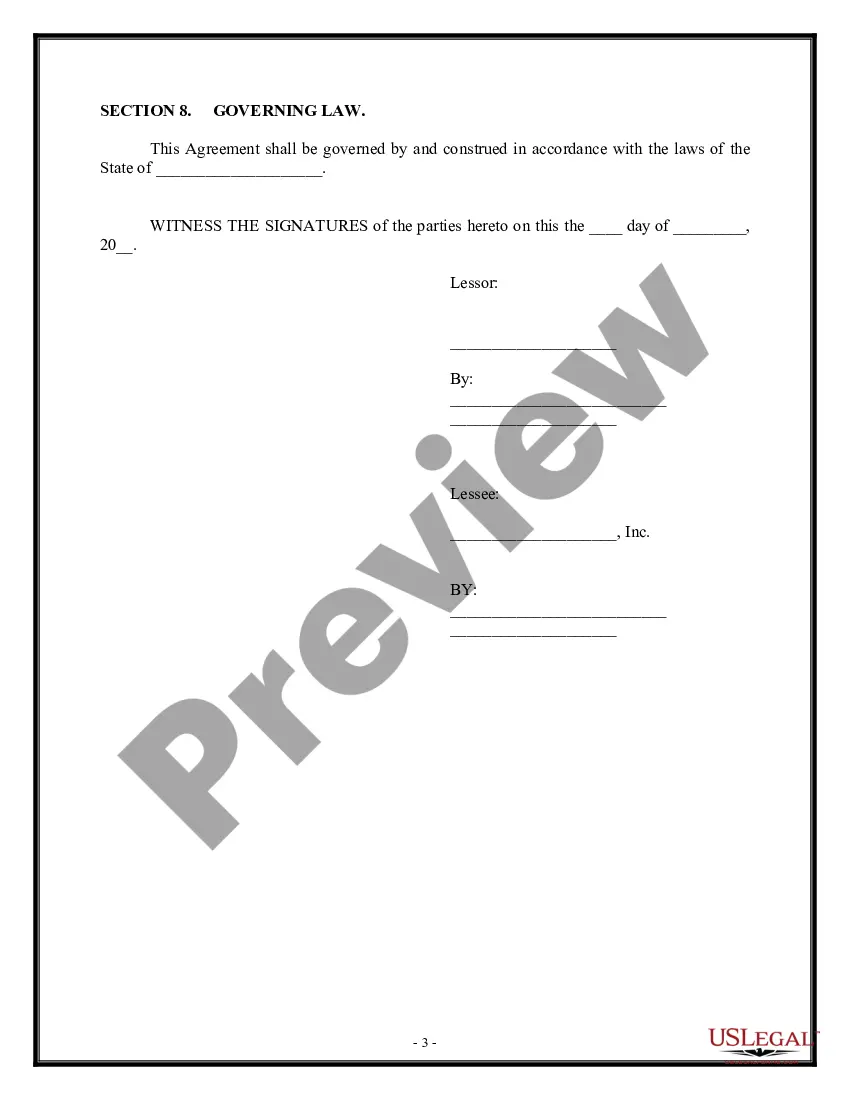
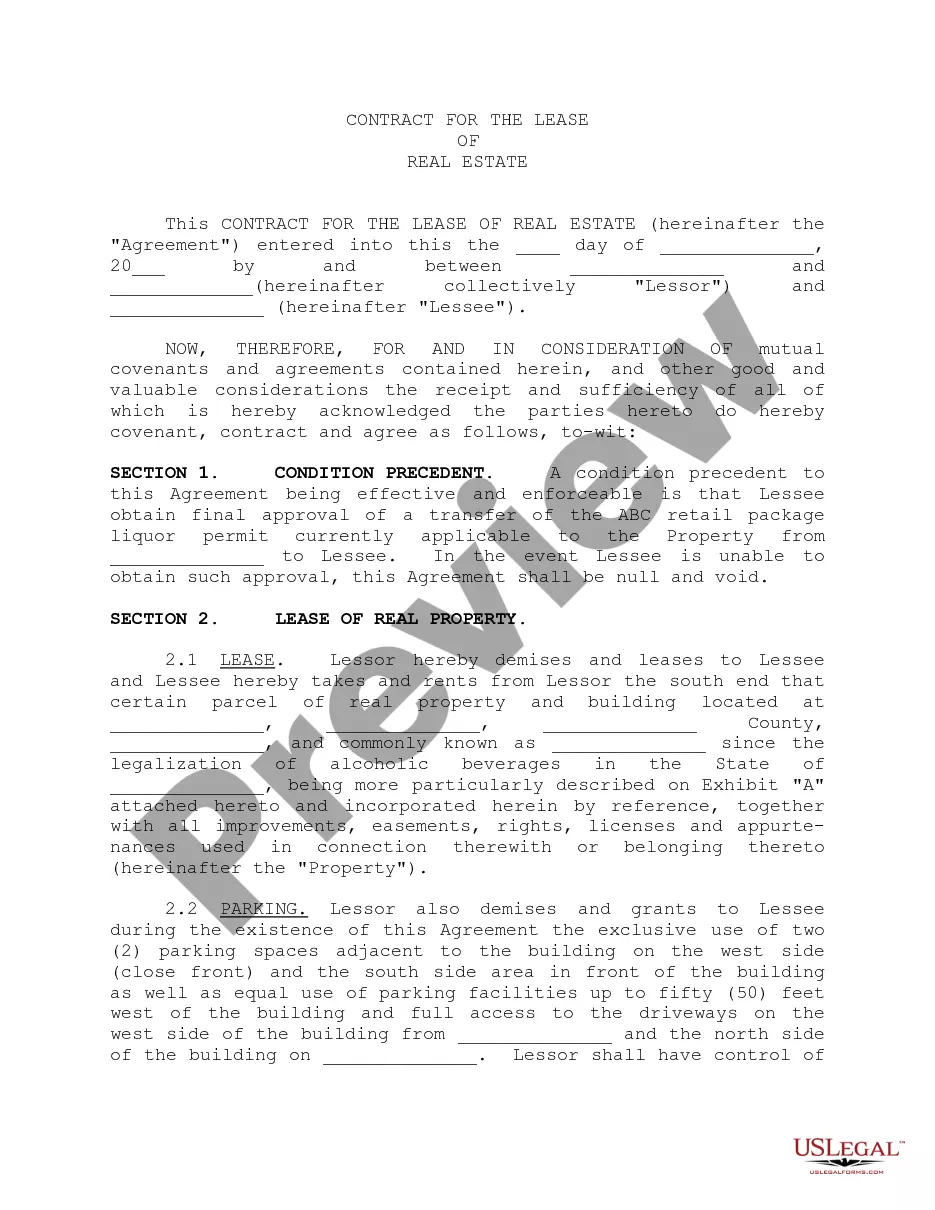
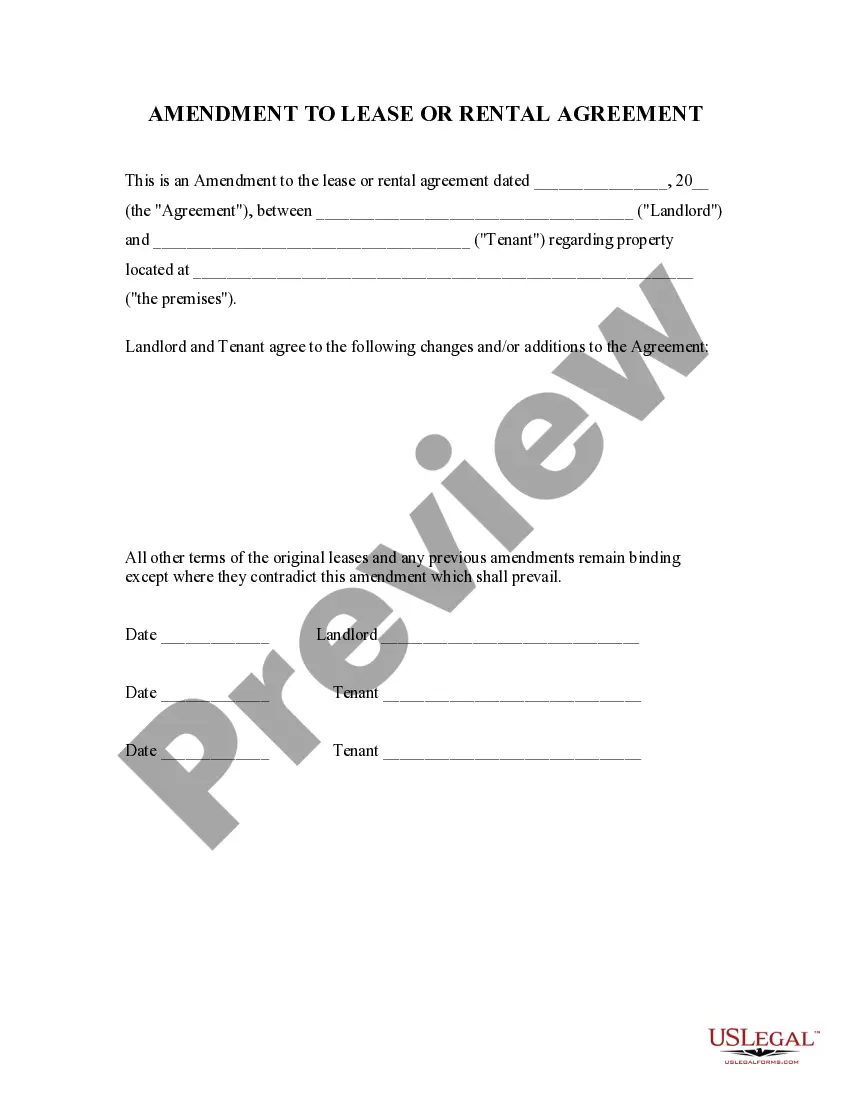
Get your form ready online
Our built-in tools help you complete, sign, share, and store your documents in one place.
Make edits, fill in missing information, and update formatting in US Legal Forms—just like you would in MS Word.
Download a copy, print it, send it by email, or mail it via USPS—whatever works best for your next step.
Sign and collect signatures with our SignNow integration. Send to multiple recipients, set reminders, and more. Go Premium to unlock E-Sign.
If this form requires notarization, complete it online through a secure video call—no need to meet a notary in person or wait for an appointment.
We protect your documents and personal data by following strict security and privacy standards.

Make edits, fill in missing information, and update formatting in US Legal Forms—just like you would in MS Word.

Download a copy, print it, send it by email, or mail it via USPS—whatever works best for your next step.

Sign and collect signatures with our SignNow integration. Send to multiple recipients, set reminders, and more. Go Premium to unlock E-Sign.

If this form requires notarization, complete it online through a secure video call—no need to meet a notary in person or wait for an appointment.

We protect your documents and personal data by following strict security and privacy standards.
Looking for another form?

Form popularity
FAQ
Personal Property: Personal property refers to movable items that are not permanently attached to the property. These items are typically not included in the sale unless explicitly stated in the contract.
Personal use property refers to assets that individuals use primarily for personal enjoyment rather than for business or investment purposes, such as homes, vehicles, and personal belongings.
The common law of accession holds that a fixture results when property, such as personal property, is so merged into a structure on real property that it can no longer be identified, as when a piece of lumber is incorporated into the construction of a building. See, e.g., Alden v. Mayfield (1912) 163 Cal. 793, 795–796.
A fixture is not personal property since fixtures come with the construction and are permanently glued to the building. Questions used in knowing fixtures are by confirming if the item is permanently mounted to the building. In contrast, personal property is movable things, and they are not attached to the property.
For example, a rug on the floor would be personal property, but a carpet that is attached to the floor is a fixture. In general, personal property is not included in a real estate sale. On closing day, these personal items are expected to be removed from the home.
Under California's Civil Code, personal property is broadly defined to include “everything that is the subject of ownership, not forming part of any parcel of real property” (Civ. Code § 663).
There are three tests that courts use to determine whether a particular object has become a fixture and thus has become real property: annexation, adaptation, and intention. Disputes over fixtures often arise in the transfer of real property and in landlord-tenant relations.
A real estate fixture is any object permanently attached to a property by way of bolts, screws, nails, glue, cement or other means.
Proposition 13 allows a transfer of primary resident between parent and child without reassessing the tax base of the home. To get the benefit, you filed the appropriate form with your county assessor's office after you prepared and filed the deed transferring the property from a parent to a child.