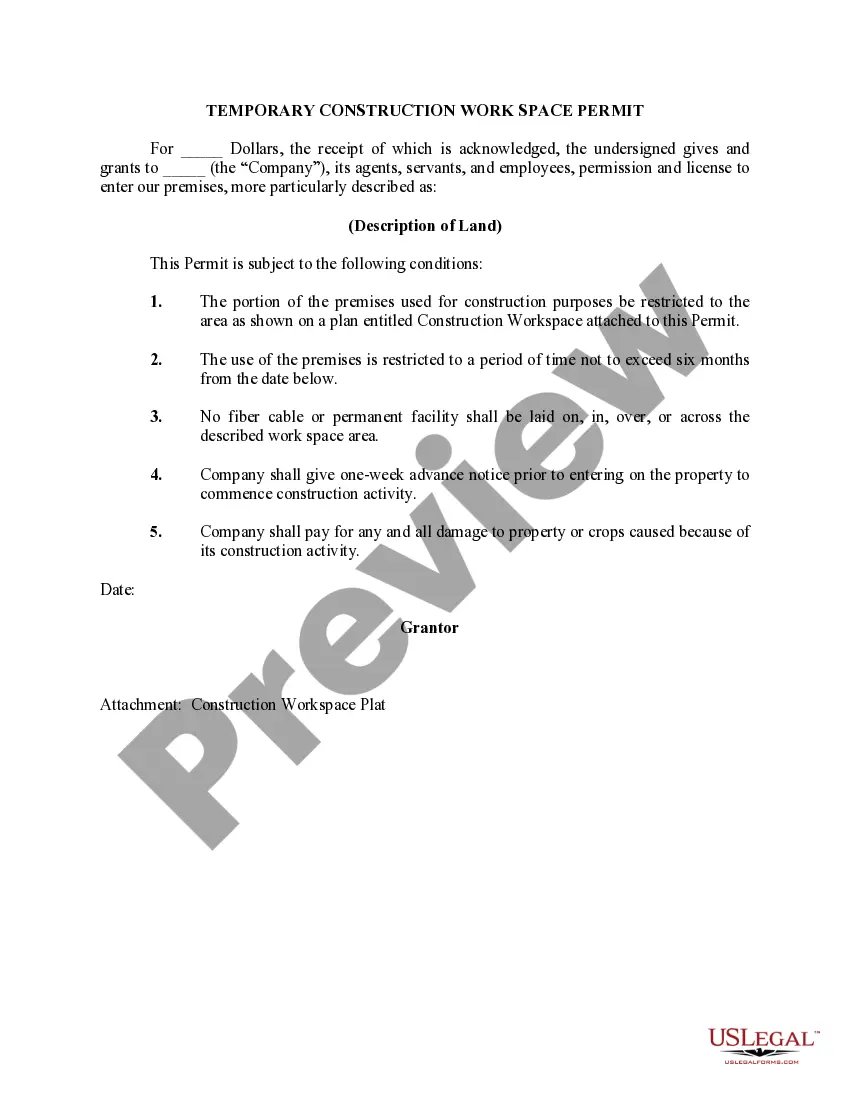
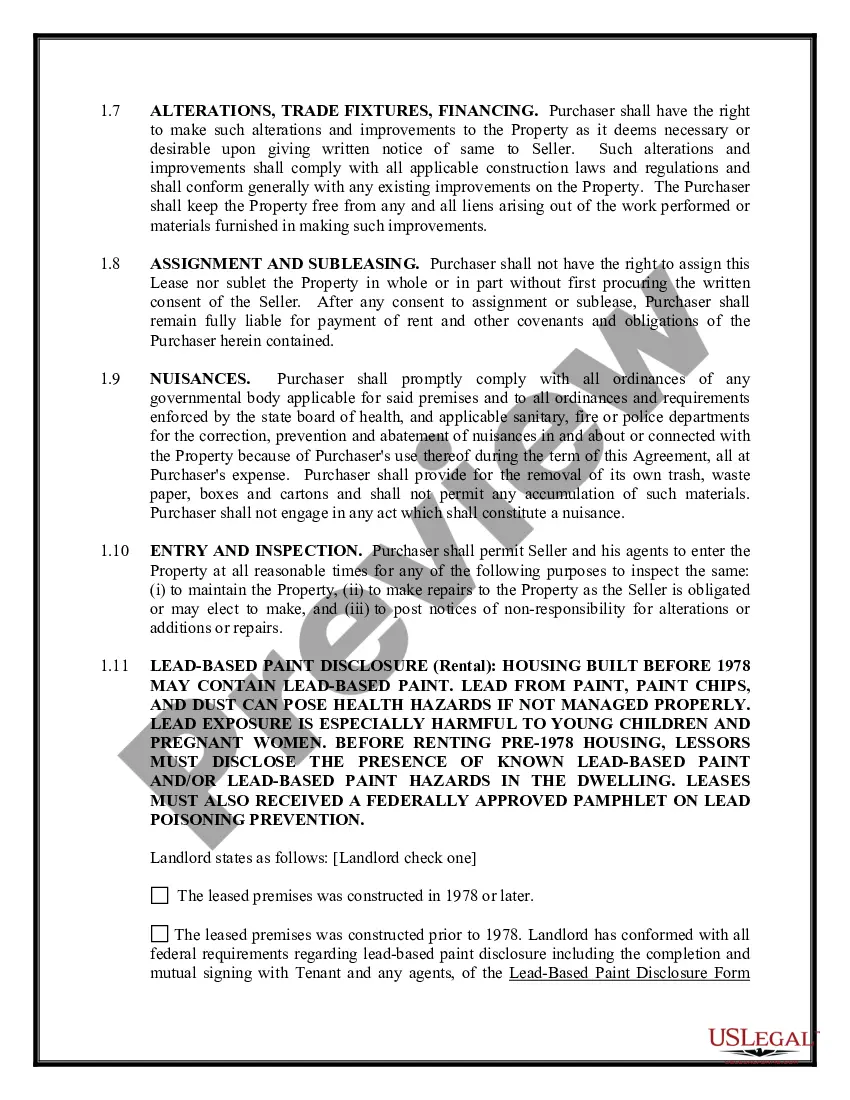
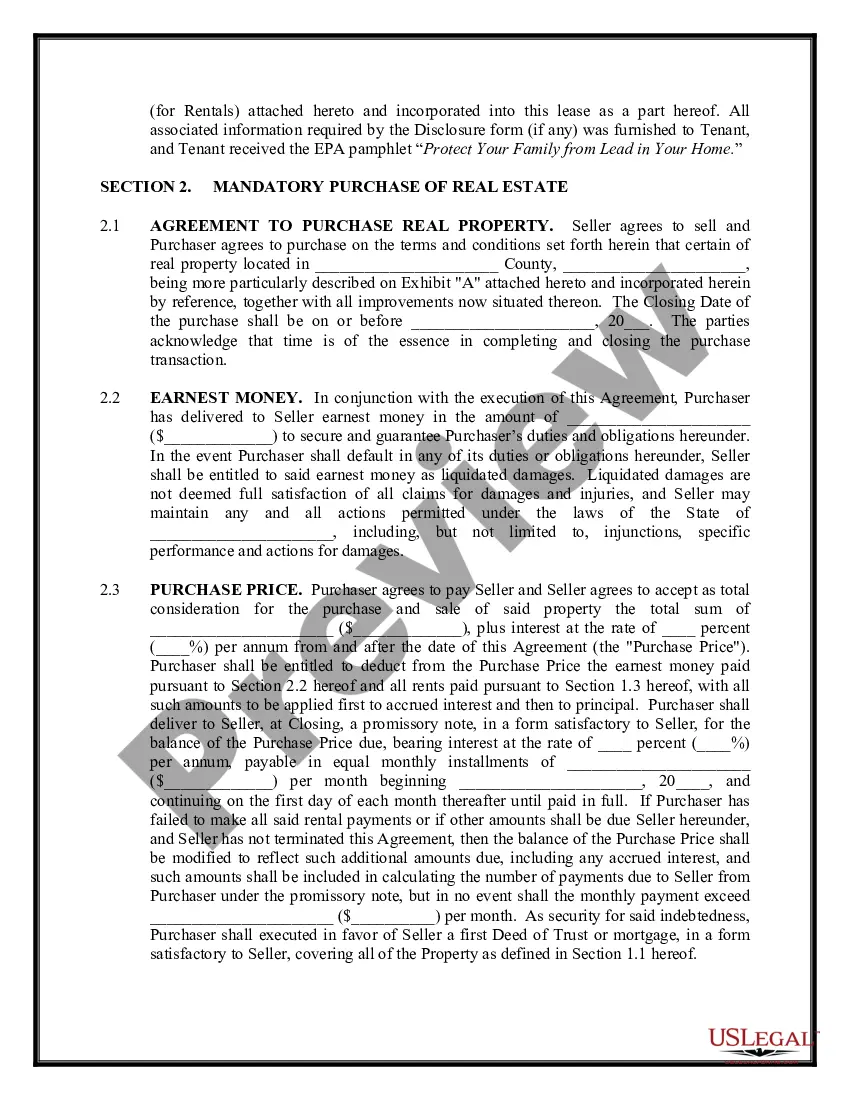
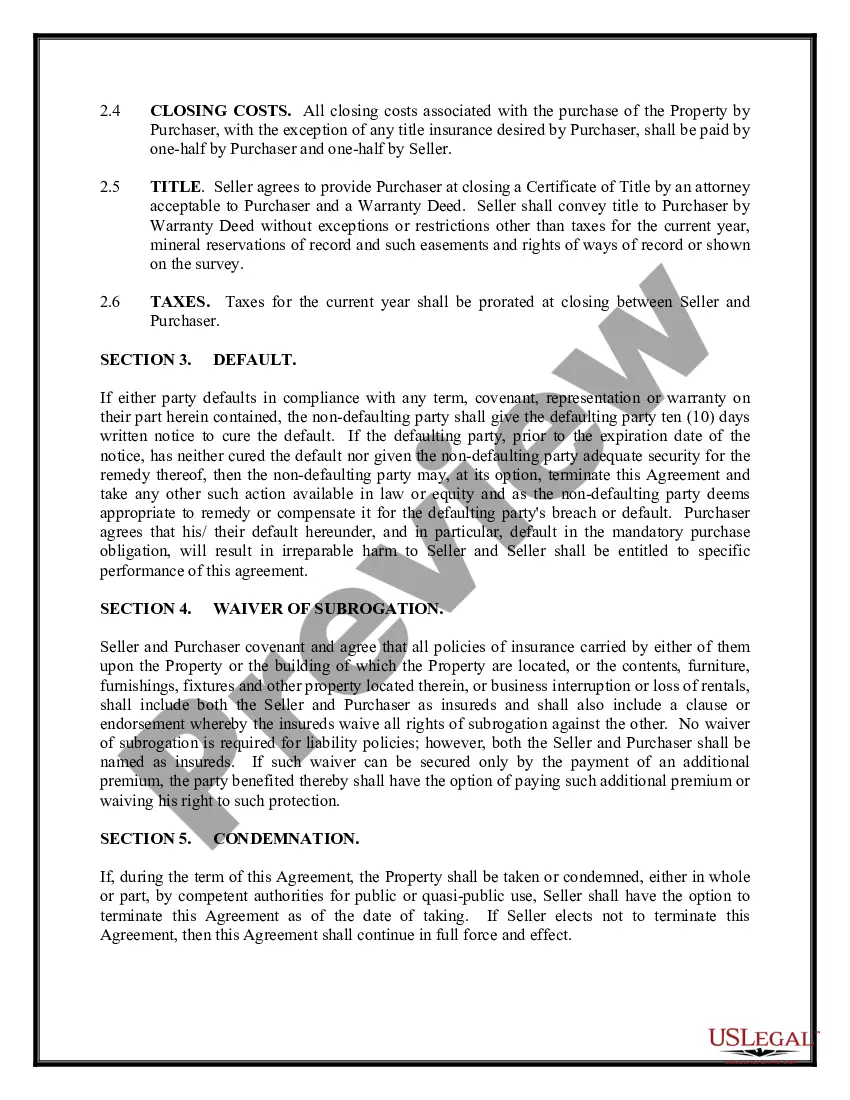
Arrendamiento Bienes Forma In Virginia
Description

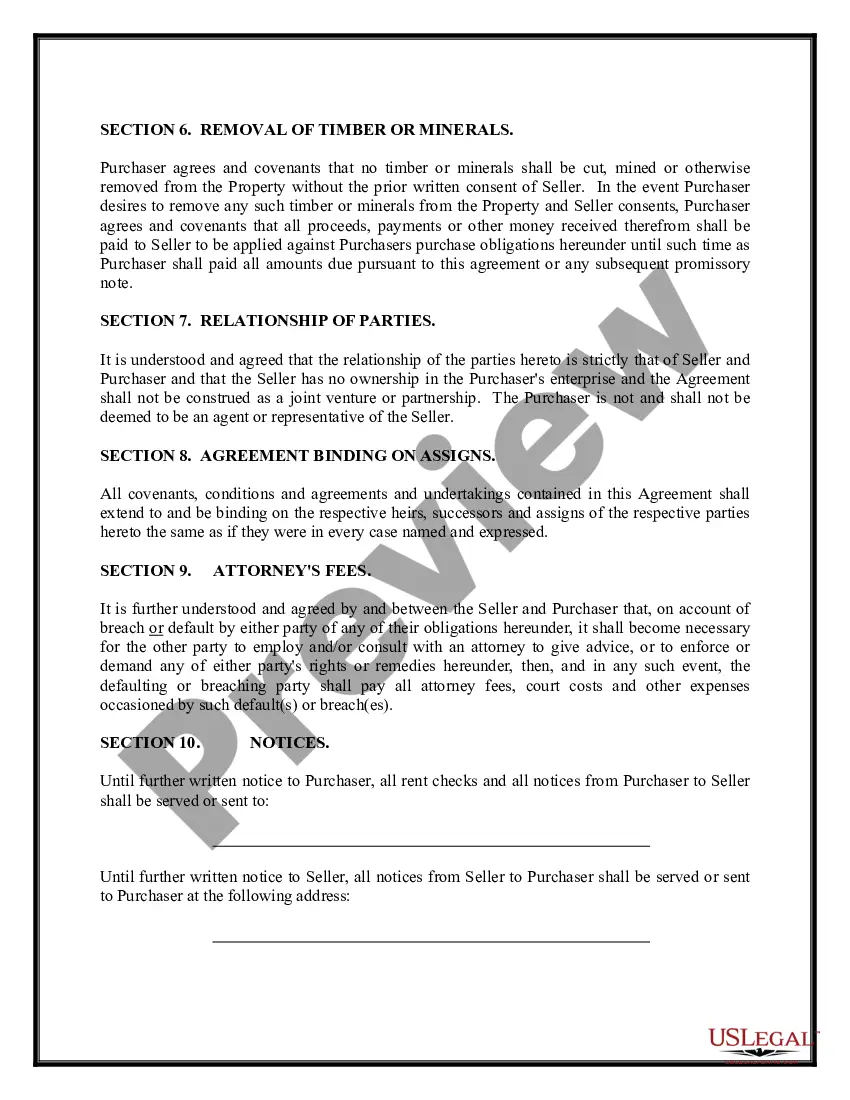
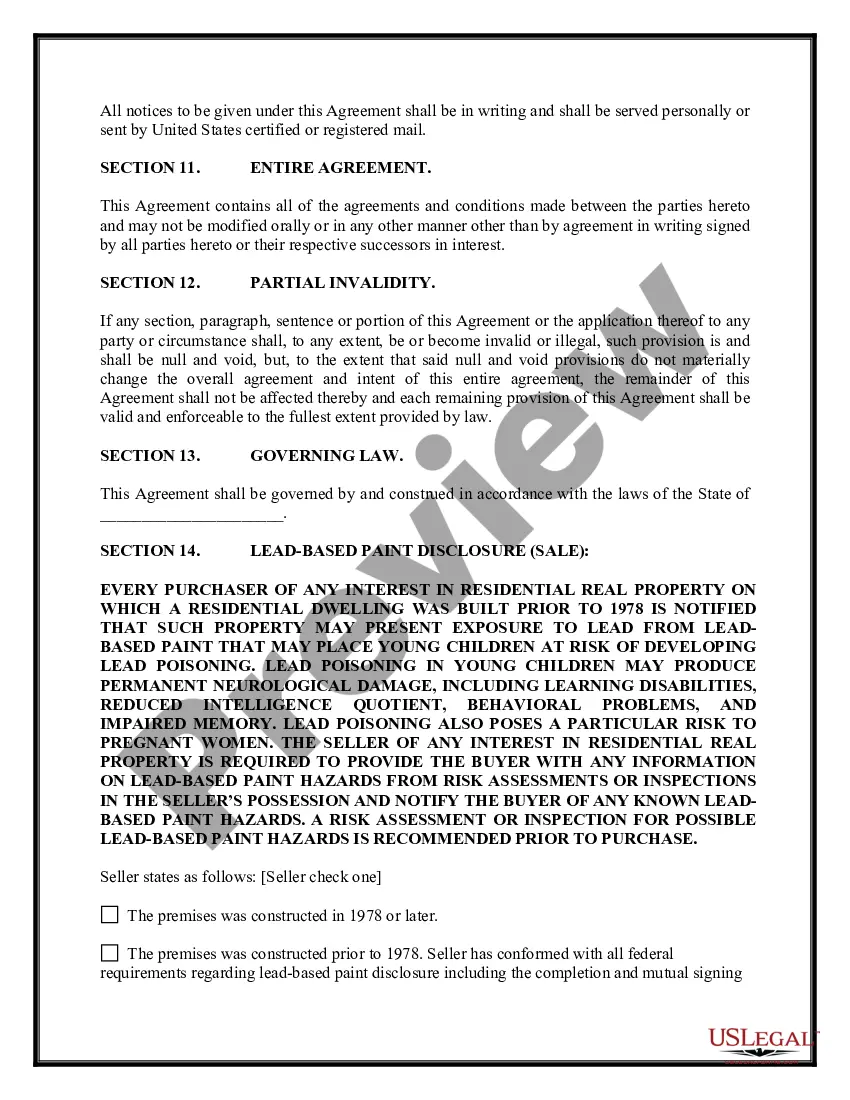
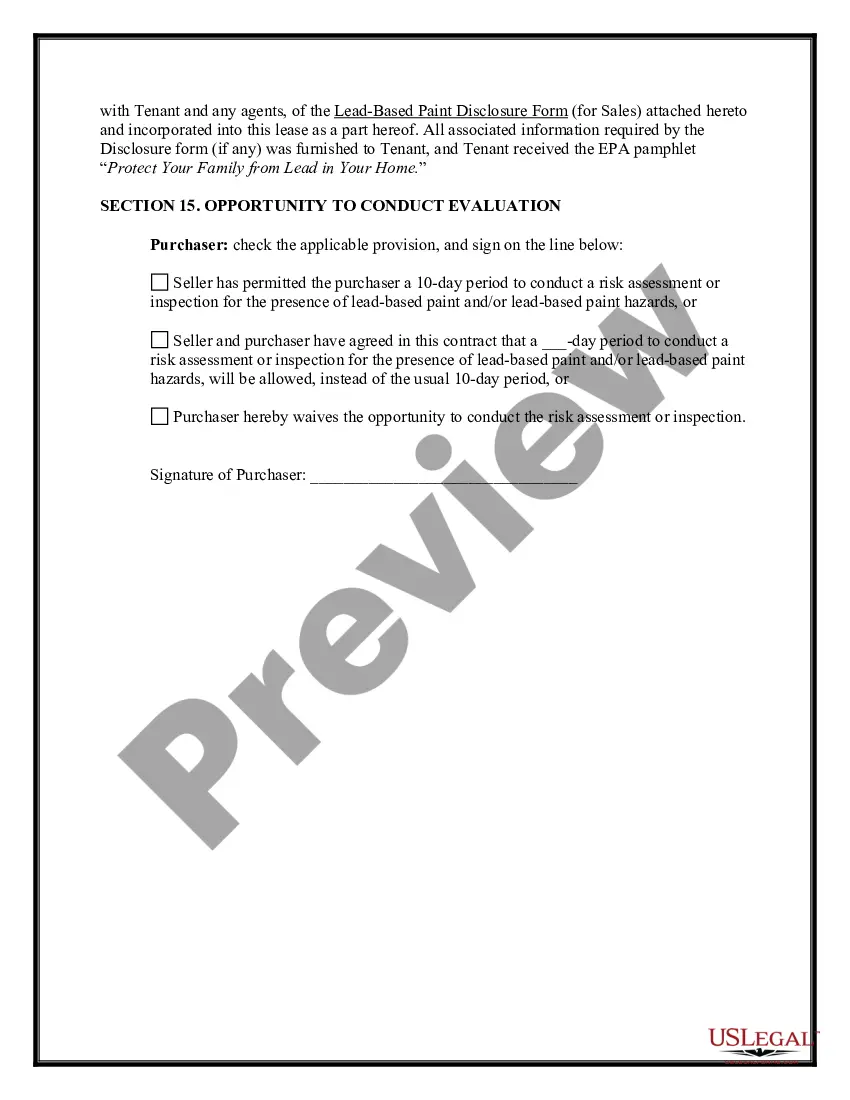
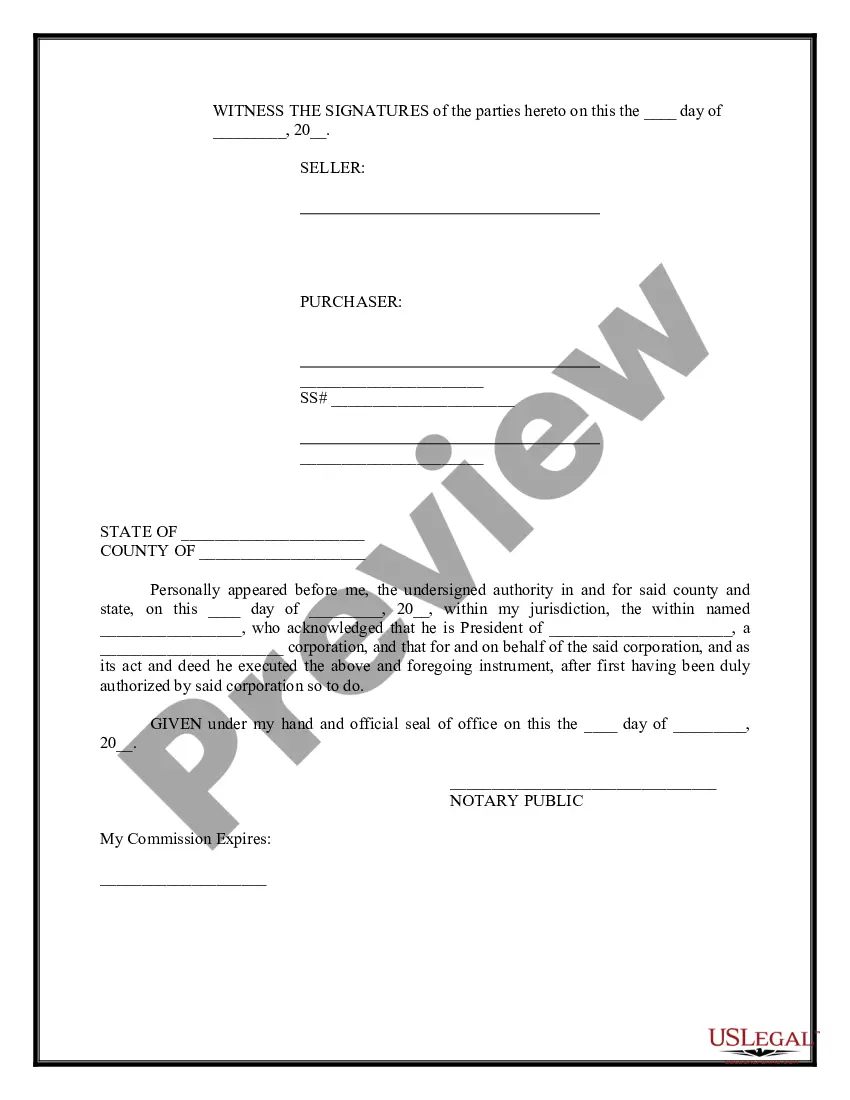
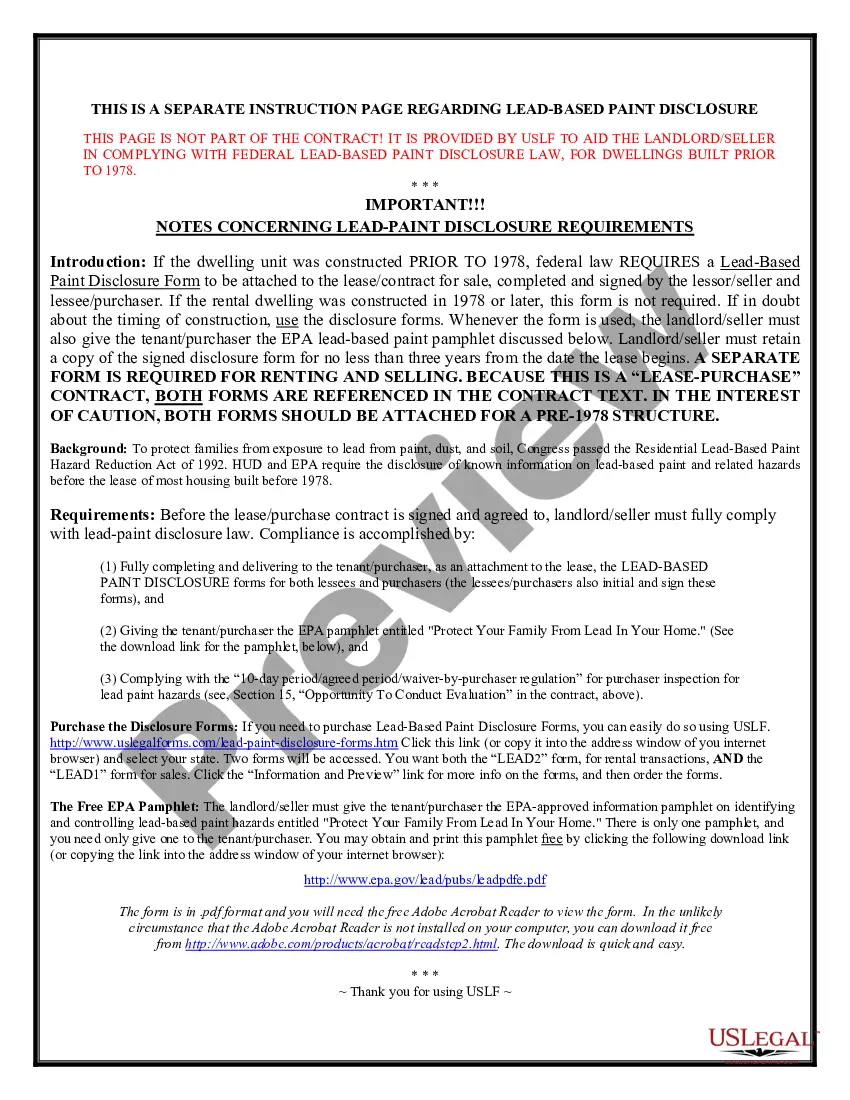
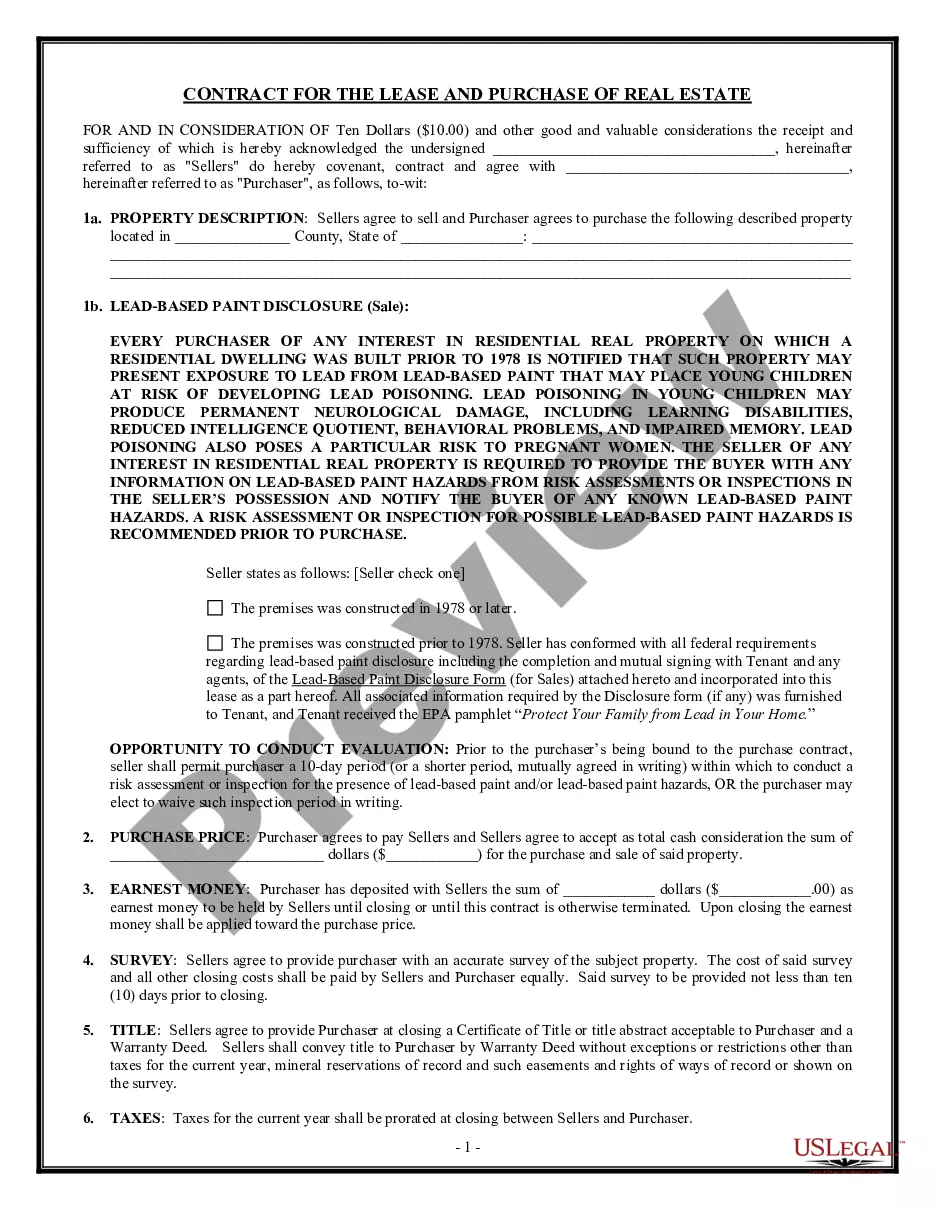
Get your form ready online
Our built-in tools help you complete, sign, share, and store your documents in one place.
Make edits, fill in missing information, and update formatting in US Legal Forms—just like you would in MS Word.
Download a copy, print it, send it by email, or mail it via USPS—whatever works best for your next step.
Sign and collect signatures with our SignNow integration. Send to multiple recipients, set reminders, and more. Go Premium to unlock E-Sign.
If this form requires notarization, complete it online through a secure video call—no need to meet a notary in person or wait for an appointment.
We protect your documents and personal data by following strict security and privacy standards.

Make edits, fill in missing information, and update formatting in US Legal Forms—just like you would in MS Word.

Download a copy, print it, send it by email, or mail it via USPS—whatever works best for your next step.

Sign and collect signatures with our SignNow integration. Send to multiple recipients, set reminders, and more. Go Premium to unlock E-Sign.

If this form requires notarization, complete it online through a secure video call—no need to meet a notary in person or wait for an appointment.

We protect your documents and personal data by following strict security and privacy standards.
Looking for another form?




Form popularity
FAQ
Usually, the Sheriff will let you gather up a few personal belongings and then make you leave. The Sheriff then will change the locks, or allow the landlord to change the locks, and give you 24 hours to contact the Sheriff to re-enter the premises and remove the rest of your belongings.
The landlord must wait until a court order is issued. Any statement in a lease that says you give up (waive) your rights to the court eviction process is not enforceable.
No matter what the reason, a landlord must give you a written notice in order to evict. However, you do not have to move just because a landlord has given written notice. The landlord must still follow a legal process, and you have the opportunity to defend against it.
Virginia Eviction Process Timeline Steps of the Eviction ProcessAverage Timeline Issuing an Official Notice 5-30 days Issuance and Service of Summons and Complaint 10 days before the hearing Court Hearing and Judgment 21-30 days Issuance of Writ of Eviction 10 days2 more rows •
If you fail to show, your landlord will get a default judgment against you. Basically the eviction will be granted. That's the long short of it. Also, you won't have any ability to object to the time frame during which you must be our. However, you would have more than a day.
It is possible to draft your own lease agreement, but you are leaving yourself open to issues.
Once it is signed by both the landlord and the tenant, the lease is a legally binding contract. If you have any questions about anything in this lease, you should talk to an attorney about the lease before you sign it.
Here's a list of standard fields that you should include in your lease agreement: Tenant information. Include each tenant's full name and contact information. Rental property description. Security deposit. Monthly rent amount. Utilities. Lease term. Policies. Late fees.
Unlike in Washington DC, Virginia landlords do not need a special license. Renting a unit in Virginia is considered a business like any other, requiring only a basic business license. Forms can be found on local websites for each county.
Virginia is generally considered to be a landlord-friendly state. Virginia has laws that protect landlords from tenant abuse and provide them with the right to evict tenants who do not comply with their lease agreement.