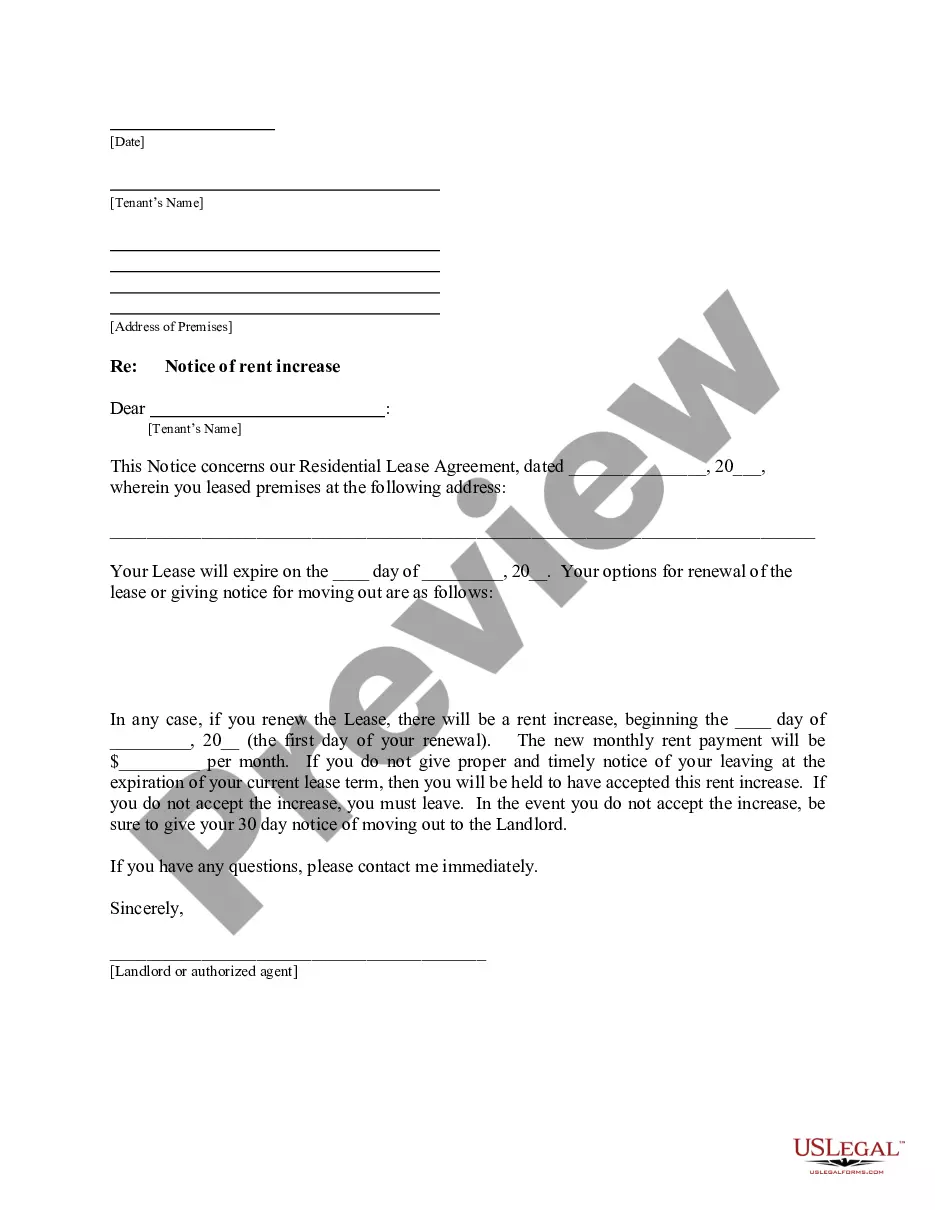
Arrendamiento Bienes Formulario In Texas
Description

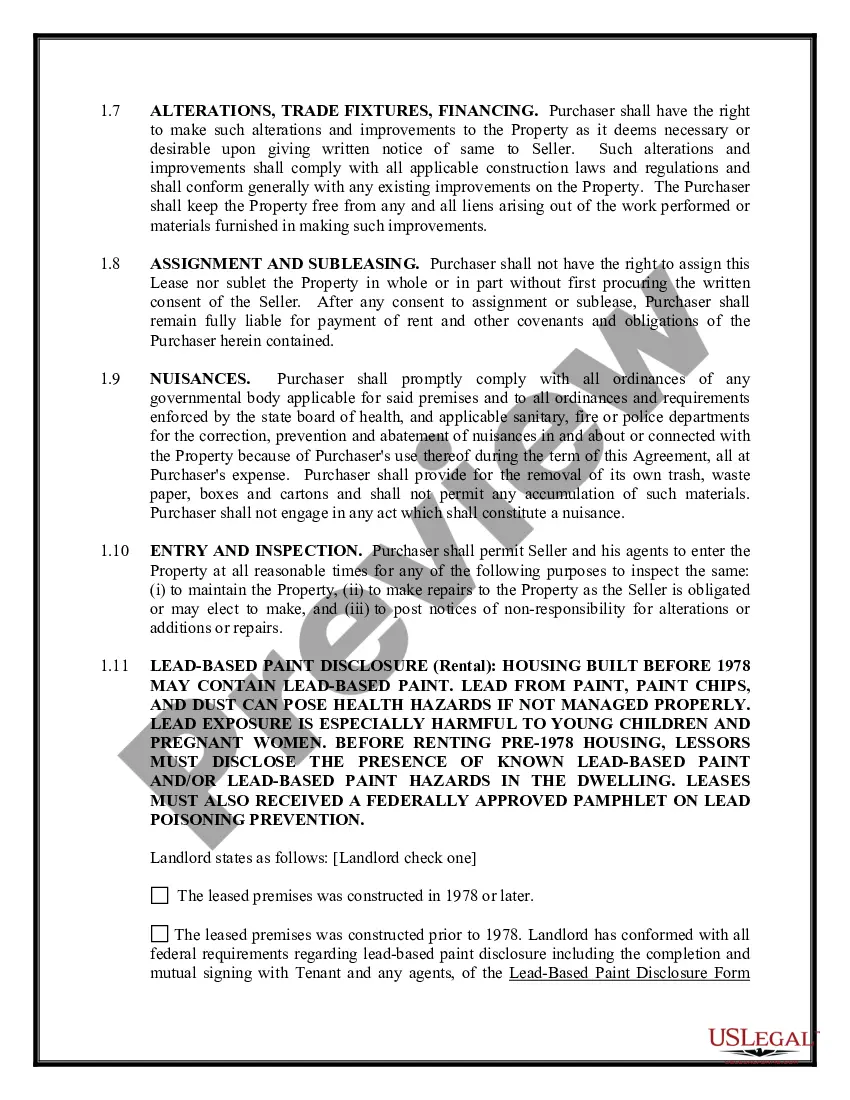
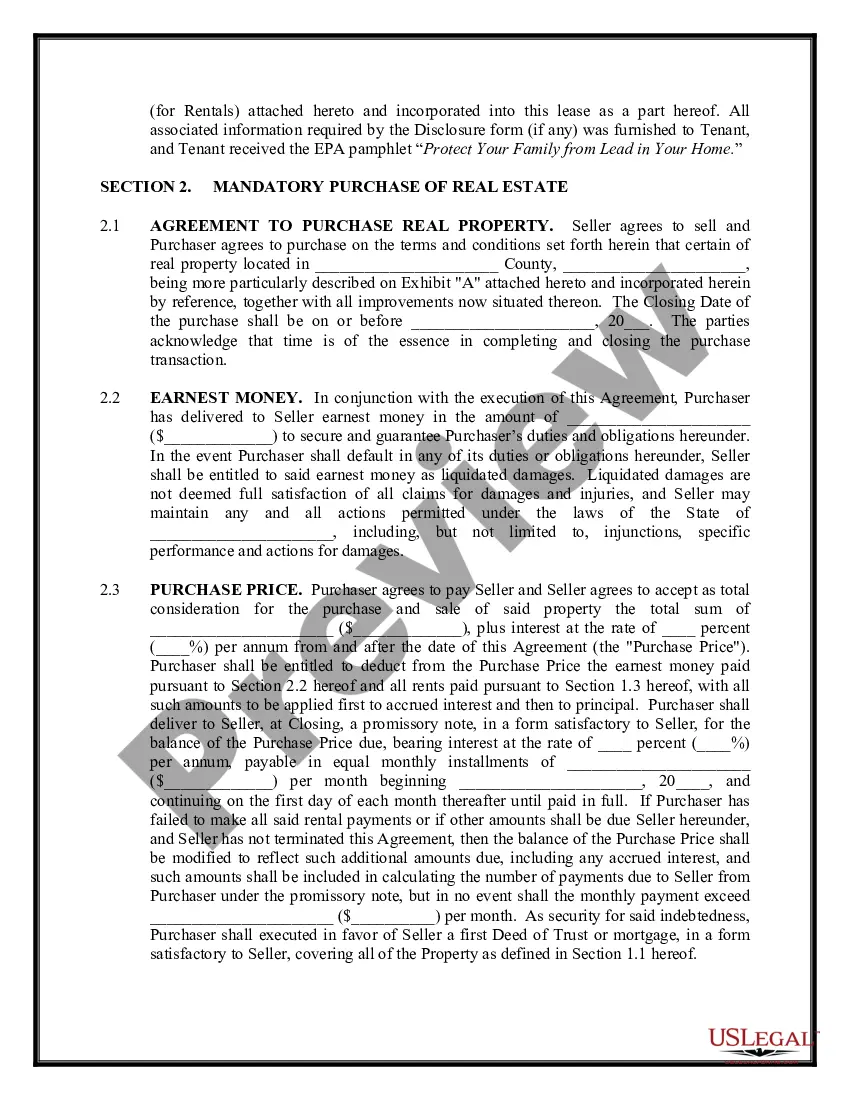
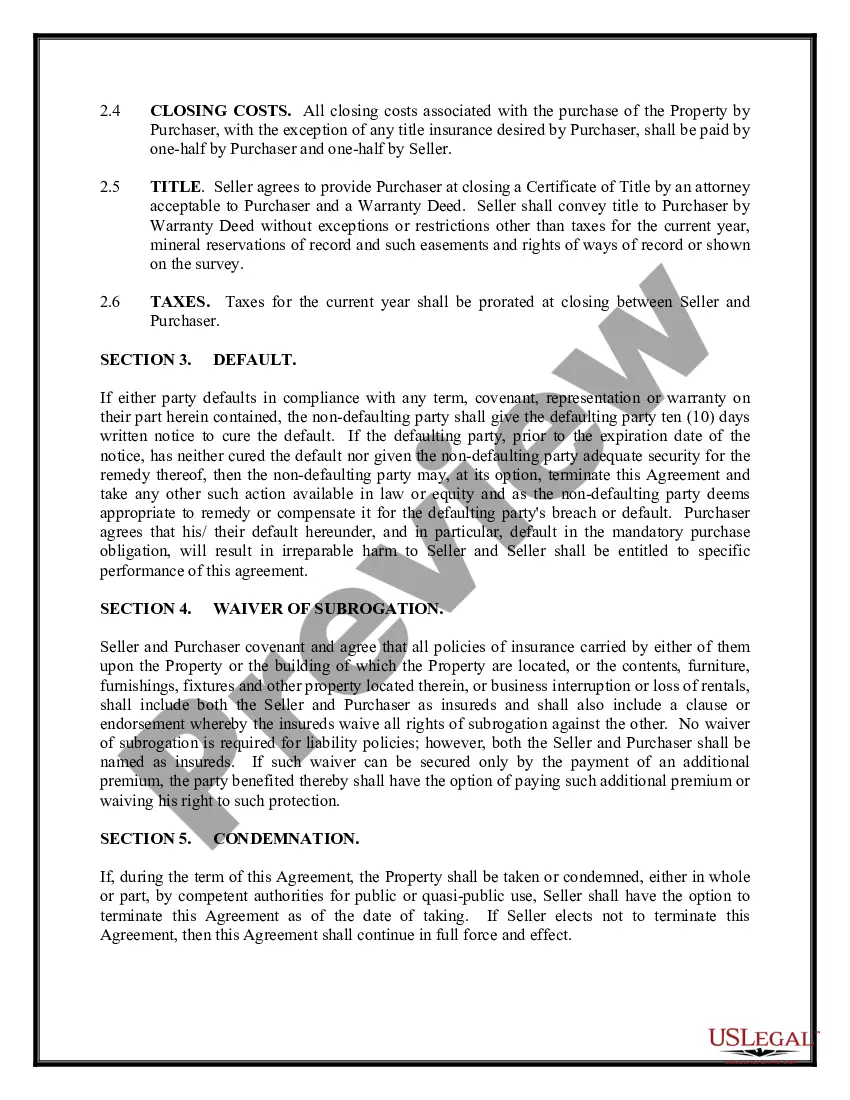
Get your form ready online
Our built-in tools help you complete, sign, share, and store your documents in one place.
Make edits, fill in missing information, and update formatting in US Legal Forms—just like you would in MS Word.
Download a copy, print it, send it by email, or mail it via USPS—whatever works best for your next step.
Sign and collect signatures with our SignNow integration. Send to multiple recipients, set reminders, and more. Go Premium to unlock E-Sign.
If this form requires notarization, complete it online through a secure video call—no need to meet a notary in person or wait for an appointment.
We protect your documents and personal data by following strict security and privacy standards.

Make edits, fill in missing information, and update formatting in US Legal Forms—just like you would in MS Word.

Download a copy, print it, send it by email, or mail it via USPS—whatever works best for your next step.

Sign and collect signatures with our SignNow integration. Send to multiple recipients, set reminders, and more. Go Premium to unlock E-Sign.

If this form requires notarization, complete it online through a secure video call—no need to meet a notary in person or wait for an appointment.

We protect your documents and personal data by following strict security and privacy standards.
Looking for another form?






Form popularity
FAQ
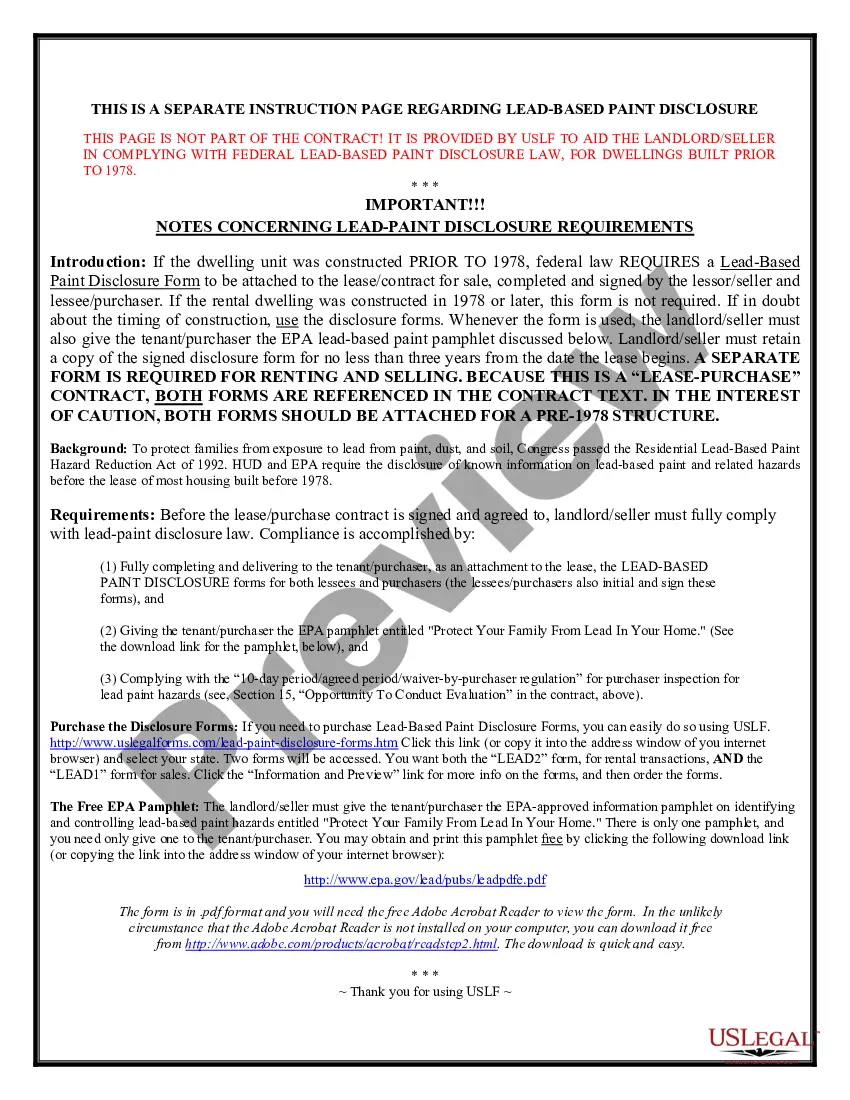
Here's a list of standard fields that you should include in your lease agreement: Tenant information. Include each tenant's full name and contact information. Rental property description. Security deposit. Monthly rent amount. Utilities. Lease term. Policies. Late fees.
At the bare minimum, a rental agreement or lease should identify the leased property, state the names of all parties to the lease, the names of all occupants, the beginning date, when the contract expires, the amount of rent, when rent is due, when rent is late, and what happens if the tenant stays in the property ...
To make a living trust in Texas, you: Choose whether to make an individual or shared trust. Decide what property to include in the trust. Choose a successor trustee. Decide who will be the trust's beneficiaries—that is, who will get the trust property. Create the trust document.
State-Specific Regulations. States dictate whether lease agreements need notarization. In some areas, like Ohio and Georgia, certain long-term leases require notarization to be enforceable. Texas and California, in contrast, typically don't require notarization for standard residential leases.
How to write a Texas lease agreement Begin by including the names and contact information of both the landlord and tenant. Describe the rental property, including its address and any unique features. Specify the lease term, including the move-in and move-out dates.
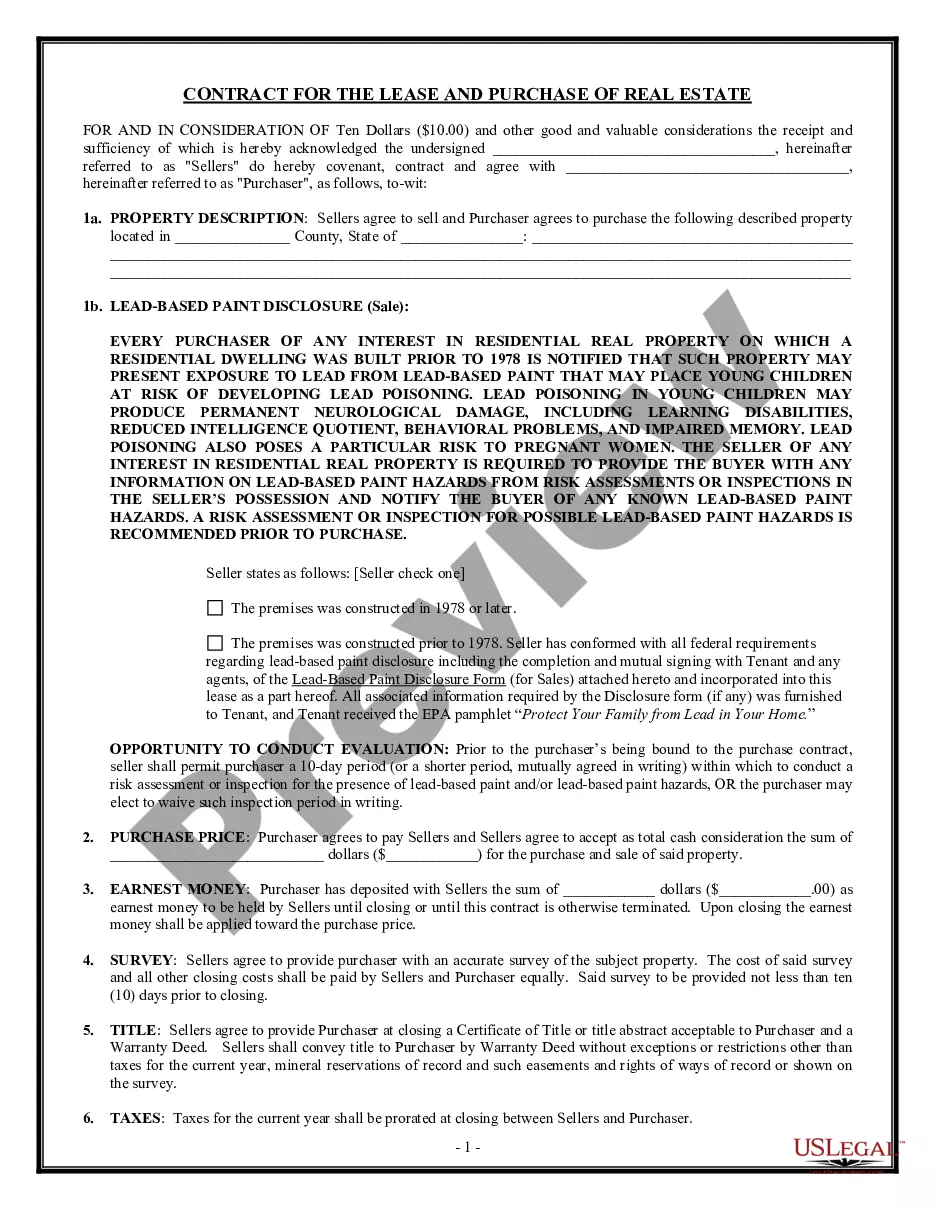
Before your landlord can file an eviction lawsuit against you, they must give you a written notice to vacate. This notice must give you at least three days to move out, unless your lease allows for a shorter time. (Many leases only require a one day notice.)
To remove a holdover tenant in Texas, the landlord must give the tenant a three-day notice to vacate. If the tenant does not move out by the end of the three-day period, then the landlord can file an eviction lawsuit with the court. (Tex. Prop.
Notice to Vacate The notice must include: The amount of time the tenant has to move out or fix a certain problem before an eviction suit is filed. This must be at least 3 days unless the lease specifically states otherwise.
Until a writ of possession is issued, the tenant can remain in their home. Step 1: Written Notice to Vacate. Unless the lease agreement says otherwise, the landlord must give the tenant at least 3 days to move out. Step 2: Filing of Eviction Suit. Step 3: Judgment. Step 4 (optional): Appeal. Step 5: Writ of Possession.
Unless the lease agreement says otherwise, the landlord must give the tenant at least 3 days to move out. They cannot file an eviction suit before they give this notice in writing.