Real Estate Clause In A Will In Tarrant
Description

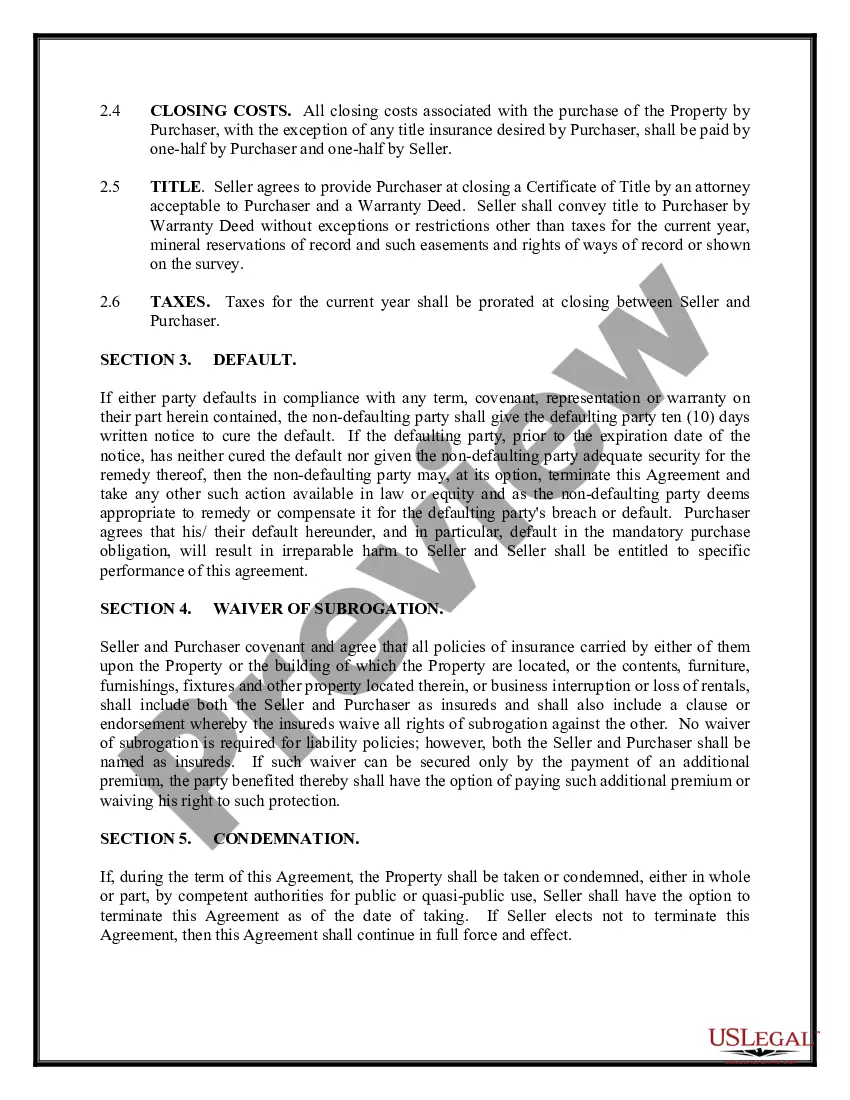
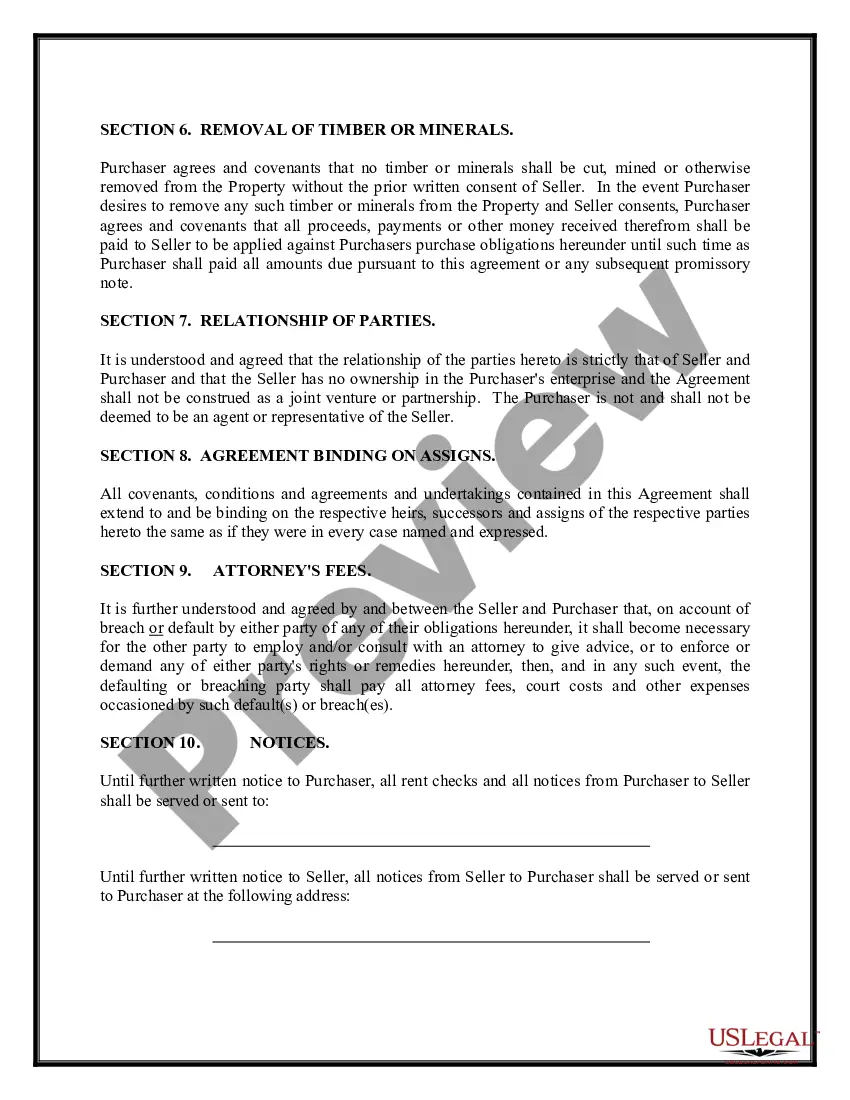
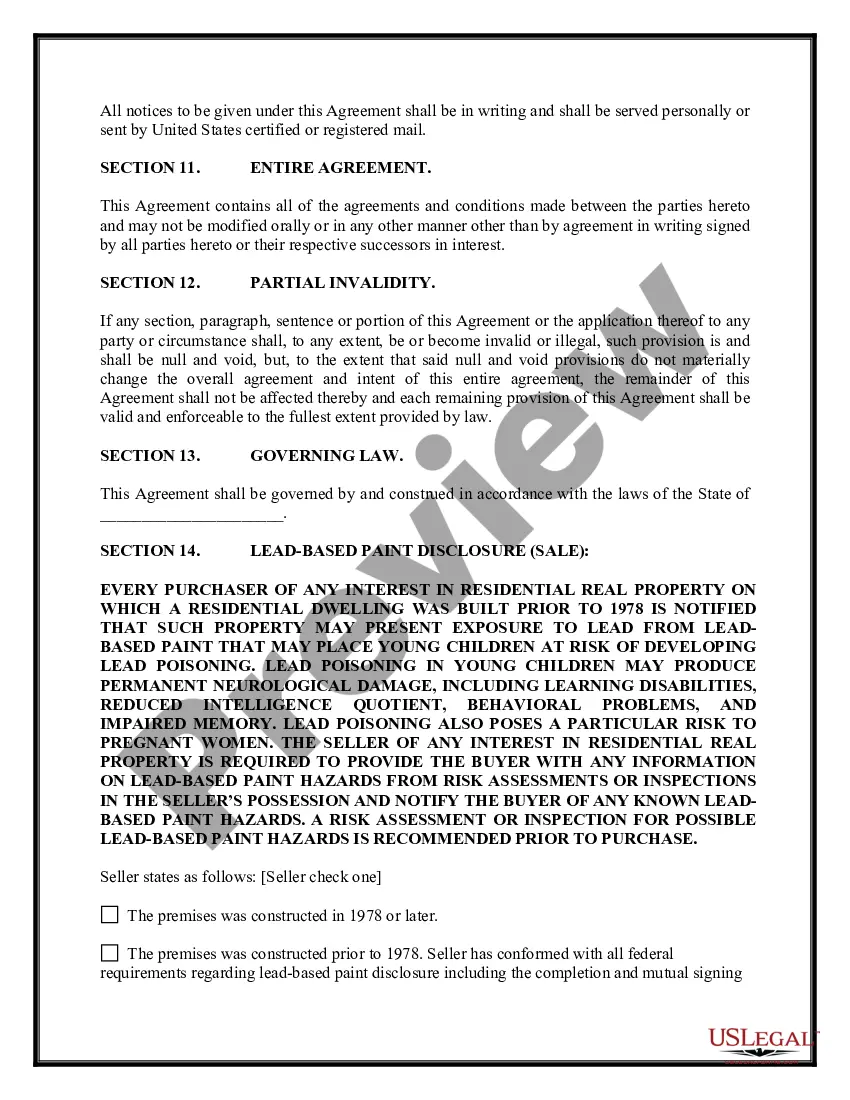
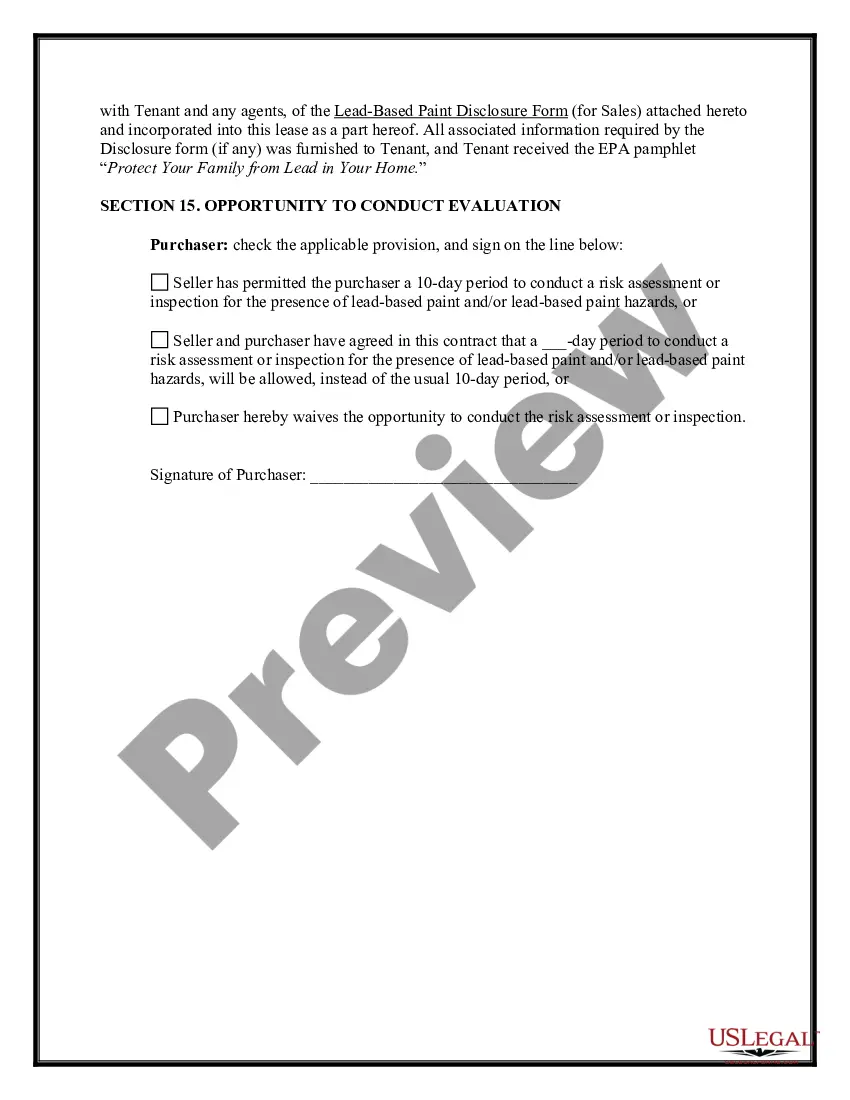
Get your form ready online
Our built-in tools help you complete, sign, share, and store your documents in one place.
Make edits, fill in missing information, and update formatting in US Legal Forms—just like you would in MS Word.
Download a copy, print it, send it by email, or mail it via USPS—whatever works best for your next step.
Sign and collect signatures with our SignNow integration. Send to multiple recipients, set reminders, and more. Go Premium to unlock E-Sign.
If this form requires notarization, complete it online through a secure video call—no need to meet a notary in person or wait for an appointment.
We protect your documents and personal data by following strict security and privacy standards.

Make edits, fill in missing information, and update formatting in US Legal Forms—just like you would in MS Word.

Download a copy, print it, send it by email, or mail it via USPS—whatever works best for your next step.

Sign and collect signatures with our SignNow integration. Send to multiple recipients, set reminders, and more. Go Premium to unlock E-Sign.

If this form requires notarization, complete it online through a secure video call—no need to meet a notary in person or wait for an appointment.

We protect your documents and personal data by following strict security and privacy standards.
Looking for another form?







Form popularity
FAQ
When the owner of a house dies and there is a Will, the house will pass to the beneficiary named in the document. Once Probate court has validated the Will, the Executor can assist with transferring the property to the heir. This is typically the simplest way to transfer the home after an owner dies.
The bequest clause directs who receives specific property or assets and how it will be distributed. The residuary clause indicates how any remaining property or assets that are not specifically bequeathed to individuals will be distributed.
Appointment of Executor Clause. An appointment of executor clause names the executor, a key part of your will. Digital Assets Clause. In today's digital age, it's important to consider your digital assets when creating your will. Debt Clause & Tax-Appointment Clause. No-Contest Clause. Attestation Clause. Trust Provisions.
Texas law allows executors to sell property without the beneficiaries' approval, which can be necessary to keep the estate solvent. However, this authority comes with the responsibility of ensuring that the sale is conducted in the best interest of the estate.
Types of Property Exempt from Probate The asset is held in joint tenancy, such as a home where two people's names are on the deed; Community property with the right of survivorship; Payable-on-death bank accounts; Proceeds and benefits that are payable via a life insurance policy; and.
Top five mistakes when writing a Will Failing to have the Will witnessed correctly. All Wills need to be signed in the presence of two independent witnesses, who in turn must sign the document. Creating a DIY Will. Forgetting key assets. Not updating the Will after your circumstances change. Not writing one at all.
Under Texas law, there are several possible grounds for proving a will invalid, including lack of capacity, undue influence, fraud, mistake, and improper execution.
If the court finds that fraud or undue influence were involved in the creation of your will, it will be deemed invalid. Common situations could include: A nonfamily caregiver forcing the testator to leave them an inheritance.
A written will, or a clause or devise in a written will, may not be revoked, except by a subsequent will, codicil, or declaration in writing that is executed with like formalities, or by the testator destroying or canceling the same, or causing it to be destroyed or canceled in the testator's presence.