Forfeiture Clause Real Estate In Suffolk
Description

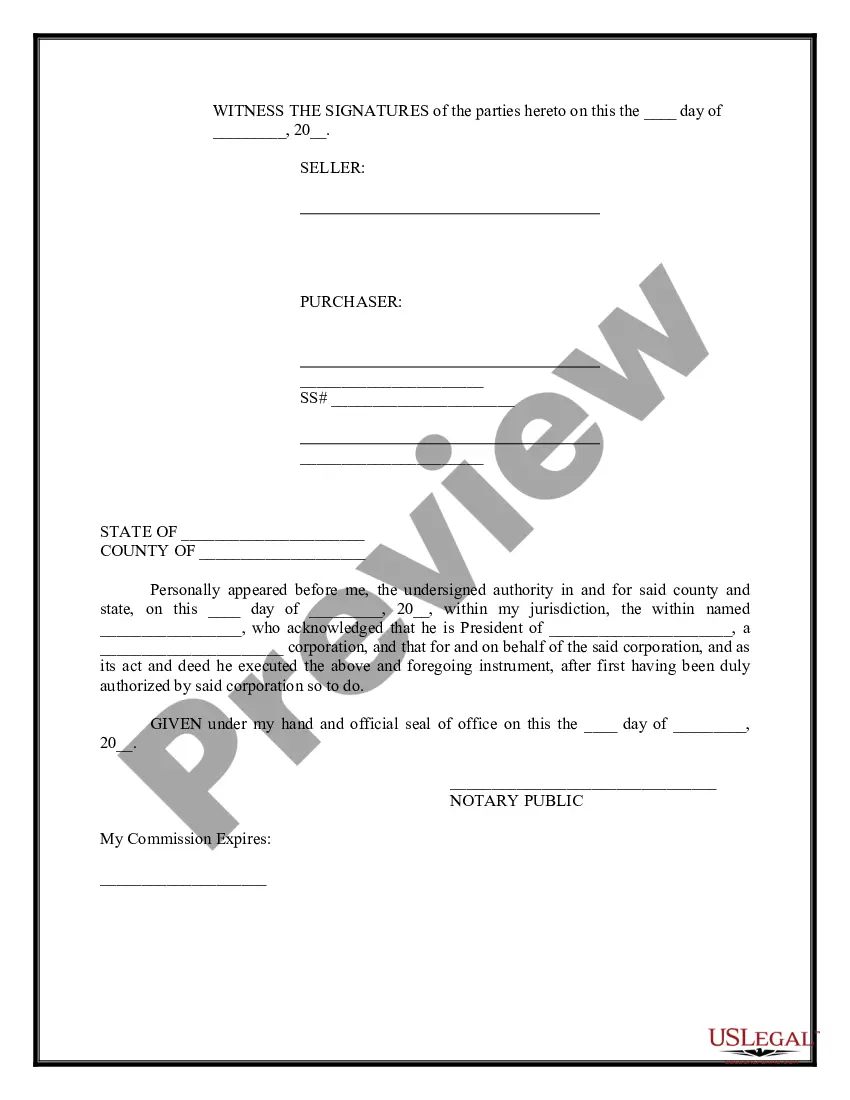
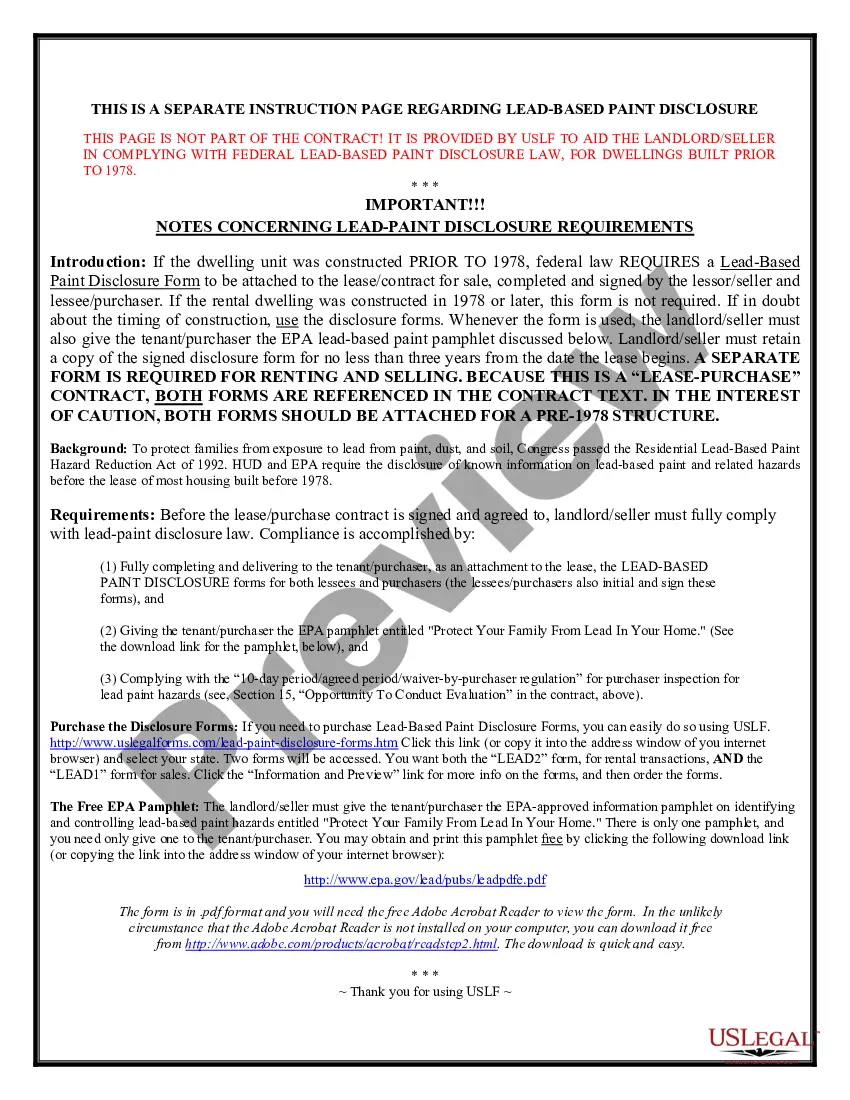
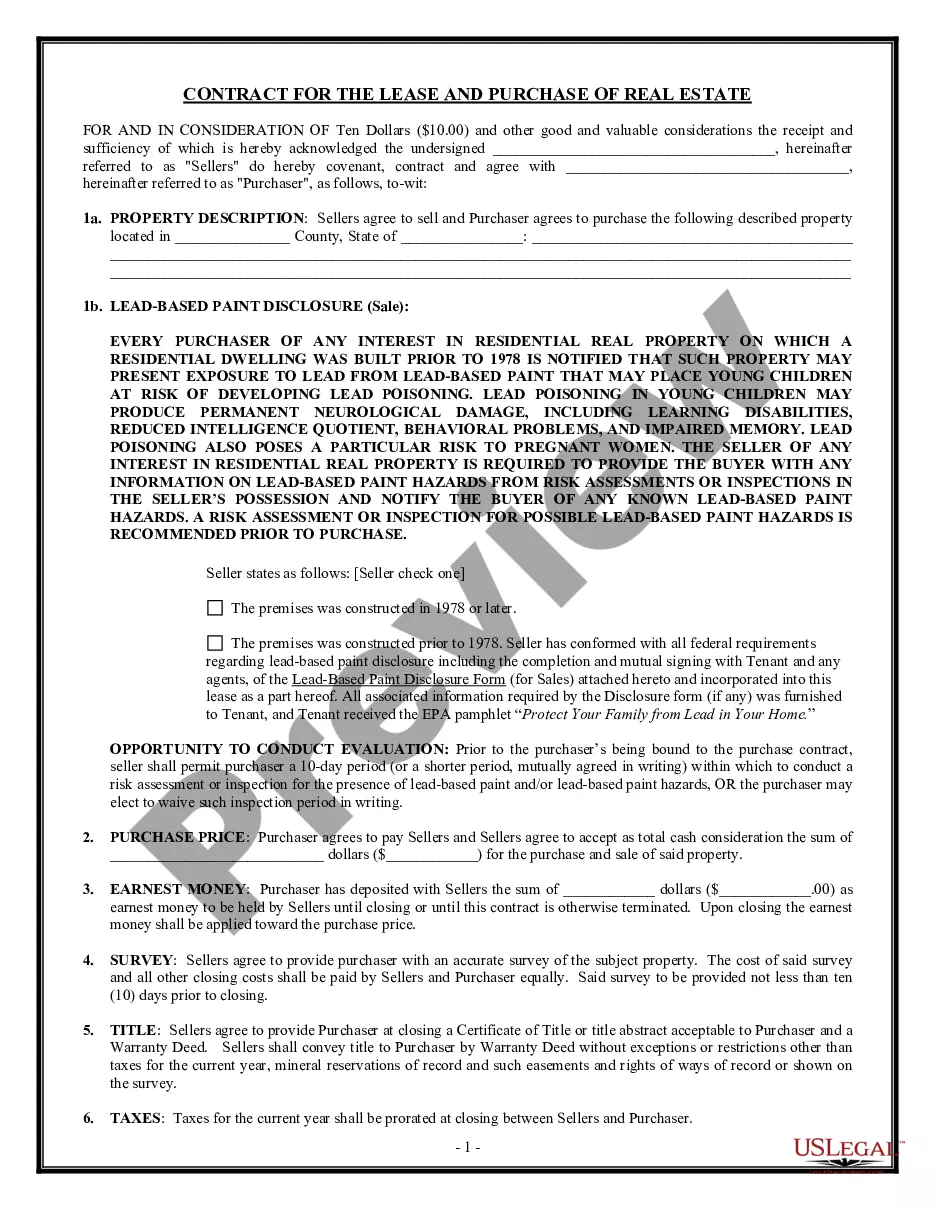
Get your form ready online
Our built-in tools help you complete, sign, share, and store your documents in one place.
Make edits, fill in missing information, and update formatting in US Legal Forms—just like you would in MS Word.
Download a copy, print it, send it by email, or mail it via USPS—whatever works best for your next step.
Sign and collect signatures with our SignNow integration. Send to multiple recipients, set reminders, and more. Go Premium to unlock E-Sign.
If this form requires notarization, complete it online through a secure video call—no need to meet a notary in person or wait for an appointment.
We protect your documents and personal data by following strict security and privacy standards.

Make edits, fill in missing information, and update formatting in US Legal Forms—just like you would in MS Word.

Download a copy, print it, send it by email, or mail it via USPS—whatever works best for your next step.

Sign and collect signatures with our SignNow integration. Send to multiple recipients, set reminders, and more. Go Premium to unlock E-Sign.

If this form requires notarization, complete it online through a secure video call—no need to meet a notary in person or wait for an appointment.

We protect your documents and personal data by following strict security and privacy standards.
Looking for another form?








Form popularity
FAQ
There is a long history in the common law to protect citizens against the government's arbitrary seizure of property. In creating the fourth amendment, the framers of the U.S. Constitution intended to protect citizens from officials who would use forfeiture laws to indiscriminately seize property.
There are three types of forfeiture under federal law: criminal forfeiture, civil judicial forfeiture, and administrative forfeiture.
Forfeit or forfeiture means losing a right, privilege, or property without compensation as a consequence of violating the law, breaching a legal obligation, failing to perform a contractual obligation or condition, or neglecting a legal duty. Under federal law, there are civil, criminal, and administrative forfeitures.
Forfeiture exception arises when a defendant, on trial for a narcotics crime, kills a witness scheduled to testify in the drug trial. defendant killed the witness, the court will deem the defendant to have forfeited the confrontation right and will overrule the defendant's confrontation objection.
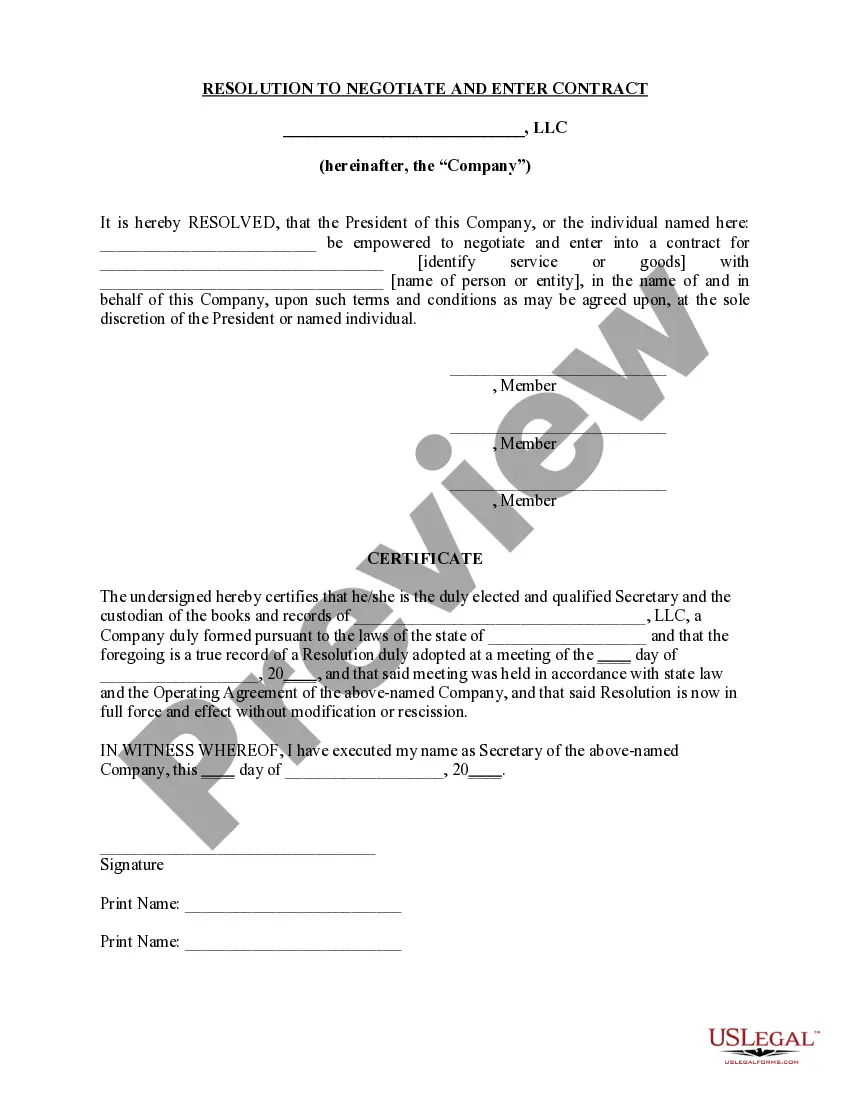
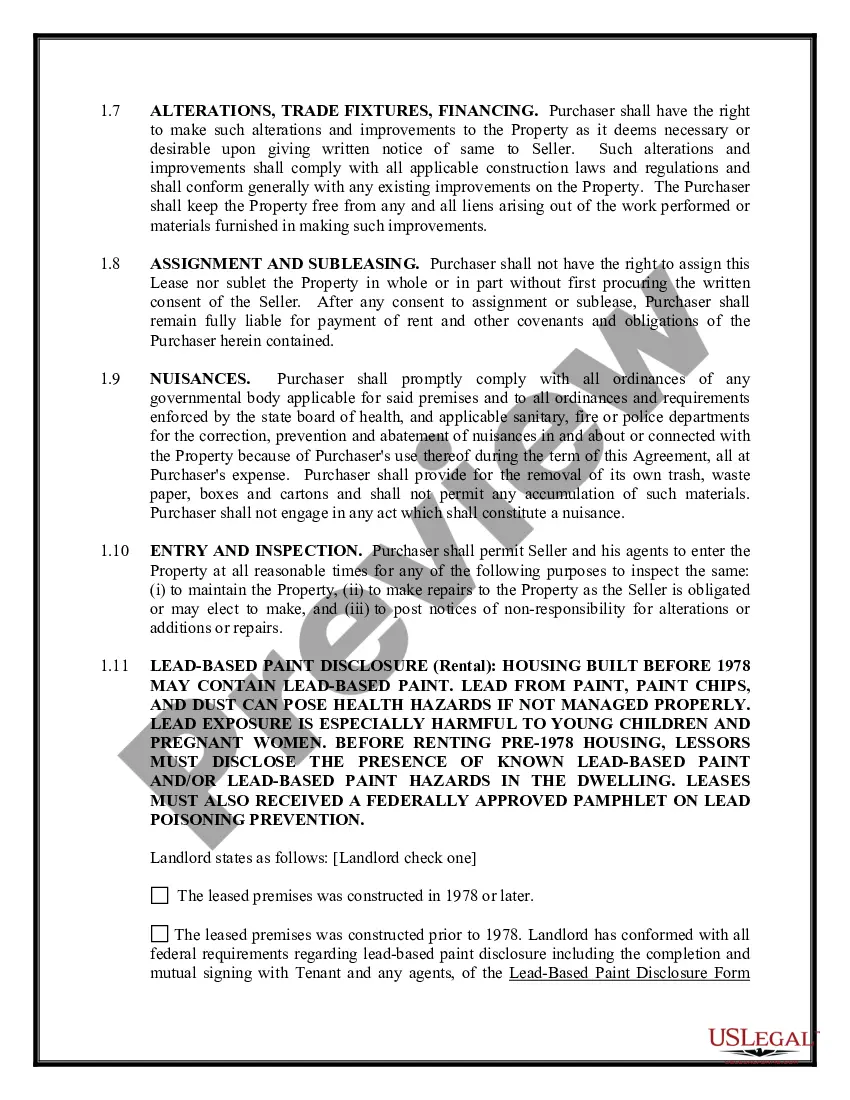
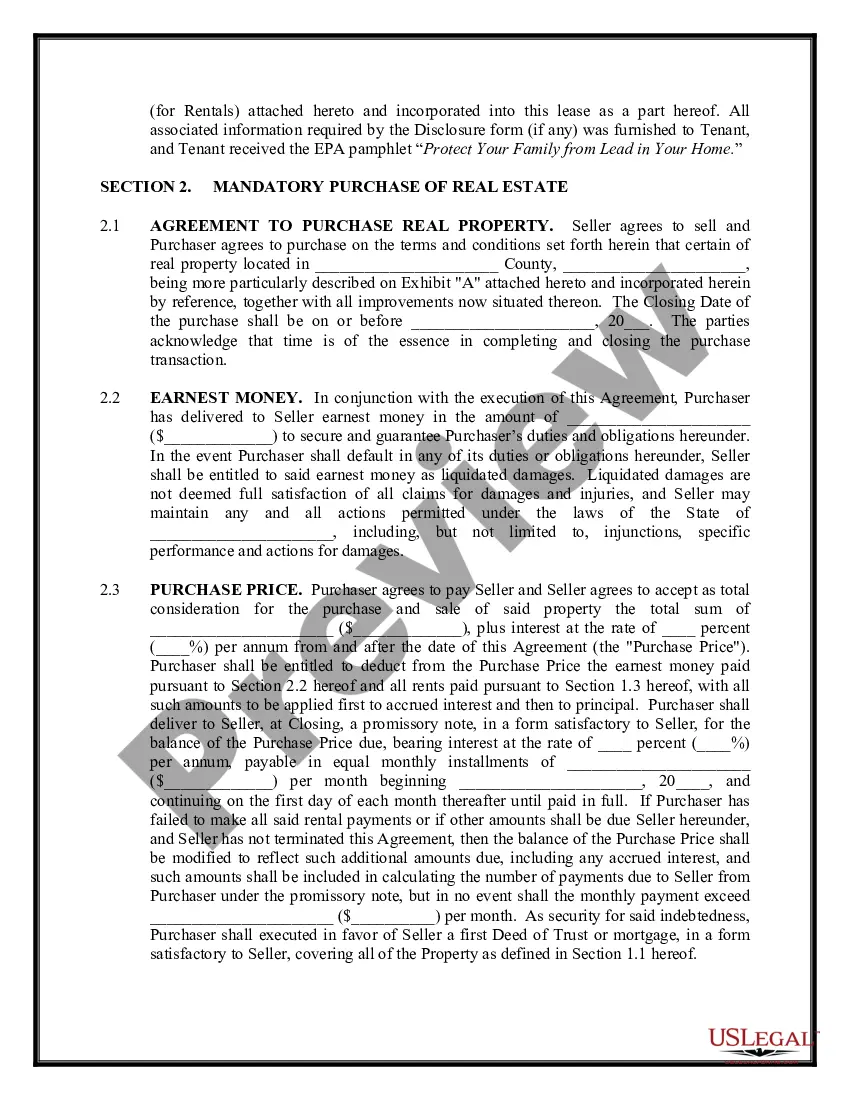
In some cases, if the employee leaves the company before a specified term has elapsed, they may be required to forfeit the company stock they were allocated. Many real estate contracts also contain a forfeiture clause.
TO CONTEST THE FORFEITURE OF THE PROPERTY IN UNITED STATES DISTRICT COURT YOU MUST FILE A CLAIM. Failure to file a claim may result in the seized property being forfeited to the United States. To file a claim: A claim must be filed with the agency that gave notice of the seizure and intent to forfeit.
In any civil forfeiture proceeding under a civil forfeiture statute in which the Government prevails, if the court finds that the claimant's assertion of an interest in the property was frivolous, the court may impose a civil fine on the claimant of an amount equal to 10 percent of the value of the forfeited property, ...