Assignment Clause Real Estate For Sale In Suffolk
Description

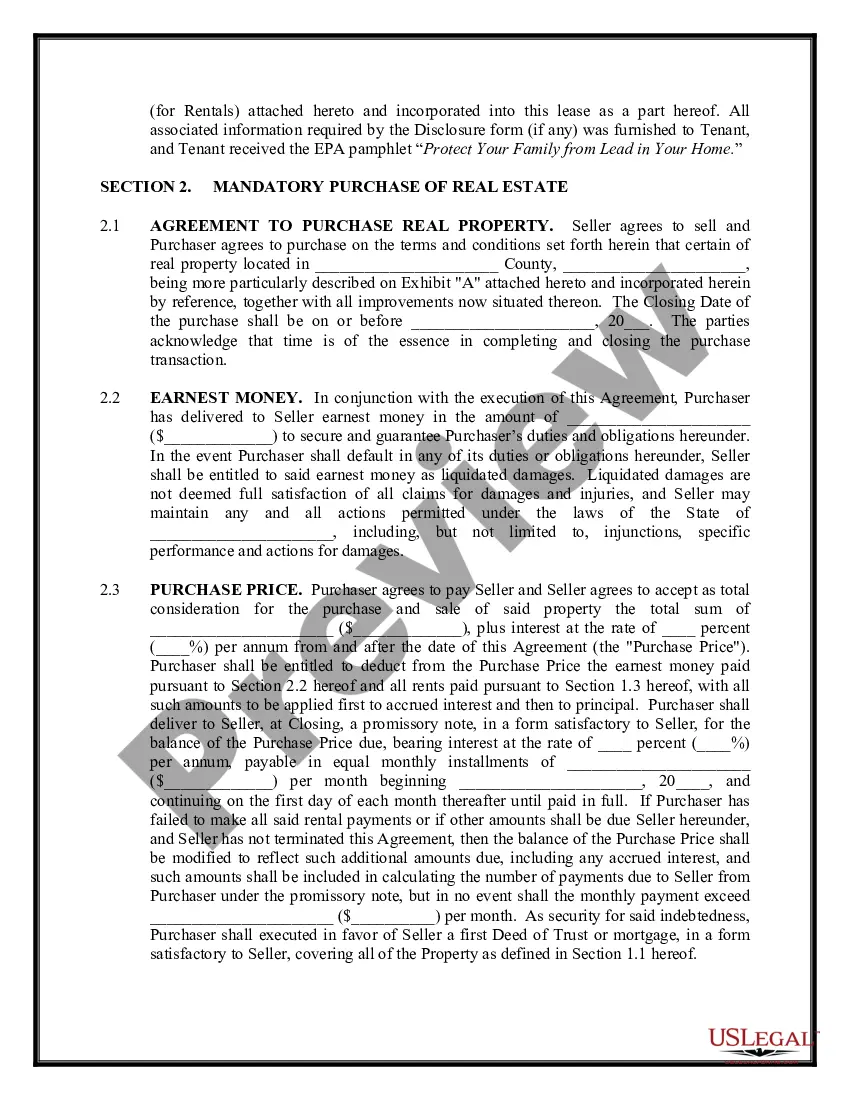
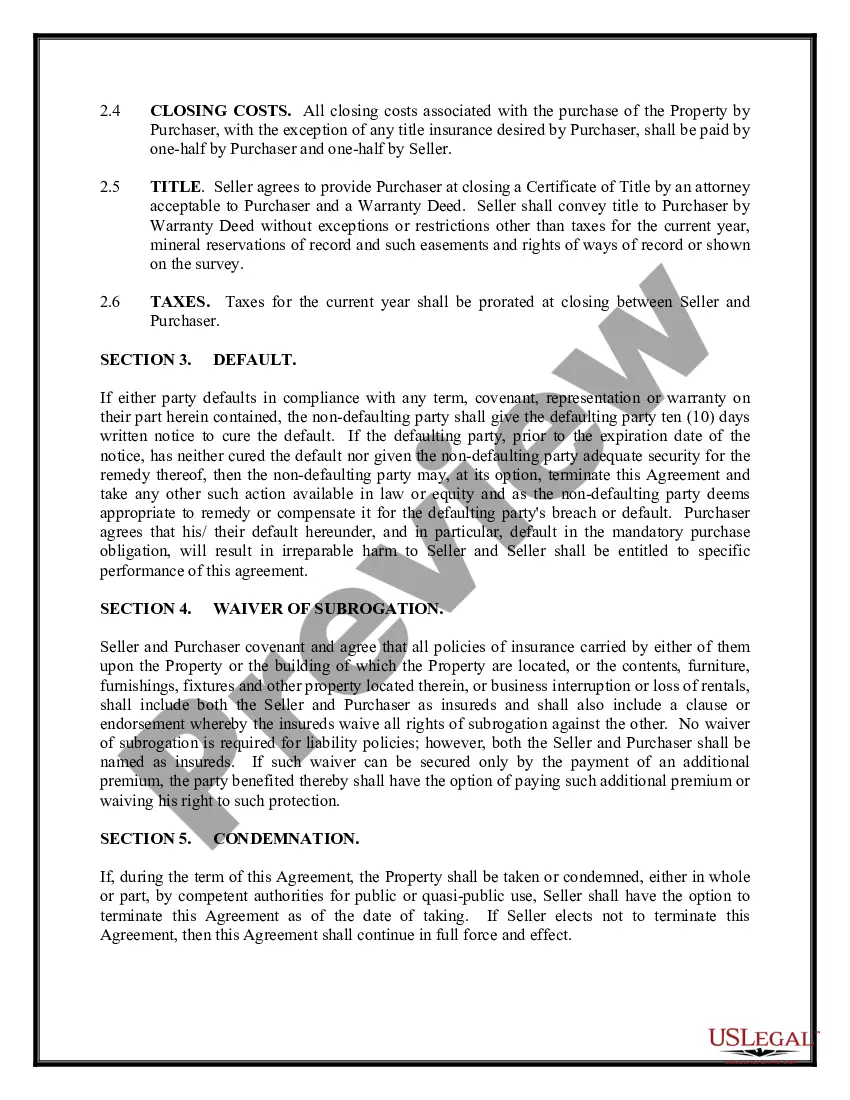
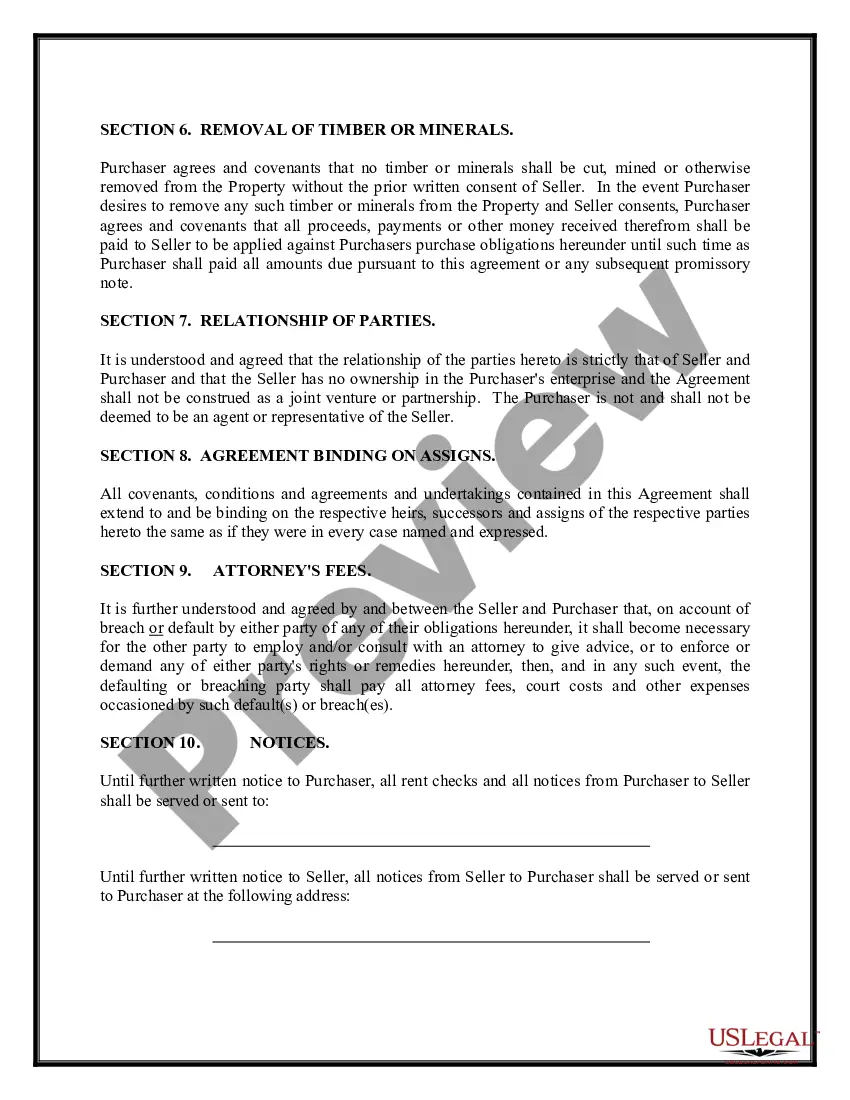
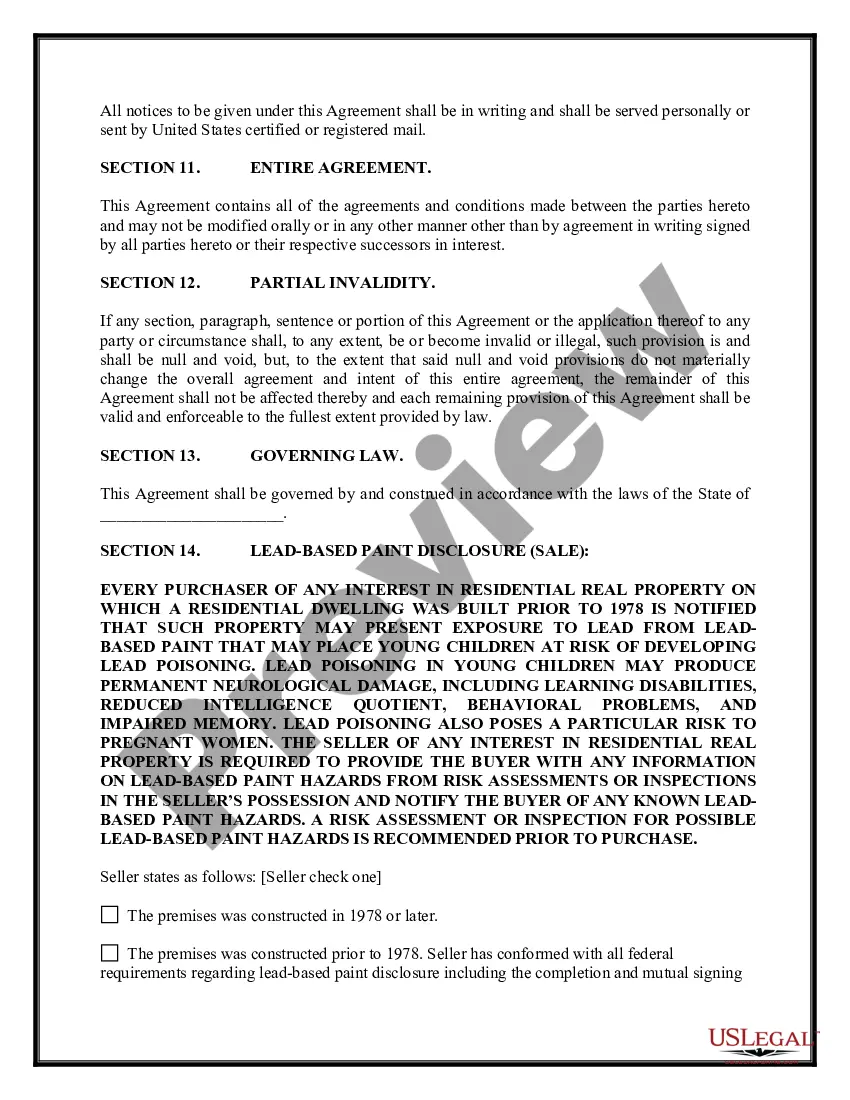
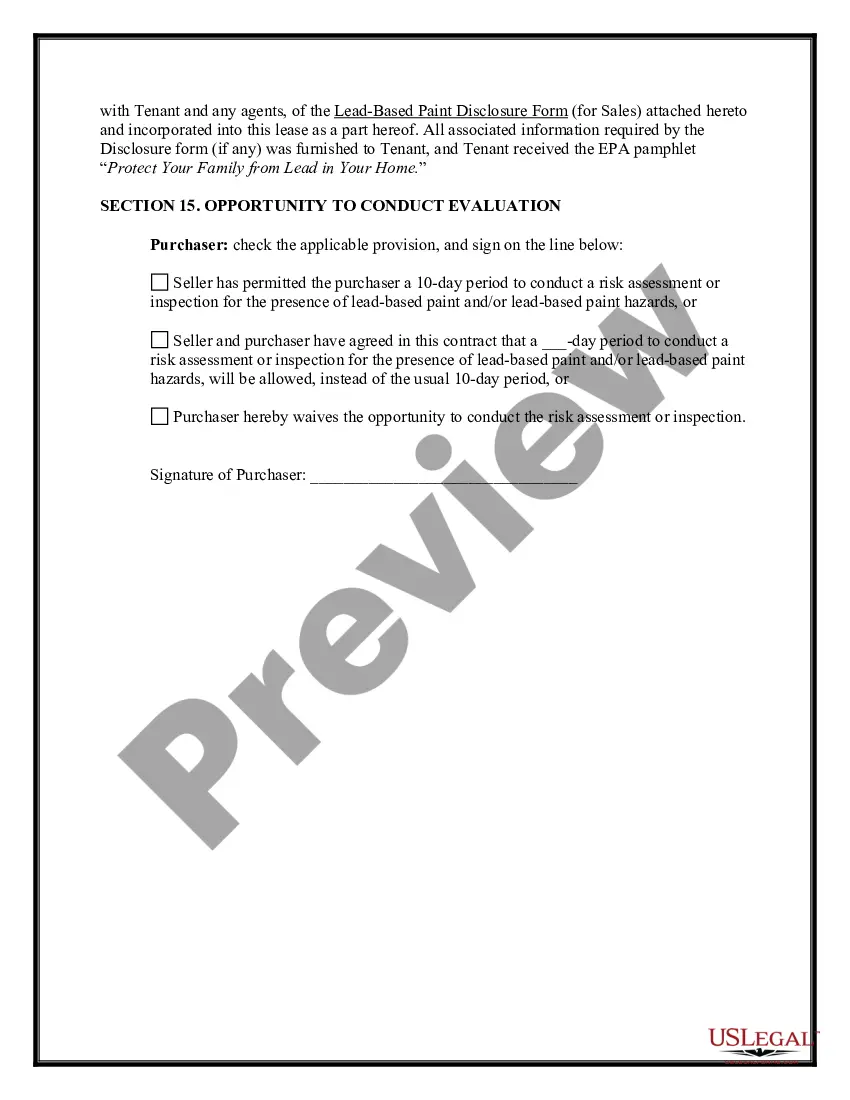
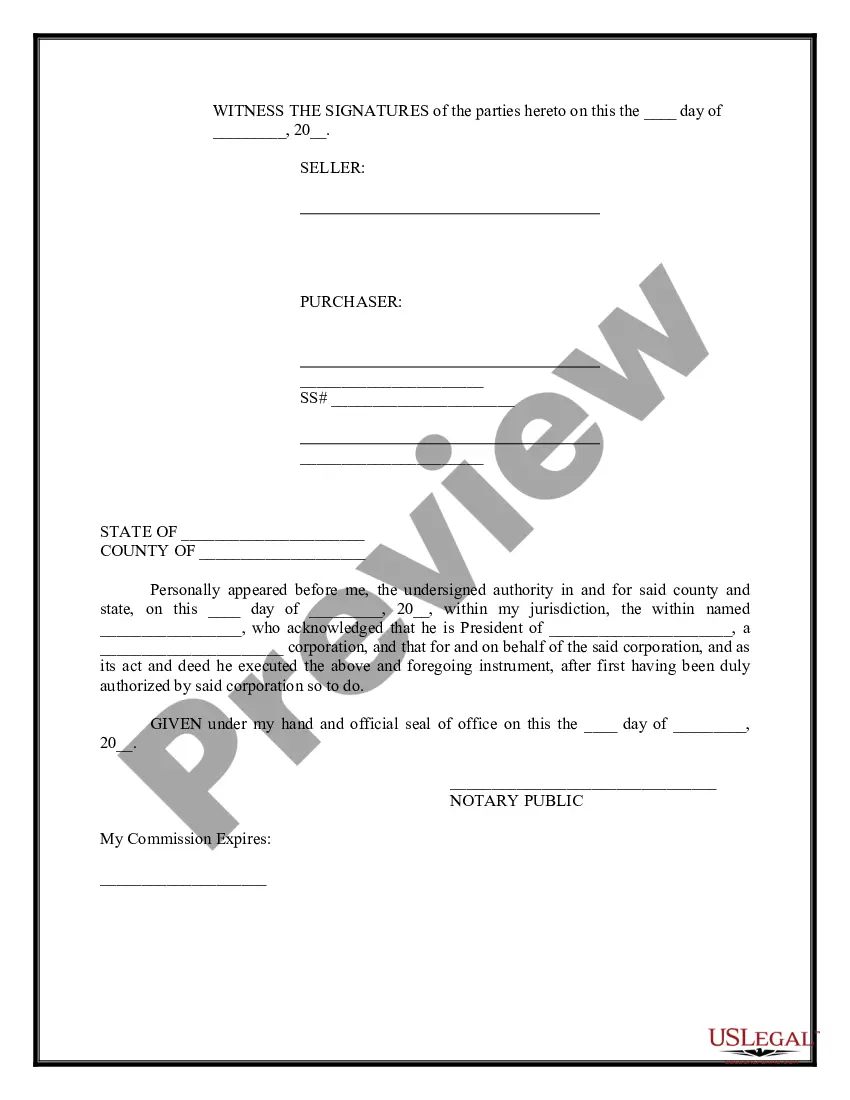
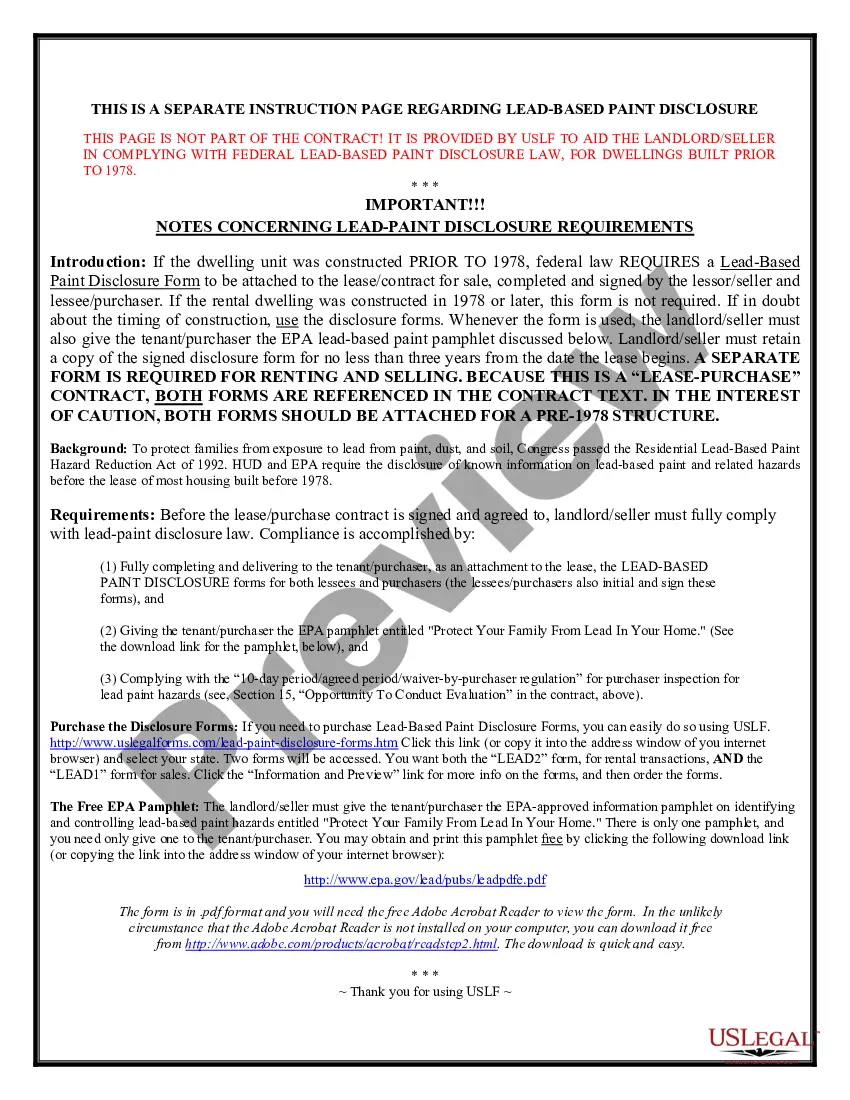
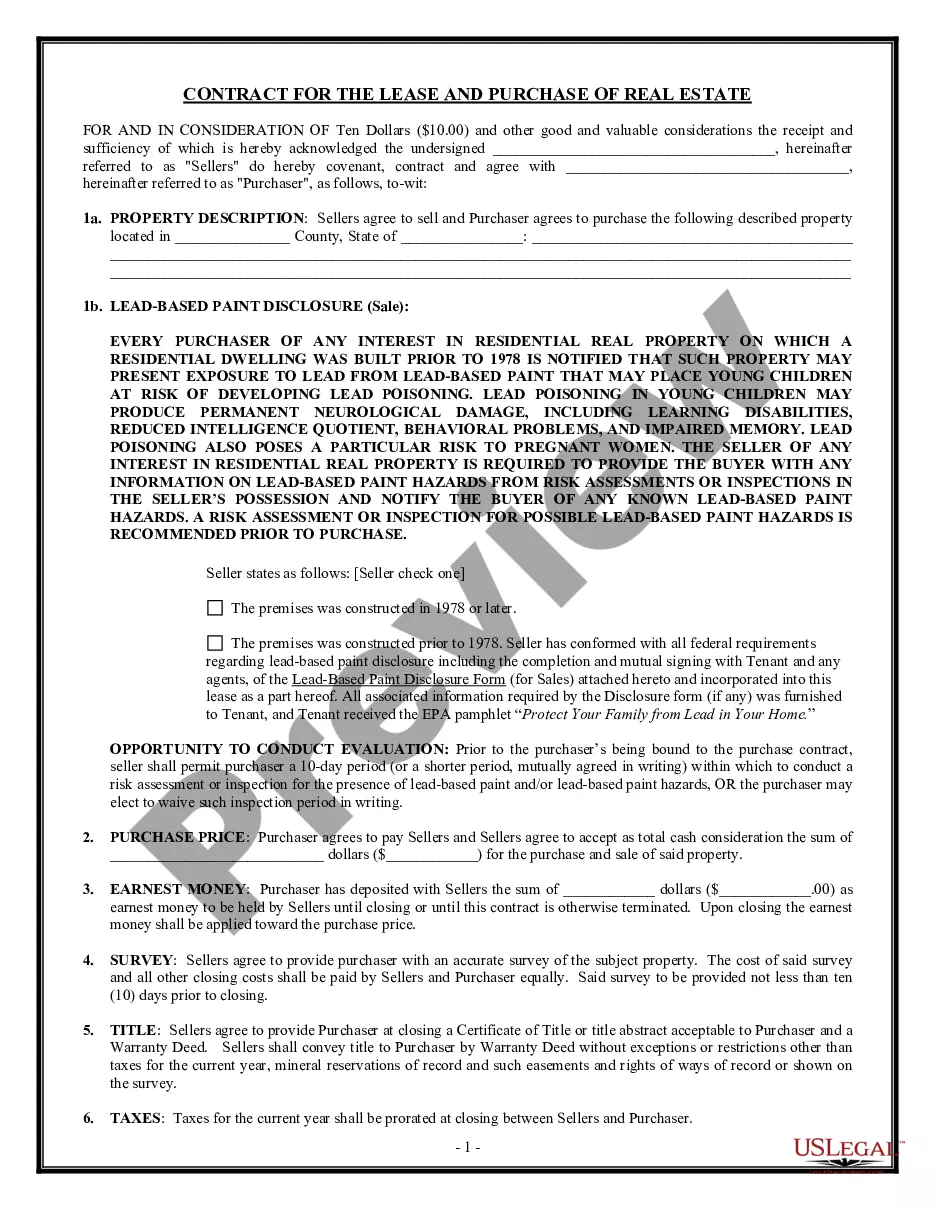
Get your form ready online
Our built-in tools help you complete, sign, share, and store your documents in one place.
Make edits, fill in missing information, and update formatting in US Legal Forms—just like you would in MS Word.
Download a copy, print it, send it by email, or mail it via USPS—whatever works best for your next step.
Sign and collect signatures with our SignNow integration. Send to multiple recipients, set reminders, and more. Go Premium to unlock E-Sign.
If this form requires notarization, complete it online through a secure video call—no need to meet a notary in person or wait for an appointment.
We protect your documents and personal data by following strict security and privacy standards.

Make edits, fill in missing information, and update formatting in US Legal Forms—just like you would in MS Word.

Download a copy, print it, send it by email, or mail it via USPS—whatever works best for your next step.

Sign and collect signatures with our SignNow integration. Send to multiple recipients, set reminders, and more. Go Premium to unlock E-Sign.

If this form requires notarization, complete it online through a secure video call—no need to meet a notary in person or wait for an appointment.

We protect your documents and personal data by following strict security and privacy standards.
Looking for another form?








Form popularity
FAQ
If you communicate clearly, then this is typically not an issue. This is because the seller has signed a legal and binding contract, which makes them obligated to fulfill the terms of the contract. You have every right to perform an assignment of contract when everything has been done legally.
If the assignor fails to complete the contract, it can lead to complications, potential legal disputes, and the loss of any invested time or resources. Market Fluctuations and Financial Loss: While assignment sales can offer profit potential, they also expose buyers to the risk of financial loss.
The thrust of the assignment clause is that the buyer can rent, lease, repair, sell, or assign the property. To “assign” simply means to hand off the benefits and obligations of a contract from one party to another. In short, it's the transfer of contractual rights.
An assignment clause governs whether and when a party can transfer the contract to someone else. Often, it covers what happens in a change of control: whether a party can assign the contract to its buyer if it gets merged into a company or completely bought out.
The thrust of the assignment clause is that the buyer can rent, lease, repair, sell, or assign the property. To “assign” simply means to hand off the benefits and obligations of a contract from one party to another. In short, it's the transfer of contractual rights.
The absence of an assignment clause in an agreement would often mean that a party is allowed to assign its benefit under the contract without the consent of the other party. Where assignment clauses require consent of the other party, this consent should not be unreasonably withheld.
Also, to enhance its enforceability, it is advisable to have the assignment agreement witnessed or notarized, depending on the jurisdiction's legal requirements. Additionally, maintaining a record of the executed contract is essential for future reference and as evidence of the assignment.
No Party shall assign this Agreement or any part hereof without the prior written consent of the other Parties. Subject to the foregoing, this Agreement shall be binding upon and inure to the benefit of the Parties Parties, and their respective permitted successors and assigns.