Real Estate Clause For Due Diligence In San Antonio
Description

Get your form ready online
Our built-in tools help you complete, sign, share, and store your documents in one place.
Make edits, fill in missing information, and update formatting in US Legal Forms—just like you would in MS Word.
Download a copy, print it, send it by email, or mail it via USPS—whatever works best for your next step.
Sign and collect signatures with our SignNow integration. Send to multiple recipients, set reminders, and more. Go Premium to unlock E-Sign.
If this form requires notarization, complete it online through a secure video call—no need to meet a notary in person or wait for an appointment.
We protect your documents and personal data by following strict security and privacy standards.

Make edits, fill in missing information, and update formatting in US Legal Forms—just like you would in MS Word.

Download a copy, print it, send it by email, or mail it via USPS—whatever works best for your next step.

Sign and collect signatures with our SignNow integration. Send to multiple recipients, set reminders, and more. Go Premium to unlock E-Sign.

If this form requires notarization, complete it online through a secure video call—no need to meet a notary in person or wait for an appointment.

We protect your documents and personal data by following strict security and privacy standards.
Looking for another form?





Form popularity
FAQ
It is usually the buyer and their external advisors that carry out the due diligence process. External advisors could be industry experts who can study the company's existing business model and assess future opportunities, the audit and tax experts as well as legal professionals.
This component of a due diligence checklist should encompass: Company Structure and Legal Standing. Contracts and Agreements. Intellectual Property (IP) and Trademarks. Regulatory Compliance and Permits. Litigation and Legal Disputes. Environmental and Sustainability Concerns. Data Privacy and Security.
Due diligence is performed by equity research analysts, fund managers, broker-dealers, individual investors, and companies that are considering acquiring other companies. Due diligence by individual investors is voluntary.
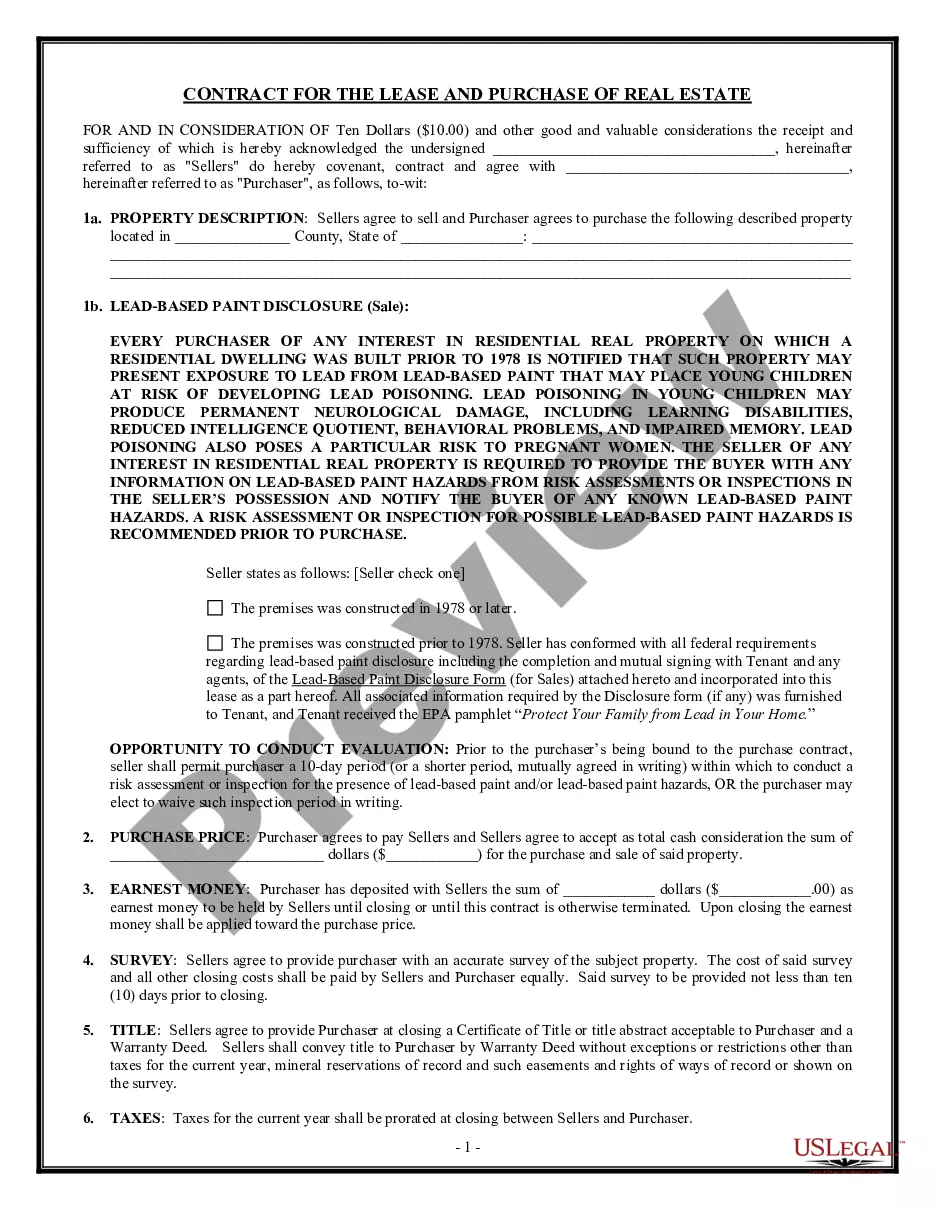
Due Diligence Period in Texas Real Estate Contracts Think of it as your chance to perform a property inspection, review records, and investigate zoning or legal issues before fully committing. In Texas, this period typically ranges from 7 to 14 days, though it may vary depending on the agreement.
Typically, the buyer is responsible for conducting due diligence in a real estate transaction. However, Allegro recommends to our clients, when they're sellers, to conduct their own due diligence before taking a property to market in order to be aware of deficiencies.
Due diligence involves examining a potential acquisition's financial, operational, legal, and other aspects to identify risks and make informed decisions. Different types of due diligence include hard due diligence such as data analysis, and soft due diligence — assessing corporate culture and integration challenges.
Timeline and Costs for the Due Diligence Process A typical due diligence process typically takes between 4 and 20 weeks, with an imperfectly positive correlation between due diligence time and transaction size. In terms of costs, the best way to reduce costs is to invest in a virtual data room.
An escape clause is used by a seller of a home to attempt to escape an accepted conditional offer if they receive an offer they like better. Typical escape clauses use 24- 48 hours as a timeframe. It forces the current buyer to either remove their conditions or walk away from the deal.
There are many possible examples of due diligence. Some common examples include investigating the financials of a company before making an investment, researching a person's background before hiring them, or reviewing environmental impact reports before committing to a construction project.