California Criminal Inducement Contracts With
Description
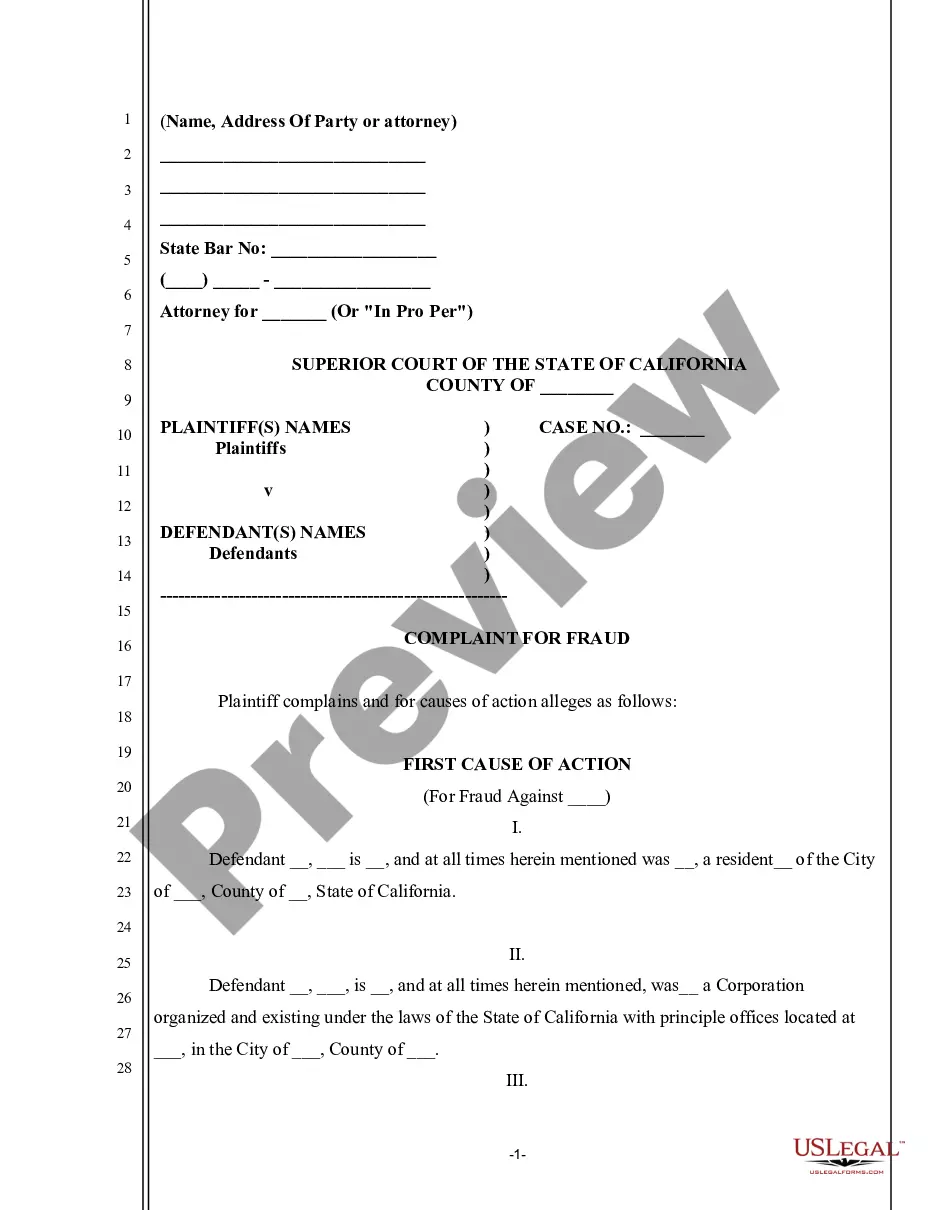

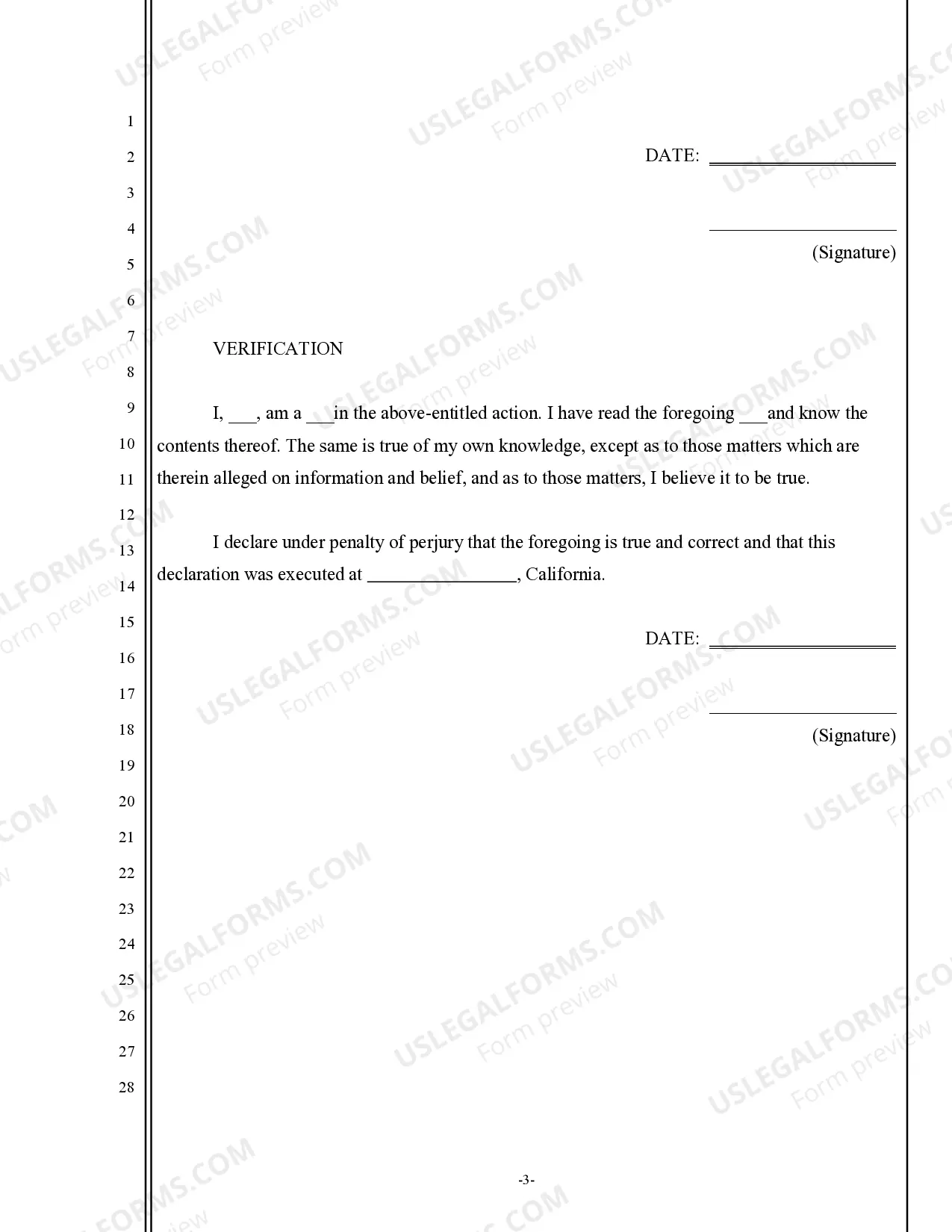
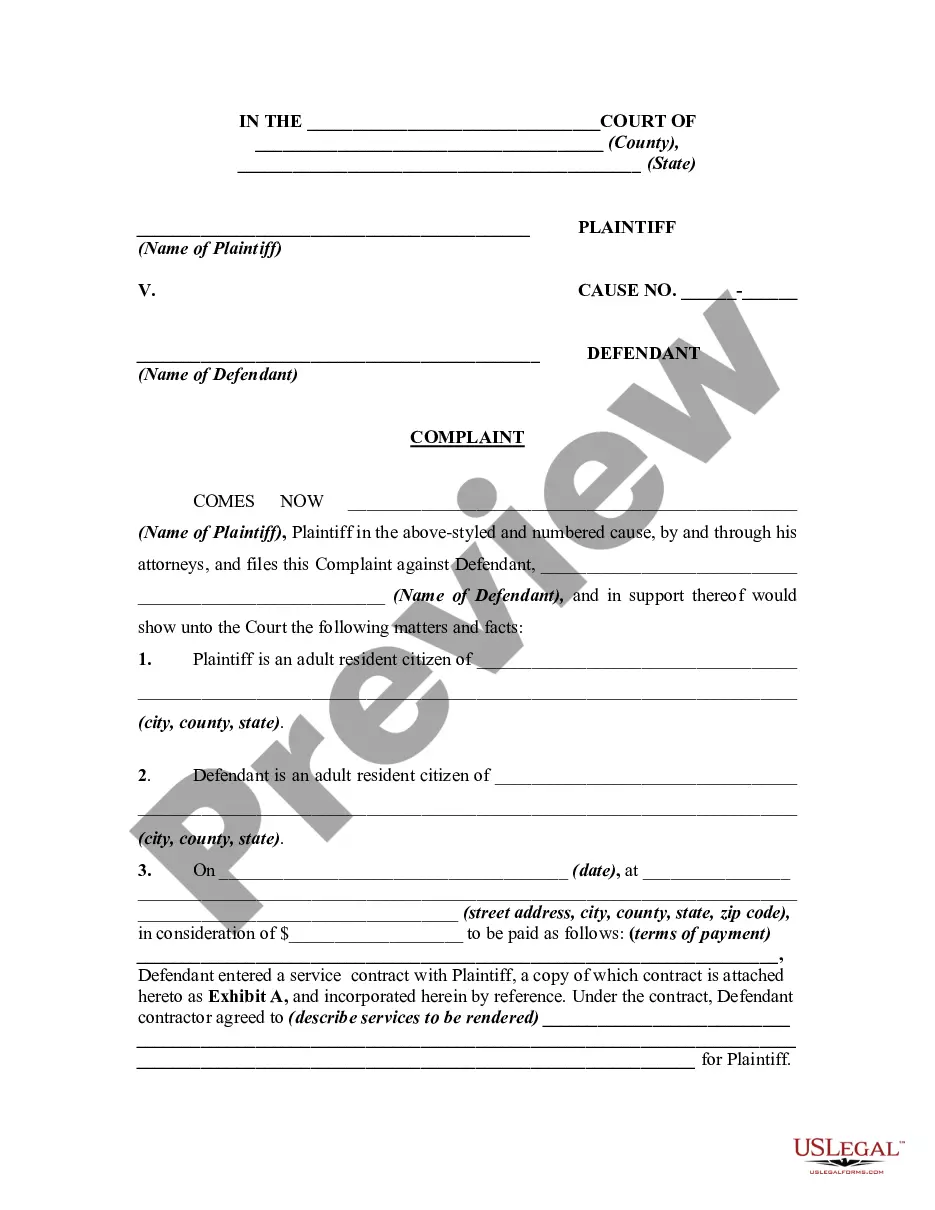
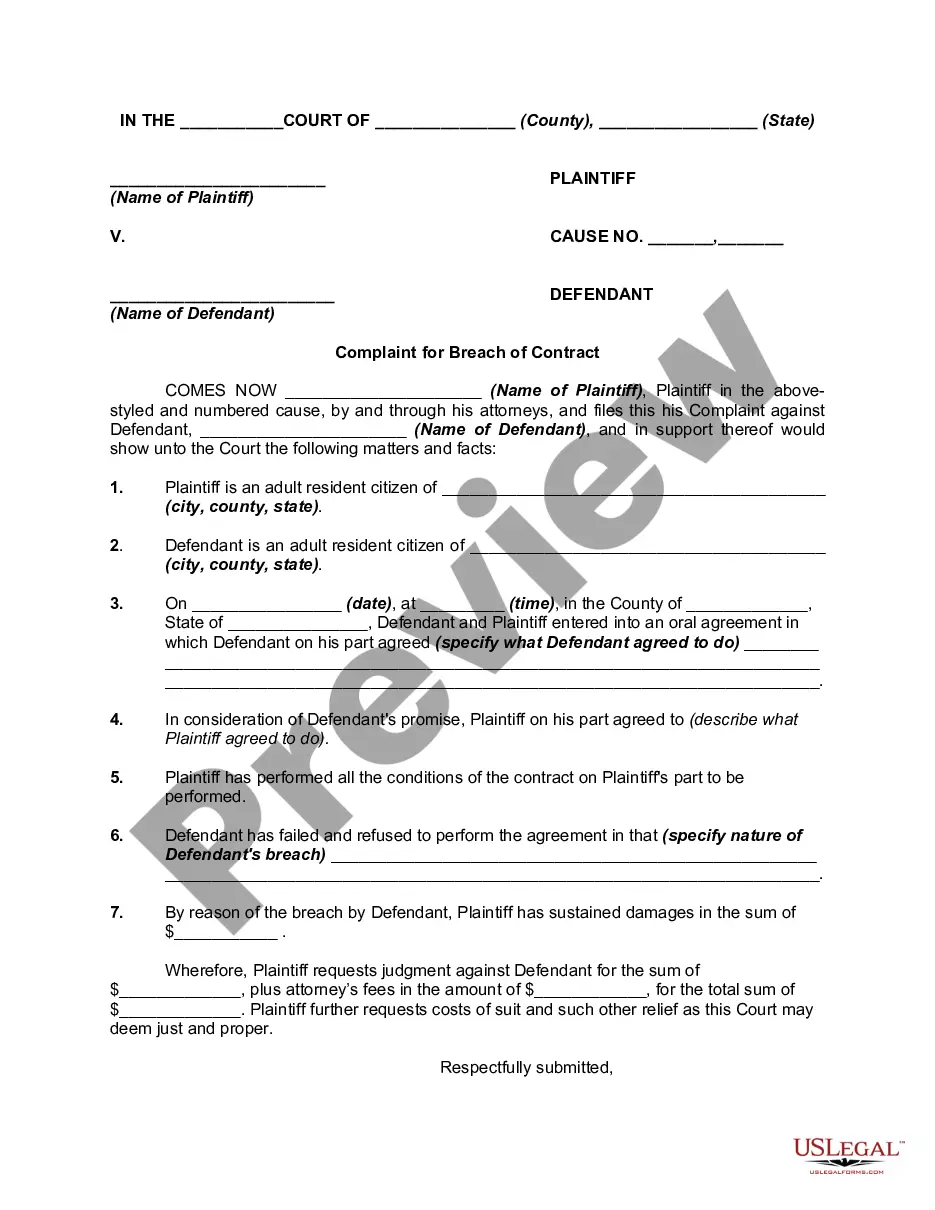
Get your form ready online
Our built-in tools help you complete, sign, share, and store your documents in one place.
Make edits, fill in missing information, and update formatting in US Legal Forms—just like you would in MS Word.
Download a copy, print it, send it by email, or mail it via USPS—whatever works best for your next step.
Sign and collect signatures with our SignNow integration. Send to multiple recipients, set reminders, and more. Go Premium to unlock E-Sign.
If this form requires notarization, complete it online through a secure video call—no need to meet a notary in person or wait for an appointment.
We protect your documents and personal data by following strict security and privacy standards.

Make edits, fill in missing information, and update formatting in US Legal Forms—just like you would in MS Word.

Download a copy, print it, send it by email, or mail it via USPS—whatever works best for your next step.

Sign and collect signatures with our SignNow integration. Send to multiple recipients, set reminders, and more. Go Premium to unlock E-Sign.

If this form requires notarization, complete it online through a secure video call—no need to meet a notary in person or wait for an appointment.

We protect your documents and personal data by following strict security and privacy standards.
Looking for another form?







How to fill out California Complaint For Fraud By Inducement?
Red tape necessitates precision and exactness.
If you are not accustomed to completing forms like California Criminal Inducement Contracts regularly, it may lead to some misunderstandings.
Choosing the appropriate sample from the outset will guarantee that your document submission proceeds smoothly and avoid the hassles of re-submitting or starting the task entirely anew.
Finding the correct and current samples for your paperwork is just a few minutes away with a US Legal Forms account. Eliminate bureaucratic worries and simplify your form handling.
- Find the correct template using the search feature.
- Ensure the California Criminal Inducement Contracts With you’ve located is applicable to your state or region.
- Review the preview or examine the description that includes the details regarding the application of the template.
- If the result corresponds with your query, click the Buy Now button.
- Select the suitable option from the available subscription plans.
- Log In to your account or create a new one.
- Finalize the transaction using a credit card or PayPal account.
- Receive the document in your preferred file format.
Form popularity
FAQ
Tortious interference is a common law tort allowing a claim for damages against a defendant who wrongfully interferes with the plaintiff's contractual or business relationships. See also intentional interference with contractual relations.
Update: The California Supreme Court held on August 3, 2020 in Ixchel Pharma, LLC v. Biogen, Inc. that a plaintiff asserting a claim for tortious interference with an at-will contract must also prove independently wrongful conduct as an element of the claim.
Tortious interference, also known as intentional interference with contractual relations, in the common law of torts, occurs when one person intentionally damages someone else's contractual or business relationships with a third party, causing economic harm.
Dolo causante determines or is the essential cause of the consent, while dolo incidente refers only to some particular or accident of the obligation. The effects of dolo causante are the nullity of the contract and the indemnification of damages, and dolo incidente also obliges the person employing it to pay damages..
If someone offers an advantage to another to get them to perform an action, they are using inducement. In the realm of contract law, the inducement is a promise made to another party to make them agree to a contract. Inducement to purchase is a popular use of the concept.
