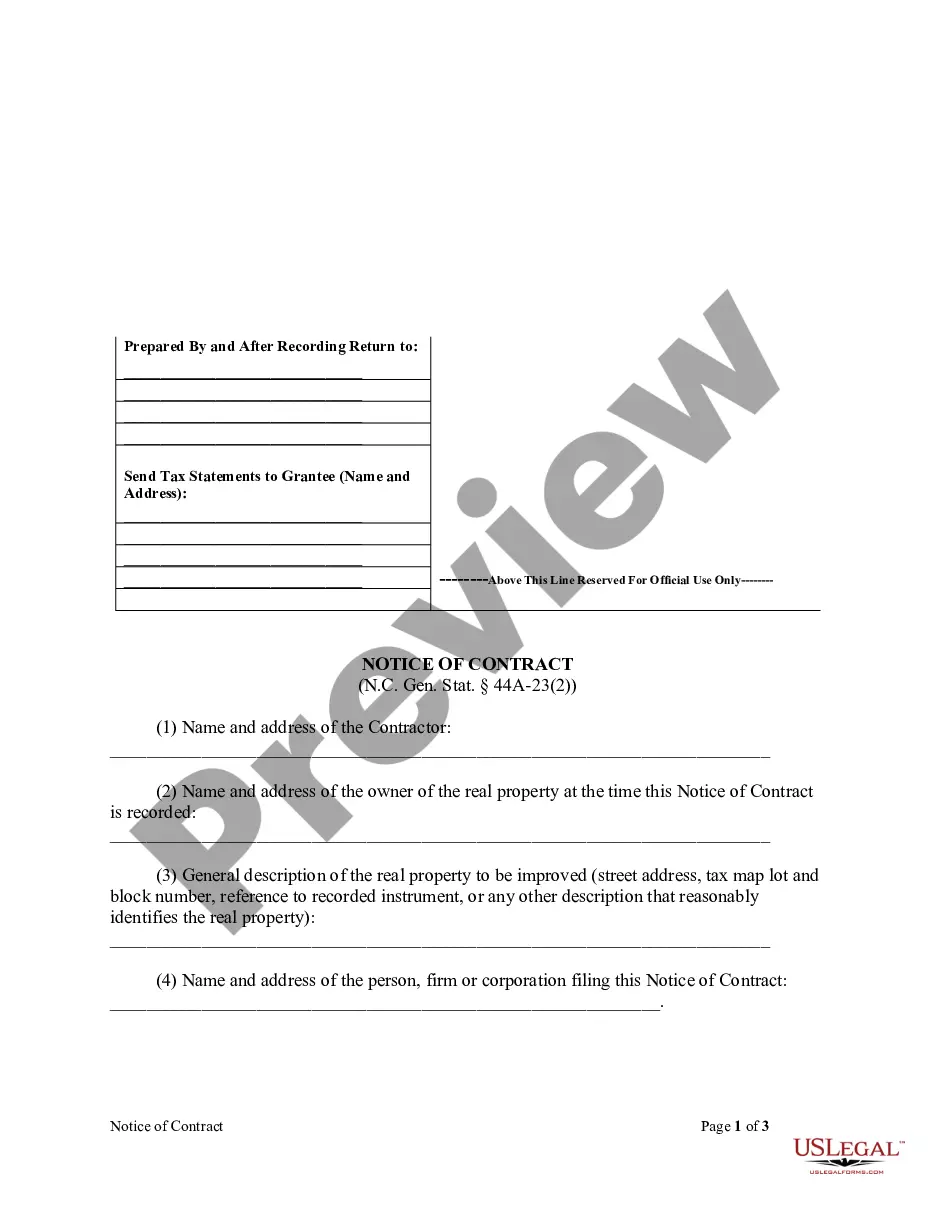
Forfeiture Clause Real Estate In Salt Lake
Description

Get your form ready online
Our built-in tools help you complete, sign, share, and store your documents in one place.
Make edits, fill in missing information, and update formatting in US Legal Forms—just like you would in MS Word.
Download a copy, print it, send it by email, or mail it via USPS—whatever works best for your next step.
Sign and collect signatures with our SignNow integration. Send to multiple recipients, set reminders, and more. Go Premium to unlock E-Sign.
If this form requires notarization, complete it online through a secure video call—no need to meet a notary in person or wait for an appointment.
We protect your documents and personal data by following strict security and privacy standards.

Make edits, fill in missing information, and update formatting in US Legal Forms—just like you would in MS Word.

Download a copy, print it, send it by email, or mail it via USPS—whatever works best for your next step.

Sign and collect signatures with our SignNow integration. Send to multiple recipients, set reminders, and more. Go Premium to unlock E-Sign.

If this form requires notarization, complete it online through a secure video call—no need to meet a notary in person or wait for an appointment.

We protect your documents and personal data by following strict security and privacy standards.
Looking for another form?




Form popularity
FAQ
77-11b-201. Initiating forfeiture proceedings -- Notice of intent to seek forfeiture. If an agency seeks to forfeit seized property, the agency shall serve a notice of intent to seek forfeiture to any known claimant within 30 days after the day on which the property is seized.
Asset forfeiture in California: When can the government seize my property? California asset forfeiture laws allow the government to seize (and sometimes keep) your property when there is evidence that the property was either used in the commission of a crime, or obtained by way of criminal activity.
To start forfeiture proceedings the freeholder must inform the leaseholder that a breach of the terms of the lease has been committed and that the leaseholder has the opportunity to resolve the said breach. If the breach is not resolved, the freeholder can start court proceedings to recover possession.
The right of the people to be secure in their persons, houses, papers, and effects against unreasonable seizures and searches, shall not be violated, and a warrant may not be issued except on probable cause, supported by oath or affirmation, particularly describing the place to be searched and the persons and things to ...
Forfeiture generally occurs where one party exercises a legal right that results in a second party forfeiting, or losing, a right or interest. In some cases, where the right or interest has been lost due to unconscientious conduct, equity can provide a remedy in the form of relief against forfeiture.
Governments can seize property for forfeiture either under criminal or civil law.
Asset forfeiture is among the government's most powerful legal tools. With this right, the government can seize your personal property without compensation if it presumes that the property was used in the commission of a criminal offense or purchased with the profits of criminal activity.
In law, a forfeiture is the loss of rights or goods due to not fulfilling some obligation. For example, failing to make car payments to a bank can result in the forfeiture of your car. the act of losing or surrendering something as a penalty for a mistake or fault or failure to perform etc.