Real Estate Clause For Due Diligence
Description

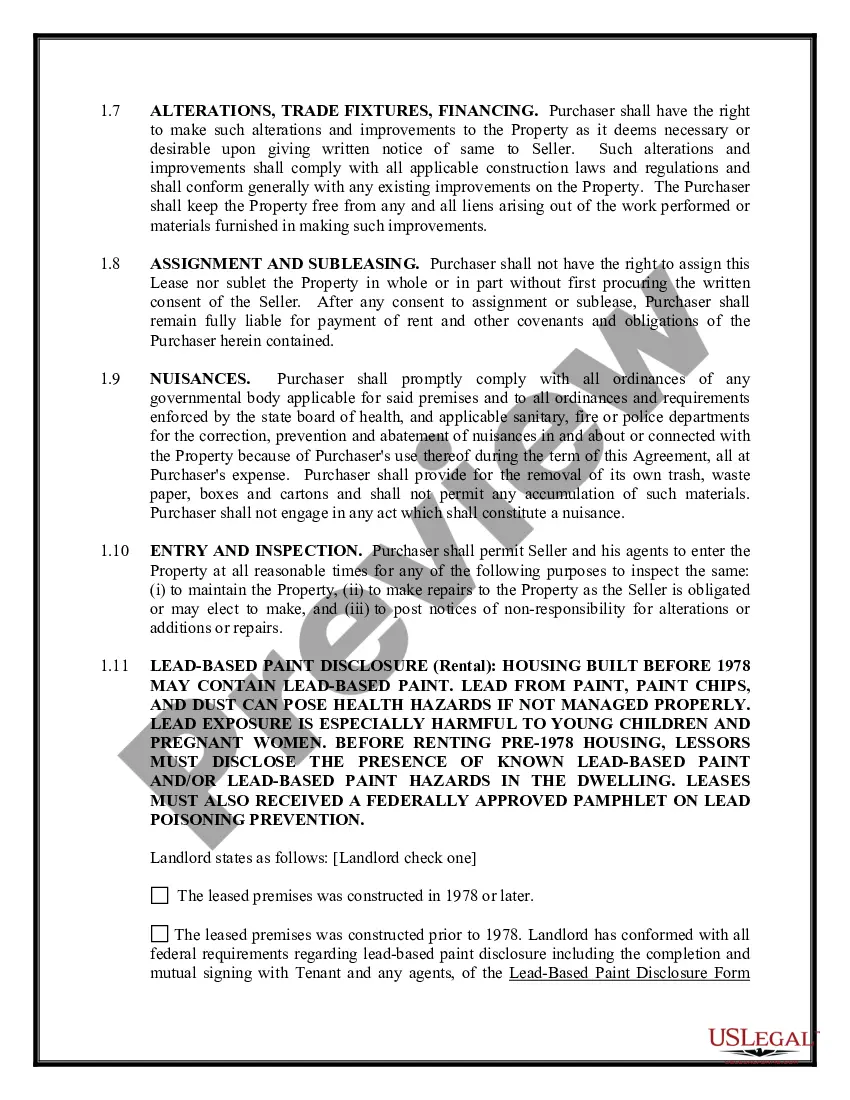
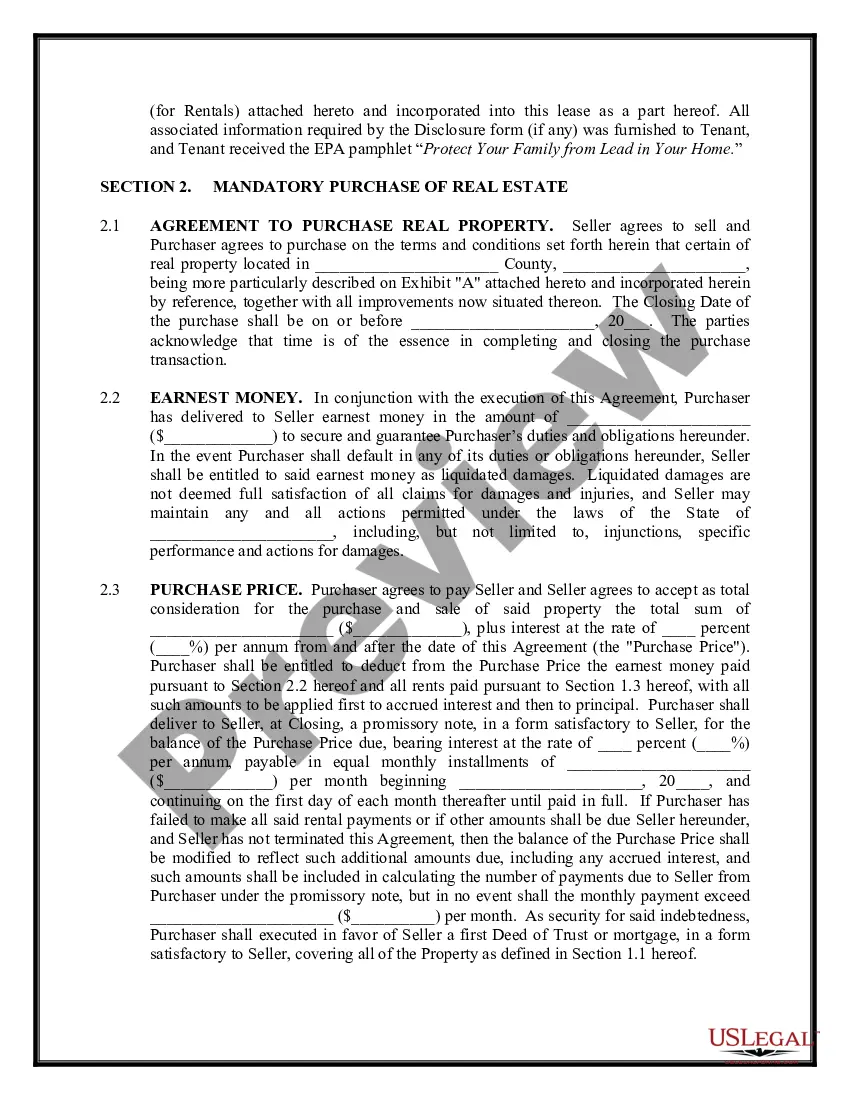
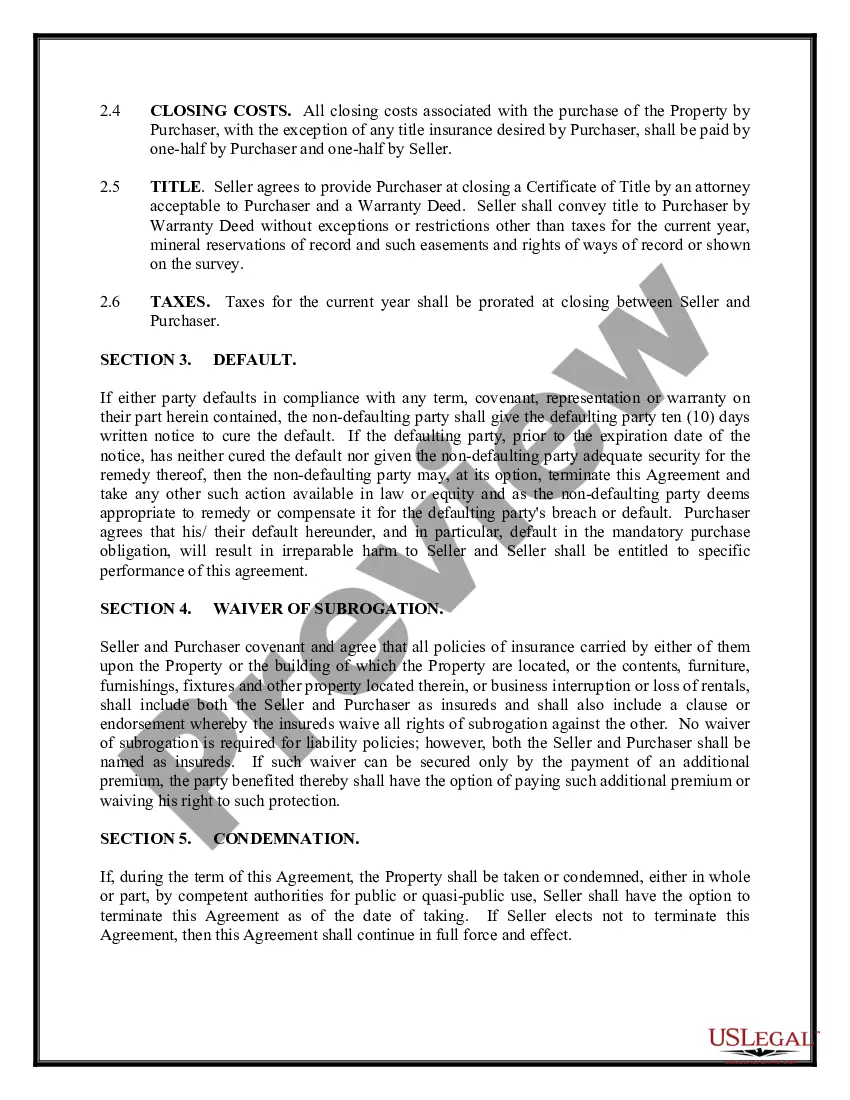
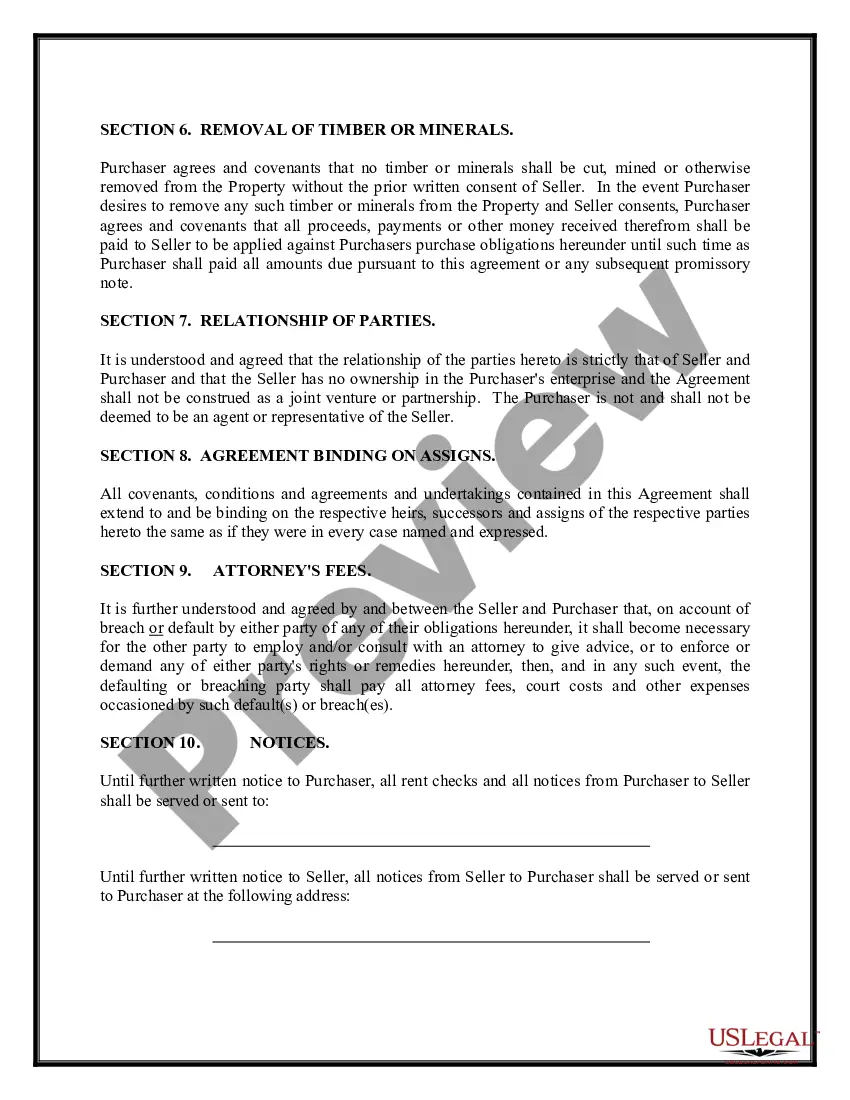
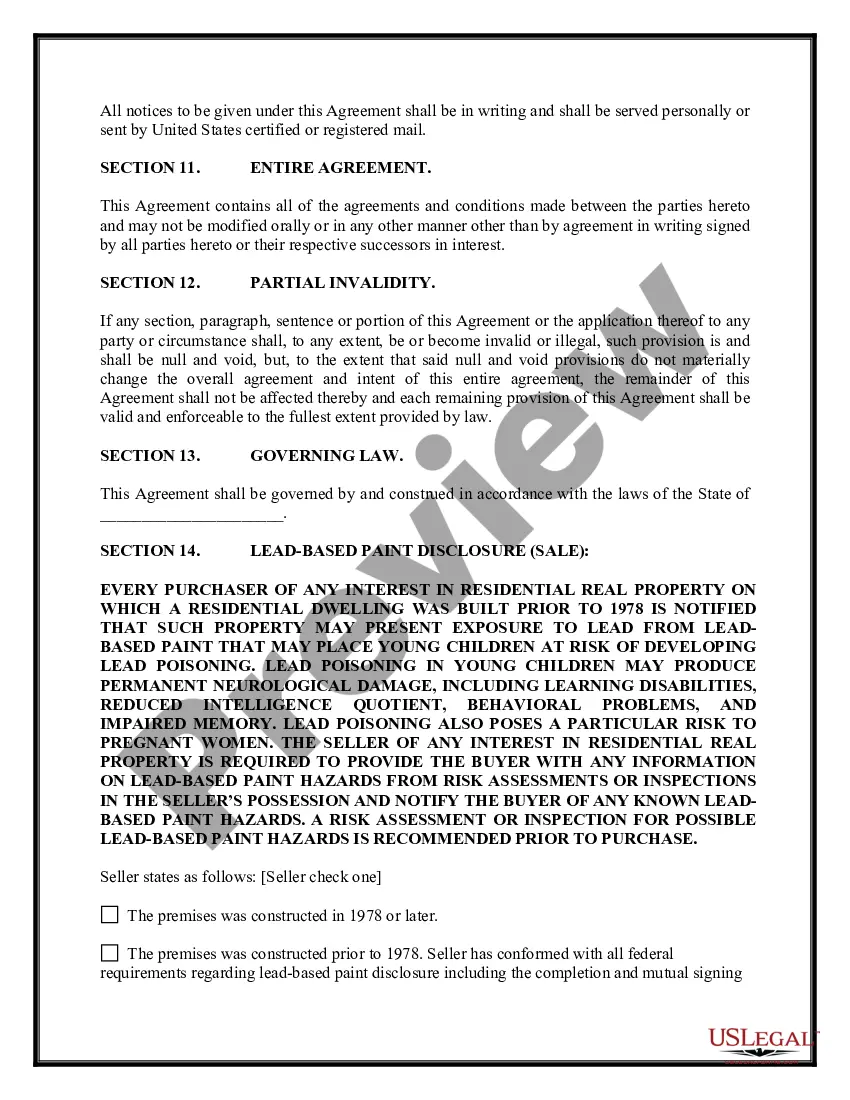
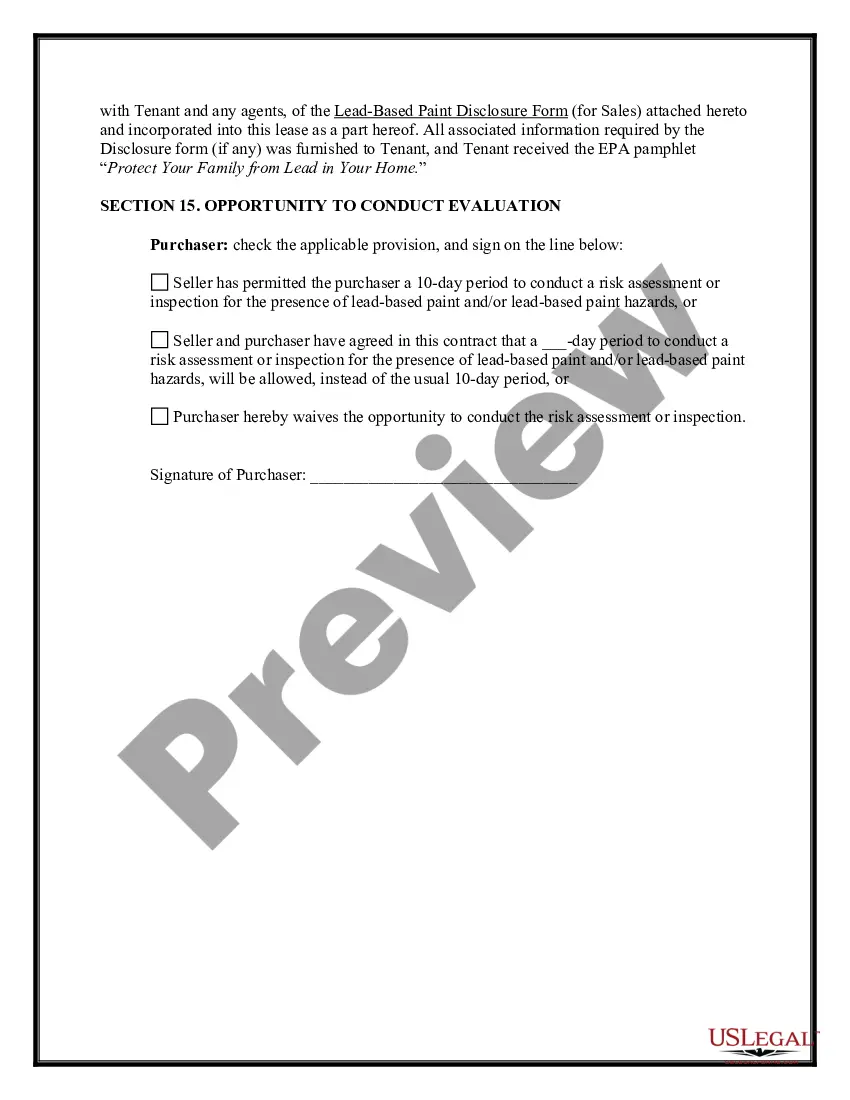
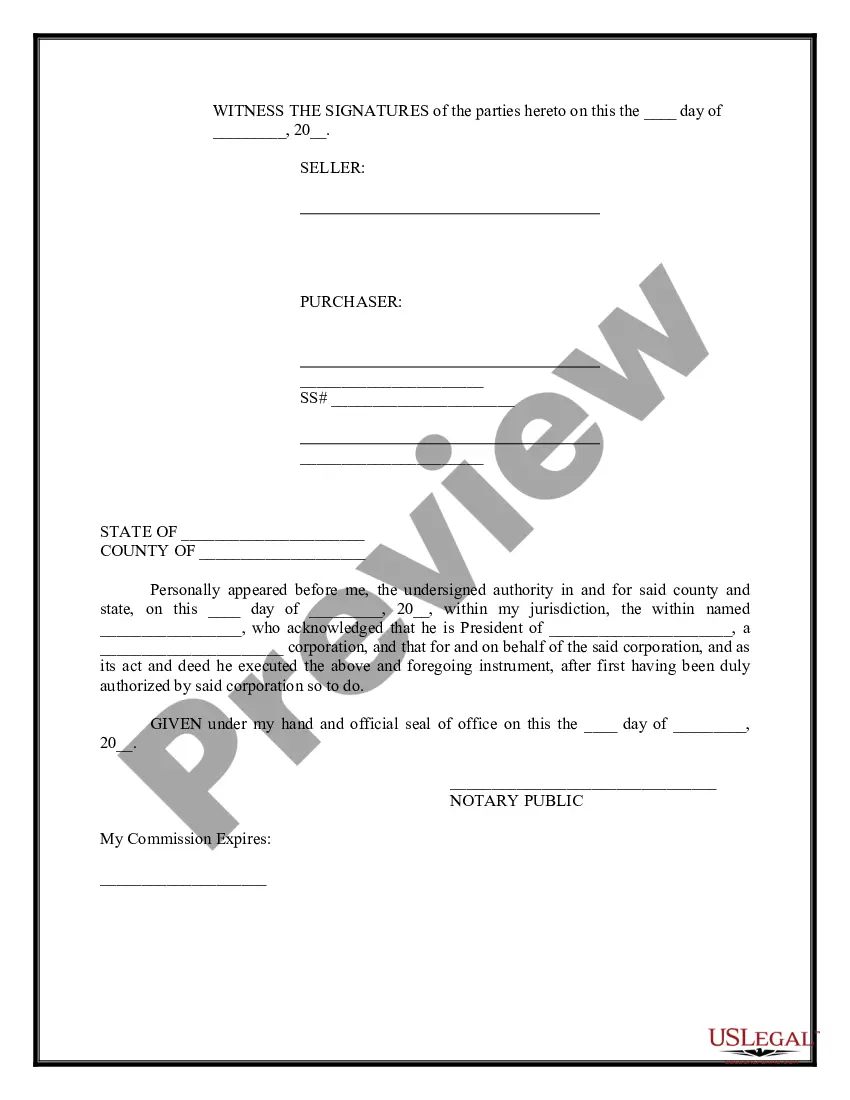
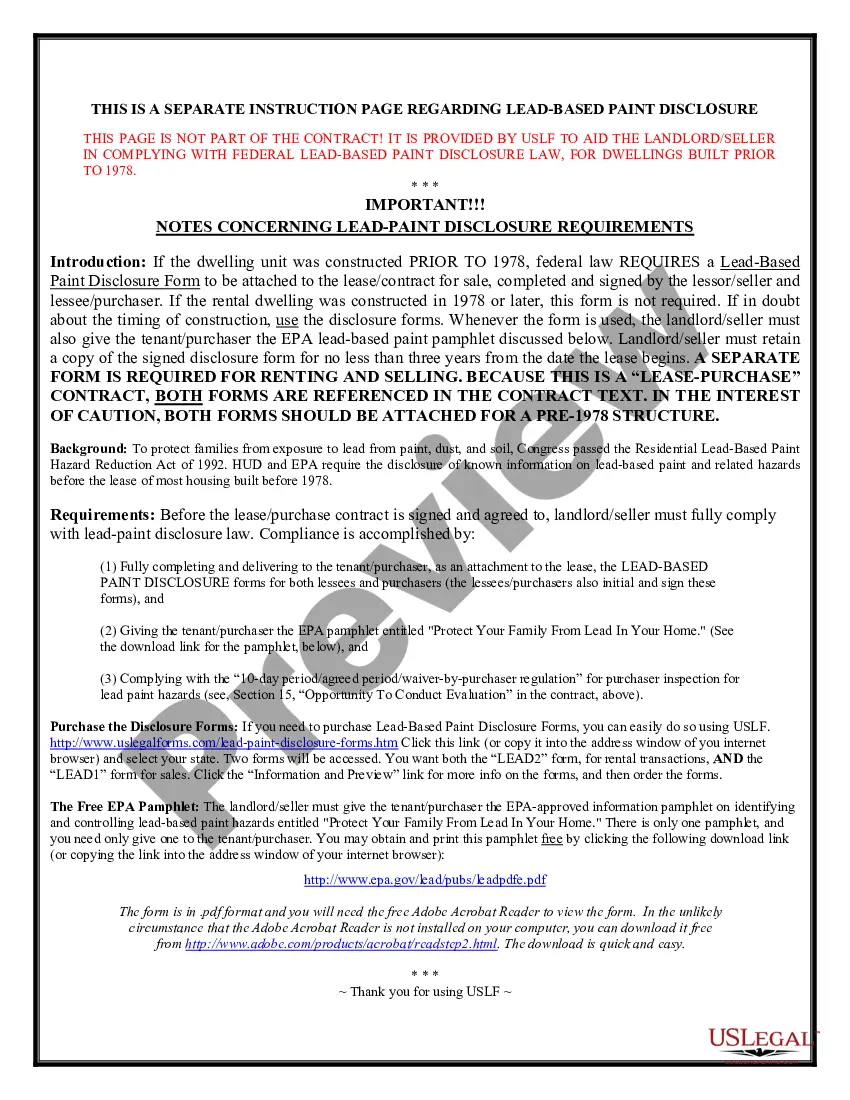
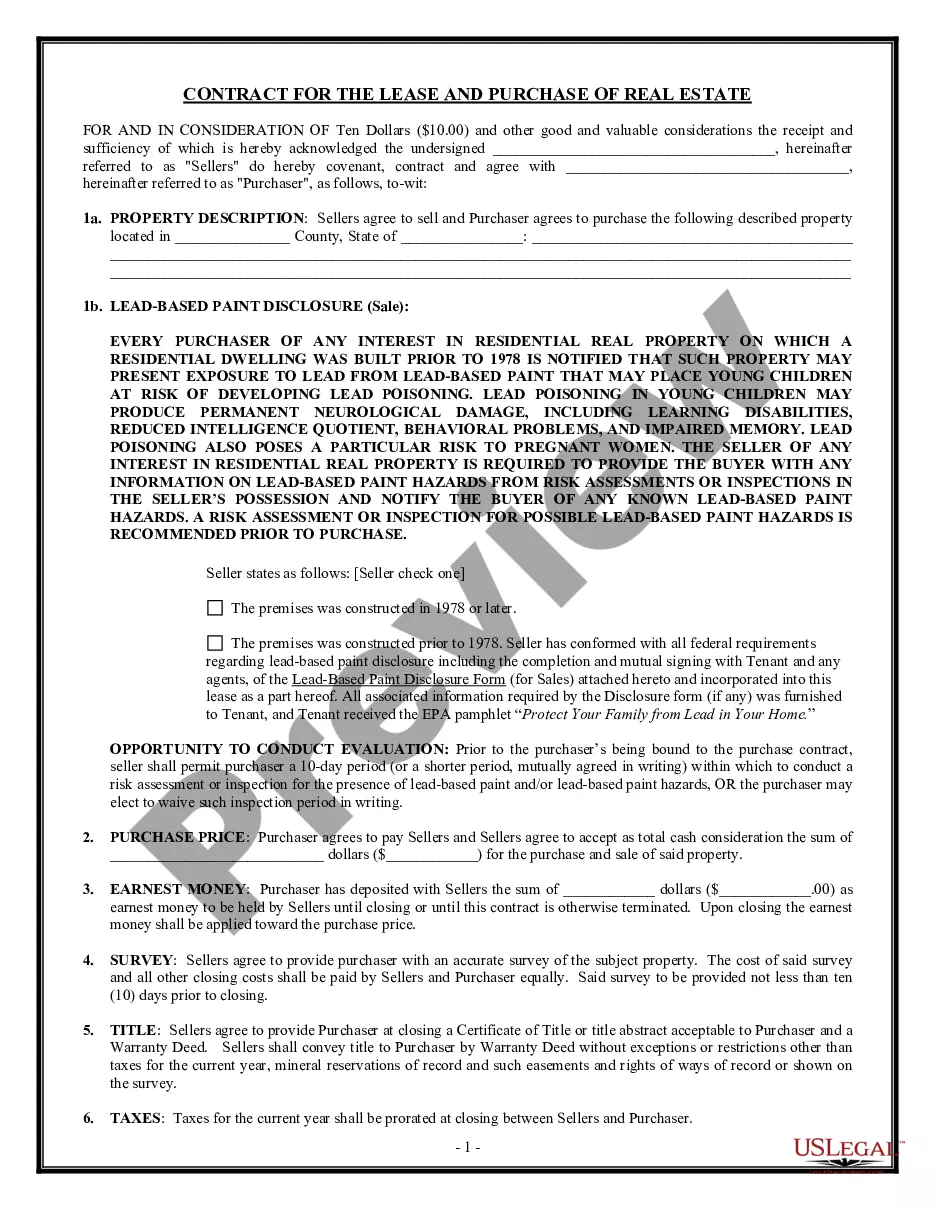
Get your form ready online
Our built-in tools help you complete, sign, share, and store your documents in one place.
Make edits, fill in missing information, and update formatting in US Legal Forms—just like you would in MS Word.
Download a copy, print it, send it by email, or mail it via USPS—whatever works best for your next step.
Sign and collect signatures with our SignNow integration. Send to multiple recipients, set reminders, and more. Go Premium to unlock E-Sign.
If this form requires notarization, complete it online through a secure video call—no need to meet a notary in person or wait for an appointment.
We protect your documents and personal data by following strict security and privacy standards.

Make edits, fill in missing information, and update formatting in US Legal Forms—just like you would in MS Word.

Download a copy, print it, send it by email, or mail it via USPS—whatever works best for your next step.

Sign and collect signatures with our SignNow integration. Send to multiple recipients, set reminders, and more. Go Premium to unlock E-Sign.

If this form requires notarization, complete it online through a secure video call—no need to meet a notary in person or wait for an appointment.

We protect your documents and personal data by following strict security and privacy standards.
Looking for another form?






Form popularity
FAQ
The due diligence out clause allows buyers to exit a contract if they find unfavorable results during their investigation of the property. This clause is crucial because it provides a safety net for buyers who may encounter unexpected problems. Incorporating a real estate clause for due diligence helps clarify your rights and responsibilities. It's a valuable tool to protect your financial interests.
Samples of due diligence include obtaining title reports, conducting property inspections, and reviewing lease agreements. These actions help uncover any legal or physical issues with a property. By integrating a real estate clause for due diligence, you can safeguard your investment and make informed decisions. Thus, this process is vital to avoid potential pitfalls.
The due diligence clause in real estate provides buyers a set timeframe to conduct research and inspections before the sale is finalized. This clause protects your interests by allowing you to evaluate critical aspects of the property, such as its title, structure, and legal compliance. Utilizing a real estate clause for due diligence can lead to more informed purchasing decisions, giving you peace of mind in your investment.
The IRS requires certain due diligence when it comes to tax filings related to real estate transactions. This includes verifying claims related to deductions, identifying property use, and ensuring proper reporting of income. Adhering to a real estate clause for due diligence can help you meet these requirements, preventing costly penalties and enhancing your overall compliance.
In simple terms, due diligence refers to the process of thoroughly examining and assessing a property before you buy it. This process helps identify any potential issues or concerns that may affect the value or usability of the property. A real estate clause for due diligence is crucial as it empowers you to take necessary steps to ensure your investment is sound.
Due diligence in a real estate contract refers to the period when the buyer investigates the property to confirm its condition and value. This phase includes inspections, title checks, zoning regulations, and any potential liabilities associated with the property. Including a real estate clause for due diligence in your contract is crucial, as it helps you make informed decisions and avoid costly surprises.
The due diligence termination clause is a provision in real estate contracts that allows buyers to back out of the deal if certain conditions aren't met during the due diligence period. This clause gives buyers the opportunity to review property details, conduct inspections, and verify all information before committing. By including a real estate clause for due diligence, you protect your investment and ensure transparency in the transaction.
The time limit for due diligence typically ranges from 30 to 45 days, but can be adjusted through mutual agreement between parties. It's crucial to clearly outline this limit in the real estate clause for due diligence to ensure that both buyer and seller have shared expectations and responsibilities as the agreement moves forward.
To write an effective due diligence clause in a contract, begin by stating the rights of the buyer to inspect the property within a defined period. Include any specific actions required, such as obtaining third-party inspections or financial assessments, as well as what happens if concerns arise. Clearly stating these points protects both parties involved.
The timeline for due diligence commonly spans between 30 to 60 days, but this may adjust based on the specific terms agreed upon by the buyer and seller. Clearly defining this timeline in the real estate clause for due diligence helps ensure all parties are aligned and understand their obligations.
