Forfeiture Clause Real Estate In Pima
Description

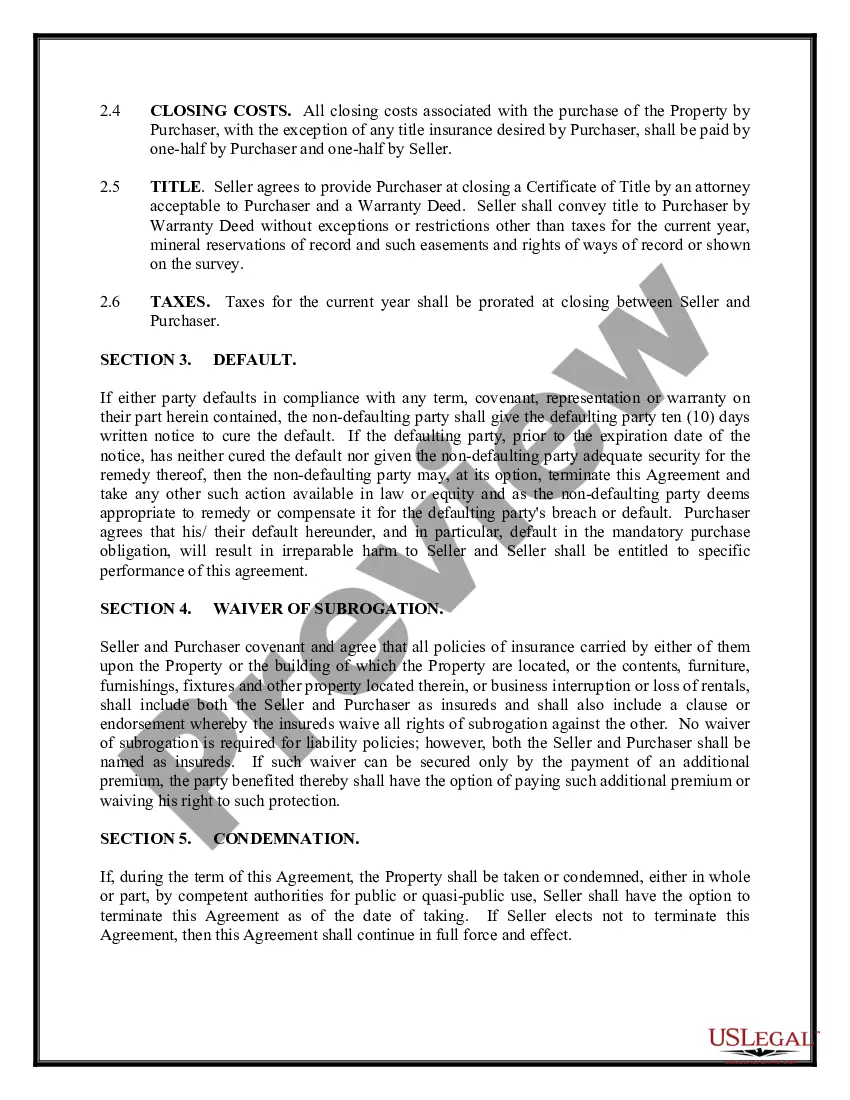
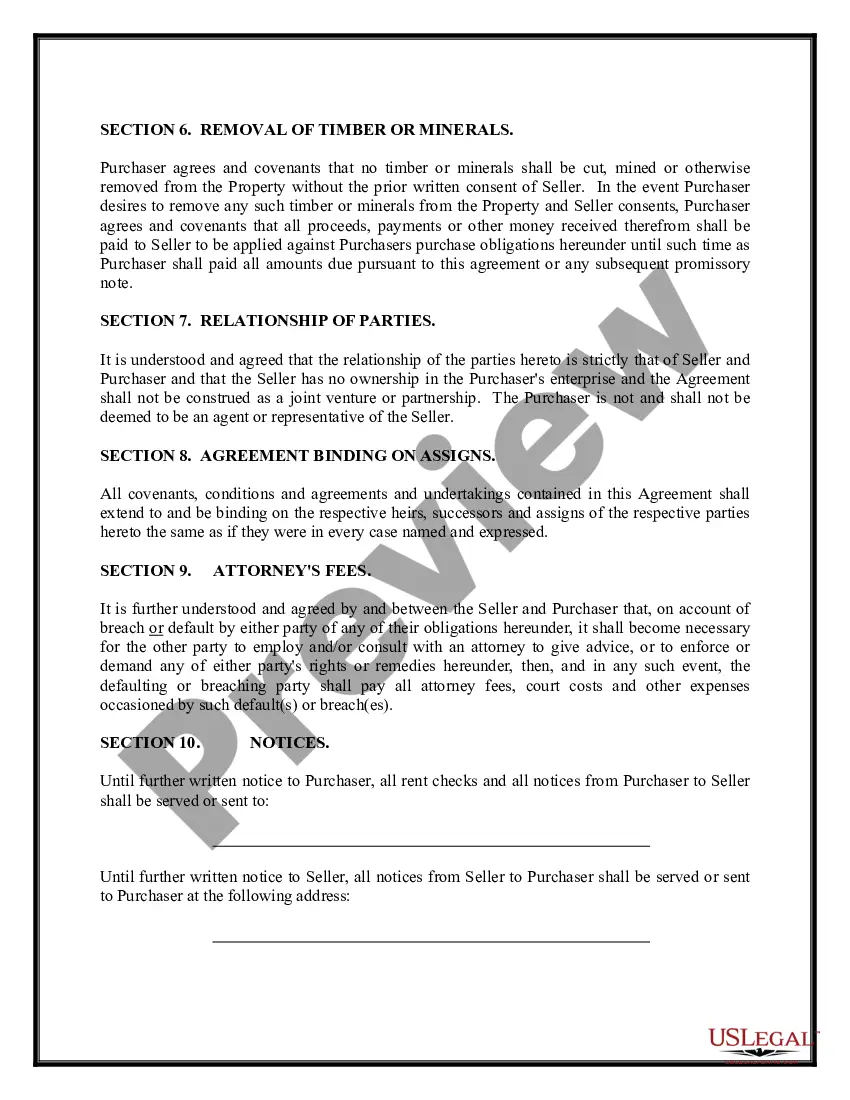
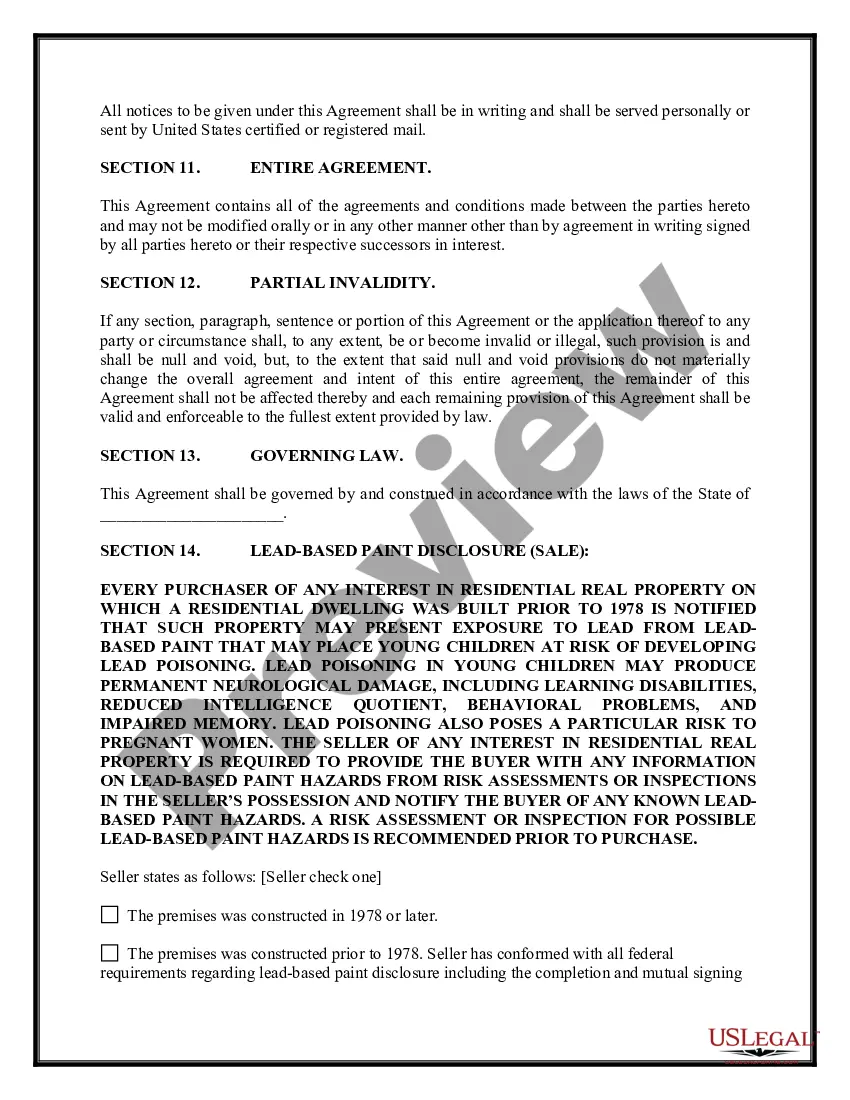
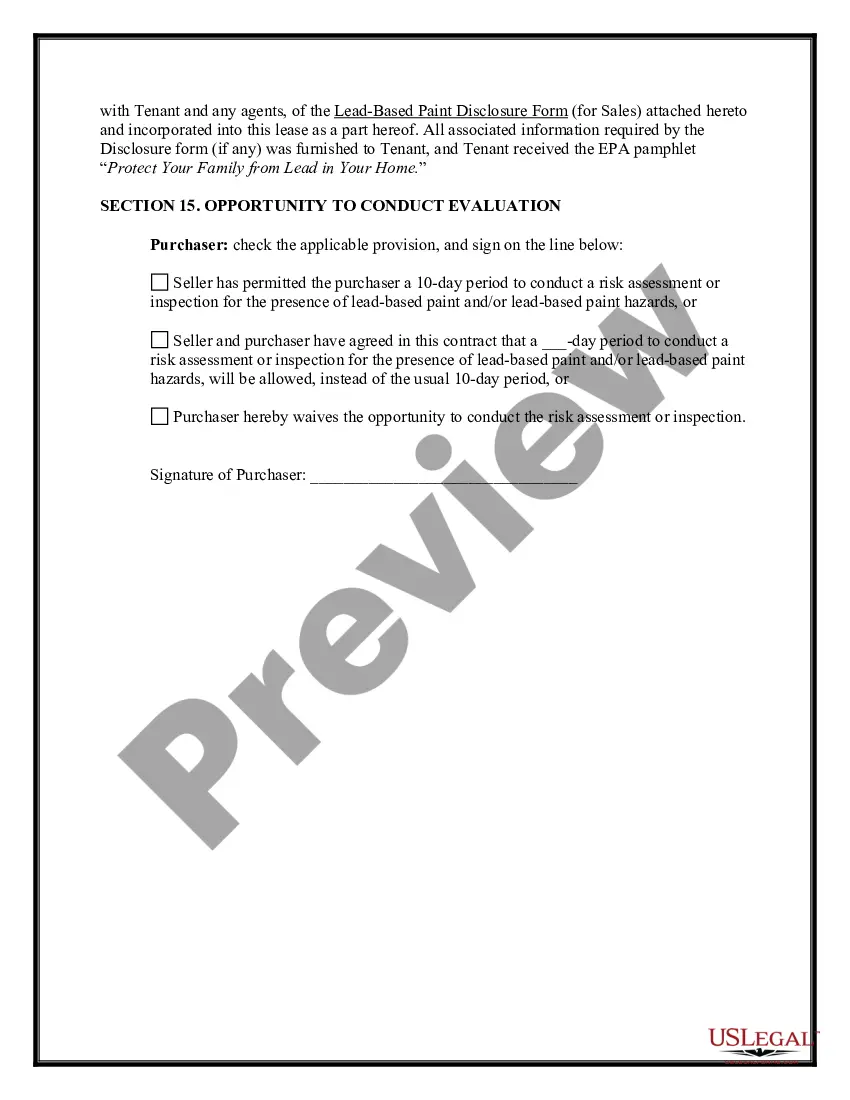
Get your form ready online
Our built-in tools help you complete, sign, share, and store your documents in one place.
Make edits, fill in missing information, and update formatting in US Legal Forms—just like you would in MS Word.
Download a copy, print it, send it by email, or mail it via USPS—whatever works best for your next step.
Sign and collect signatures with our SignNow integration. Send to multiple recipients, set reminders, and more. Go Premium to unlock E-Sign.
If this form requires notarization, complete it online through a secure video call—no need to meet a notary in person or wait for an appointment.
We protect your documents and personal data by following strict security and privacy standards.

Make edits, fill in missing information, and update formatting in US Legal Forms—just like you would in MS Word.

Download a copy, print it, send it by email, or mail it via USPS—whatever works best for your next step.

Sign and collect signatures with our SignNow integration. Send to multiple recipients, set reminders, and more. Go Premium to unlock E-Sign.

If this form requires notarization, complete it online through a secure video call—no need to meet a notary in person or wait for an appointment.

We protect your documents and personal data by following strict security and privacy standards.
Looking for another form?








Form popularity
FAQ
Answer: There is no provision in Arizona that requires the landlord to provide you a move-out inspection form up front. However, when you request a return of your security deposit the landlord must either return the full amount to you or provide you with an itemized list of damages/deductions.
Tenants in Arizona have the right to ask for habitable housing, appliances in running condition (such as running water), and a safe environment.
But the landlord can't just kick out the tenant, change the locks, or turn off the utilities. The landlord must follow all the steps the law says must be taken. And the tenant should not just stop paying the rent unless the tenant first follows all the steps the law says must be taken.
The Act aims to clarify the rights and obligations of landlords and tenants and to ensure the availability of quality rental housing for all Arizonans. The Act covers a wide range of topics, including rental agreements, security deposits, rent payment, eviction, repairs and maintenance, disclosures, and more.
The tenant cannot refuse lawful access to the landlord. However the landlord must give the tenant two days notice of his intent to enter and may enter only at reasonable times, except in case of an emergency. ARS §33-1343.
33-1491 - Retaliatory conduct prohibited; eviction. A. Except as provided in this section, a landlord shall not retaliate by increasing rent or decreasing services or by bringing or threatening to bring an action for eviction after any of the following: 1.
How much notice does a landlord have to give a tenant to move out in Arizona? Arizona landlords have to provide tenants with at least a written 30-day notice. The notice is to inform the tenant that the lease agreement will be ending after 30 days and the tenant will need to move out at that time.
Insurance fraud is an international problem and it is common for insurers in most jurisdictions to use forfeiture clauses. These clauses aim to protect the insurer by stating that if the policyholder should submit any type pf fraudulent claim, the policyholder will forfeit the entire claim.
If the shareholder fails to comply with the notice by the date requested, the directors can then pass a resolution that any share highlighted in the notice can then be forfeited. The exact route to follow and any requirements will be highlighted in the Articles of Association.
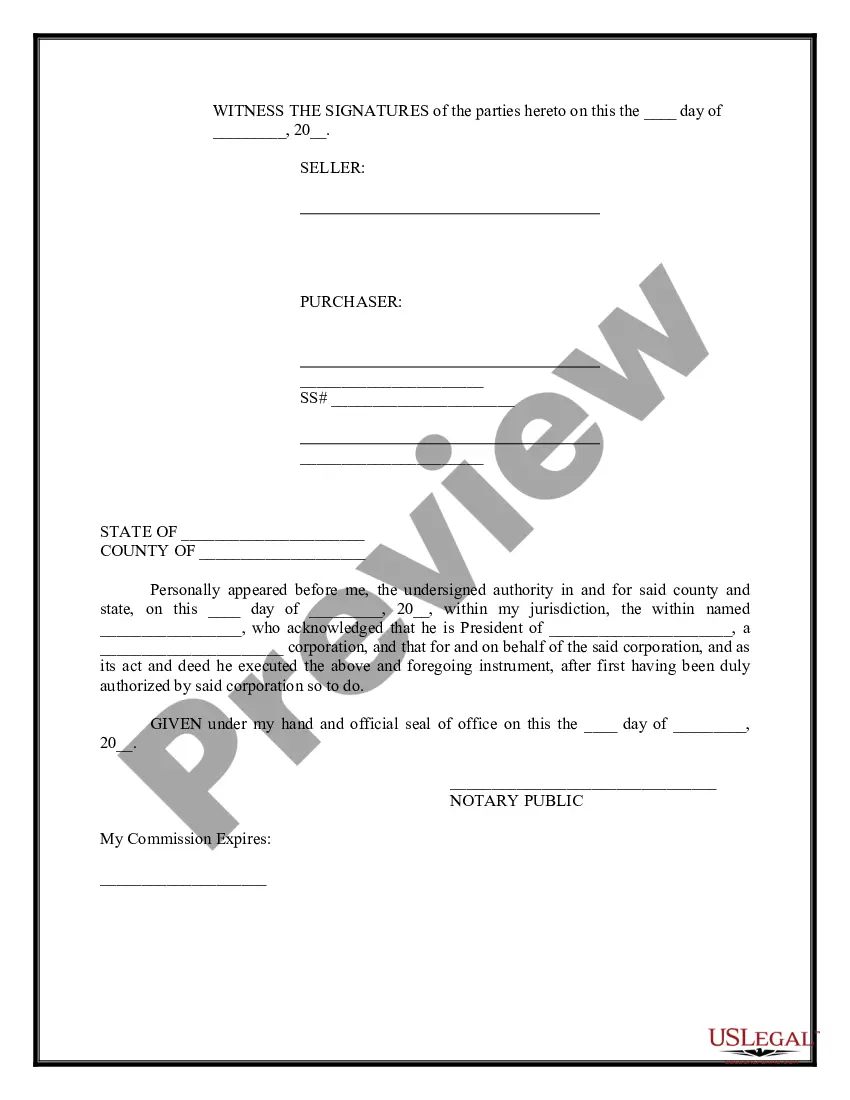
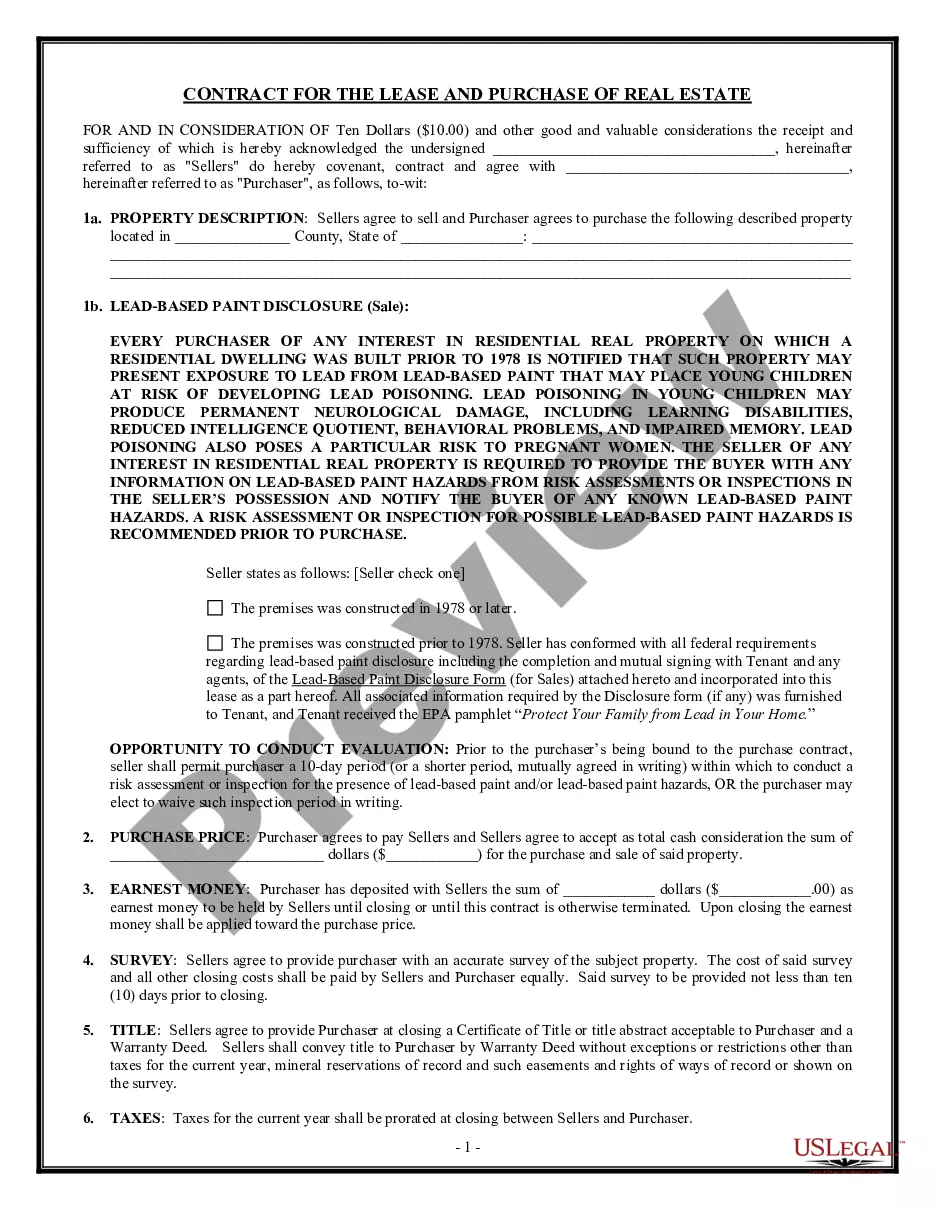
The forfeiture of a downpayment is primarily governed by the terms of the contract between the buyer and the seller. The contract, often referred to as a Contract to Sell or a Reservation Agreement, usually contains specific clauses that detail the conditions under which the downpayment may be forfeited.