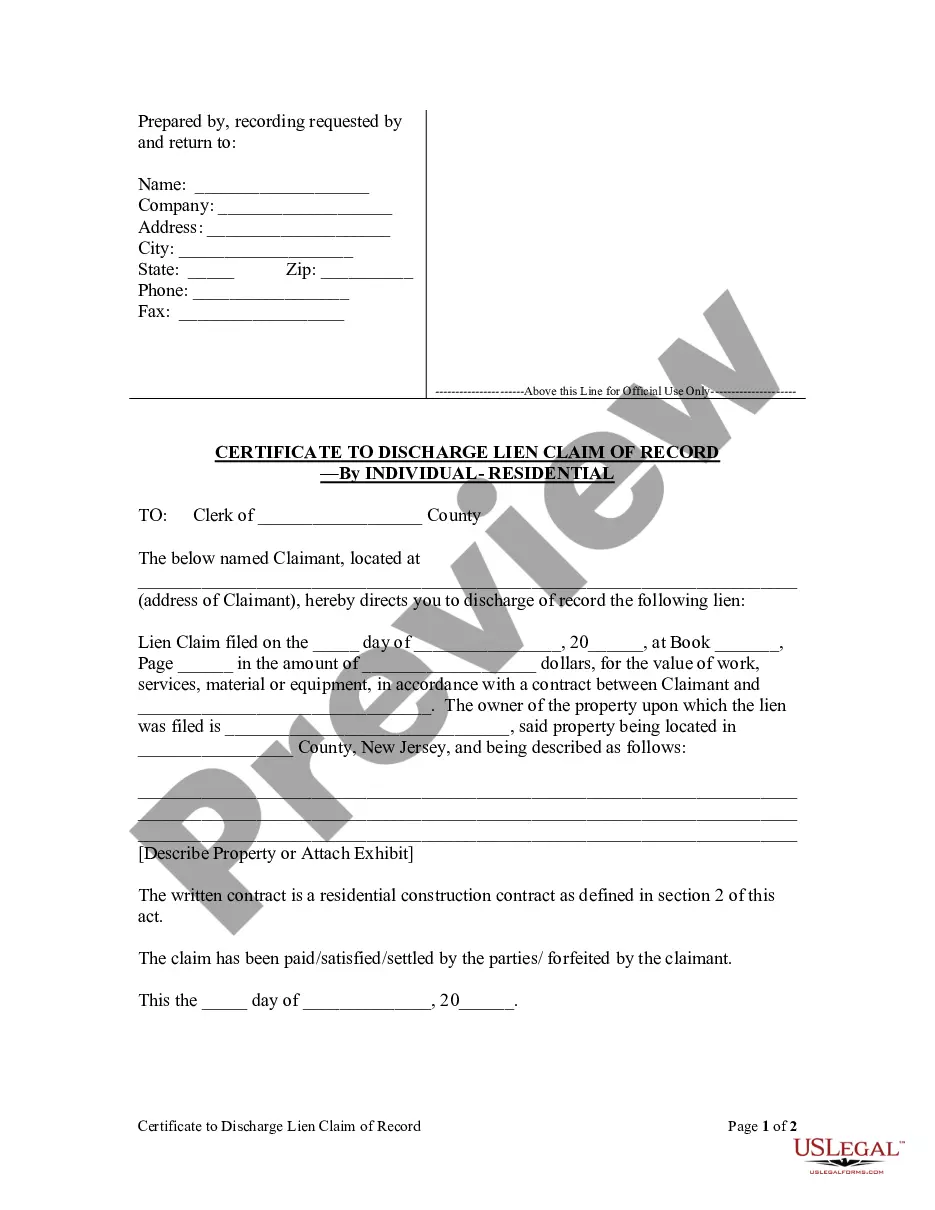
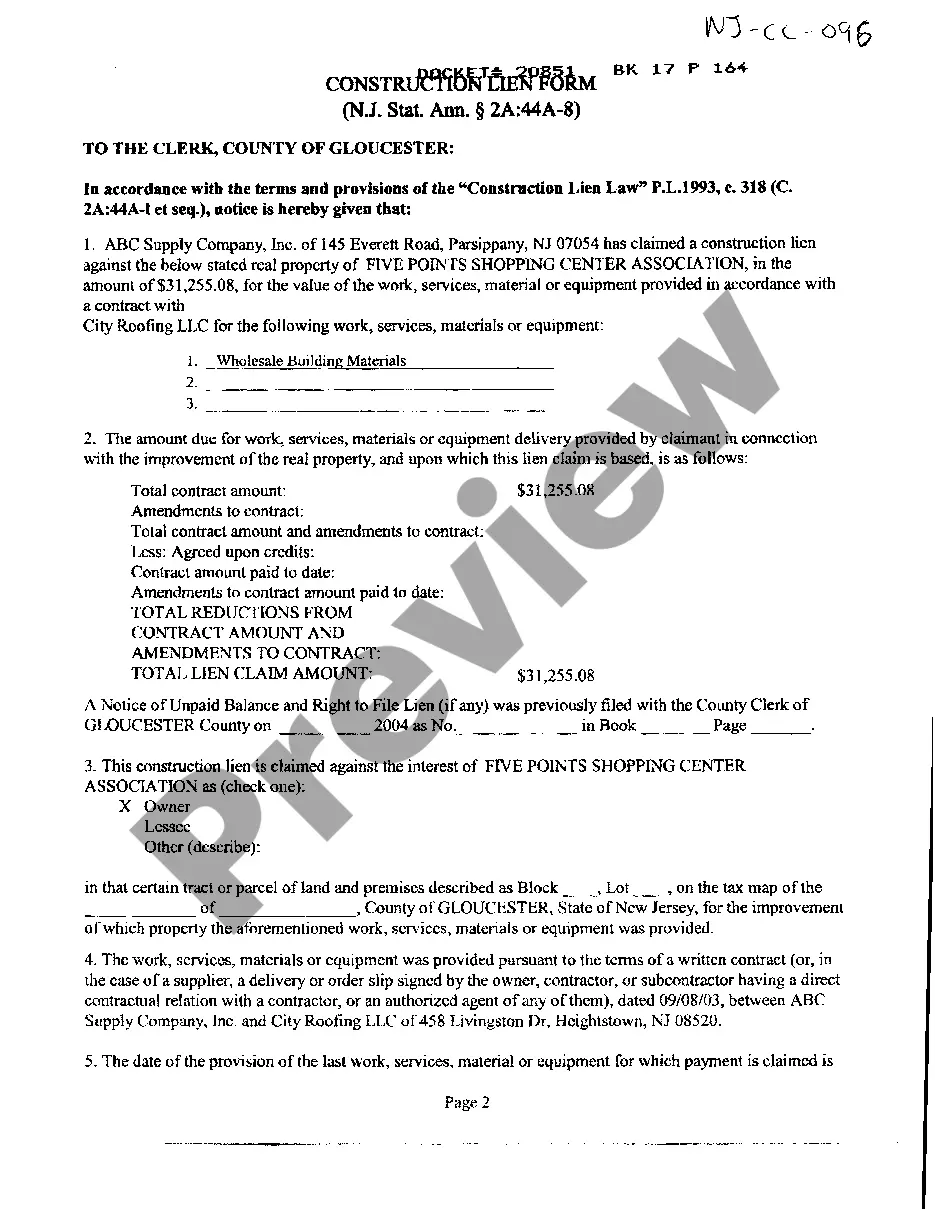
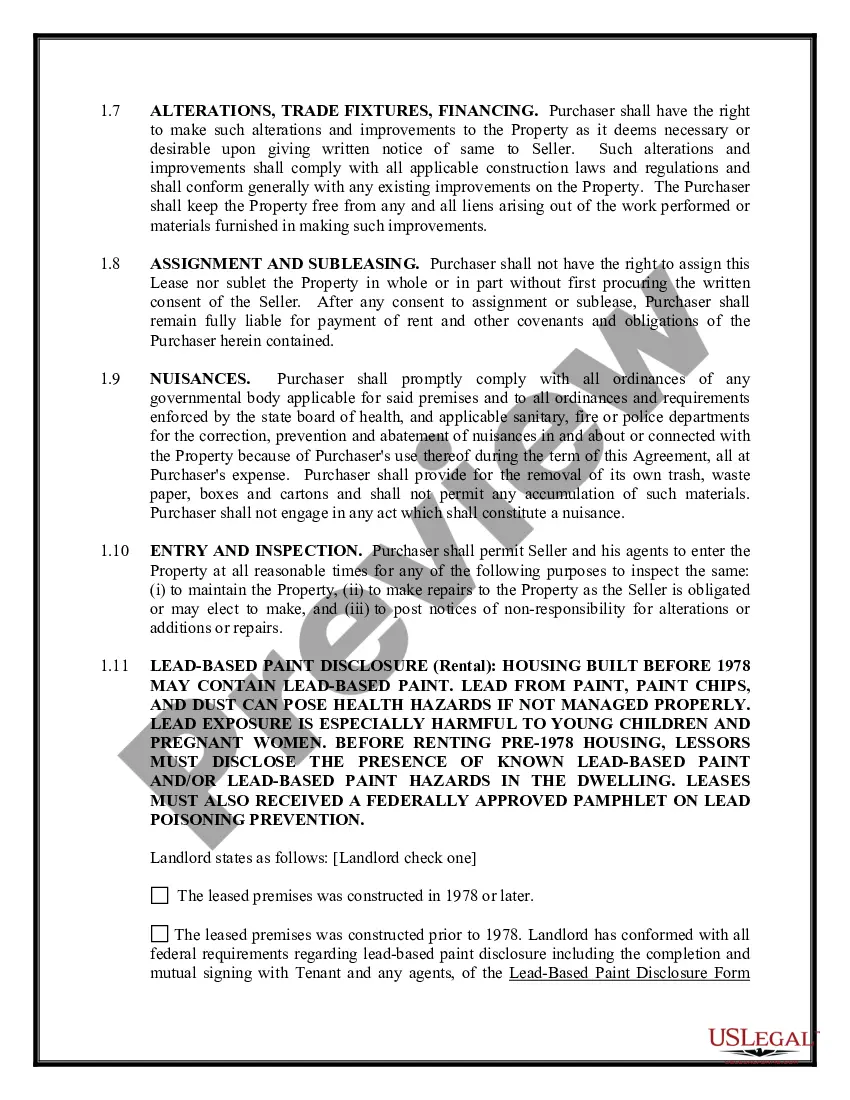
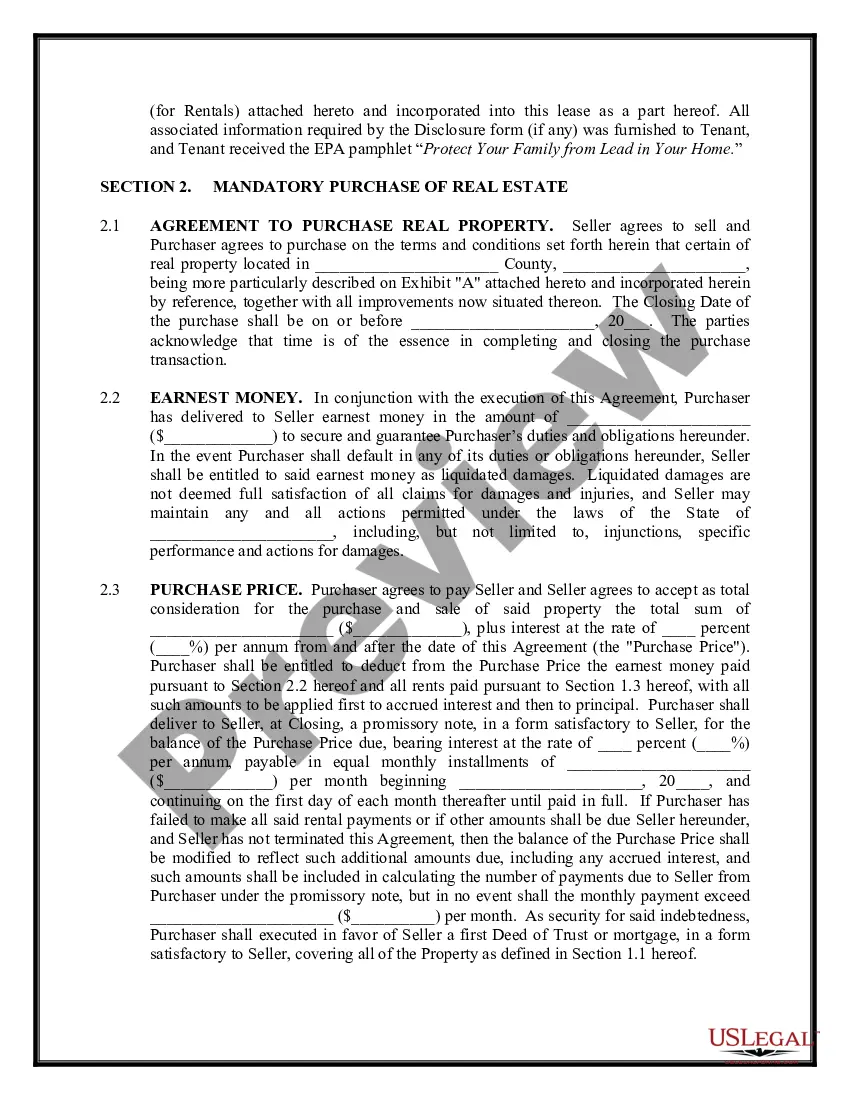
Arrendamiento Bienes Fortuna In Nevada
Description

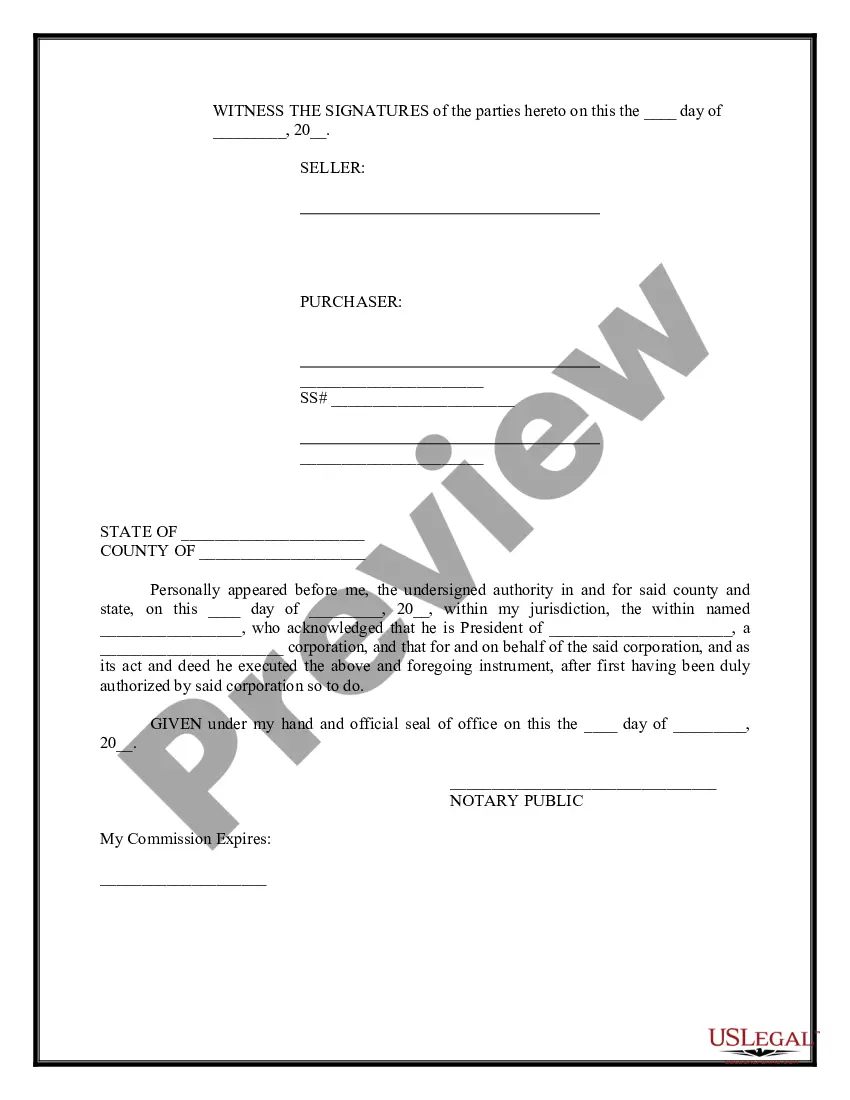
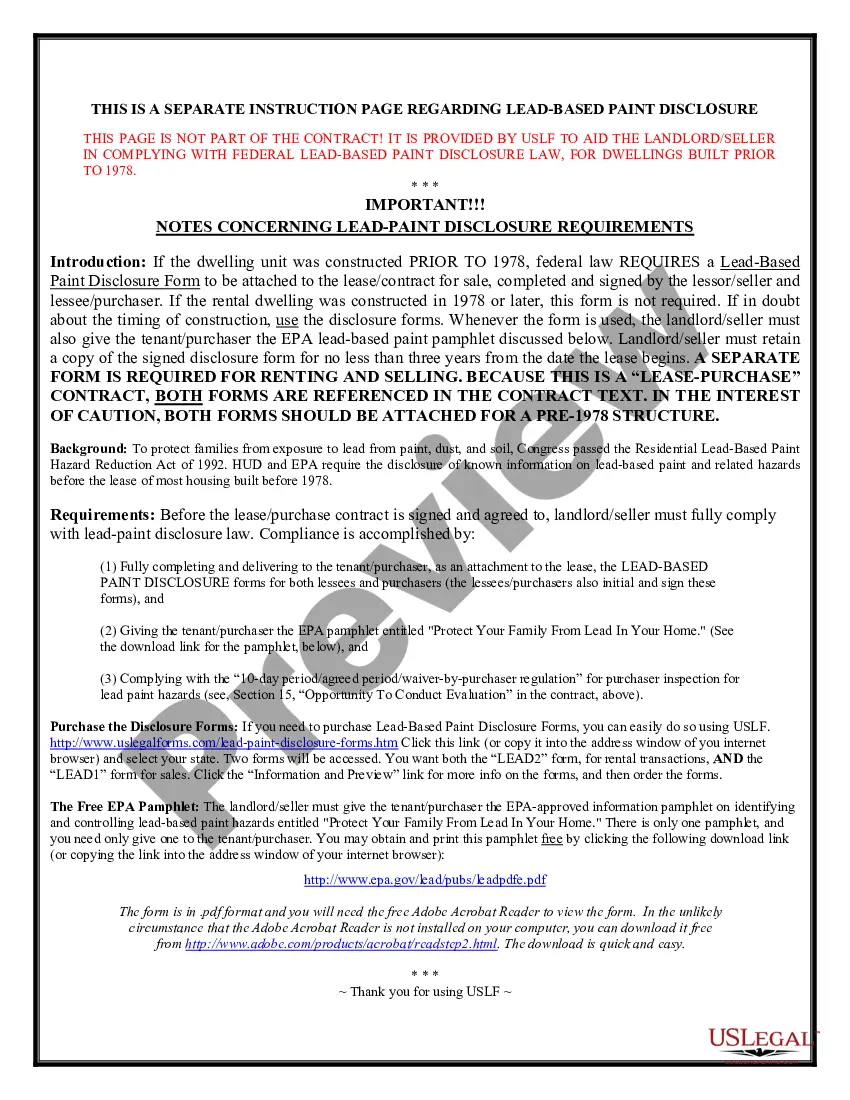
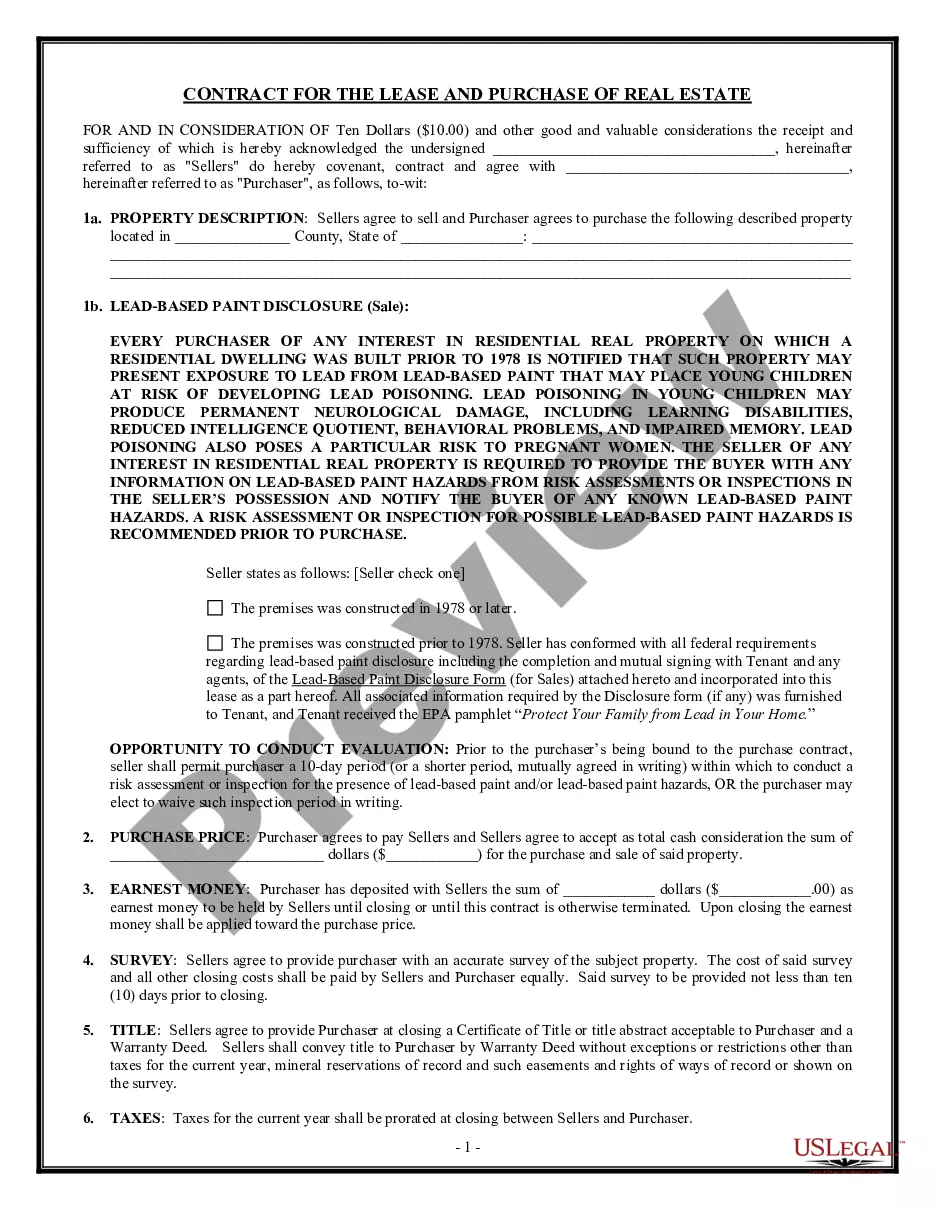
Get your form ready online
Our built-in tools help you complete, sign, share, and store your documents in one place.
Make edits, fill in missing information, and update formatting in US Legal Forms—just like you would in MS Word.
Download a copy, print it, send it by email, or mail it via USPS—whatever works best for your next step.
Sign and collect signatures with our SignNow integration. Send to multiple recipients, set reminders, and more. Go Premium to unlock E-Sign.
If this form requires notarization, complete it online through a secure video call—no need to meet a notary in person or wait for an appointment.
We protect your documents and personal data by following strict security and privacy standards.

Make edits, fill in missing information, and update formatting in US Legal Forms—just like you would in MS Word.

Download a copy, print it, send it by email, or mail it via USPS—whatever works best for your next step.

Sign and collect signatures with our SignNow integration. Send to multiple recipients, set reminders, and more. Go Premium to unlock E-Sign.

If this form requires notarization, complete it online through a secure video call—no need to meet a notary in person or wait for an appointment.

We protect your documents and personal data by following strict security and privacy standards.
Looking for another form?









Form popularity
FAQ
The “Implied Covenant of Quiet Enjoyment” grants your tenant peace and quiet while staying in your rental unit. As the landlord, you're responsible for maintaining a harmonious home environment and keeping the disturbances to your tenants' lives minimal.
Here are the states that do explicitly state when guests are considered tenants: StateWhen guests become tenants California After 14 days within 6 months or 7 consecutive nights Colorado After 14 days, within 6 months Connecticut After 14 days, within 6 months Florida After 14 days within 6 months or 7 consecutive nights19 more rows •
A covenant of quiet enjoyment letter is a letter that a tenant or landlord sends to a landlord or property management company. Its purpose is to formally acknowledge that the covenant of quiet enjoyment has been broken. This letter should describe the major issues that you are facing.
A breach of the quiet enjoyment covenant occurs when a landlord's actions — or inactions — substantially interfere with a tenant's right to use and enjoy their rented property. This covenant is implicit in most lease agreements, even if not explicitly stated, and is protected under landlord-tenant law.
Nevada Unclaimed Property law (NRS 120A) requires all businesses and individuals to report abandoned property to the State Treasurer's Office by October 31 and by April 30th for all insurance entities.
Nevada law requires a thirty-day notice to the tenant (or a seven-day notice if the tenant pays rent weekly), followed by a second five-day Notice to Quit for Unlawful Detainer (after the first notice period has elapsed) instructing the tenant to leave because tenant's presence is now unlawful.