Real Estate Clause For Due Diligence In Nassau
Description

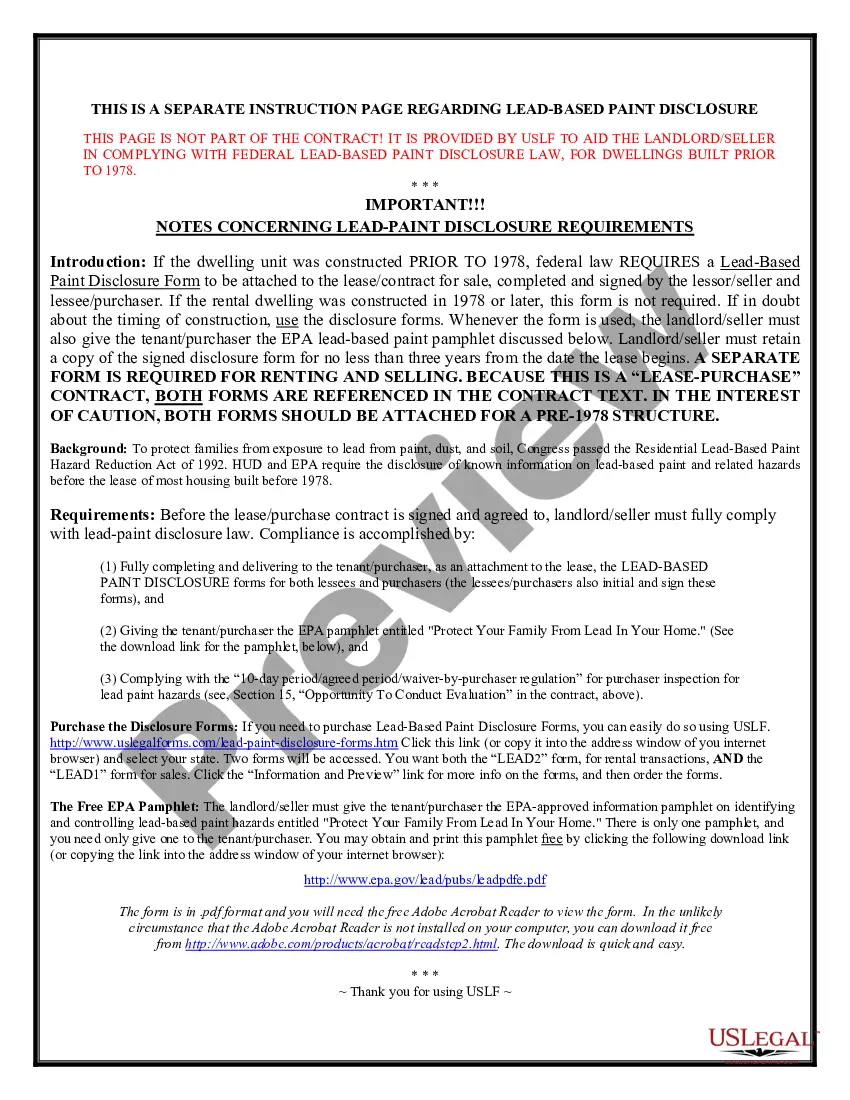
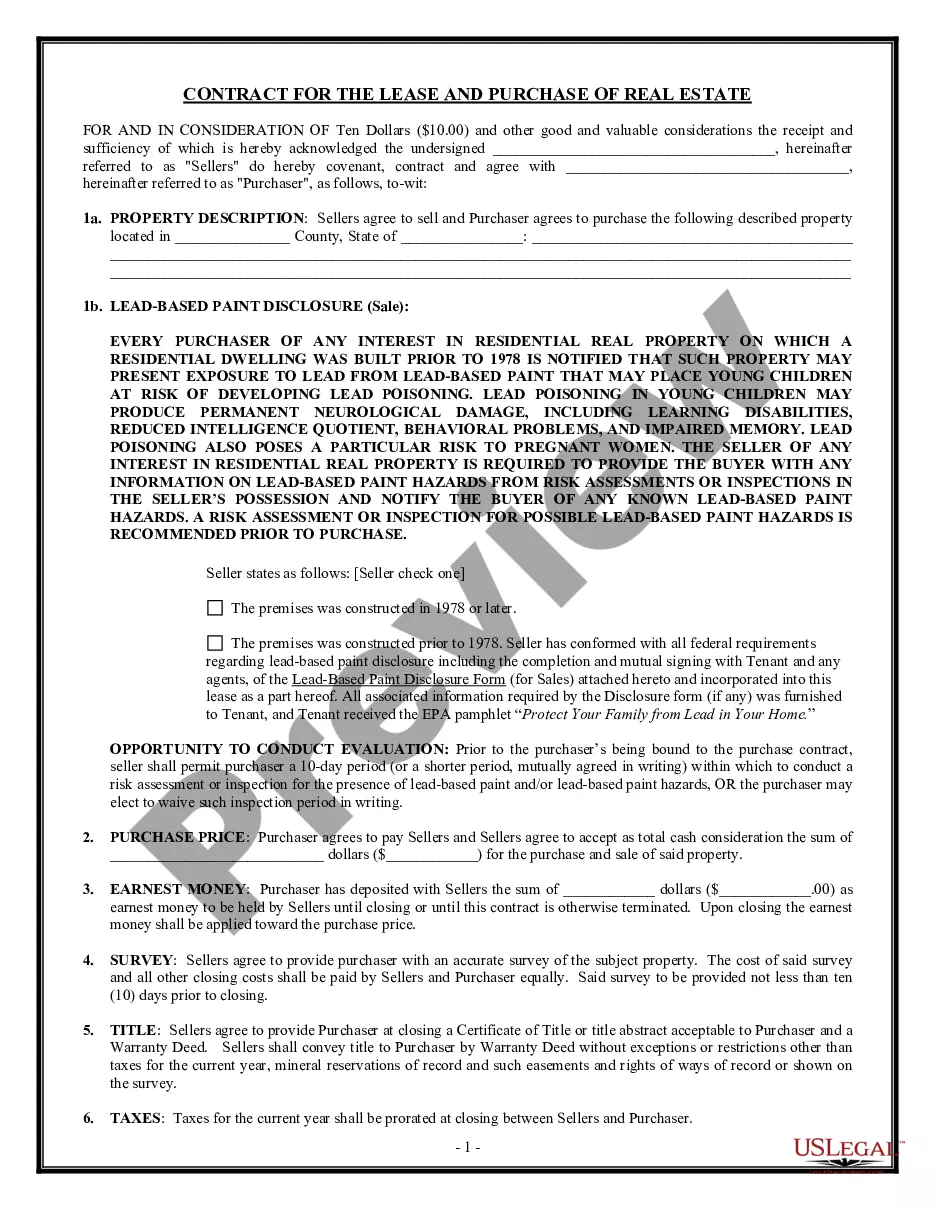
Get your form ready online
Our built-in tools help you complete, sign, share, and store your documents in one place.
Make edits, fill in missing information, and update formatting in US Legal Forms—just like you would in MS Word.
Download a copy, print it, send it by email, or mail it via USPS—whatever works best for your next step.
Sign and collect signatures with our SignNow integration. Send to multiple recipients, set reminders, and more. Go Premium to unlock E-Sign.
If this form requires notarization, complete it online through a secure video call—no need to meet a notary in person or wait for an appointment.
We protect your documents and personal data by following strict security and privacy standards.

Make edits, fill in missing information, and update formatting in US Legal Forms—just like you would in MS Word.

Download a copy, print it, send it by email, or mail it via USPS—whatever works best for your next step.

Sign and collect signatures with our SignNow integration. Send to multiple recipients, set reminders, and more. Go Premium to unlock E-Sign.

If this form requires notarization, complete it online through a secure video call—no need to meet a notary in person or wait for an appointment.

We protect your documents and personal data by following strict security and privacy standards.
Looking for another form?




Form popularity
FAQ
A back up offer can be signed by both the vendor and a backup purchaser if there is already a live contract in place provided it is still conditional. Naturally, the vendors want the most favourable deal or other options should the initial contract fall through.
Due diligence is an agreed time period to carry out your checks to ensure the property is as you expect. It is typically ten working days long and only occurs with conditional offers, as unconditional offers are final once accepted by the seller.
While Customer Due Diligence (CDD) establishes the groundwork for risk assessment, Enhanced Due Diligence (EDD) builds upon it by introducing additional measures to achieve a more comprehensive understanding of high-risk customers.
There are three levels of customer due diligence: standard, simplified, and enhanced. The level of customer due diligence that needs to be applied is derived from a customer's risk score, which should be calculated when onboarding a customer and during the ongoing due diligence process.
Simplified Customer Due Diligence is a more relaxed due diligence procedure used for low-risk customers. Regular Customer Due Diligence is the standard procedures used for low-risk customers. Enhanced Customer Due Diligence refers to procedures that have been strengthened for high-risk customers.
Simplified Customer Due Diligence is a more relaxed due diligence procedure used for low-risk customers. Regular Customer Due Diligence is the standard procedures used for low-risk customers. Enhanced Customer Due Diligence refers to procedures that have been strengthened for high-risk customers.
What is EDD in the KYC process? Enhanced due diligence (EDD) is the know your customer (KYC) process of gathering data and information to verify the identity of a client or customer.
SDD involves a simplified set of verification procedures compared to Customer Due Diligence (CDD) and Enhanced Due Diligence (EDD), which are employed for higher-risk situations requiring more thorough checks.
Due diligence is the steps an organization takes to thoroughly investigate and verify an entity before initiating a business arrangement, whether that's with a vendor, a third party or a client. In the general business sense, due diligence means vetting issues that affect the business thoughtfully and carefully.
There are many possible examples of due diligence. Some common examples include investigating the financials of a company before making an investment, researching a person's background before hiring them, or reviewing environmental impact reports before committing to a construction project.