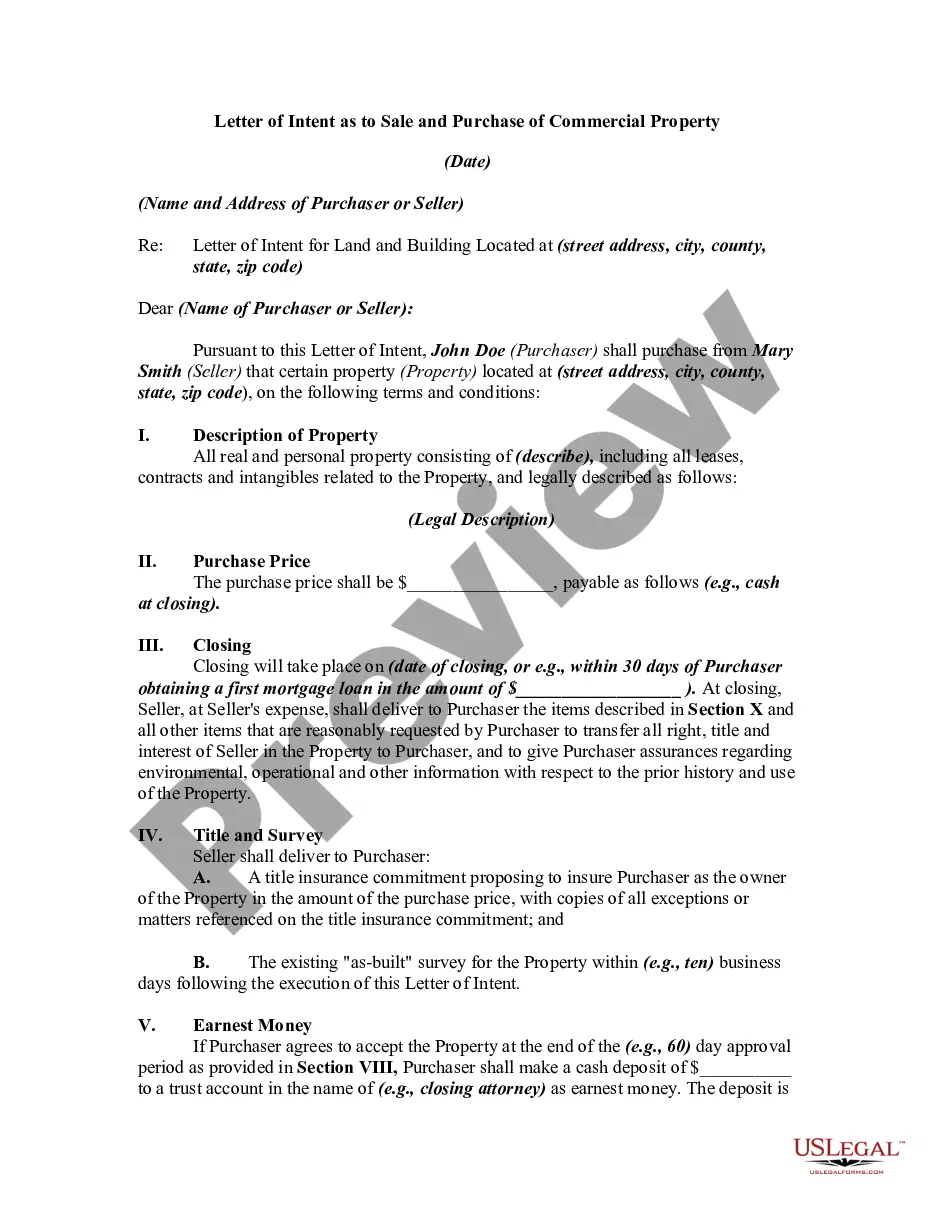
Real Property Clause In Will In Montgomery
Description

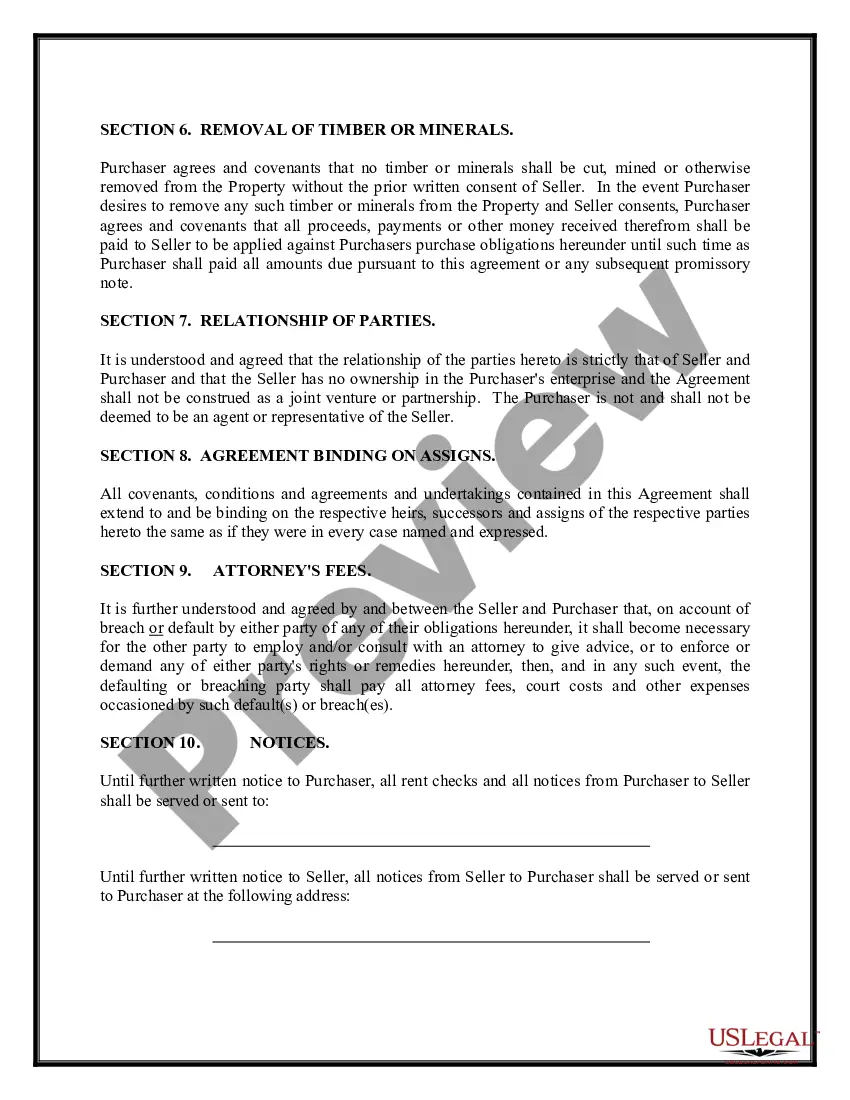
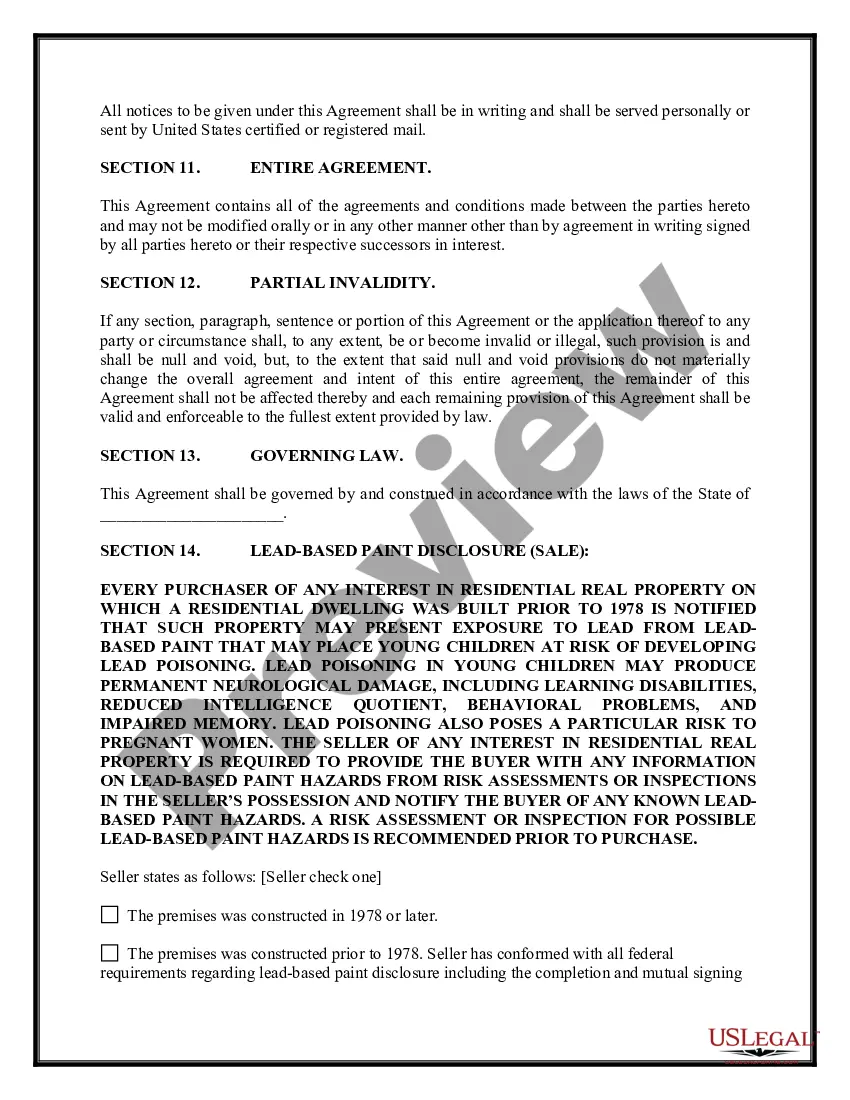
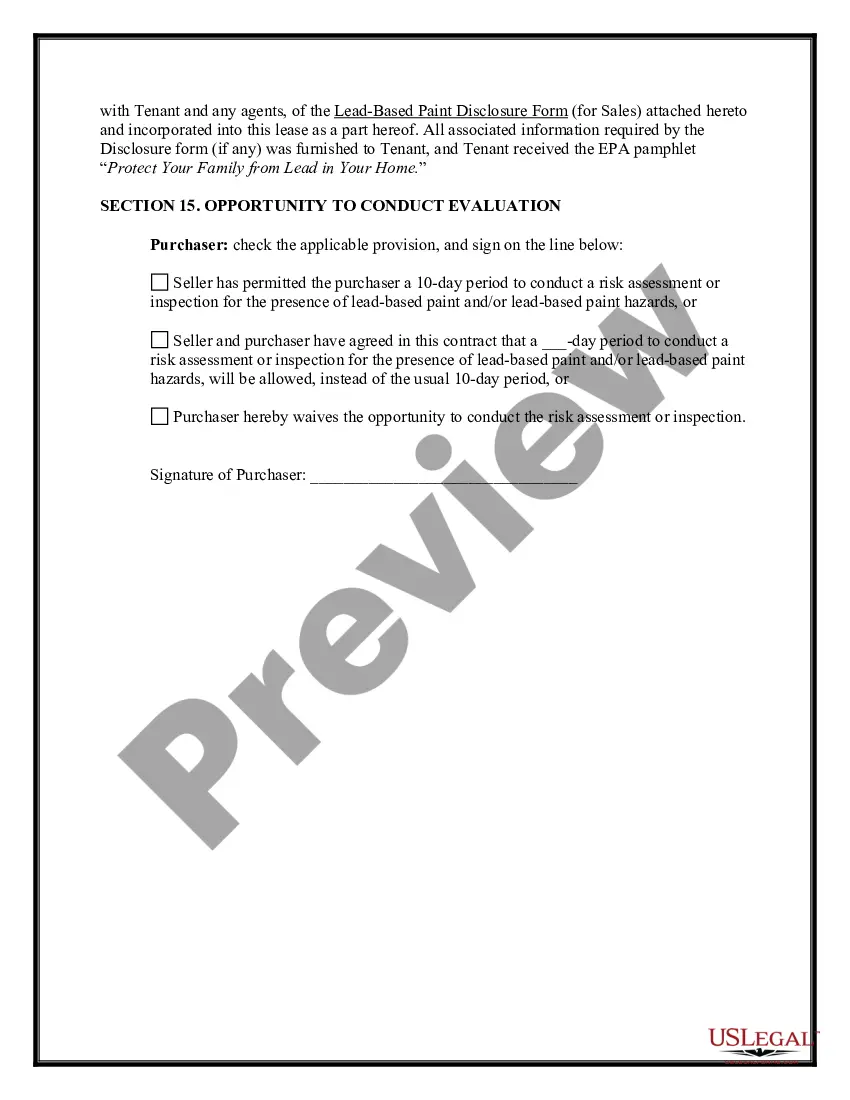
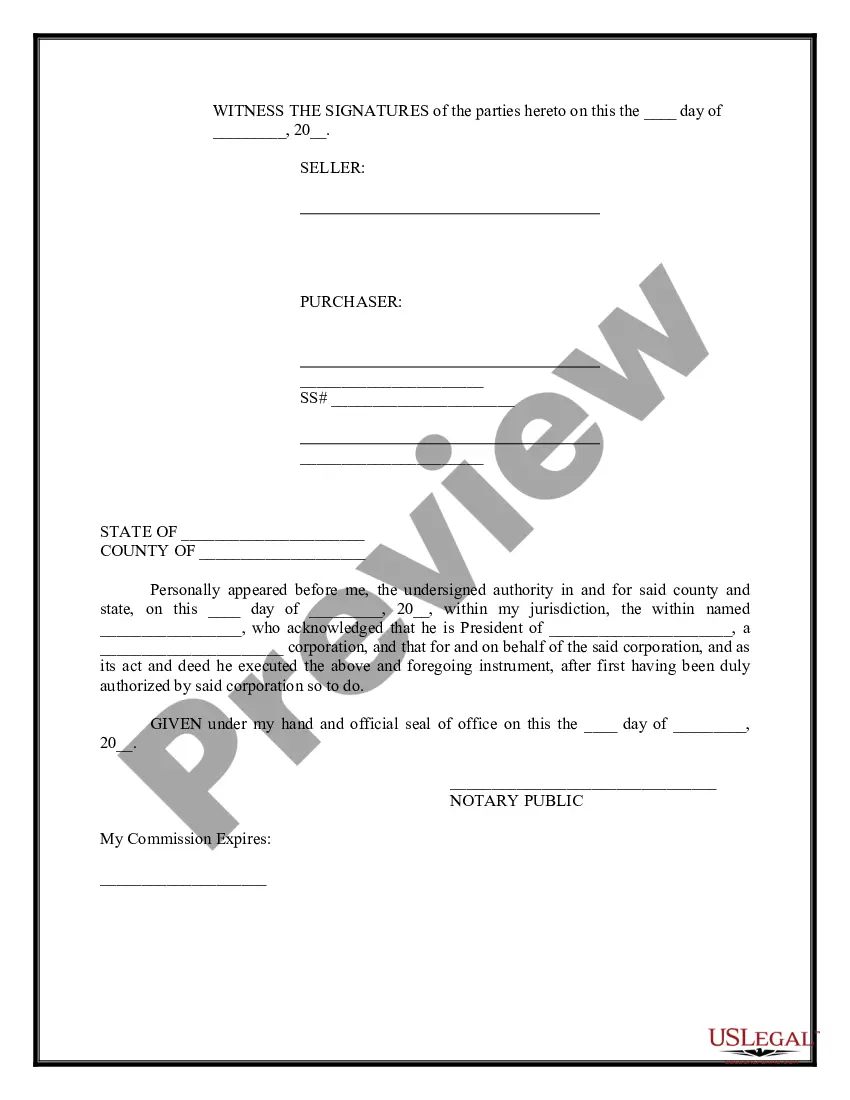
Get your form ready online
Our built-in tools help you complete, sign, share, and store your documents in one place.
Make edits, fill in missing information, and update formatting in US Legal Forms—just like you would in MS Word.
Download a copy, print it, send it by email, or mail it via USPS—whatever works best for your next step.
Sign and collect signatures with our SignNow integration. Send to multiple recipients, set reminders, and more. Go Premium to unlock E-Sign.
If this form requires notarization, complete it online through a secure video call—no need to meet a notary in person or wait for an appointment.
We protect your documents and personal data by following strict security and privacy standards.

Make edits, fill in missing information, and update formatting in US Legal Forms—just like you would in MS Word.

Download a copy, print it, send it by email, or mail it via USPS—whatever works best for your next step.

Sign and collect signatures with our SignNow integration. Send to multiple recipients, set reminders, and more. Go Premium to unlock E-Sign.

If this form requires notarization, complete it online through a secure video call—no need to meet a notary in person or wait for an appointment.

We protect your documents and personal data by following strict security and privacy standards.
Looking for another form?

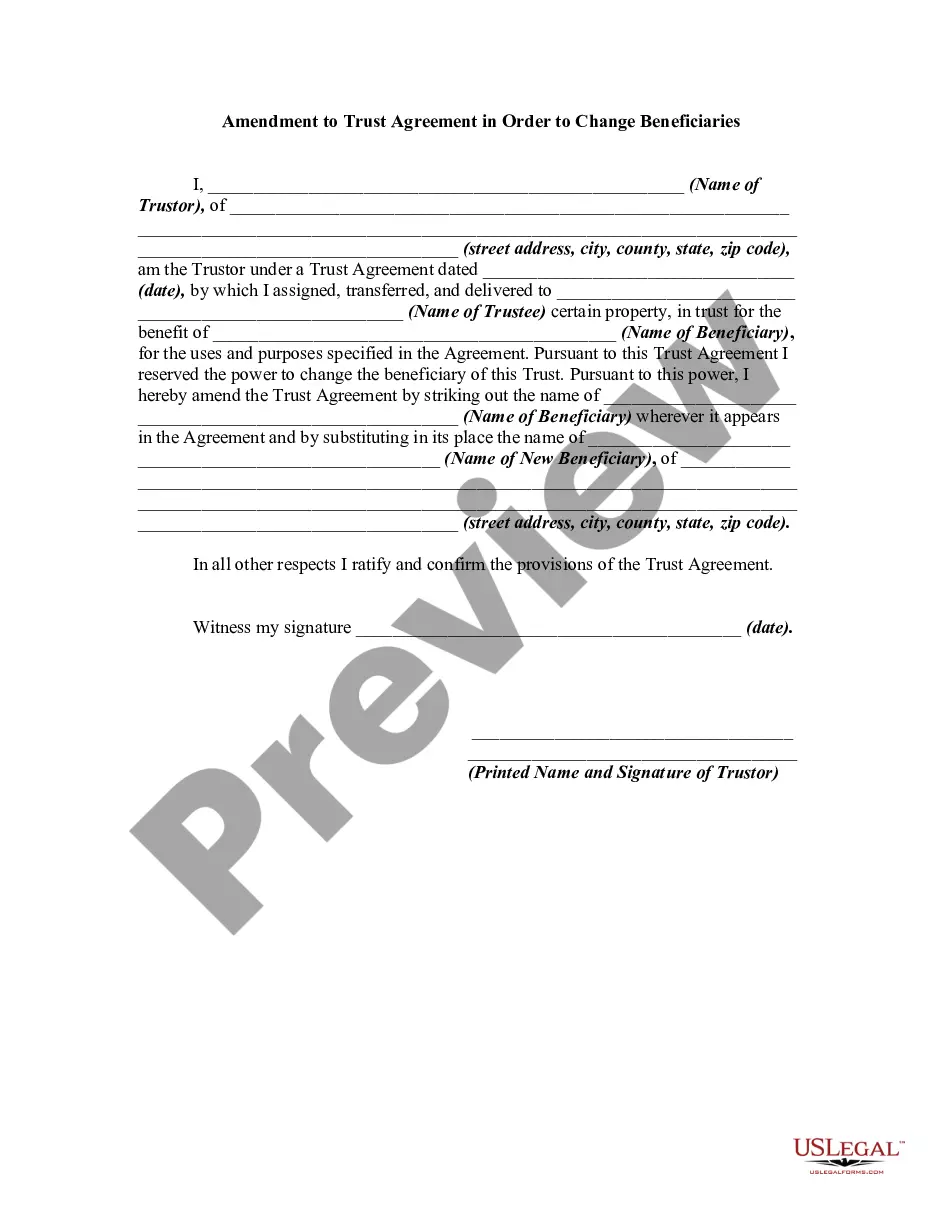





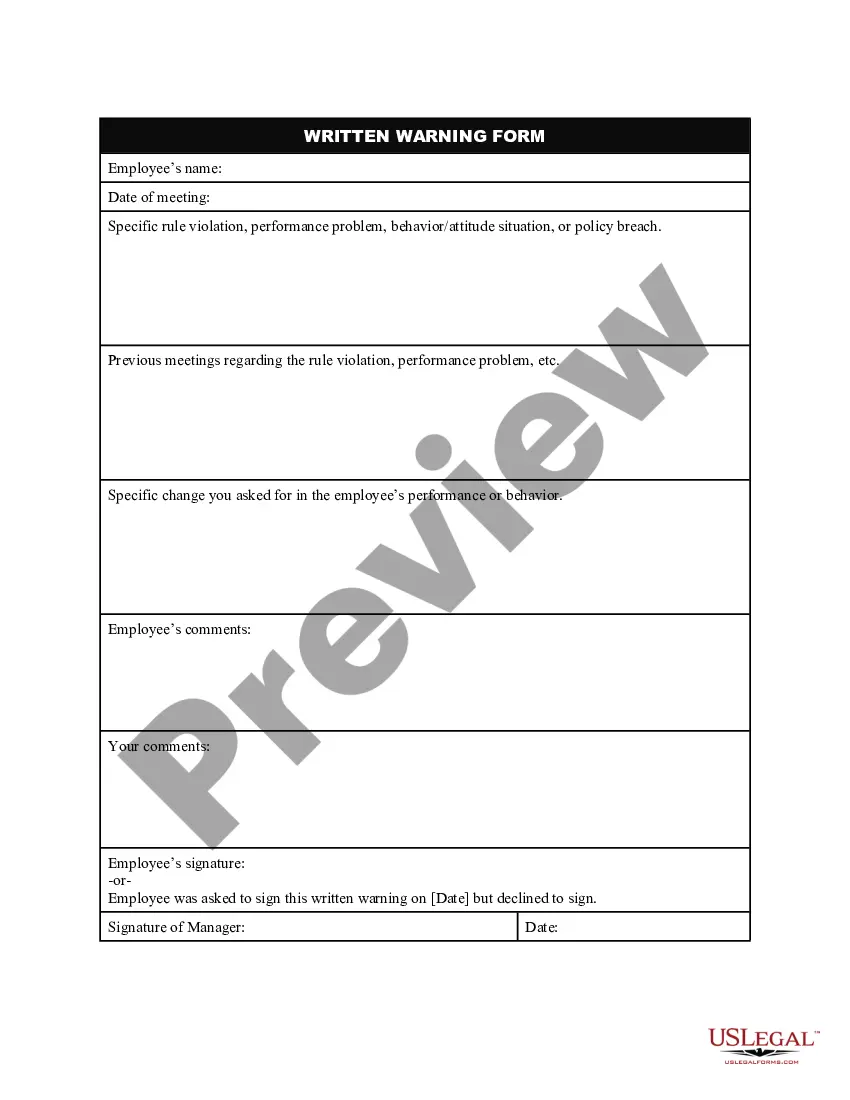
Form popularity
FAQ
Property held as “payable on death” will pass to the designated beneficiaries. Assets that are held in a revocable or irrevocable trust will pass to the beneficiaries named under the trust instrument without going through probate (unless the trust terminates and provides the assets are to be distributed to the estate).
The process of distributing property under your Will is accomplished with a court proceeding referred to as “probate.” The probate process involves the Court appointing an executor (the “Personal Representative”), who is a person responsible for locating property, paying final debts and taxes, and distributing property ...
A probate court monitors the probate process, which means the probate court can also have an executor removed. You can petition the court to have the executor removed, and once the old executor is removed, the court will find another representative to handle the estate.
When the owner of a house dies and there is a Will, the house will pass to the beneficiary named in the document. Once Probate court has validated the Will, the Executor can assist with transferring the property to the heir. This is typically the simplest way to transfer the home after an owner dies.
Do transfer on death deeds work in Maryland? No, Maryland does not recognize transfer on death deeds. These types of deeds allow for property to transfer to a named recipient as soon as the property owner dies.
Timelines for transferring property after the owner's death vary by state and can range from a few months to over a year.
One of the most effective strategies to bypass Maryland probate is establishing a Revocable Living Trust. This flexible tool allows you to retain control over your assets during your lifetime, with the ability to alter or dissolve the trust as your circumstances or wishes change.
A probate attorney can help you determine if the estate needs to go through the probate process. Regular Estate - property of the decedent subject to administration in Maryland is es- tablished to have a value in excess of $50,000 (in excess of $100,000 if spouse is sole heir).
First and foremost, there are a number of asset types that typically do not pass through probate. This includes life insurance policies, bank accounts, and investment or retirement accounts that require you to name a beneficiary.