Real Estate Clause In A Will In Minnesota
Description

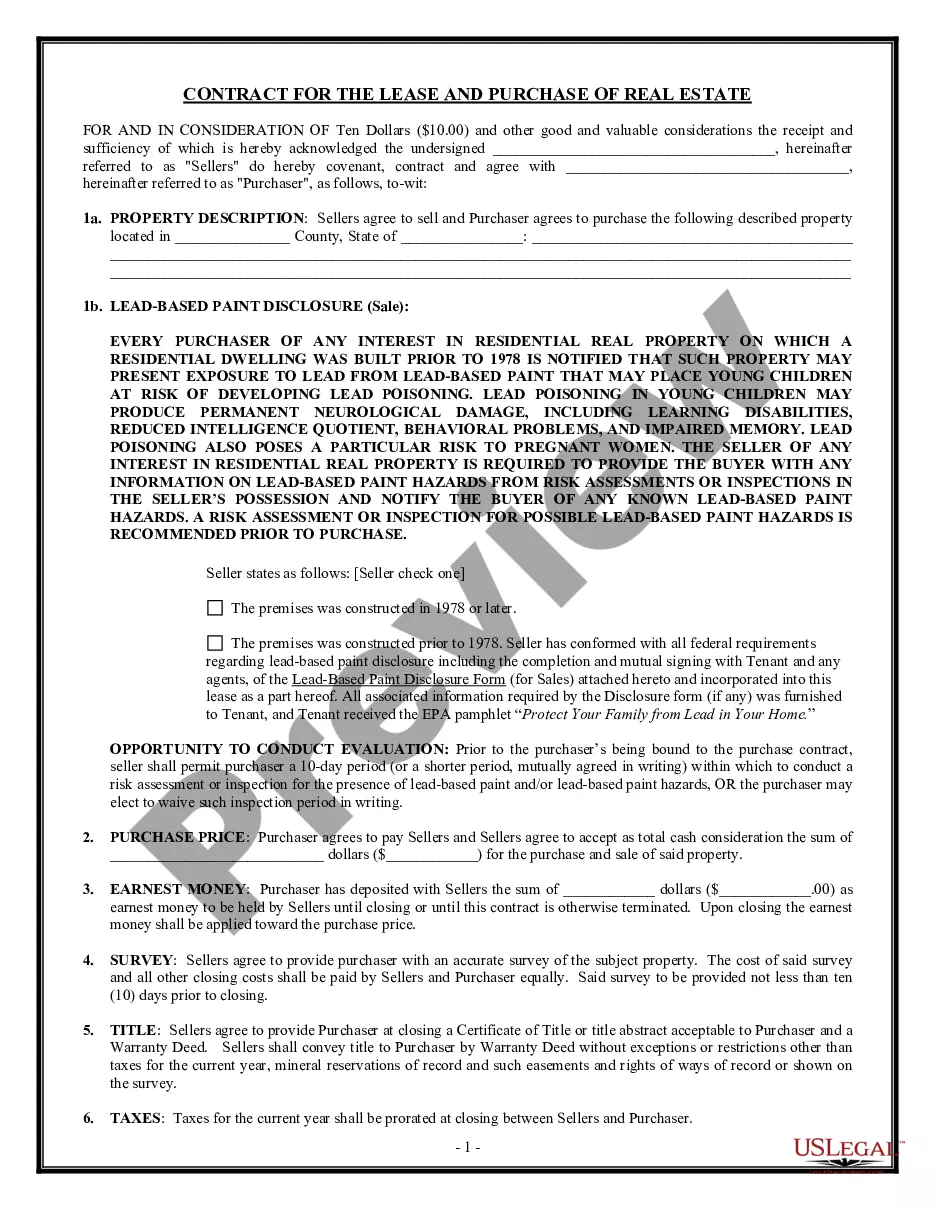
Get your form ready online
Our built-in tools help you complete, sign, share, and store your documents in one place.
Make edits, fill in missing information, and update formatting in US Legal Forms—just like you would in MS Word.
Download a copy, print it, send it by email, or mail it via USPS—whatever works best for your next step.
Sign and collect signatures with our SignNow integration. Send to multiple recipients, set reminders, and more. Go Premium to unlock E-Sign.
If this form requires notarization, complete it online through a secure video call—no need to meet a notary in person or wait for an appointment.
We protect your documents and personal data by following strict security and privacy standards.

Make edits, fill in missing information, and update formatting in US Legal Forms—just like you would in MS Word.

Download a copy, print it, send it by email, or mail it via USPS—whatever works best for your next step.

Sign and collect signatures with our SignNow integration. Send to multiple recipients, set reminders, and more. Go Premium to unlock E-Sign.

If this form requires notarization, complete it online through a secure video call—no need to meet a notary in person or wait for an appointment.

We protect your documents and personal data by following strict security and privacy standards.
Looking for another form?


Form popularity
FAQ
At times, it may be the only key clause in the Will, given that the testator has no specific instructions for specific assets. The residuary clause in the Will is also known as a “catch-all clause” as it prevents any asset from being “left out”.
Real estate can come in many forms - from homes to land to property to buildings, and your Will should make it very clear who gets which properties.
Understanding Beneficiary Clauses The term beneficiary refers to the specification of the recipient of funds or other benefits as specified in a policy or trust. Typically, any person or entity can be named a beneficiary of a trust, will, or life insurance policy.
Typically, executors have the authority to sell property without needing unanimous consent from all heirs. However, if the decision to sell is contested, an executor might need to seek approval from the probate court.
A valid will can be very simple or very complex, but you'll likely see the following provisions in a typical will. Exordium Clause. Specific, General, and Residual Bequests of Property. Survivorship Clauses. Appointment of the Executor. Executor's Powers. Guardians for Young Children and Their Property.
Yes. In most jurisdictions you can refuse an inheritance in a will through either a disclaimer, waiver, or written agreement depending on the jurisdiction and situation.
Giving clauses: These generally leave specific bequests, or property identified by name and description, to specific beneficiaries and explain what property goes to which person and under what circumstance. Specific clauses may be unnecessary if the survival clause catches everything. However, they may both be used.
Unless real estate is owned in joint tenancy with right of survivorship or placed into a trust, it must be probated.
To avoid probate in Minnesota for real estate, you can set up joint tenancy with co-owners, establish a living trust, or complete a Transfer on Death Deed and file it with the relevant county. Each of these options is an effective way to keep your real estate out of probate.
Minnesota law does not set a specific timeline for settling an estate, but it generally should be done as "expeditiously and efficiently as is compatible with the best interests of the estate." Delays can result in additional expenses and even legal repercussions for the executor.