Assignment Clause Real Estate For Sale In Middlesex
Description

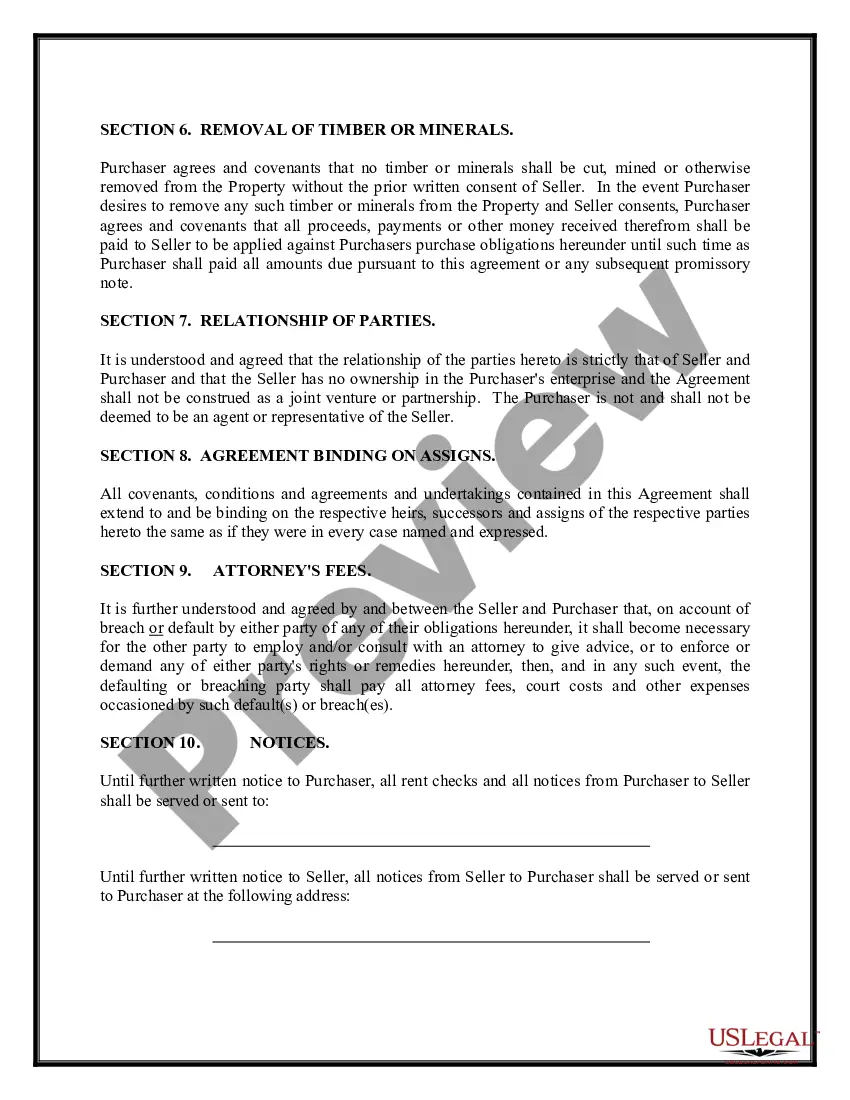
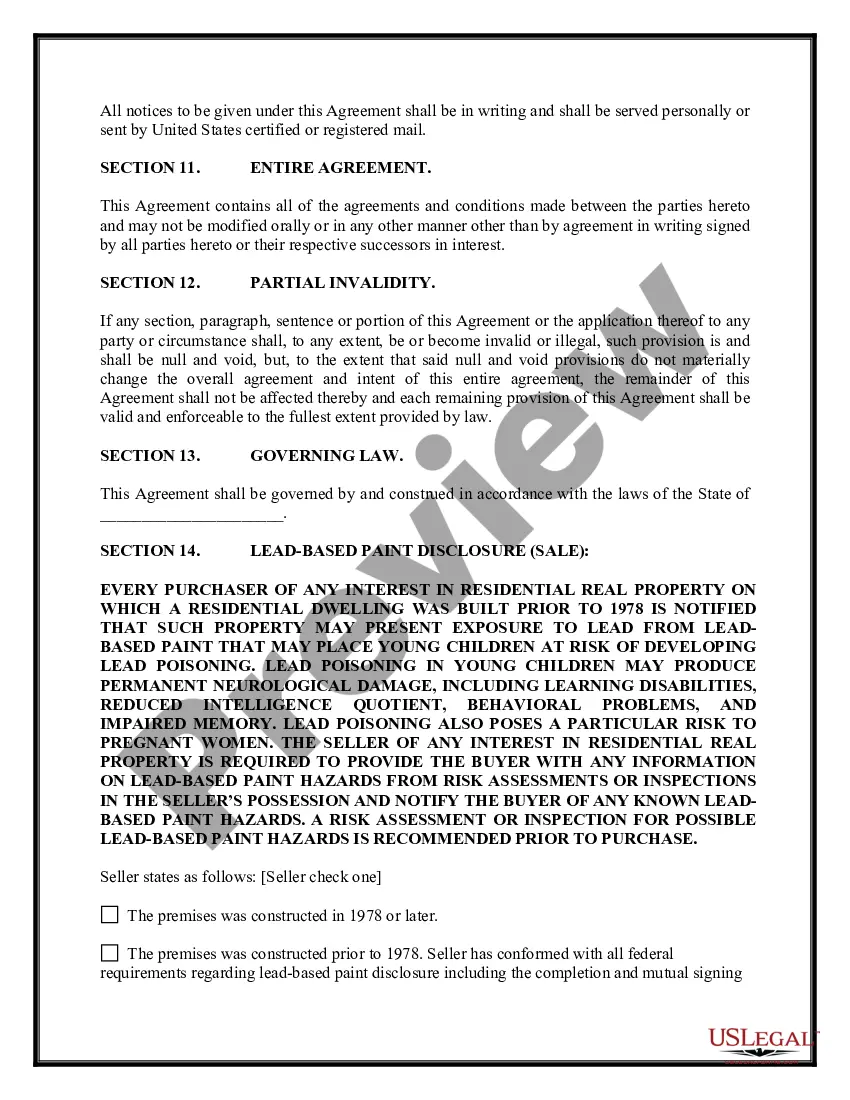
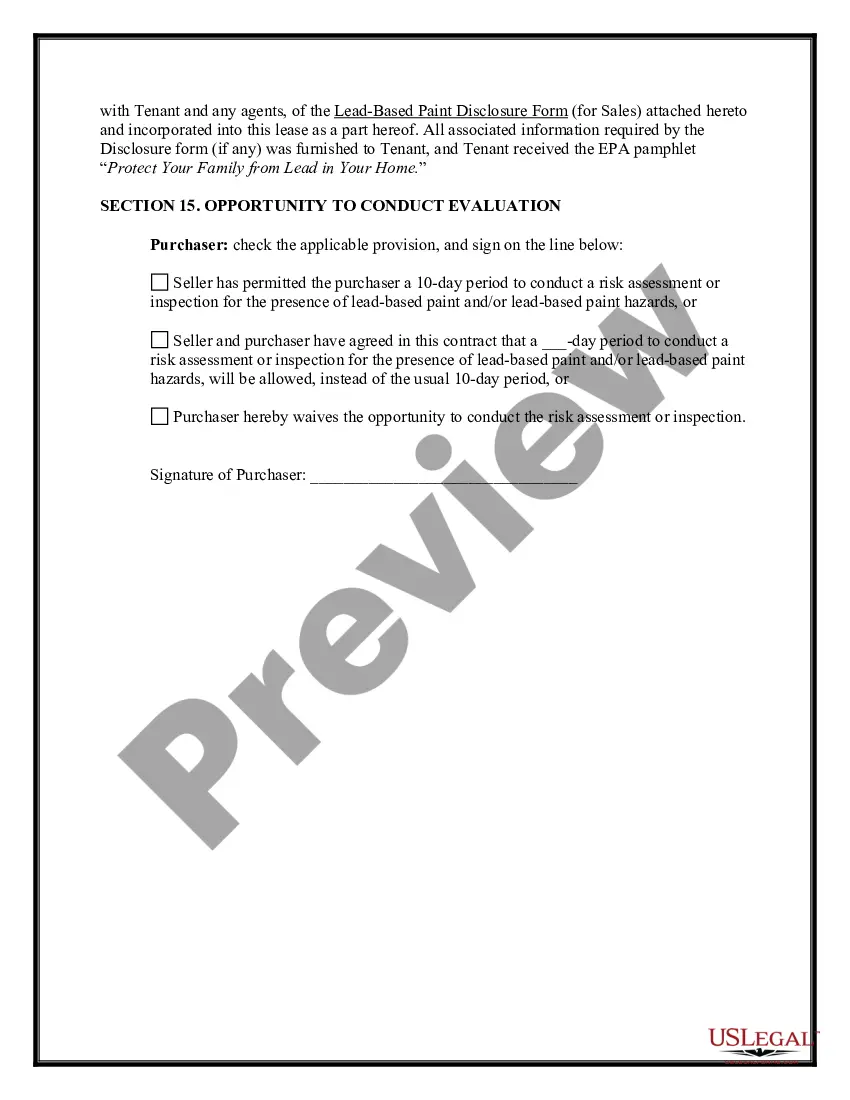
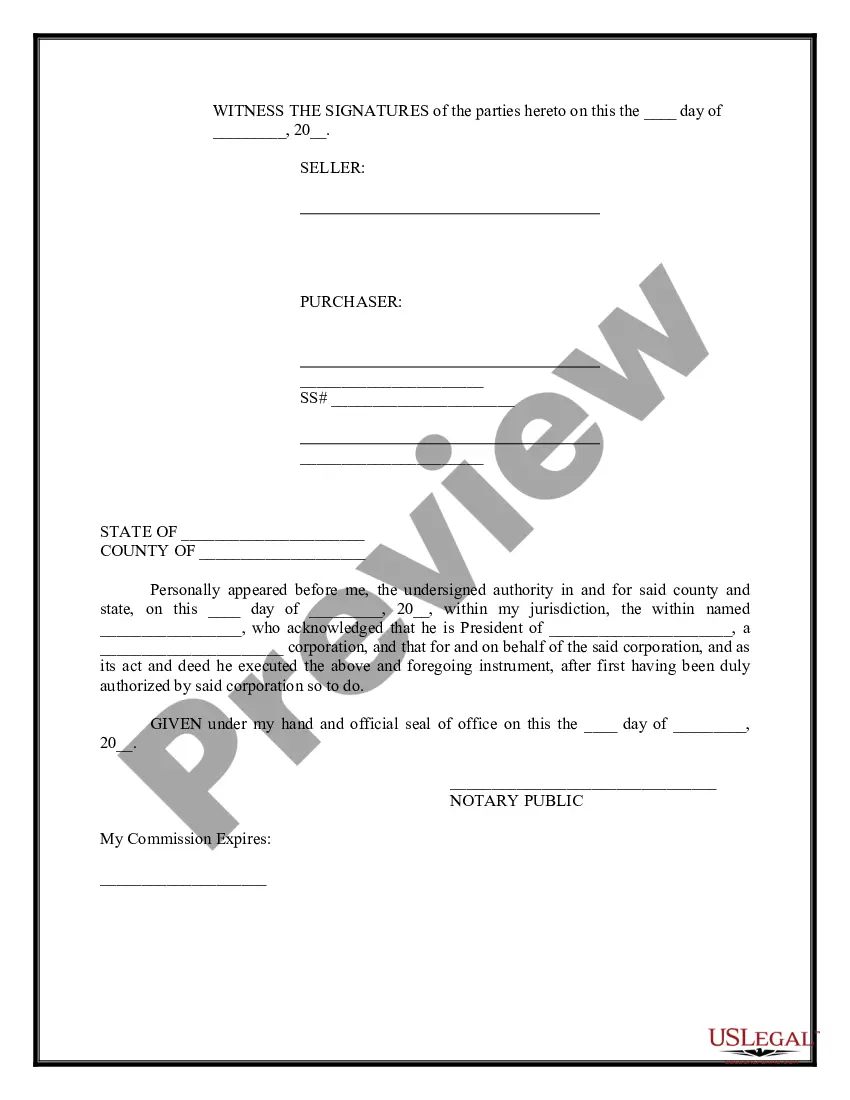
Get your form ready online
Our built-in tools help you complete, sign, share, and store your documents in one place.
Make edits, fill in missing information, and update formatting in US Legal Forms—just like you would in MS Word.
Download a copy, print it, send it by email, or mail it via USPS—whatever works best for your next step.
Sign and collect signatures with our SignNow integration. Send to multiple recipients, set reminders, and more. Go Premium to unlock E-Sign.
If this form requires notarization, complete it online through a secure video call—no need to meet a notary in person or wait for an appointment.
We protect your documents and personal data by following strict security and privacy standards.
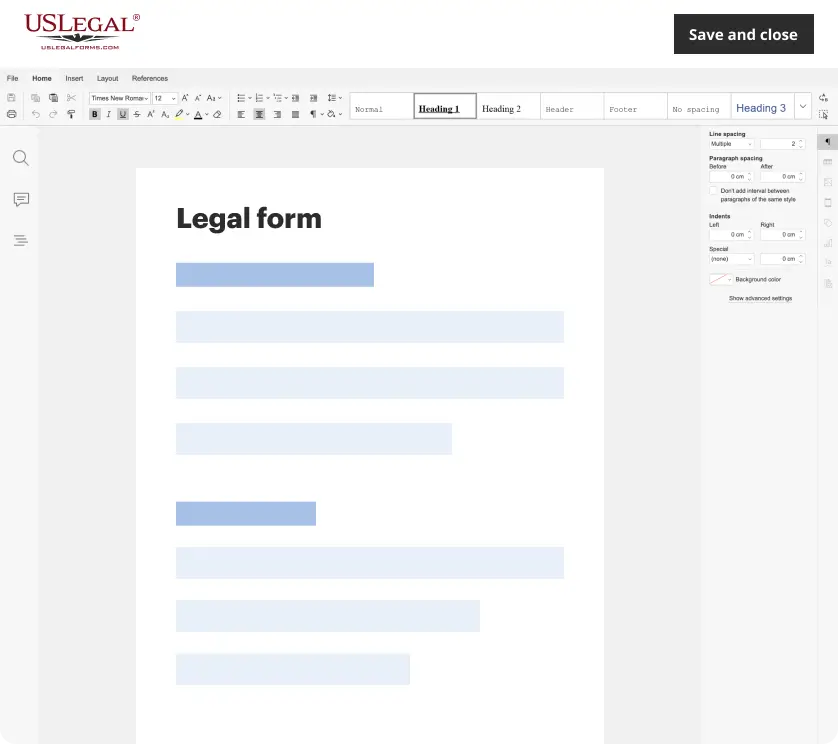
Make edits, fill in missing information, and update formatting in US Legal Forms—just like you would in MS Word.
Download a copy, print it, send it by email, or mail it via USPS—whatever works best for your next step.
Sign and collect signatures with our SignNow integration. Send to multiple recipients, set reminders, and more. Go Premium to unlock E-Sign.

If this form requires notarization, complete it online through a secure video call—no need to meet a notary in person or wait for an appointment.
We protect your documents and personal data by following strict security and privacy standards.
Looking for another form?








Form popularity
FAQ
The assignor must agree to assign their rights and duties under the contract to the assignee. The assignee must agree to accept, or "assume," those contractual rights and duties. The other party to the initial contract must consent to the transfer of rights and obligations to the assignee.
The thrust of the assignment clause is that the buyer can rent, lease, repair, sell, or assign the property. To “assign” simply means to hand off the benefits and obligations of a contract from one party to another. In short, it's the transfer of contractual rights.
The authorised signatory can be the party themselves (e.g a person), a group of people (e.g. jointly liable tenants) or a signatory of the party where the party is a person (e.g. power of attorney) or a company (e.g. director).
If you communicate clearly, then this is typically not an issue. This is because the seller has signed a legal and binding contract, which makes them obligated to fulfill the terms of the contract. You have every right to perform an assignment of contract when everything has been done legally.
Assignment allows the assignor to transfer the benefit of a contract to the assignee. For example, the tenant of recently built office premises may transfer the benefit of a collateral warranty originally granted in its favour to a subsequent tenant.
An assignment transfers all of the rights of the assignor to the assignee. The assignee thus “stands in the shoes” of the assignor, taking the assignor's rights and remedies subject to any defenses that the obligor has or had against the assignor before receiving notice of the assignment.
The thrust of the assignment clause is that the buyer can rent, lease, repair, sell, or assign the property. To “assign” simply means to hand off the benefits and obligations of a contract from one party to another. In short, it's the transfer of contractual rights.
An assignment of contract is a legal clause that allows for one party of a contract to transfer the rights, obligations, and responsibilities of that contract to another party. The party who is giving away the responsibility of the contract is the assignor and the party receiving is the assignee.