Real Estate Clause In A Will In Maryland
Description

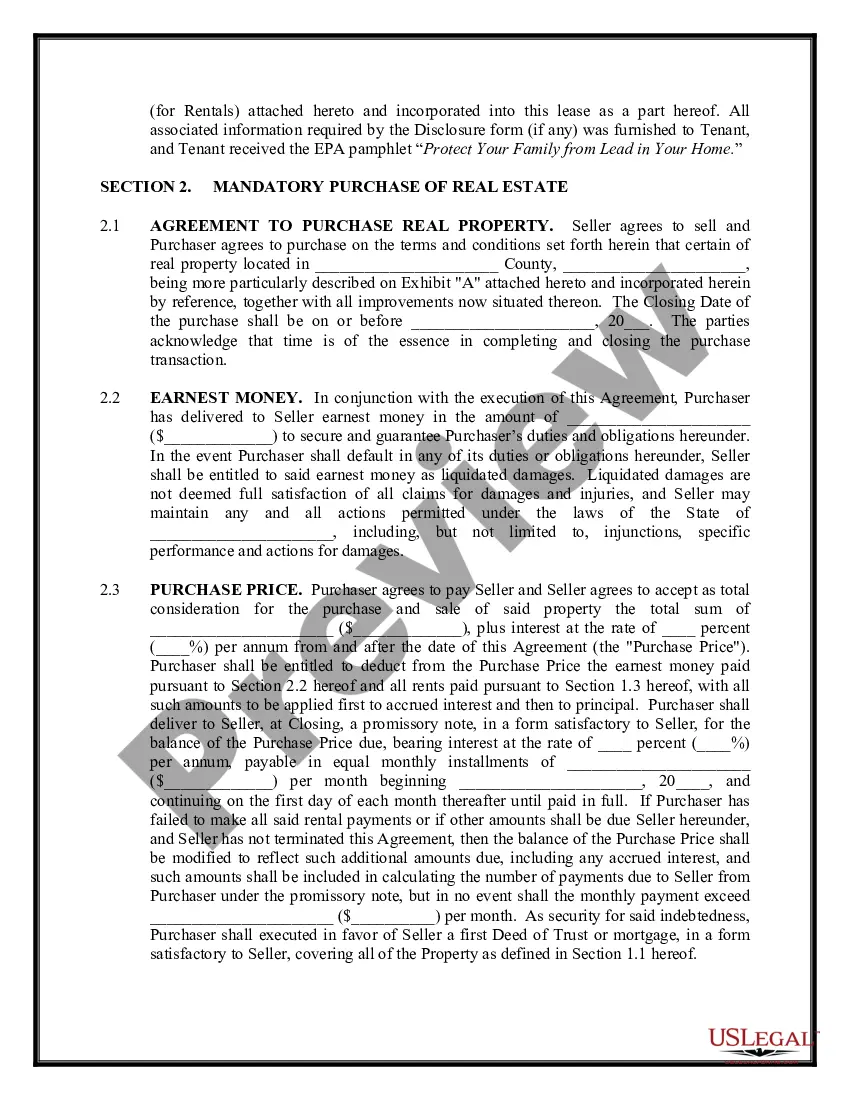
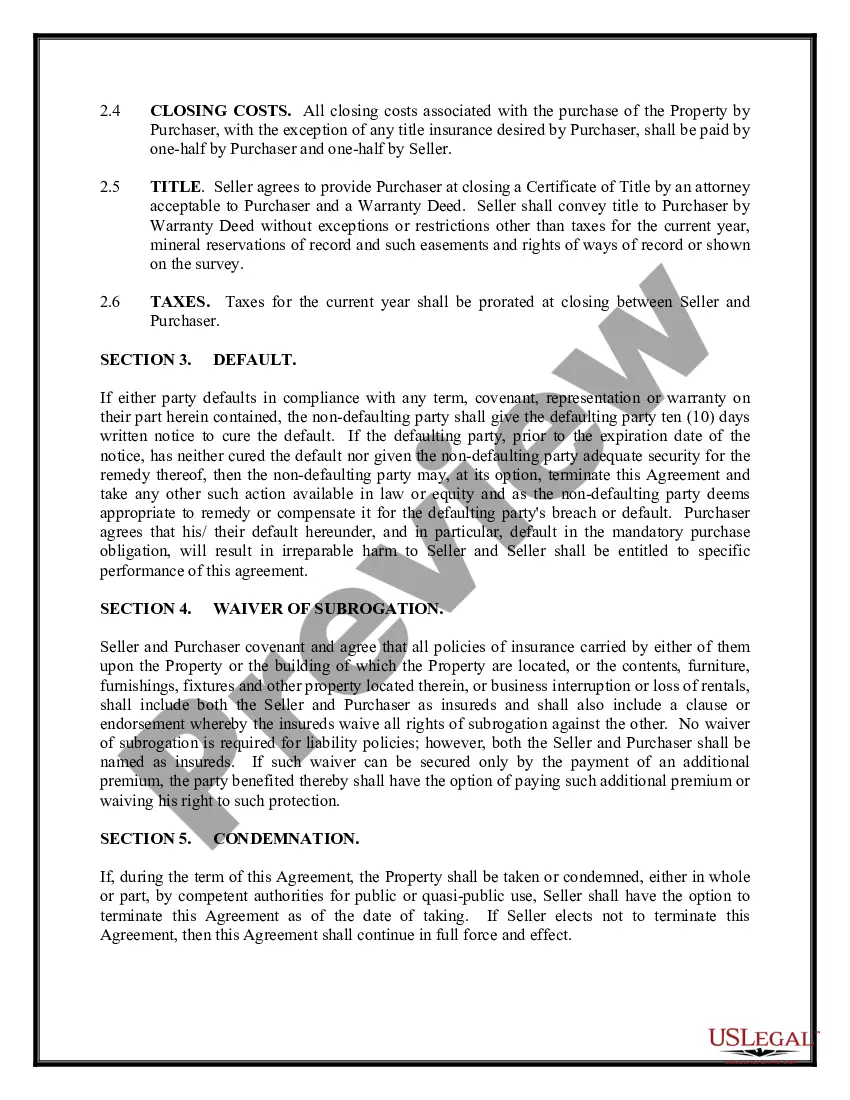
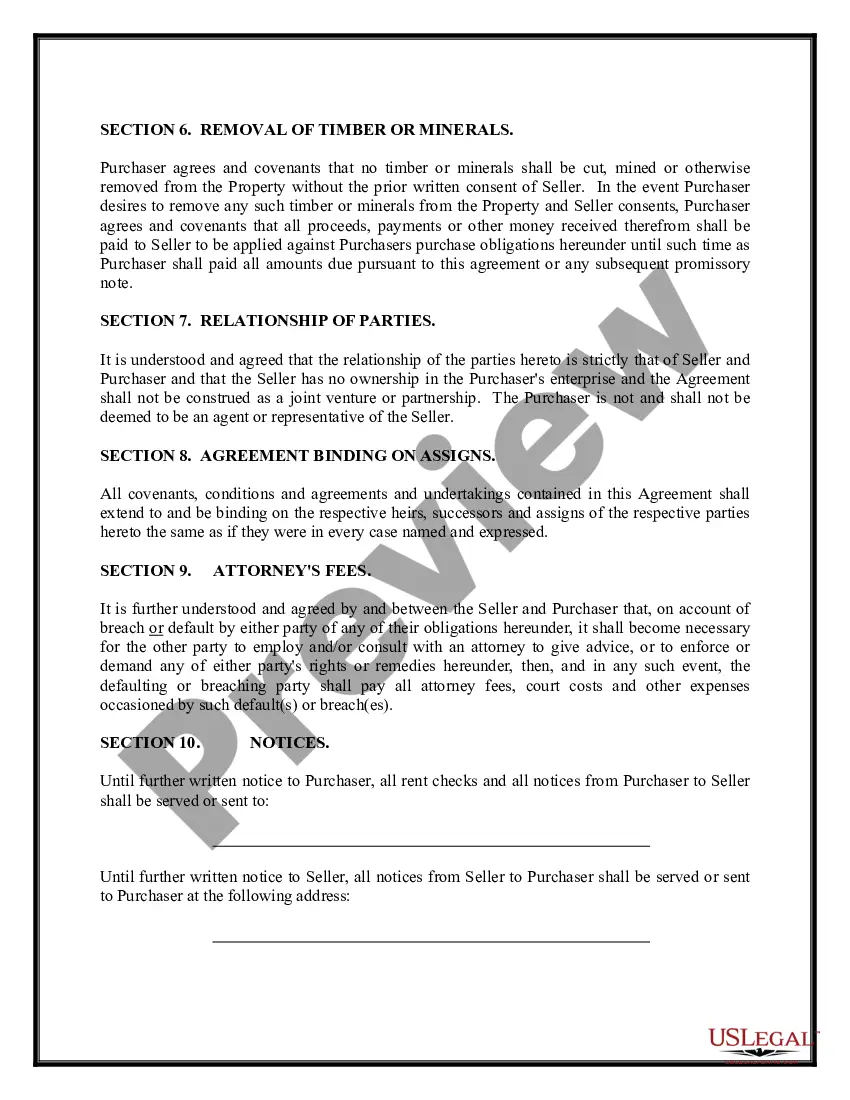
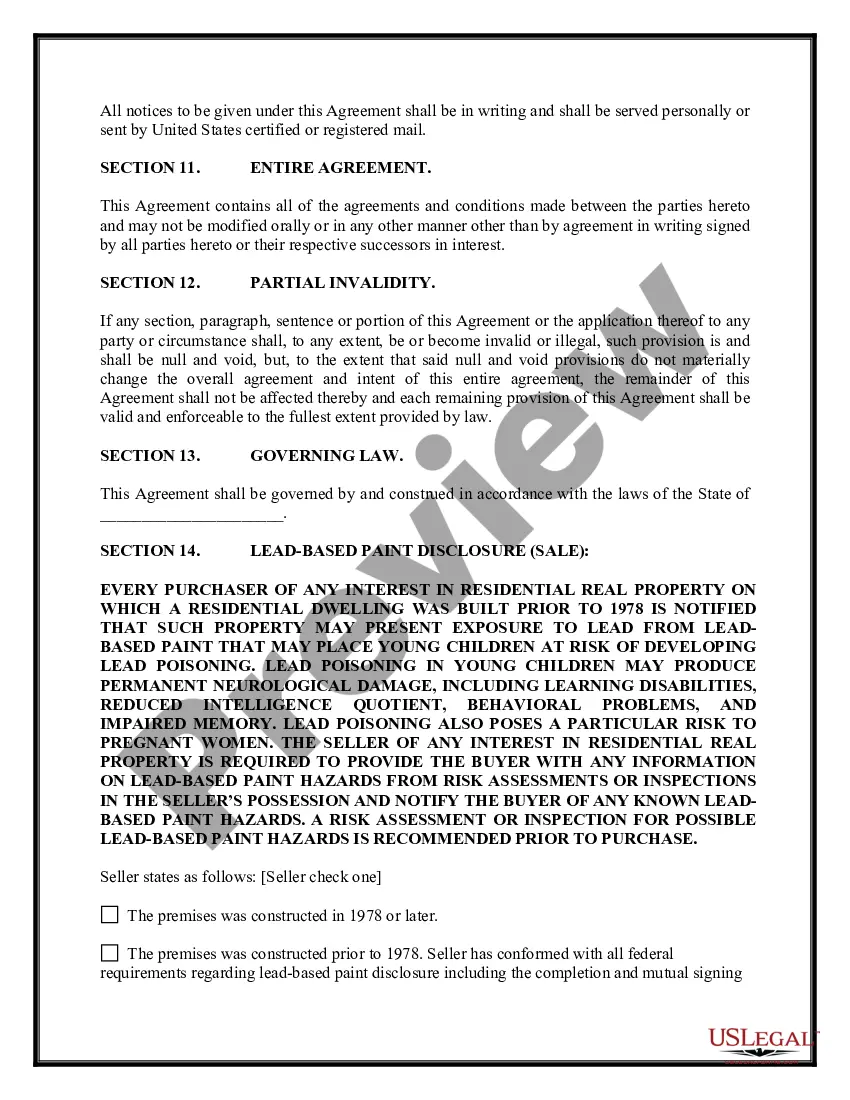
Get your form ready online
Our built-in tools help you complete, sign, share, and store your documents in one place.
Make edits, fill in missing information, and update formatting in US Legal Forms—just like you would in MS Word.
Download a copy, print it, send it by email, or mail it via USPS—whatever works best for your next step.
Sign and collect signatures with our SignNow integration. Send to multiple recipients, set reminders, and more. Go Premium to unlock E-Sign.
If this form requires notarization, complete it online through a secure video call—no need to meet a notary in person or wait for an appointment.
We protect your documents and personal data by following strict security and privacy standards.

Make edits, fill in missing information, and update formatting in US Legal Forms—just like you would in MS Word.

Download a copy, print it, send it by email, or mail it via USPS—whatever works best for your next step.

Sign and collect signatures with our SignNow integration. Send to multiple recipients, set reminders, and more. Go Premium to unlock E-Sign.

If this form requires notarization, complete it online through a secure video call—no need to meet a notary in person or wait for an appointment.

We protect your documents and personal data by following strict security and privacy standards.
Looking for another form?






Form popularity
FAQ
Rule 55 – Default; Default Judgment When a party against whom a judgment for affirmative relief is sought has failed to plead or otherwise defend, and that failure is shown by affidavit or otherwise, the clerk must enter the party's default.
Maryland law requires that your will be in writing, signed by the testator (you) and witnessed by two individuals in the testator's presence. This is called "executing a will." When you are ready to execute your will, you should have at least two witnesses, although three is better.
This is where there are two types of beneficiaries – the 'default beneficiary', who is entitled to any income from the trust as it arises, and the 'discretionary beneficiary', who only receive capital or income from the trust if the trustees make appointments to them during the trust period.
The process of distributing property under your Will is accomplished with a court proceeding referred to as “probate.” The probate process involves the Court appointing an executor (the “Personal Representative”), who is a person responsible for locating property, paying final debts and taxes, and distributing property ...
Unfortunately, several different issues can invalidate a will including last-minute modifications, mental capacity concerns, and undue influence problems.
Appointment of Executor Clause. An appointment of executor clause names the executor, a key part of your will. Digital Assets Clause. In today's digital age, it's important to consider your digital assets when creating your will. Debt Clause & Tax-Appointment Clause. No-Contest Clause. Attestation Clause. Trust Provisions.
By inserting a Common Tragedy Clause (sometimes called a “catch-all provision”, “long stop provision” or a “default clause”), the testator remains in control of what happens to his or her estate and who will inherit in the event that all the primary beneficiaries die either before or at the same time as the benefactor.
Timelines for transferring property after the owner's death vary by state and can range from a few months to over a year.
Appointment of Executor Clause. An appointment of executor clause names the executor, a key part of your will. Digital Assets Clause. In today's digital age, it's important to consider your digital assets when creating your will. Debt Clause & Tax-Appointment Clause. No-Contest Clause. Attestation Clause. Trust Provisions.