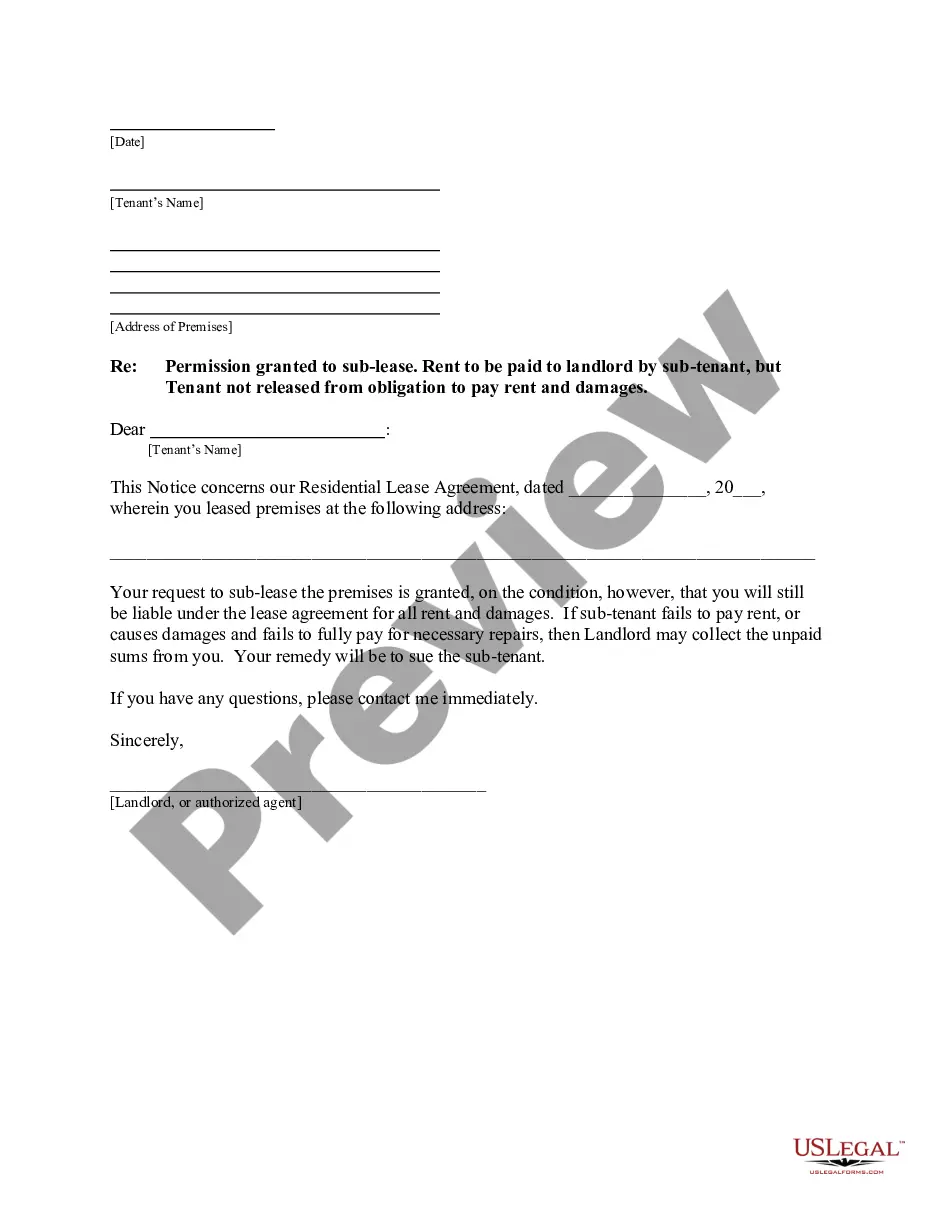
Arrendamiento Bienes Without In Maryland
Description

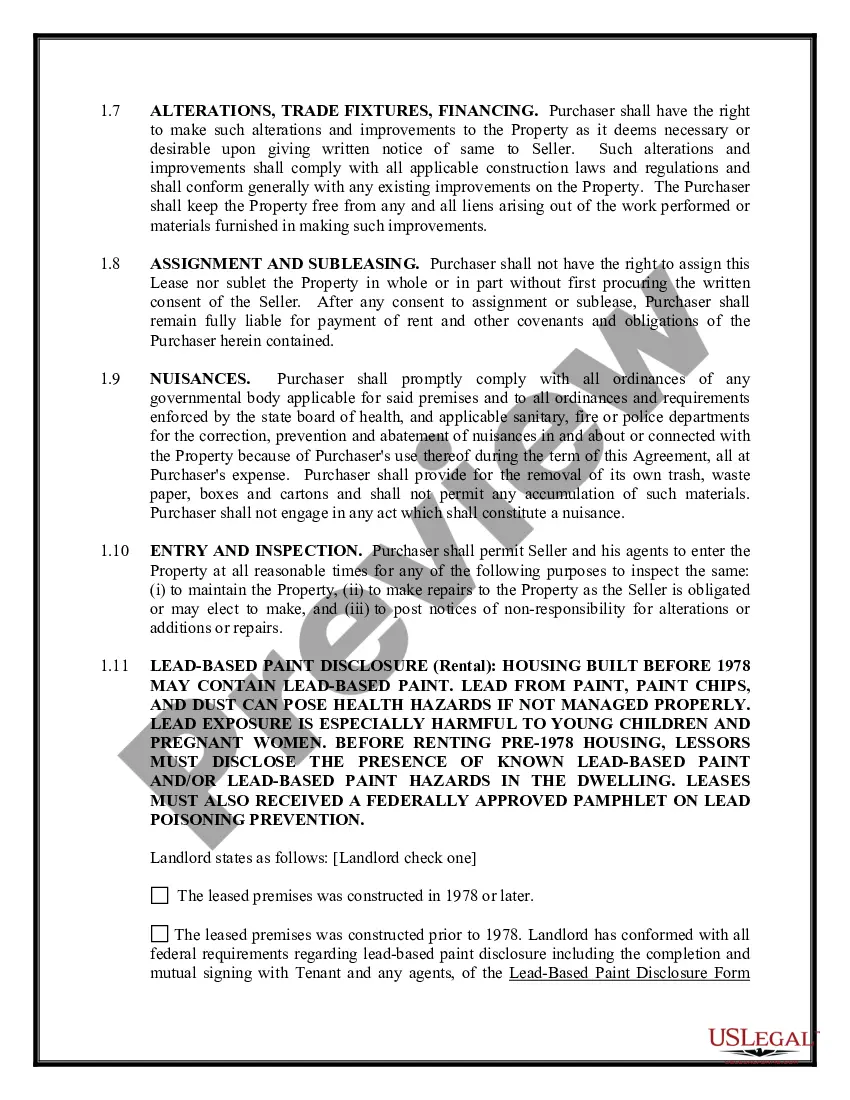
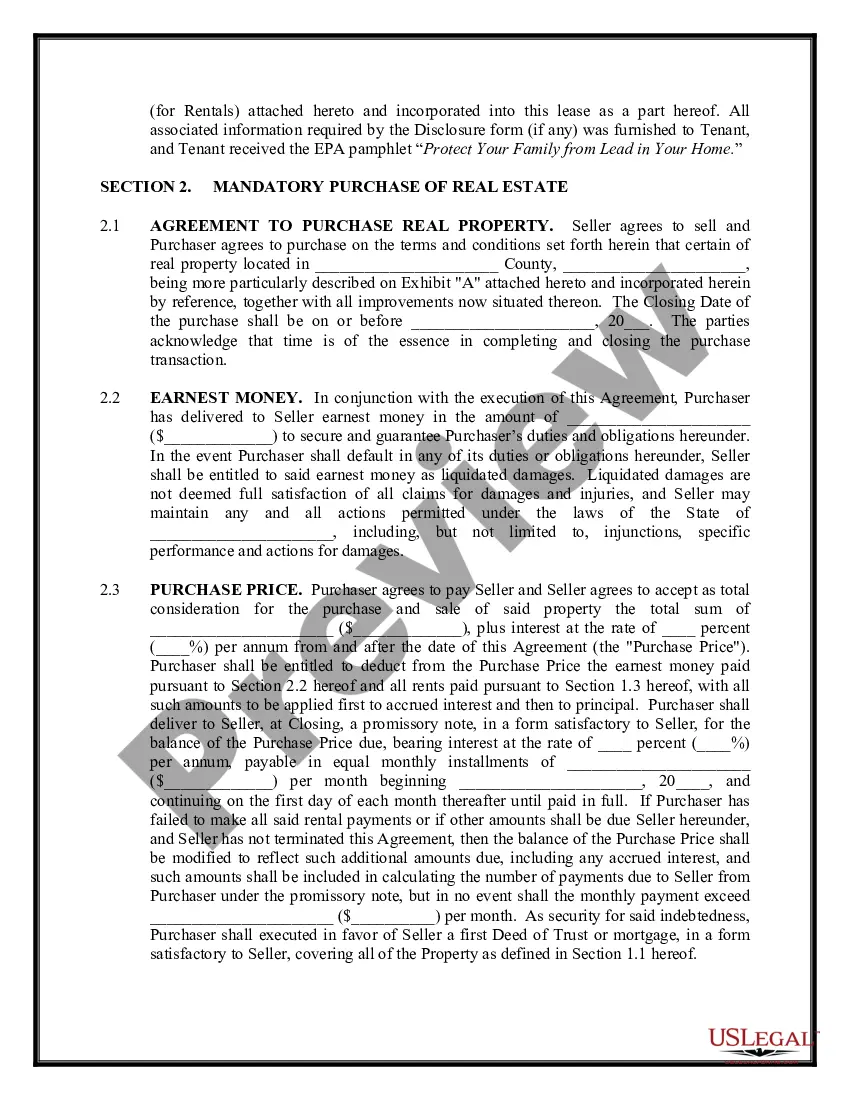
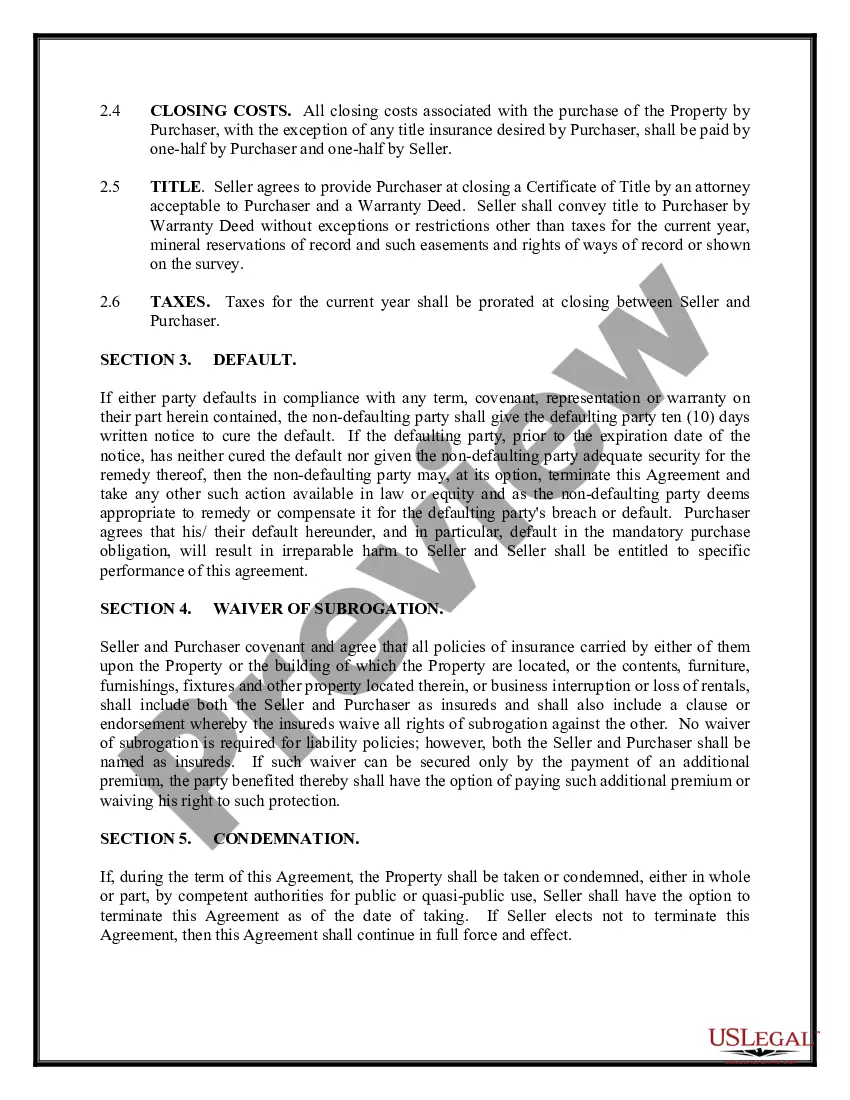
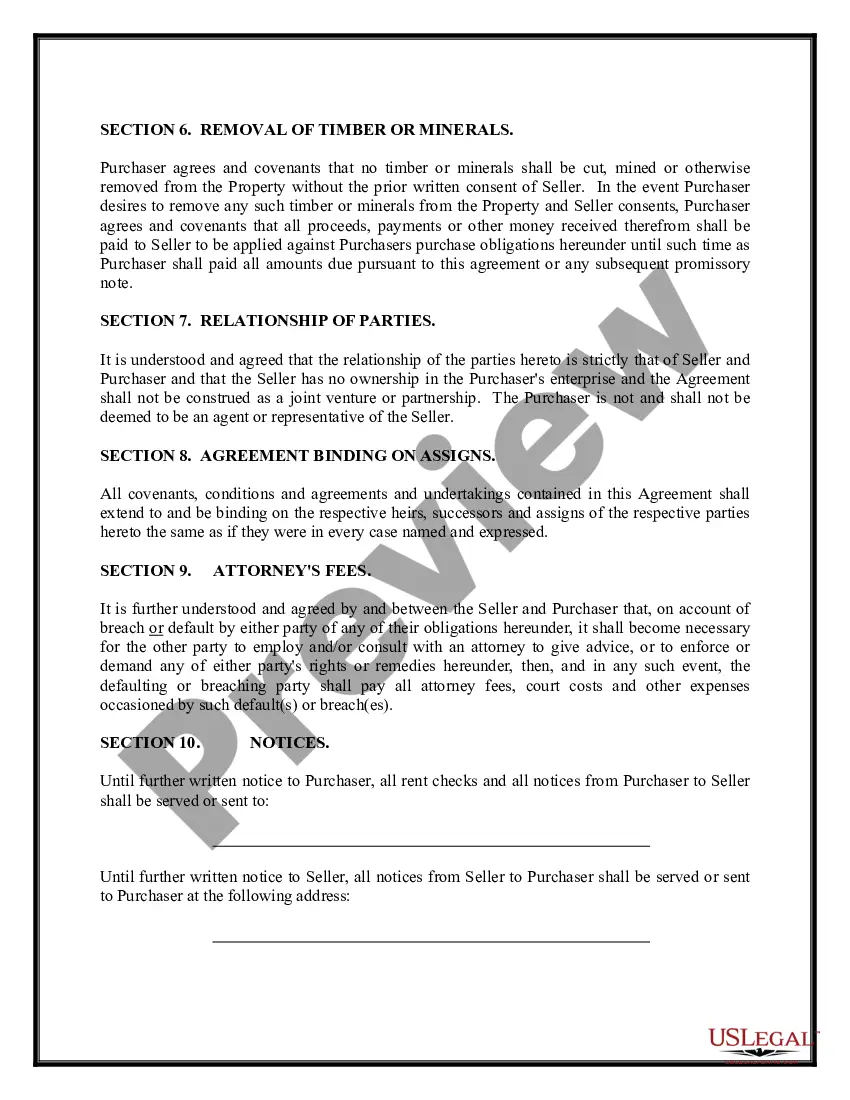
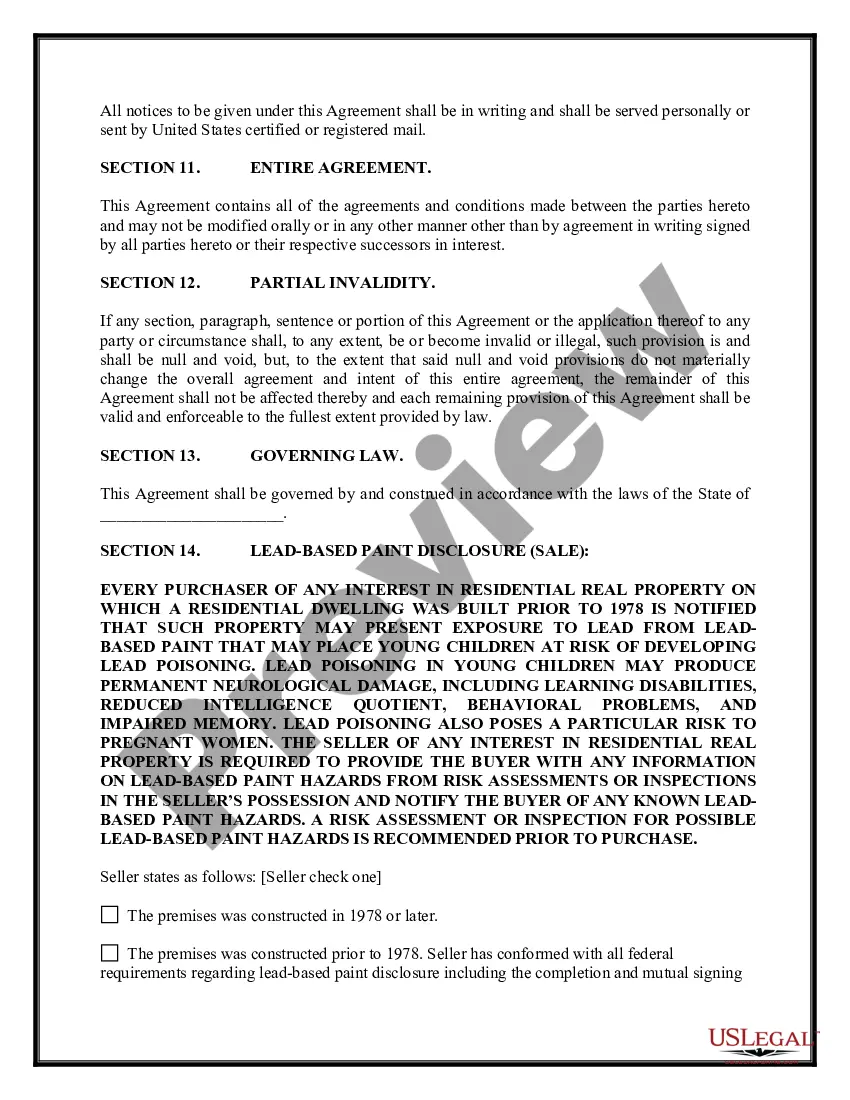
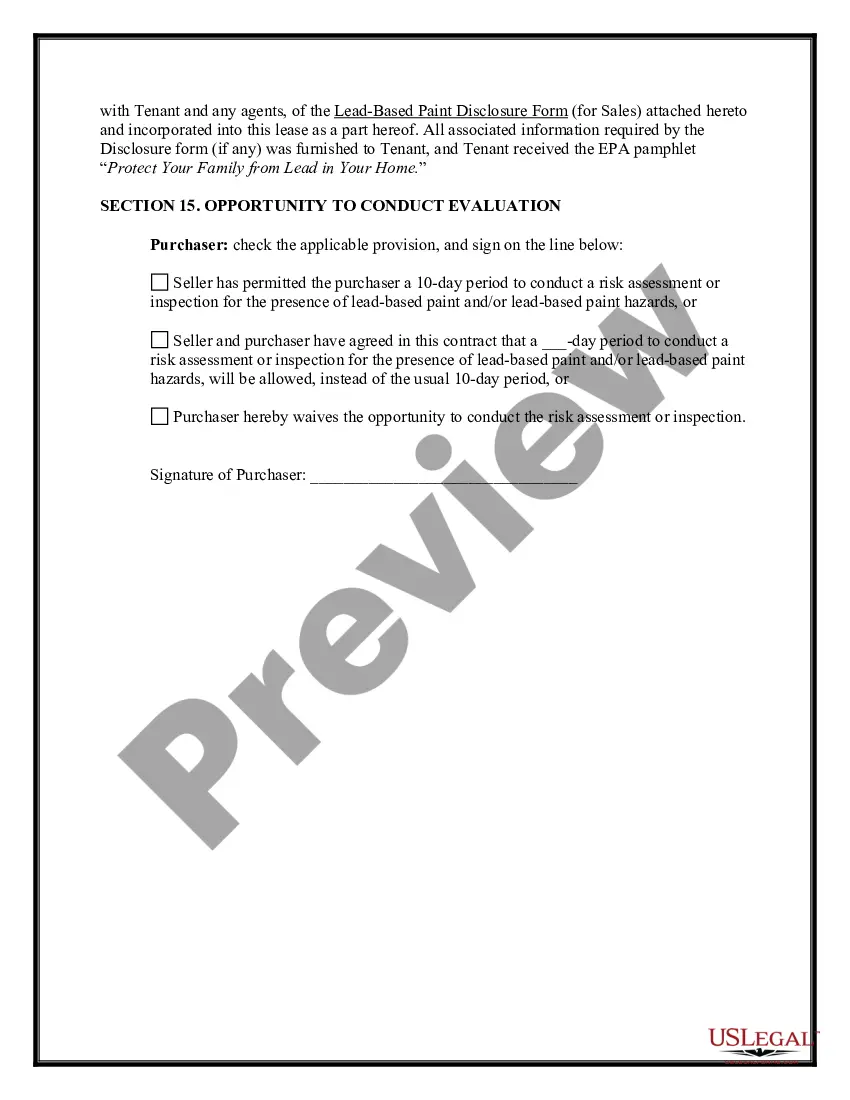
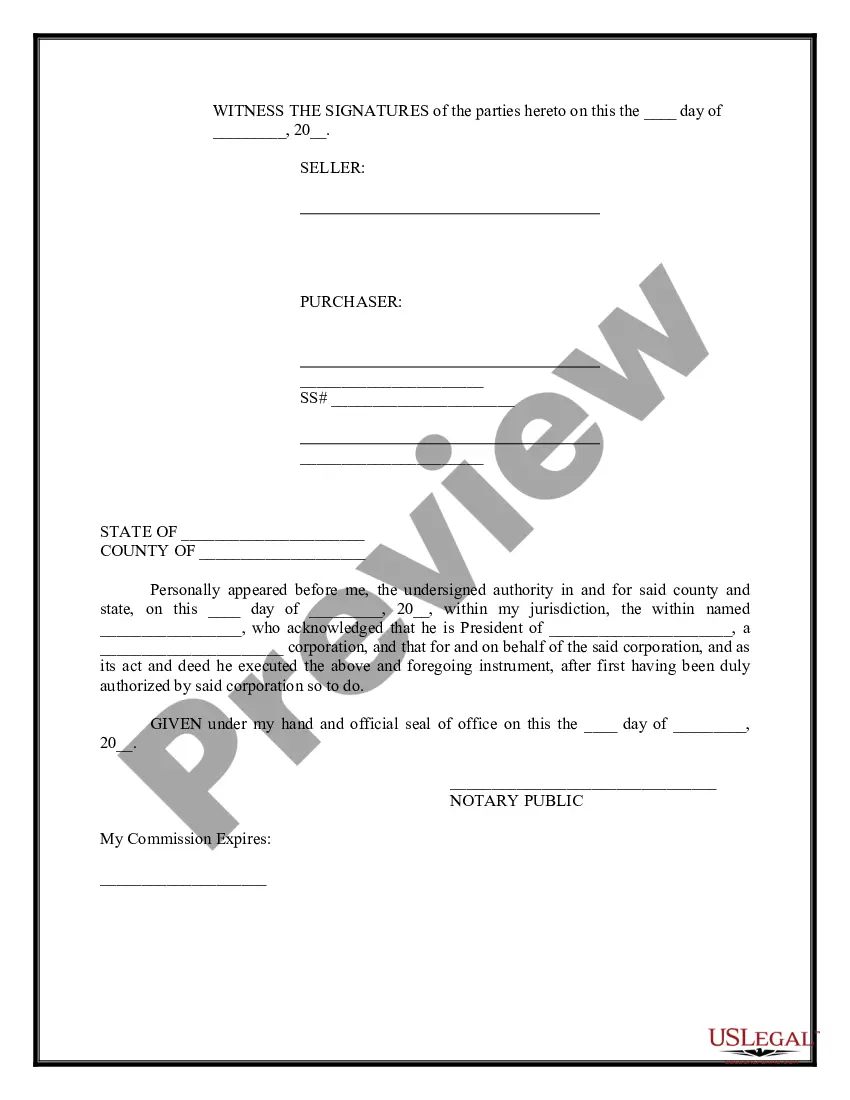
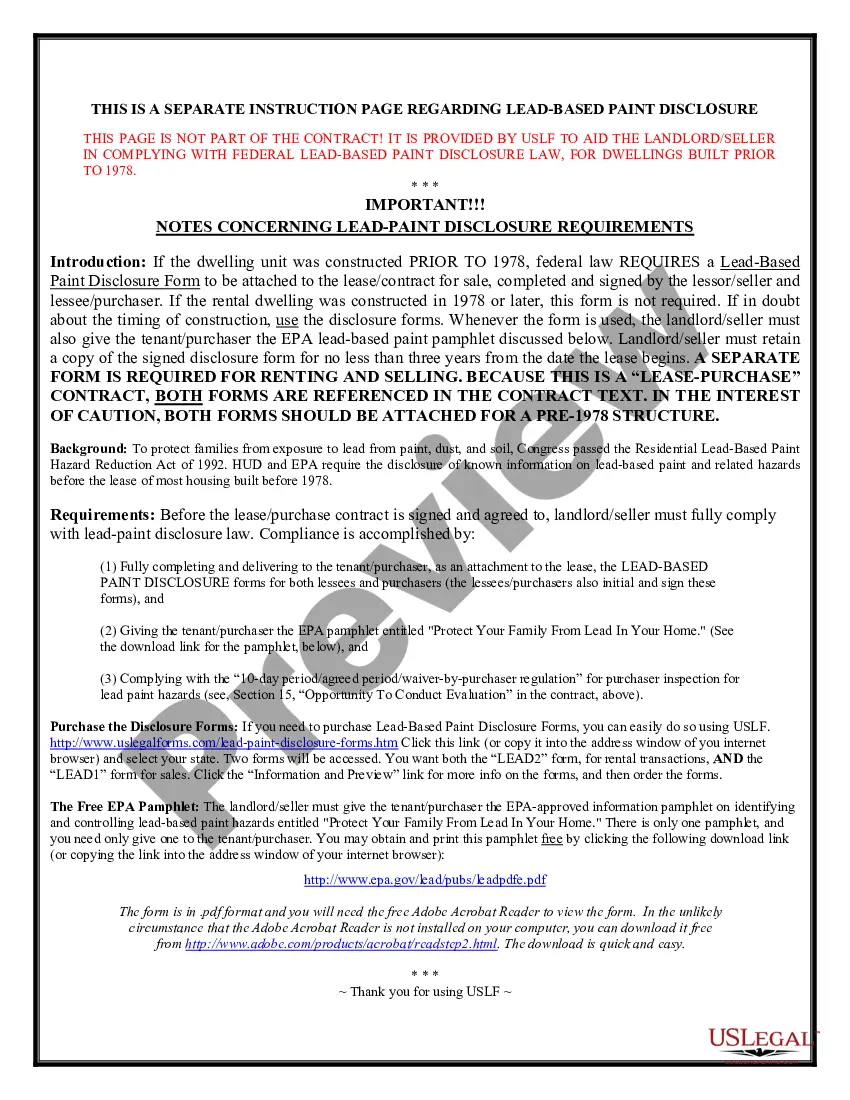
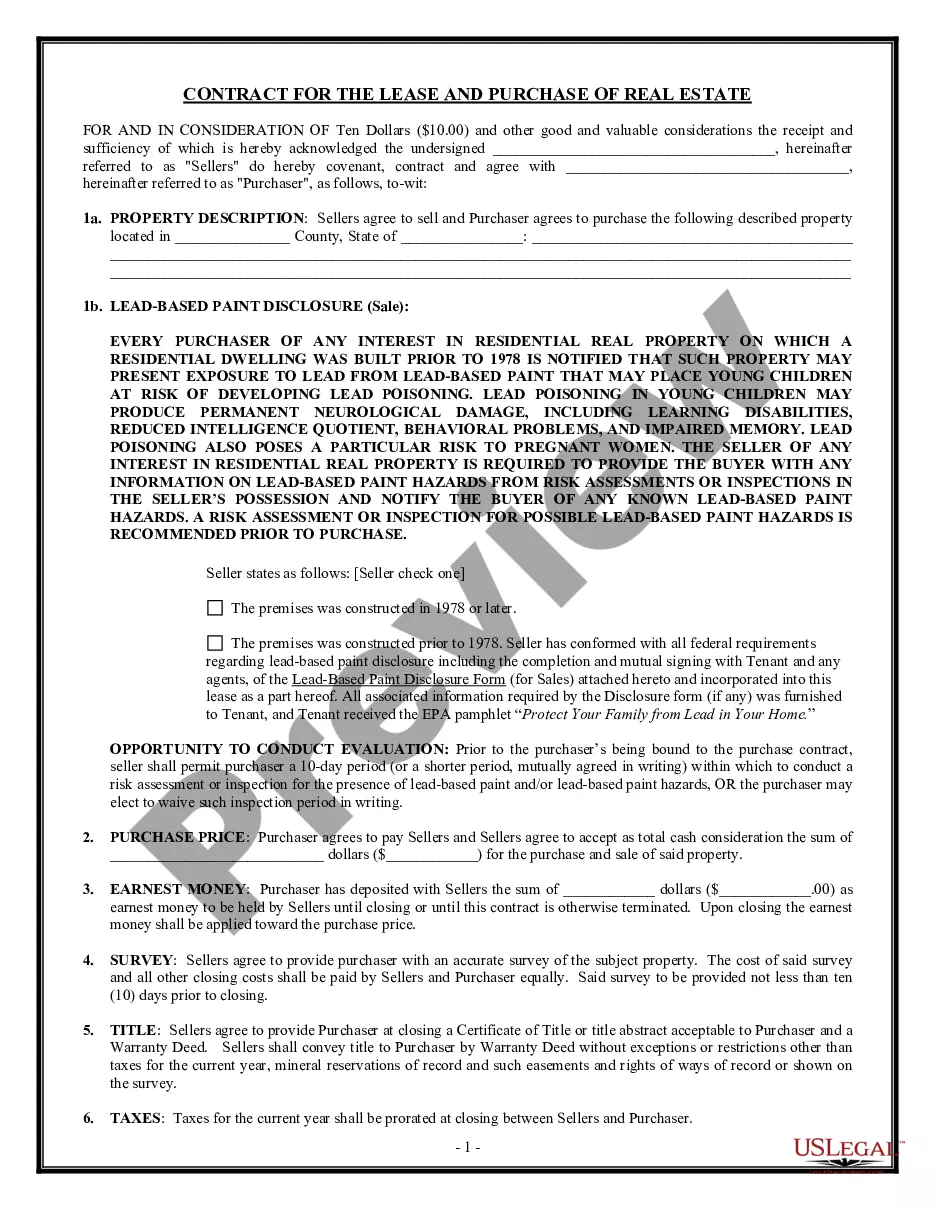
Get your form ready online
Our built-in tools help you complete, sign, share, and store your documents in one place.
Make edits, fill in missing information, and update formatting in US Legal Forms—just like you would in MS Word.
Download a copy, print it, send it by email, or mail it via USPS—whatever works best for your next step.
Sign and collect signatures with our SignNow integration. Send to multiple recipients, set reminders, and more. Go Premium to unlock E-Sign.
If this form requires notarization, complete it online through a secure video call—no need to meet a notary in person or wait for an appointment.
We protect your documents and personal data by following strict security and privacy standards.

Make edits, fill in missing information, and update formatting in US Legal Forms—just like you would in MS Word.

Download a copy, print it, send it by email, or mail it via USPS—whatever works best for your next step.

Sign and collect signatures with our SignNow integration. Send to multiple recipients, set reminders, and more. Go Premium to unlock E-Sign.

If this form requires notarization, complete it online through a secure video call—no need to meet a notary in person or wait for an appointment.

We protect your documents and personal data by following strict security and privacy standards.
Looking for another form?







Form popularity
FAQ
The court will usually assume that a period of more than 30 days after receipt of notice is unreasonable unless the landlord can show otherwise. If a Housing Inspector has given the landlord a shorter deadline, that will often be considered to be a reasonable deadline.
A: The Renters' Rights and Stabilization Act creates a number of additional protections and rights for residential tenants in Maryland, including: ● Increasing Maryland's lowest-in-the-nation eviction filing fees to bring them closer to the regional average; ● Prohibiting landlords from passing eviction filing fees on ...
Each household may be eligible for up to 15-18 months of total assistance under ERAP. Since local jurisdictions operate rental assistance programs independently, contact your county of residence directly for specific information and instructions.
On average, it would take anywhere between 32 days – 5 months for a complete eviction process. Give your tenant a written Notice to Vacate prior to the eviction process. Make sure no mistakes were made in the filing process.
A: The Renters' Rights and Stabilization Act creates a number of additional protections and rights for residential tenants in Maryland, including: ● Increasing Maryland's lowest-in-the-nation eviction filing fees to bring them closer to the regional average; ● Prohibiting landlords from passing eviction filing fees on ...
To become a licensed landlord in Maryland, you must pass a real estate exam, complete pre-licensing education, obtain rental licenses, and, if applicable, a property manager license. Compliance with laws such as landlord-tenant law, fair housing, and lead-based paint regulations is also essential.
Within 10 days after recommendations are placed on the record or served pursuant to Maryland Rule 9-208(e), a party may file exceptions to the Magistrate's recommendation with the Clerk. Exceptions shall be in writing and shall describe the asserted error with particular detail.
Becoming a landlord requires not only financial resources but also managerial talent, attention to detail and, often, a healthy portion of sweat equity. There may be months when emergency repairs will eat up the potential profits making this role much more than just collecting rent.
To report a suspected violation of the Maryland Solicitations Act, please submit a complaint to the Charitable Organizations Division at the Office of the Secretary of State online here or by phone at 410-974-5521.
Some counties and cities in Maryland require landlords to have a current rental property license. Often the purpose of the licensing requirement is to make sure that rental properties meet building code requirements for habitability.