Real Estate Clause In A Will In King
Description

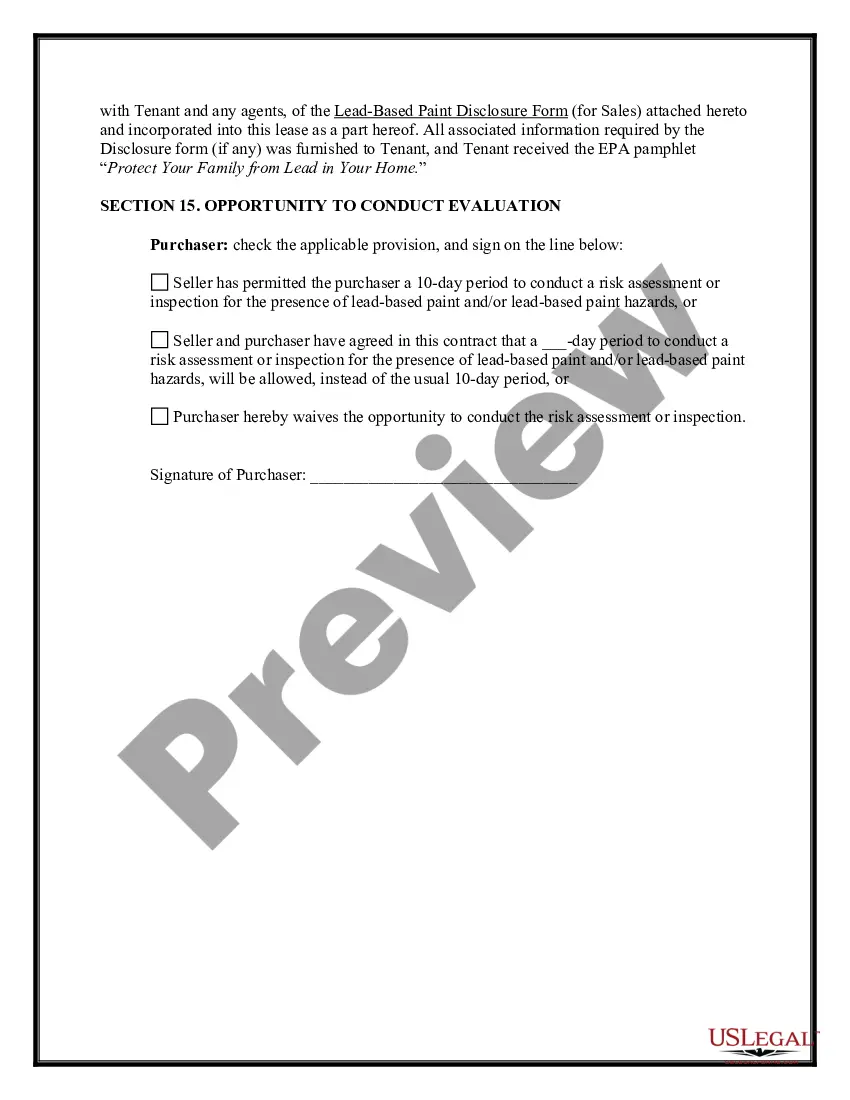
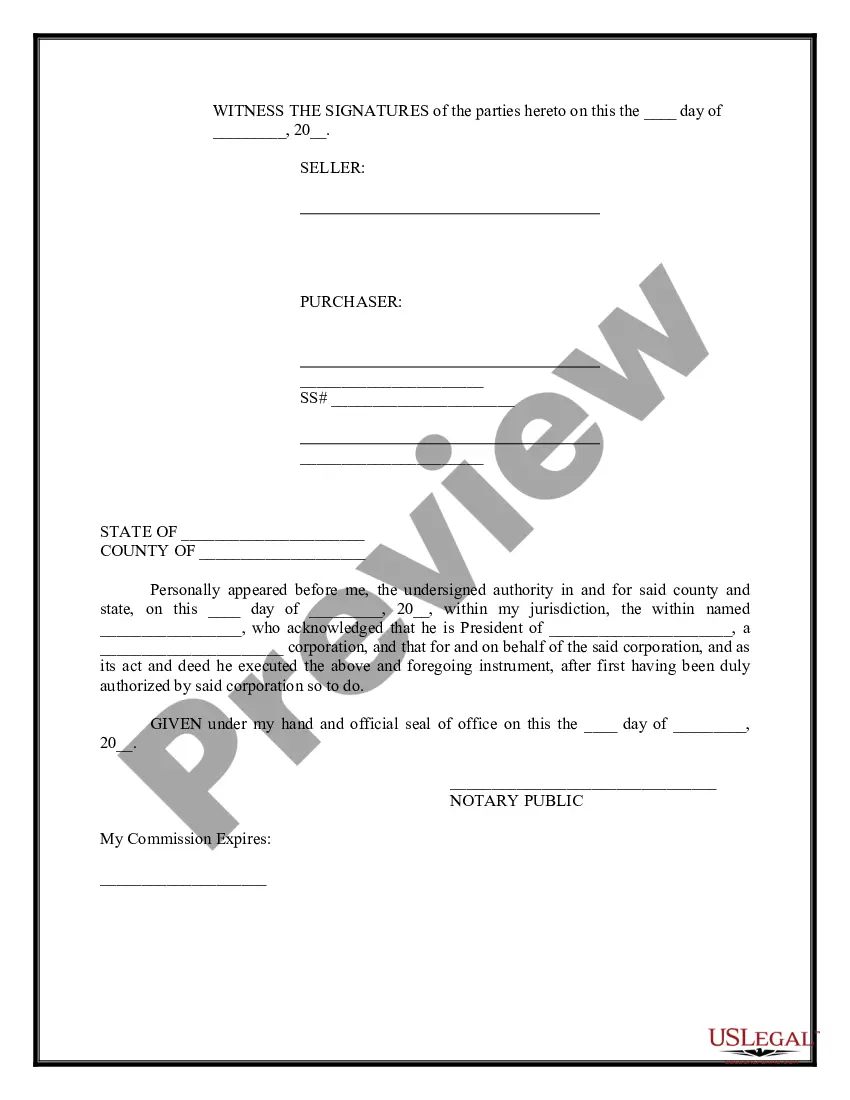
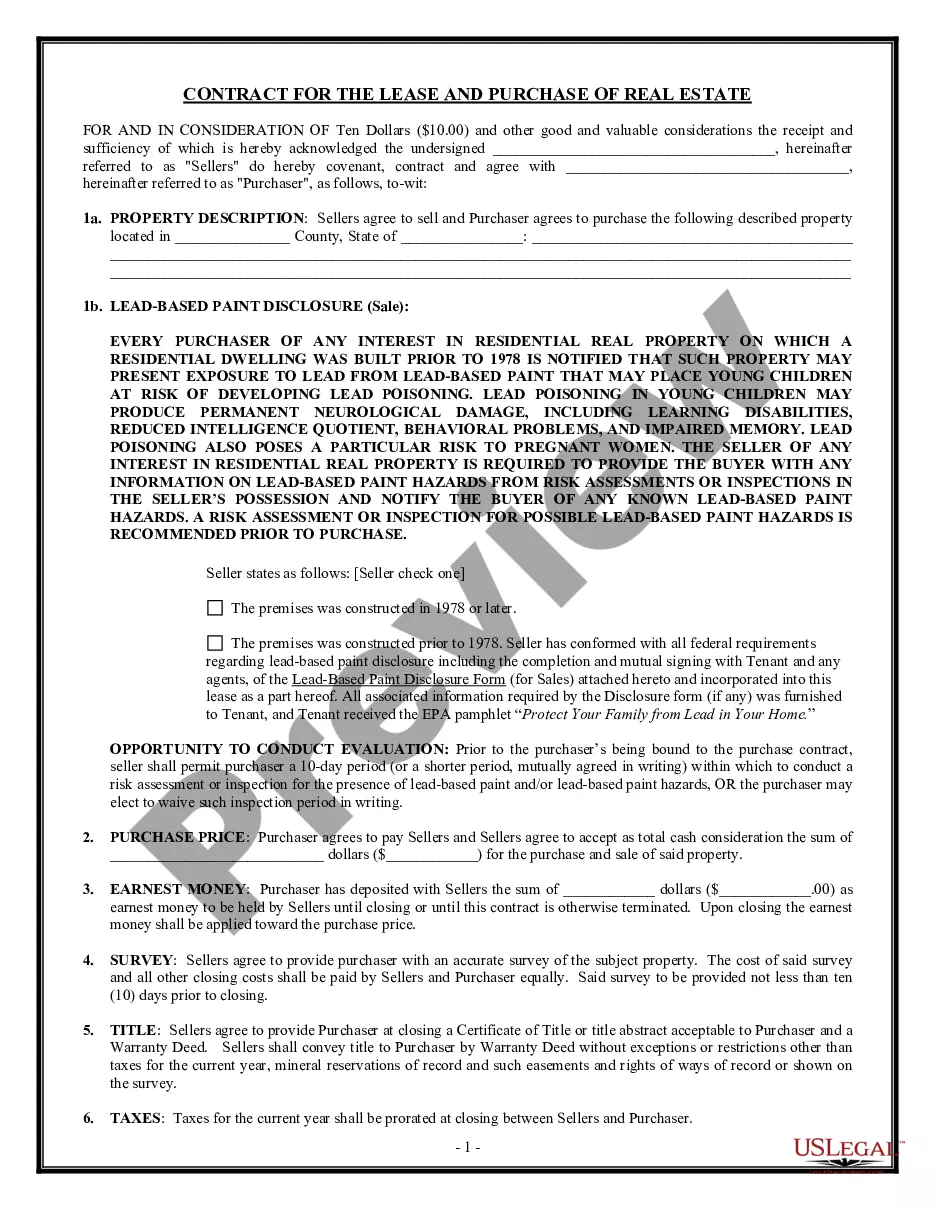
Get your form ready online
Our built-in tools help you complete, sign, share, and store your documents in one place.
Make edits, fill in missing information, and update formatting in US Legal Forms—just like you would in MS Word.
Download a copy, print it, send it by email, or mail it via USPS—whatever works best for your next step.
Sign and collect signatures with our SignNow integration. Send to multiple recipients, set reminders, and more. Go Premium to unlock E-Sign.
If this form requires notarization, complete it online through a secure video call—no need to meet a notary in person or wait for an appointment.
We protect your documents and personal data by following strict security and privacy standards.

Make edits, fill in missing information, and update formatting in US Legal Forms—just like you would in MS Word.

Download a copy, print it, send it by email, or mail it via USPS—whatever works best for your next step.

Sign and collect signatures with our SignNow integration. Send to multiple recipients, set reminders, and more. Go Premium to unlock E-Sign.

If this form requires notarization, complete it online through a secure video call—no need to meet a notary in person or wait for an appointment.

We protect your documents and personal data by following strict security and privacy standards.
Looking for another form?







Form popularity
FAQ
At times, it may be the only key clause in the Will, given that the testator has no specific instructions for specific assets. The residuary clause in the Will is also known as a “catch-all clause” as it prevents any asset from being “left out”.
Understanding the four key components of a will ensures the document's clarity and legal validity. The testator's information, declaration of intent, beneficiary designations, and executor appointment minimize the risk of disputes and fulfill the testator's intentions.
contest clause usually states that a beneficiary will lose anything they were to inherit upon a person's death should they try to contest the will. For a nocontest clause to work, the beneficiaries must be inheriting something of value from the will or there will be no motivation not to go to court.
A valid will can be very simple or very complex, but you'll likely see the following provisions in a typical will. Exordium Clause. Specific, General, and Residual Bequests of Property. Survivorship Clauses. Appointment of the Executor. Executor's Powers. Guardians for Young Children and Their Property.
Devise: A gift of real property to a beneficiary under a Will. A bequest refers to personal property whereas a devise refers to real property.
Many types of clauses can be used in a will or trust. Here are 5 that we think are important: No-Contest Clause: This takes away the incentive of beneficiaries challenging the validity of the will. This clause states that any beneficiary who contests the will and loses then forfeits their inheritance.
Explanation: The clause of accrual ensures that the surviving beneficiary receives the predeceasing beneficiary's share of the property. In the example, if John were to pass away, Jane would inherit his share of the property, and the property would remain in her possession.
An example would be a legacy in a will of “£10,000 to such of my brothers as shall survive me and if more than one in equal shares”. If one brother predeceases the testator, his share will be added or accrue to the surviving brothers' shares.
The 28-day rule in Wills is related to when beneficiaries can inherit ing to the rules of intestacy. Notably, a 'survivorship period' of 28 days is imposed on the spouse, during which they cannot inherit.
A person can also nominate the person or persons, known as executors, who should administer their estate on their death. A will is a specialized document, which should preferably be drawn up by an expert like an attorney, trust company etc.