Real Estate Clause In A Will In Illinois
Description

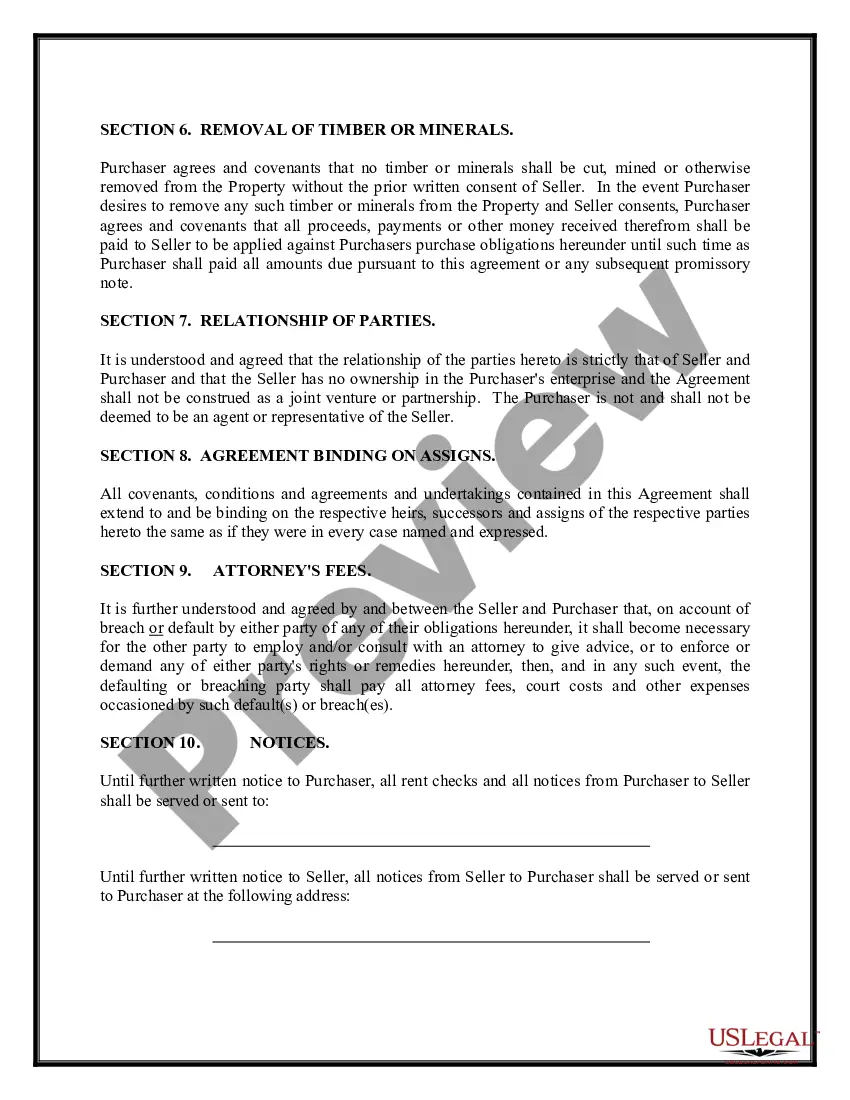
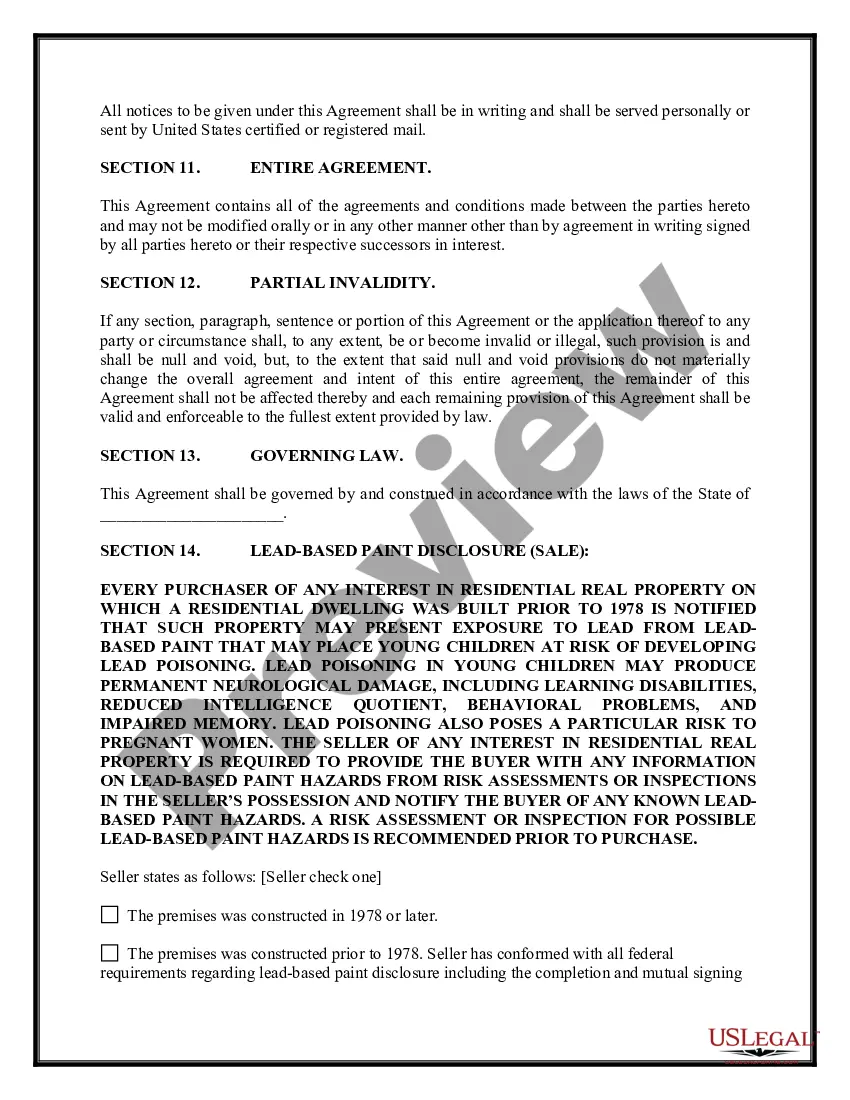
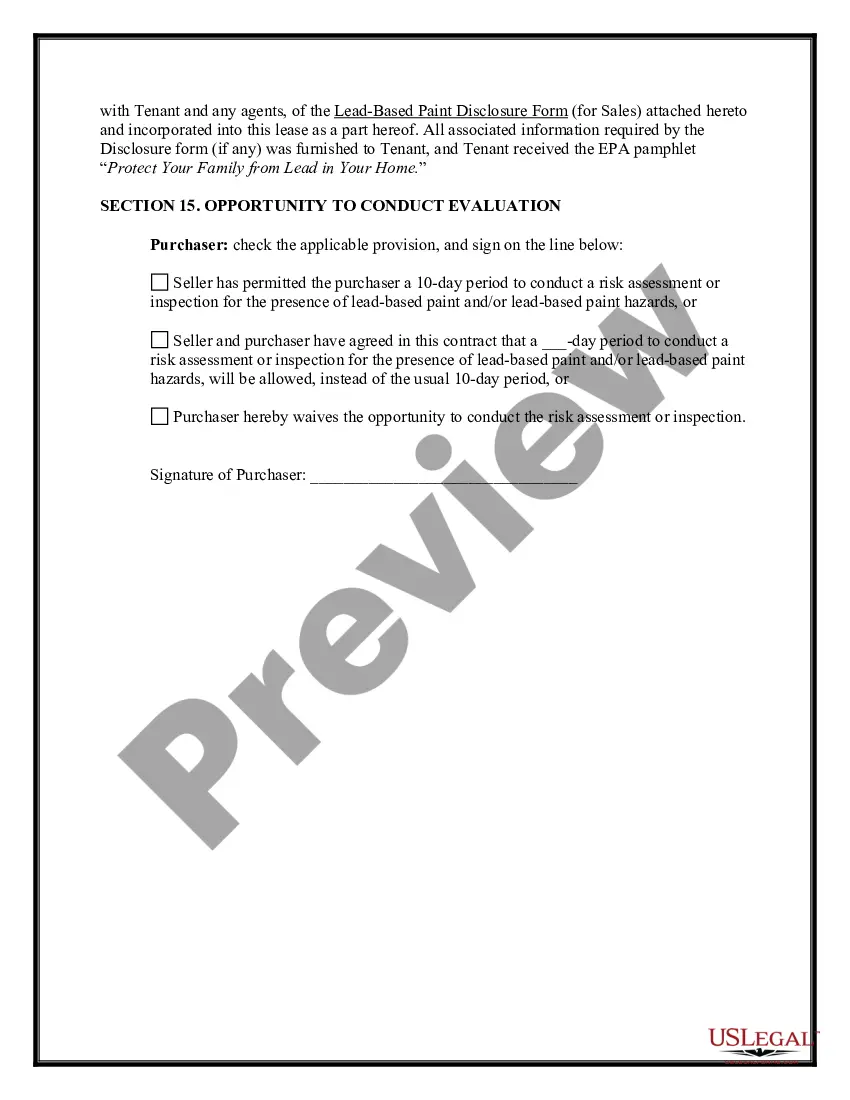
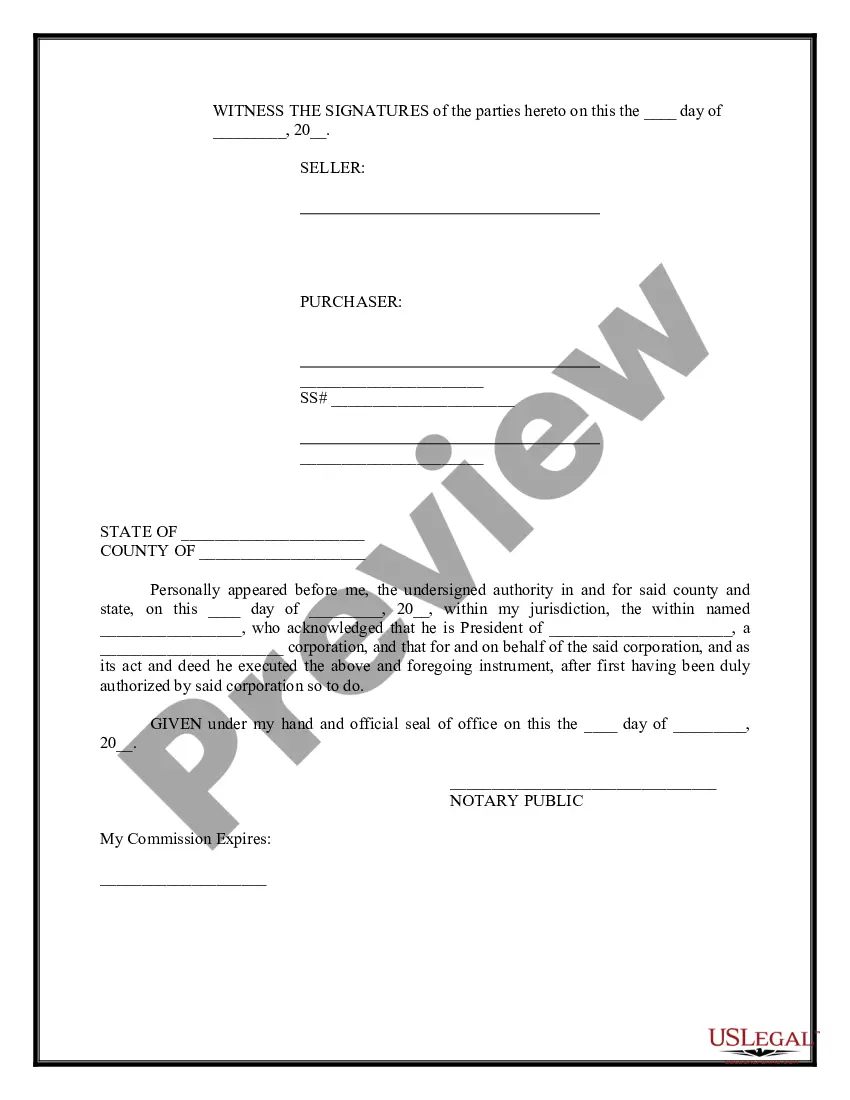
Get your form ready online
Our built-in tools help you complete, sign, share, and store your documents in one place.
Make edits, fill in missing information, and update formatting in US Legal Forms—just like you would in MS Word.
Download a copy, print it, send it by email, or mail it via USPS—whatever works best for your next step.
Sign and collect signatures with our SignNow integration. Send to multiple recipients, set reminders, and more. Go Premium to unlock E-Sign.
If this form requires notarization, complete it online through a secure video call—no need to meet a notary in person or wait for an appointment.
We protect your documents and personal data by following strict security and privacy standards.

Make edits, fill in missing information, and update formatting in US Legal Forms—just like you would in MS Word.

Download a copy, print it, send it by email, or mail it via USPS—whatever works best for your next step.

Sign and collect signatures with our SignNow integration. Send to multiple recipients, set reminders, and more. Go Premium to unlock E-Sign.

If this form requires notarization, complete it online through a secure video call—no need to meet a notary in person or wait for an appointment.

We protect your documents and personal data by following strict security and privacy standards.
Looking for another form?





Form popularity
FAQ
Depending on the size of the estate and how backed up the courts are, probate could take months or even years. If the deceased left a will and no one contests it, in approximately one year the estate may be closed and any remaining assets will be distributed to beneficiaries.
Personal representatives (i.e., executors and administrators of the estate) are required to provide beneficiaries and other interested parties (i.e., persons or entities with a financial stake in the estate) with financial information about the estate they are overseeing.
You can take legal action against an executor if you believe they intentionally delayed the probate process or acted outside of the best interests of the estate and its beneficiaries. Remember that a lengthy probate process is normal. It doesn't necessarily mean the executor engaged in deliberate misconduct.
By inserting a Common Tragedy Clause (sometimes called a “catch-all provision”, “long stop provision” or a “default clause”), the testator remains in control of what happens to his or her estate and who will inherit in the event that all the primary beneficiaries die either before or at the same time as the benefactor.
More general clauses imposing a survivorship condition on all beneficiaries are also possible though, for example: “Every person who would benefit under this Will but who fails to survive me by 30 days shall be treated for the purposes of the devolution of my estate as having predeceased me.”
When the owner of a house dies and there is a Will, the house will pass to the beneficiary named in the document. Once Probate court has validated the Will, the Executor can assist with transferring the property to the heir. This is typically the simplest way to transfer the home after an owner dies.
The following are some of the most common assets with beneficiary designations, and therefore, such assets should not be included in your will: Retirement accounts, IRAs, 401(k)s, and pensions. Life insurance or annuity proceeds. Payable-on-death bank accounts.
To do this, clearly identify the asset and to whom it should go upon your death. To name your home in your Will, simply provide the street address. For example, "My home located at 123 Main St I leave to my children, Ann, Sara, and Tom."
And in Illinois, when a person dies with real estate in his/her name alone, or when he/she has more than $100,000.00 in personal assets without a proper beneficiary designation, a Probate will be necessary.
Executor of an Estate Following the filing of the Will, any person may file a written petition asking the Court to admit the Will to probate, to name an "executor" of the estate, to determine the heirs of the decedent, and to formally open the probate estate.