Real Estate Clause In A Will In Houston
Description

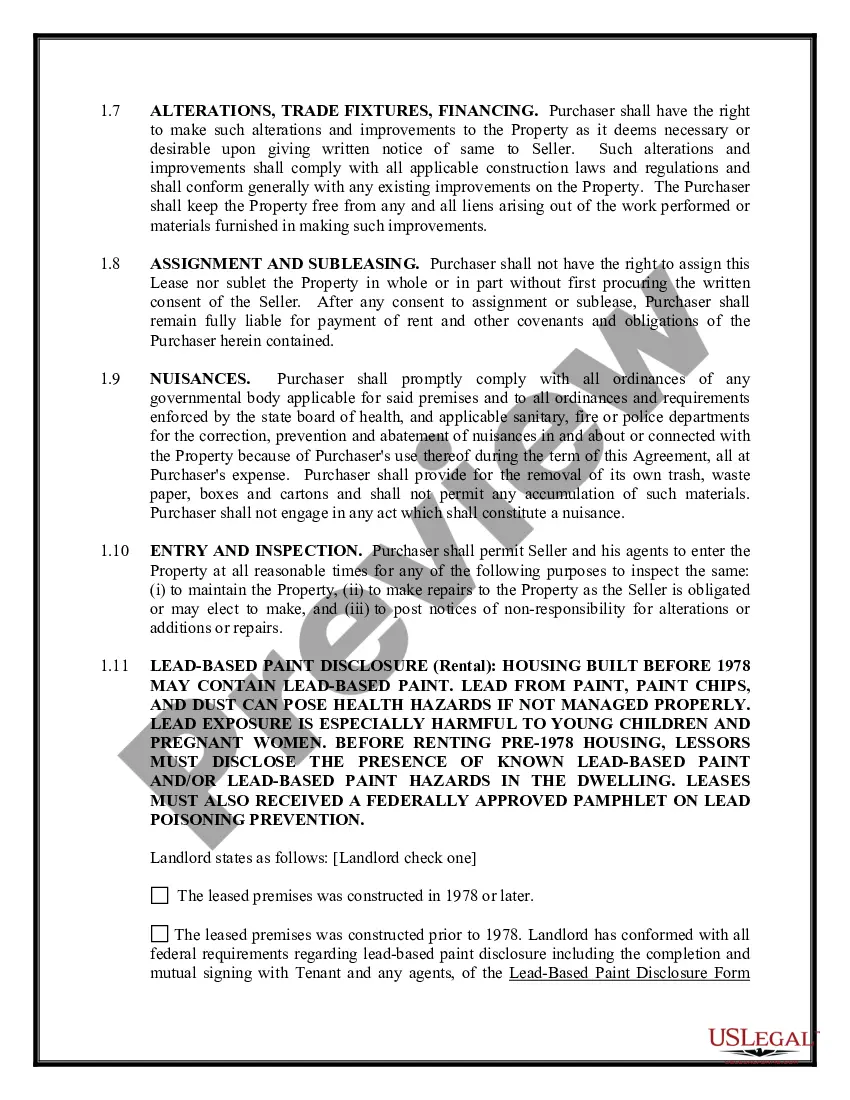
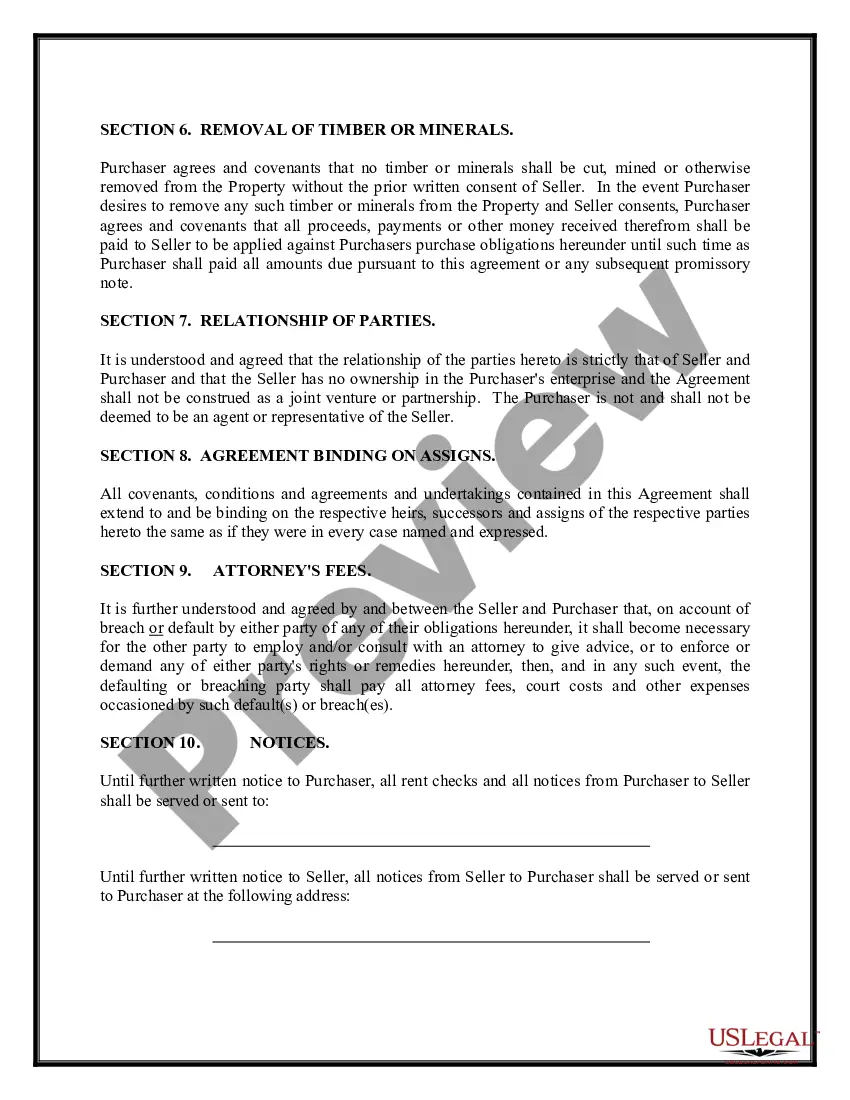
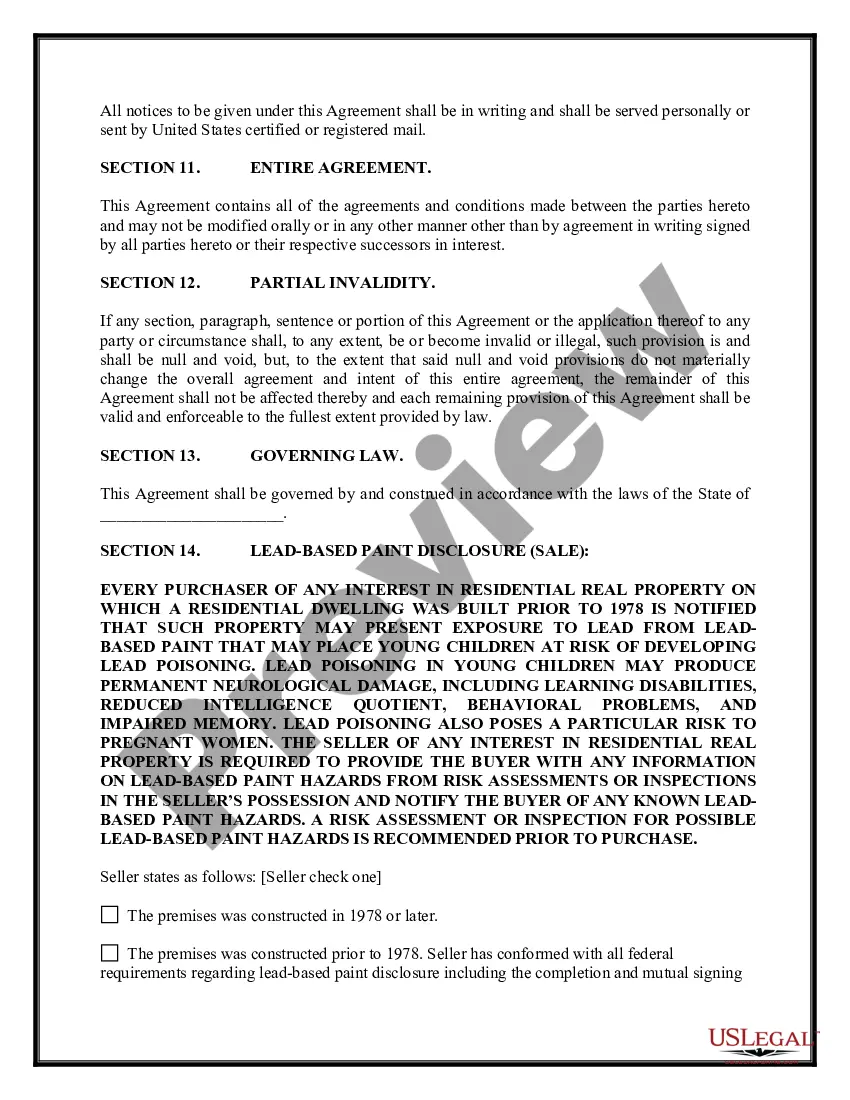
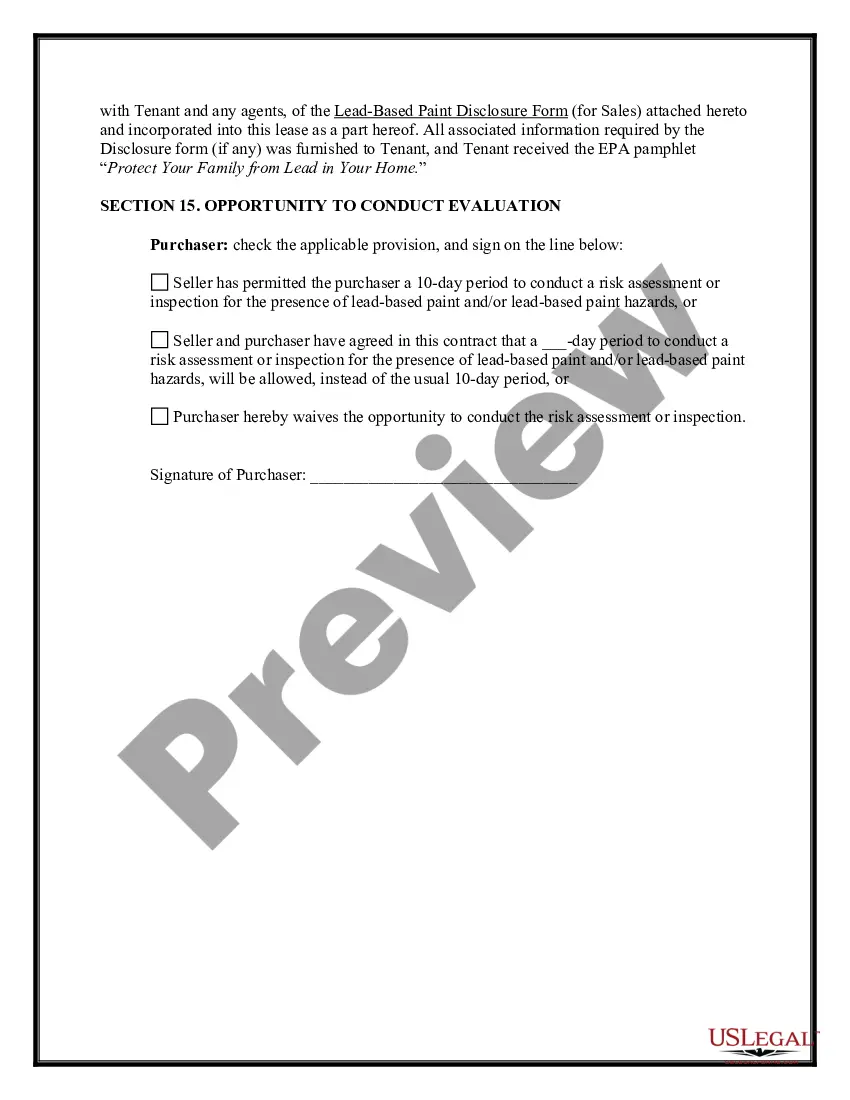
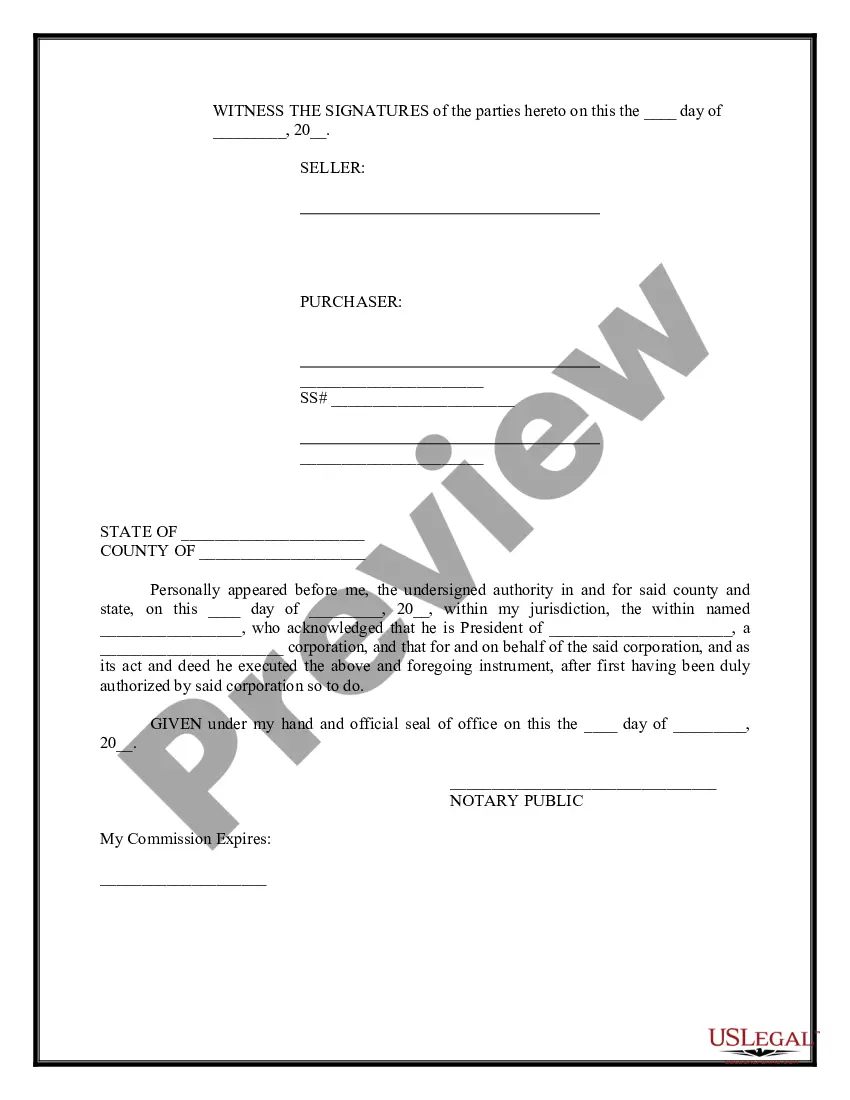
Get your form ready online
Our built-in tools help you complete, sign, share, and store your documents in one place.
Make edits, fill in missing information, and update formatting in US Legal Forms—just like you would in MS Word.
Download a copy, print it, send it by email, or mail it via USPS—whatever works best for your next step.
Sign and collect signatures with our SignNow integration. Send to multiple recipients, set reminders, and more. Go Premium to unlock E-Sign.
If this form requires notarization, complete it online through a secure video call—no need to meet a notary in person or wait for an appointment.
We protect your documents and personal data by following strict security and privacy standards.

Make edits, fill in missing information, and update formatting in US Legal Forms—just like you would in MS Word.

Download a copy, print it, send it by email, or mail it via USPS—whatever works best for your next step.

Sign and collect signatures with our SignNow integration. Send to multiple recipients, set reminders, and more. Go Premium to unlock E-Sign.

If this form requires notarization, complete it online through a secure video call—no need to meet a notary in person or wait for an appointment.

We protect your documents and personal data by following strict security and privacy standards.
Looking for another form?









Form popularity
FAQ
You normally need not get very specific, unless an object is particularly valuable. It is enough to list the location of the property: "all household furnishings and possessions in the apartment at 55 Drury Lane."
A codicil to a will is a legal document used to make minor changes to your existing will without having to rewrite the entire document. It's a flexible tool for updating your estate plan when there are minor changes. Codicils must be executed with the same formalities as a will to ensure validity.
If your language is ambiguous or your intentions are not clear it could lead to instructions not being followed properly or the will being ruled invalid. Ensure you seek professional advice when writing a will, and that all of the proper steps are taken, including having the will witnessed.
Appointment of Executor Clause. An appointment of executor clause names the executor, a key part of your will. Digital Assets Clause. In today's digital age, it's important to consider your digital assets when creating your will. Debt Clause & Tax-Appointment Clause. No-Contest Clause. Attestation Clause. Trust Provisions.
In some cases, the executor can sell the house without getting the sign-off from all the heirs. For example, in California, if the executor can sell the property for at least 90 percent of its appraised value, they may have the authority to move forward with the sale.
In California, executors can make a move on estate property for themselves, but only in some instances and only with all the legal boxes ticked. This type of decision gets a very close look by the court because, let's face it, it's easy for conflicts of interest to pop up.
Texas law allows executors to sell property without the beneficiaries' approval, which can be necessary to keep the estate solvent. However, this authority comes with the responsibility of ensuring that the sale is conducted in the best interest of the estate.
Conclusion. Probate attorneys are required in most probate cases in Texas. The court can even require a probate attorney when it is not legally required. Most Texas courts require an executor to be represented by an attorney when completing the probate process.
contest clause, also known as the forfeiture clause, discourages beneficiaries from challenging the validity of a trust or will. It states that if a beneficiary contests such a document and loses, they forfeit or lose their inheritance.
Top five mistakes when writing a Will Failing to have the Will witnessed correctly. All Wills need to be signed in the presence of two independent witnesses, who in turn must sign the document. Creating a DIY Will. Forgetting key assets. Not updating the Will after your circumstances change. Not writing one at all.