Real Estate Force Majeure Clause In Fulton
Description

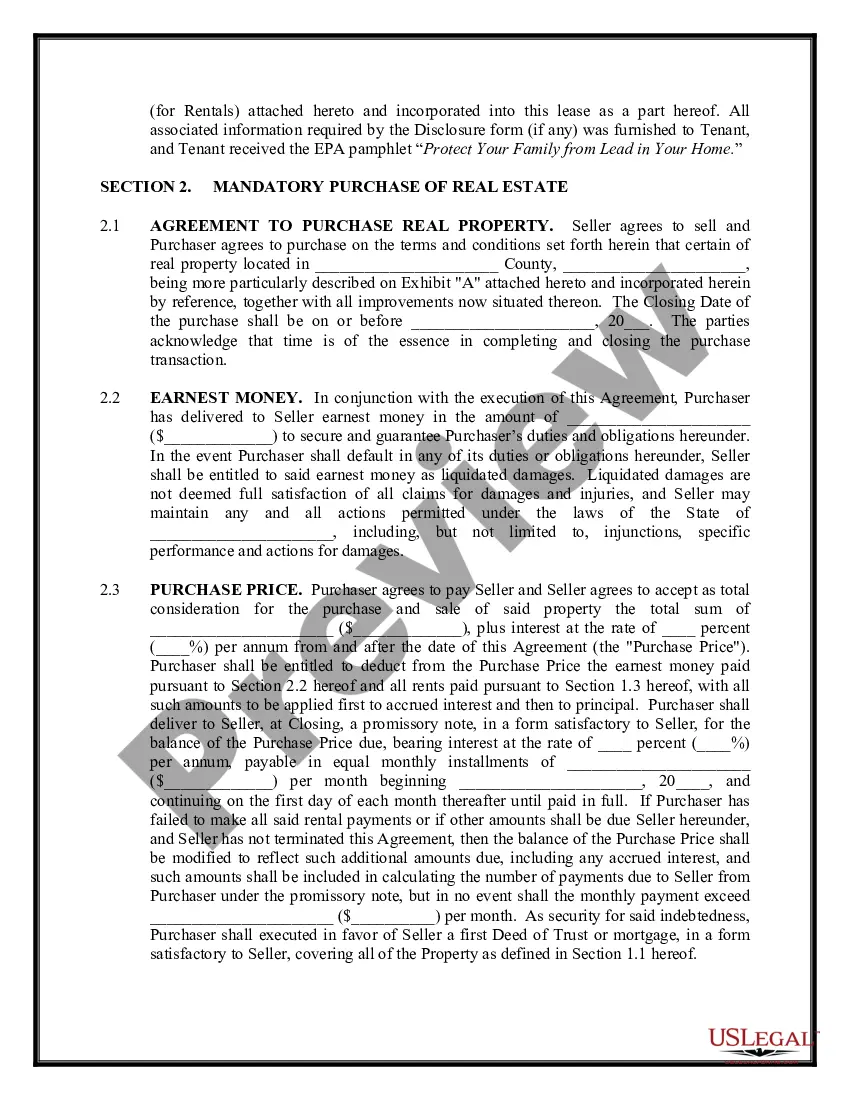
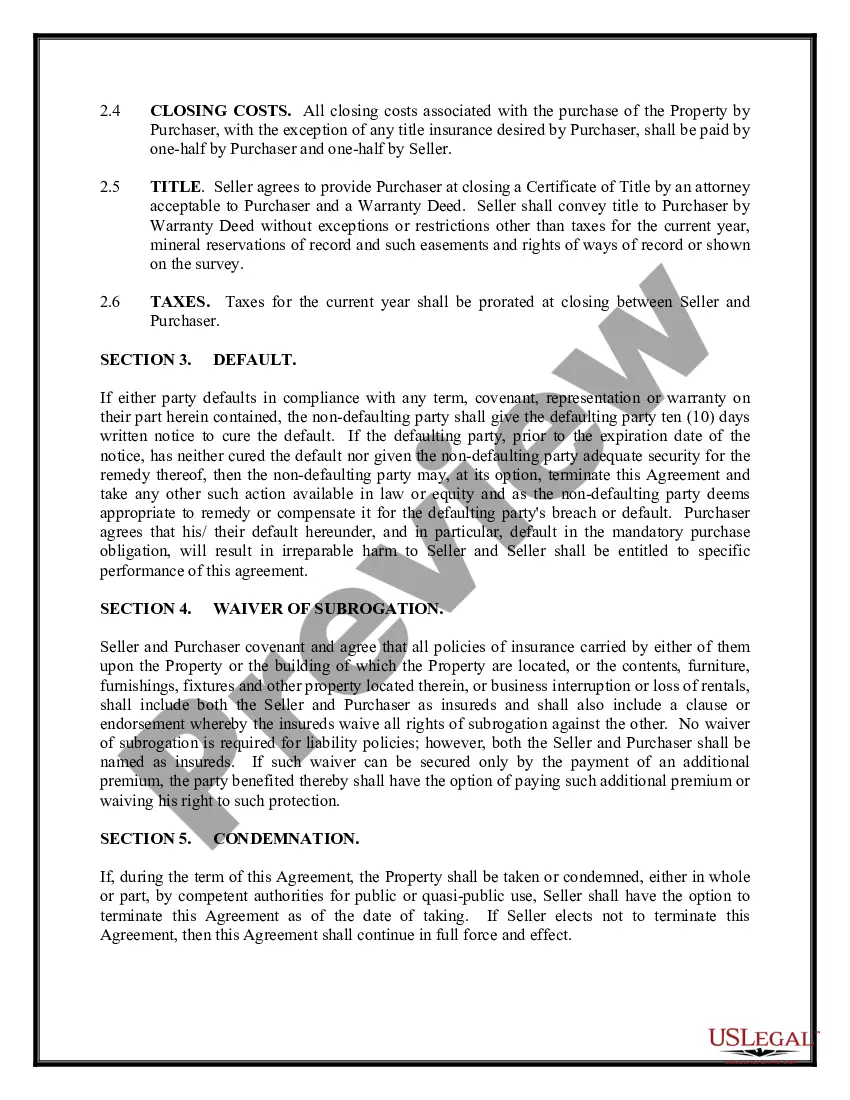
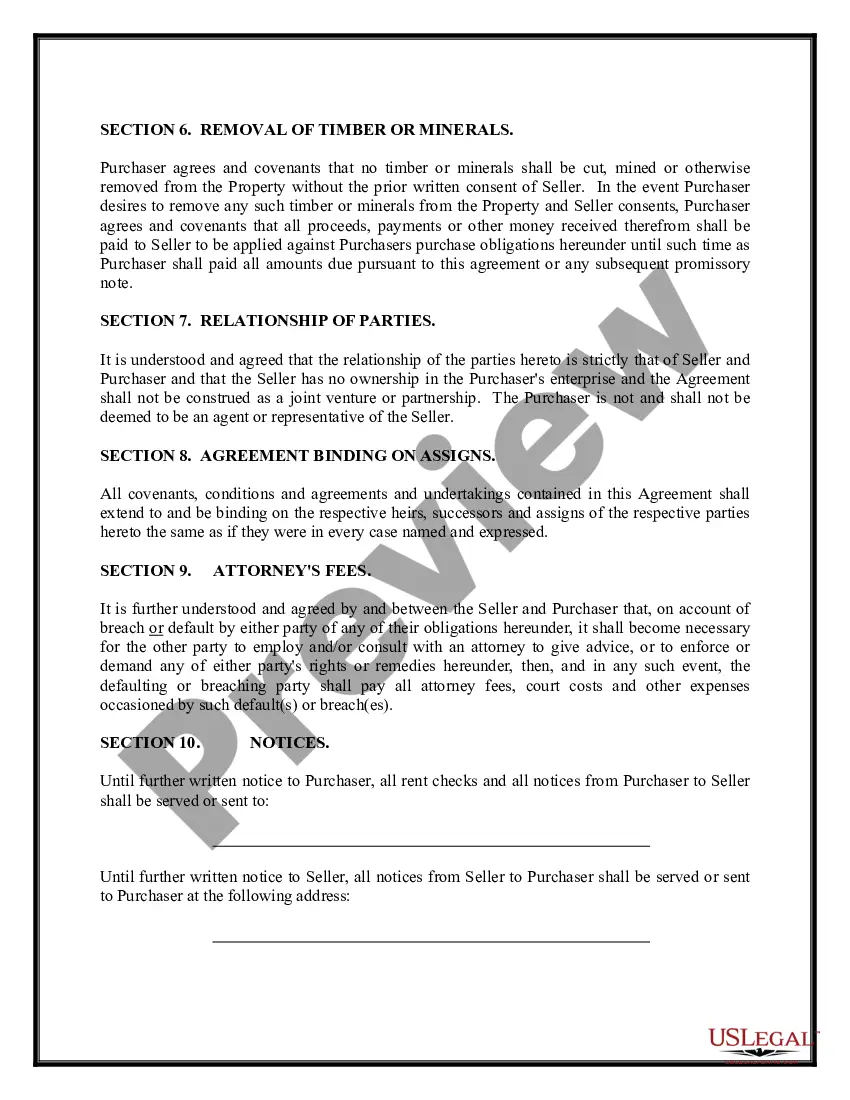
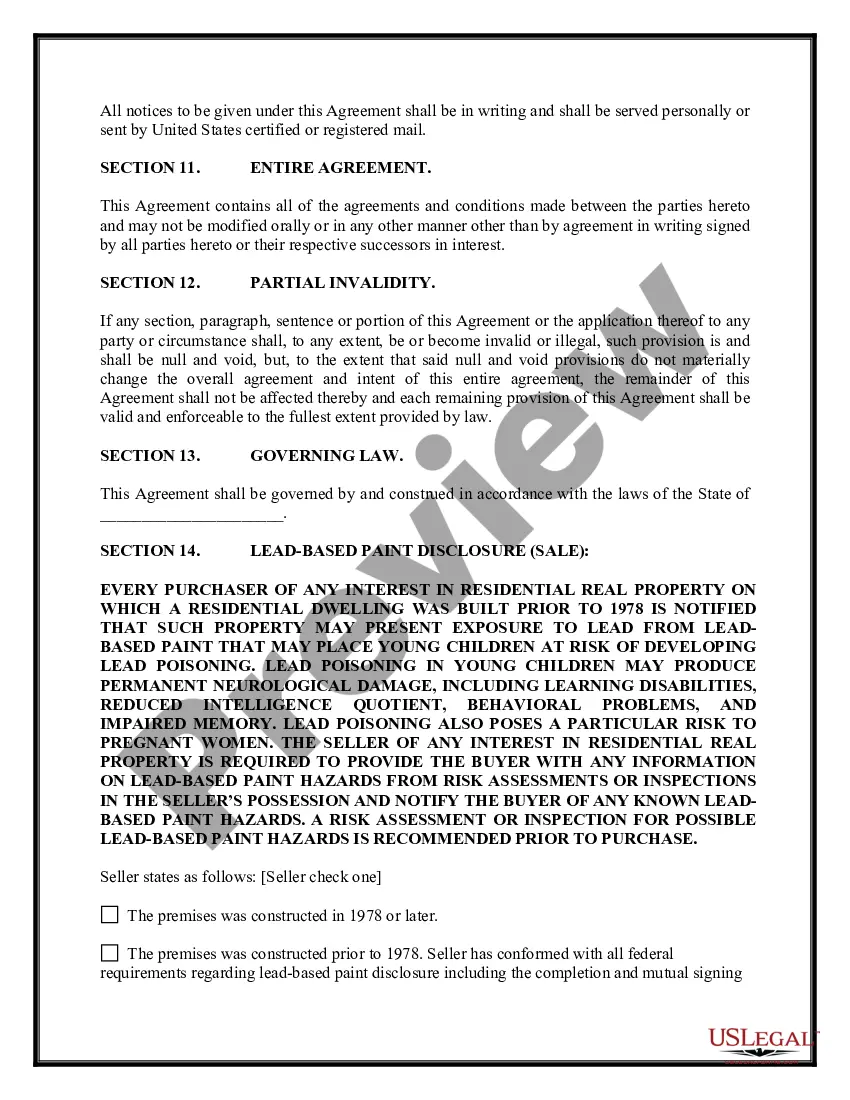
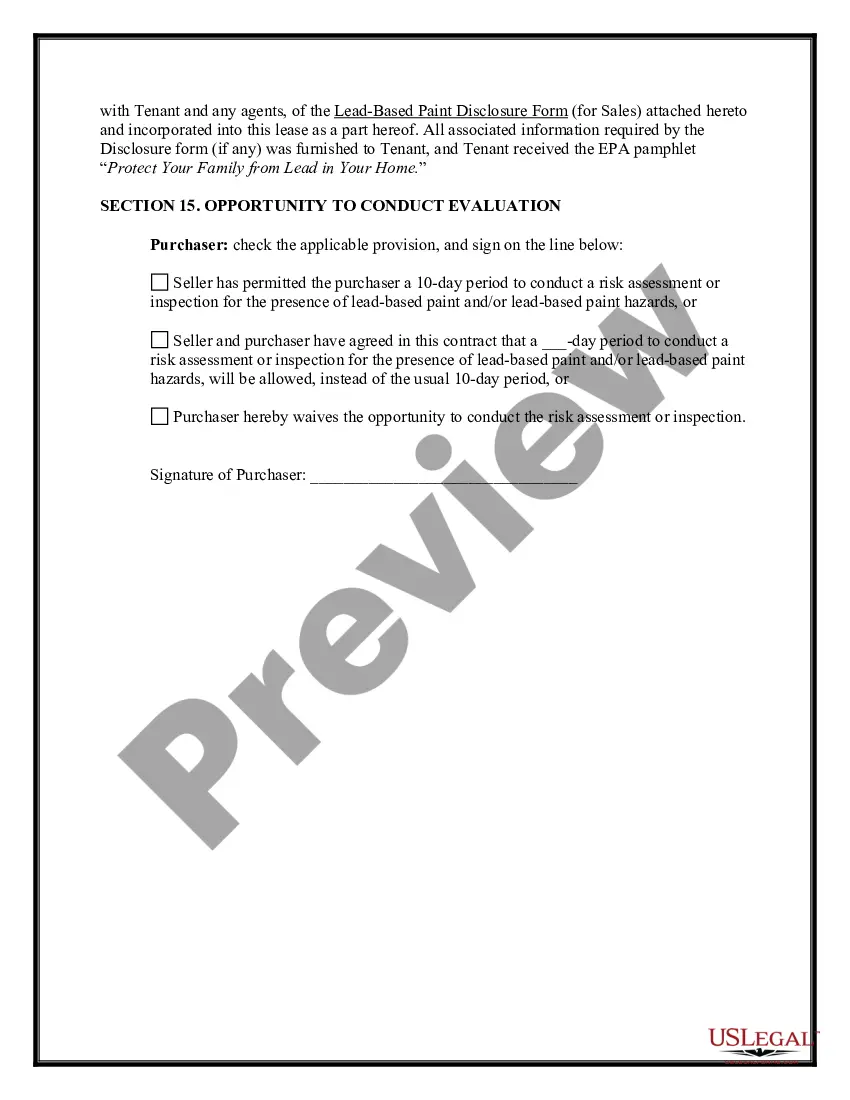
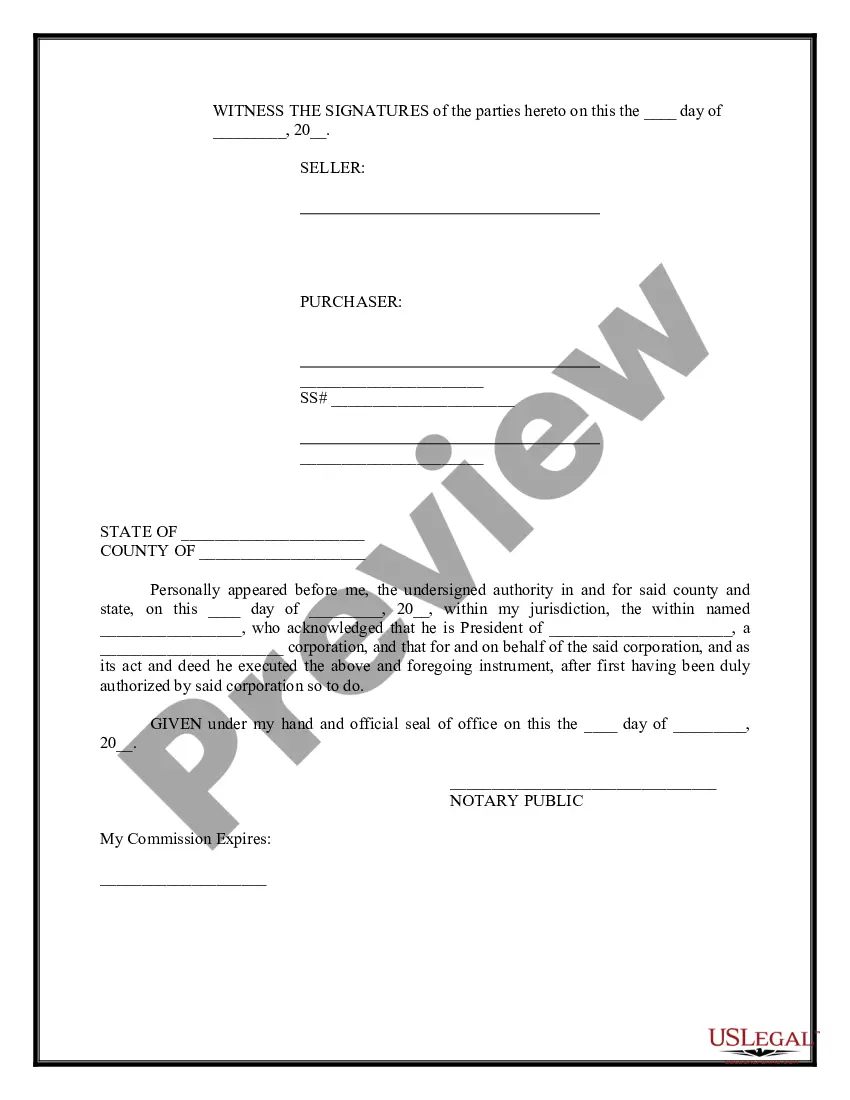
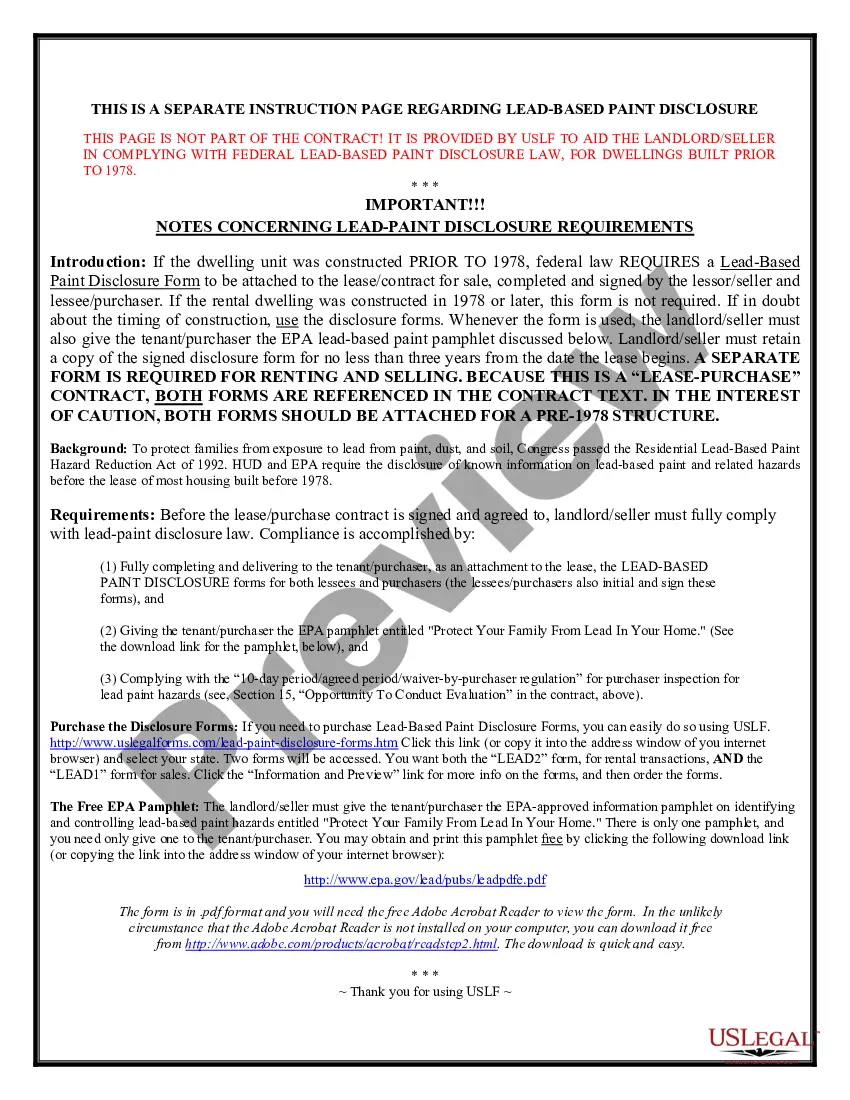
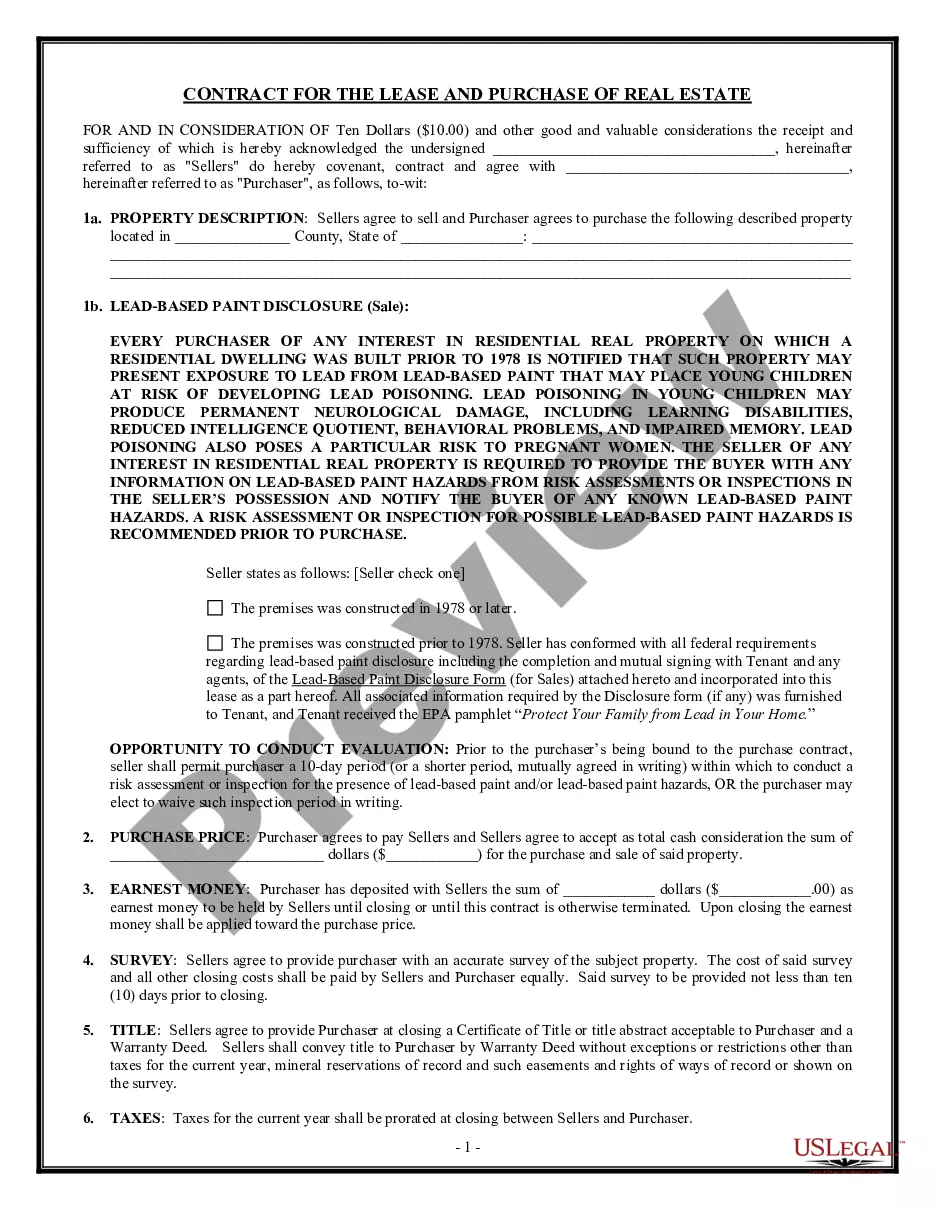
Get your form ready online
Our built-in tools help you complete, sign, share, and store your documents in one place.
Make edits, fill in missing information, and update formatting in US Legal Forms—just like you would in MS Word.
Download a copy, print it, send it by email, or mail it via USPS—whatever works best for your next step.
Sign and collect signatures with our SignNow integration. Send to multiple recipients, set reminders, and more. Go Premium to unlock E-Sign.
If this form requires notarization, complete it online through a secure video call—no need to meet a notary in person or wait for an appointment.
We protect your documents and personal data by following strict security and privacy standards.

Make edits, fill in missing information, and update formatting in US Legal Forms—just like you would in MS Word.

Download a copy, print it, send it by email, or mail it via USPS—whatever works best for your next step.

Sign and collect signatures with our SignNow integration. Send to multiple recipients, set reminders, and more. Go Premium to unlock E-Sign.

If this form requires notarization, complete it online through a secure video call—no need to meet a notary in person or wait for an appointment.

We protect your documents and personal data by following strict security and privacy standards.
Looking for another form?



Form popularity
FAQ
Force Majeure provisions typically have three elements: (1) a list of types of events that are deemed to be triggering events, (2) a statement identifying the party bearing the risk of such a triggering event, and (3) a set of statements identifying the effect of such a triggering event on the obligations of the ...
Force majeure is a clause in a contract that absolves participants from liability for not being able to fulfill their obligations due to unforeseeable catastrophes such as natural disasters, strikes, government actions, war, acts of terrorism, and pandemics.
Force majeure clause may be subjected to a question of validity, under the Unfair Contract Terms Act 1977 and, for consumer contracts, the Consumer Rights Act 2015. In which case, a Court will need to determine the reasonableness of the clause.
Example: Force Majeure Clause In the event of a Force Majeure Event, the affected party's performance under this Agreement shall be suspended for the period that the Force Majeure Event continues and the party will have a reasonable extension of time for performance of its obligations in the circumstances.
Example: Force Majeure Clause In the event of a Force Majeure Event, the affected party's performance under this Agreement shall be suspended for the period that the Force Majeure Event continues and the party will have a reasonable extension of time for performance of its obligations in the circumstances.
In real estate, force majeure refers to a contractual clause that allows parties to suspend or terminate their obligations when certain events beyond their control occur, making performance inadvisable, commercially impracticable, illegal, or impossible.
Commonly referred to as “acts of God”, force majeure events are unforeseeable, exceptional or out with the control of contracting parties. Examples include natural disaster, terrorism, industrial strike action, fire and pandemic/epidemic events such as Covid-19.
Give Notice, If Necessary. Many clauses require the parties to give notice of a force majeure declaration a specific number of days before the event or within a certain time frame once the event is triggered. Make sure you're following terms and promptly give notice.
Clause 19.1 defines a force majeure event as one: which is beyond a Party's control, which such Party could not reasonably have provided against before entering into the Contract, which, having arisen, such Party could not reasonably have avoided or overcome, and.
Sub-Clause 8.4 (Extension of Time of Completion), subsection (e) provides that the Contractor is entitled to an extension of time caused by 'any delay, impediment or prevention caused by or attributable to the Employer, the Employer's Personnel, or the Employer's other contractors on the Site'.