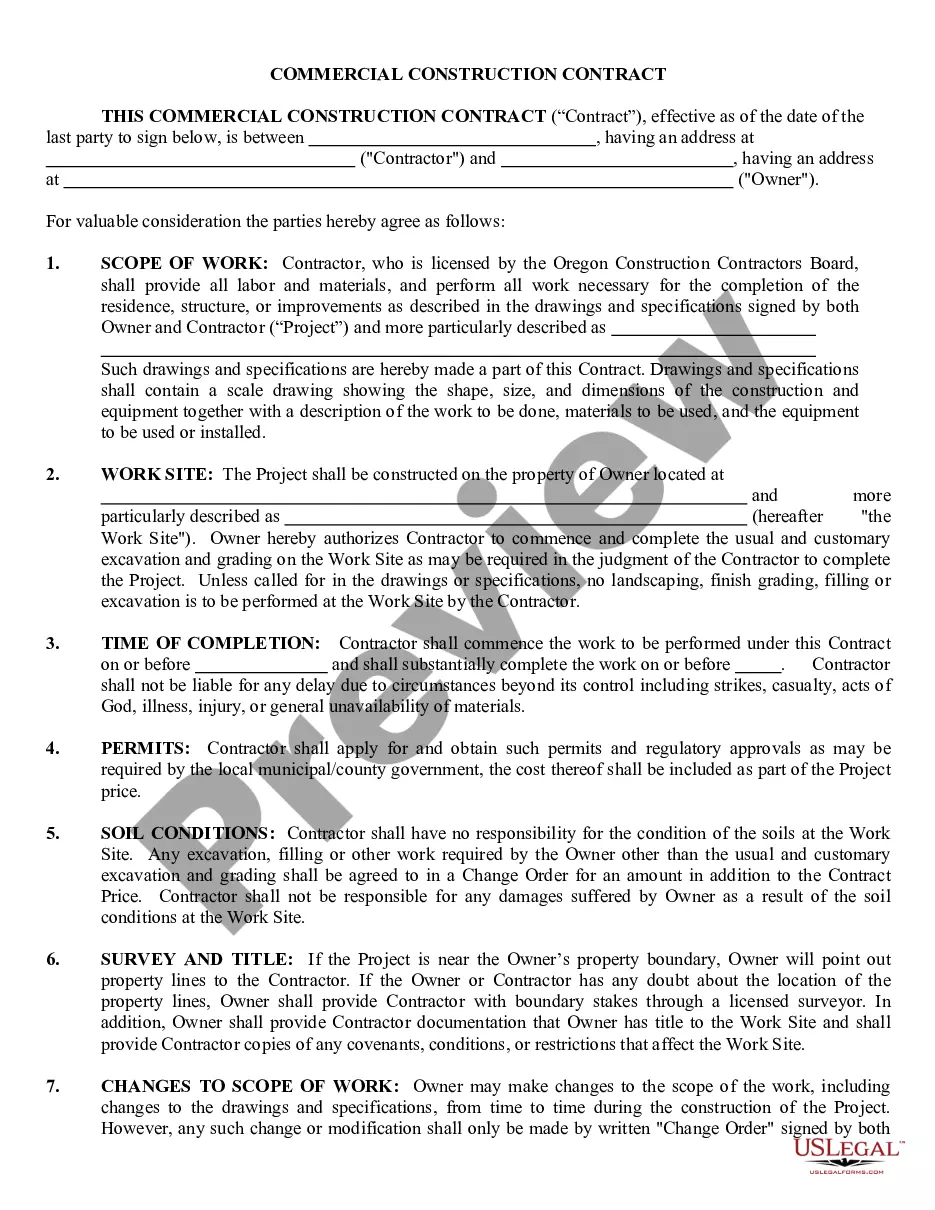
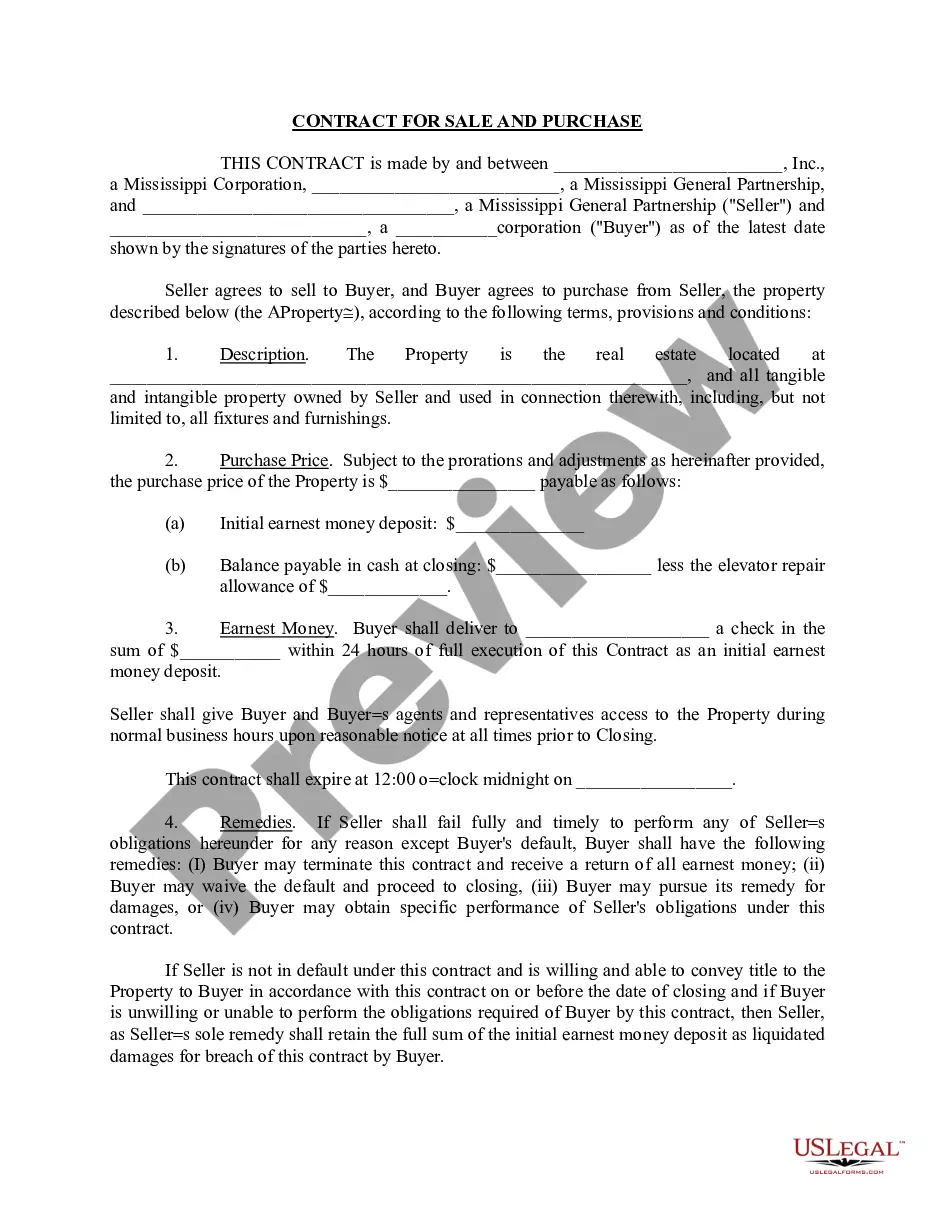
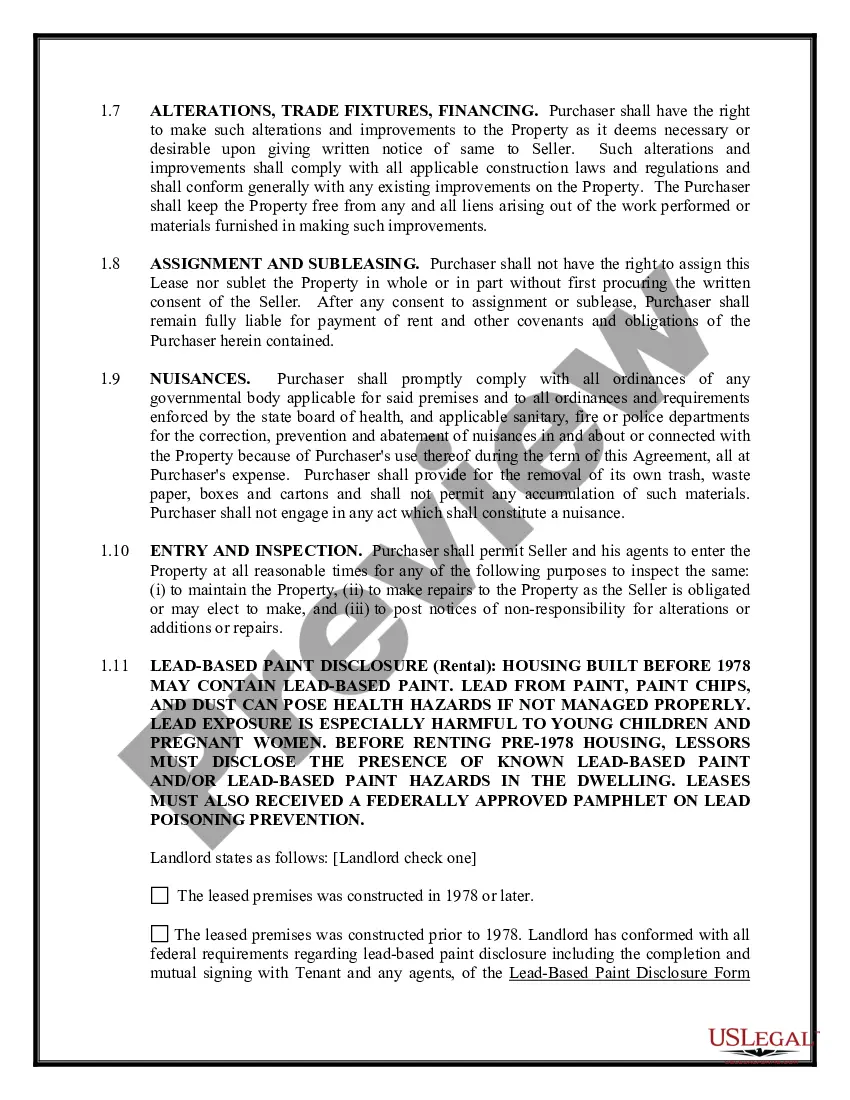
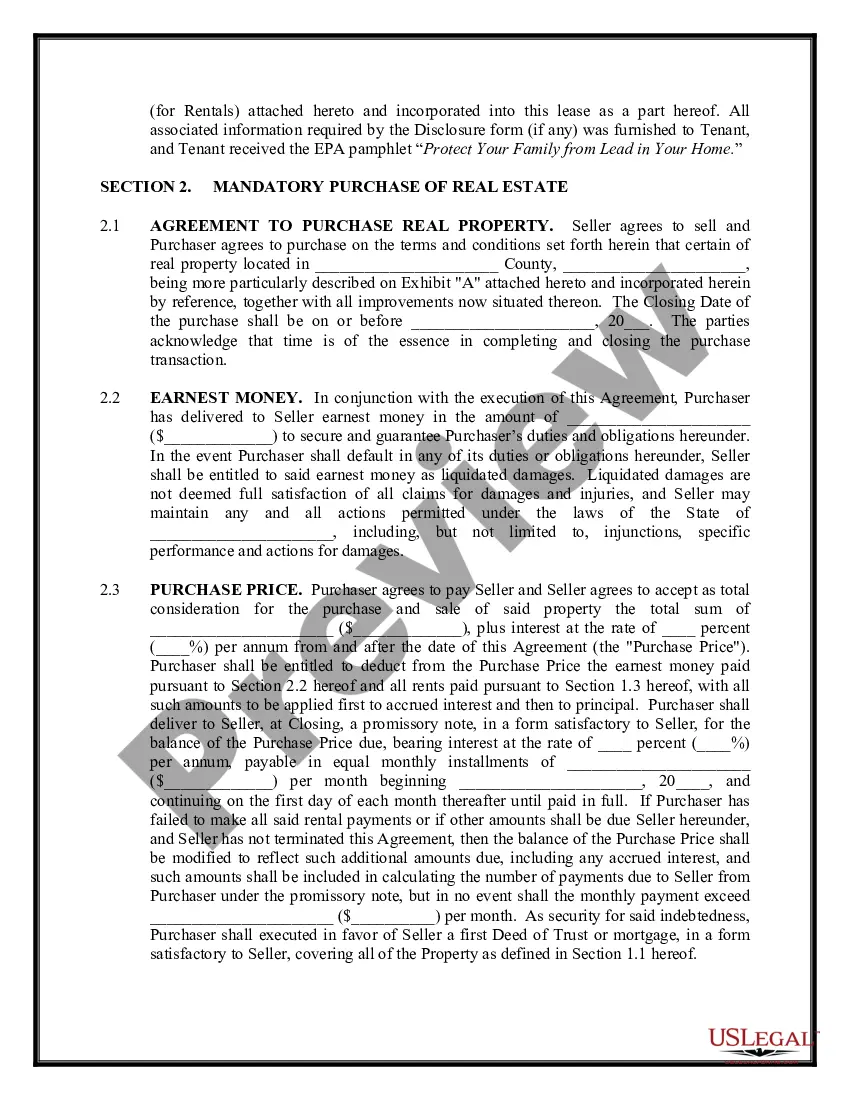
Real Estate Clause For Due Diligence In Fairfax
Description

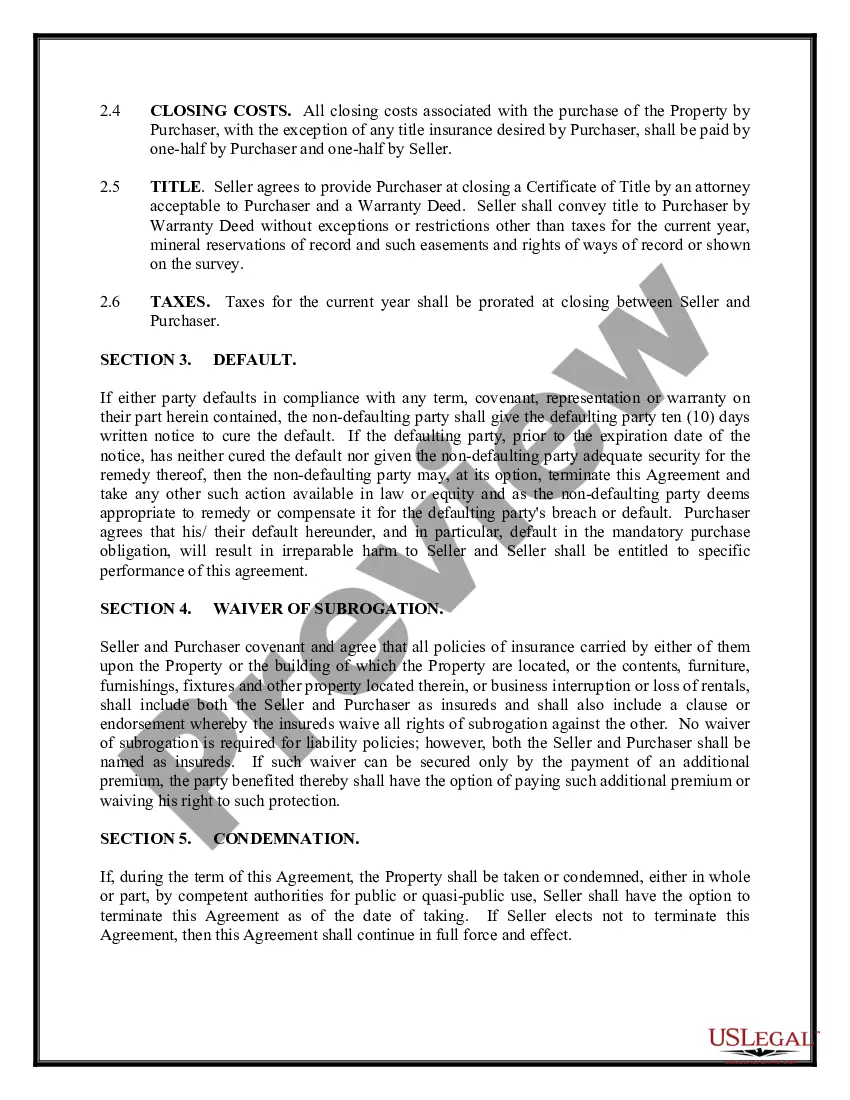
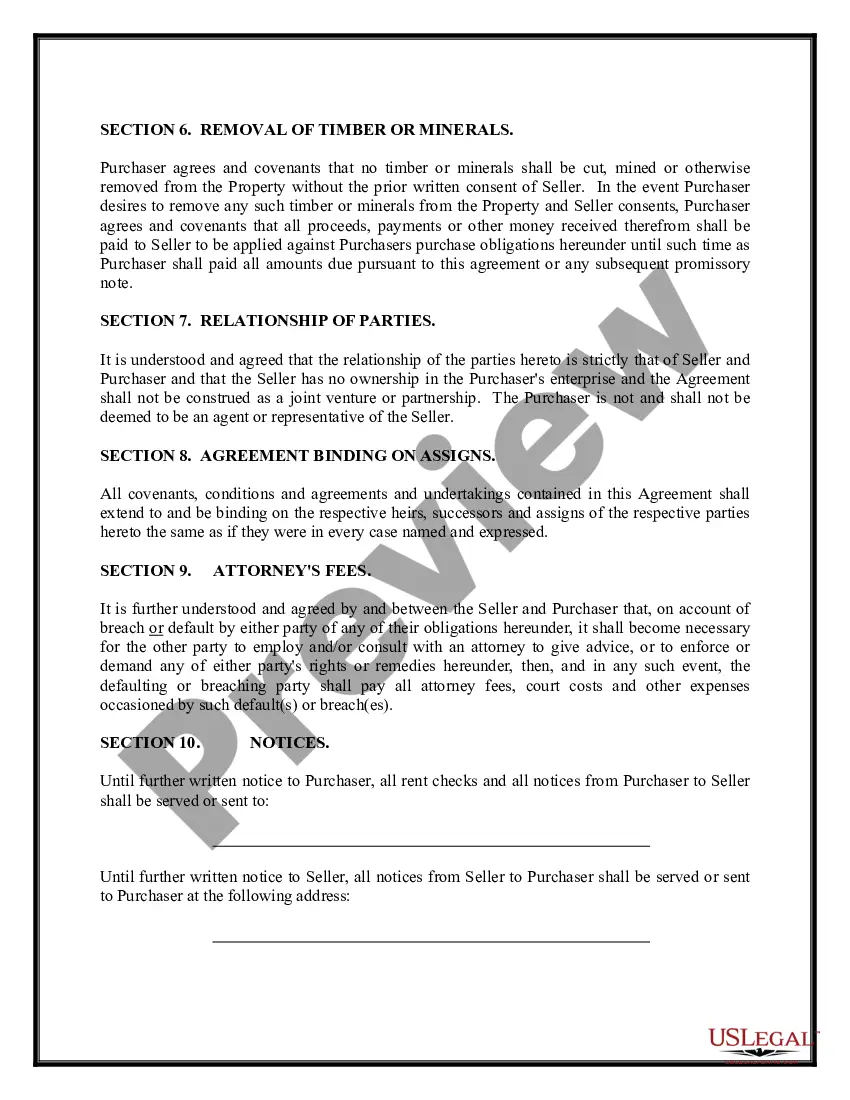
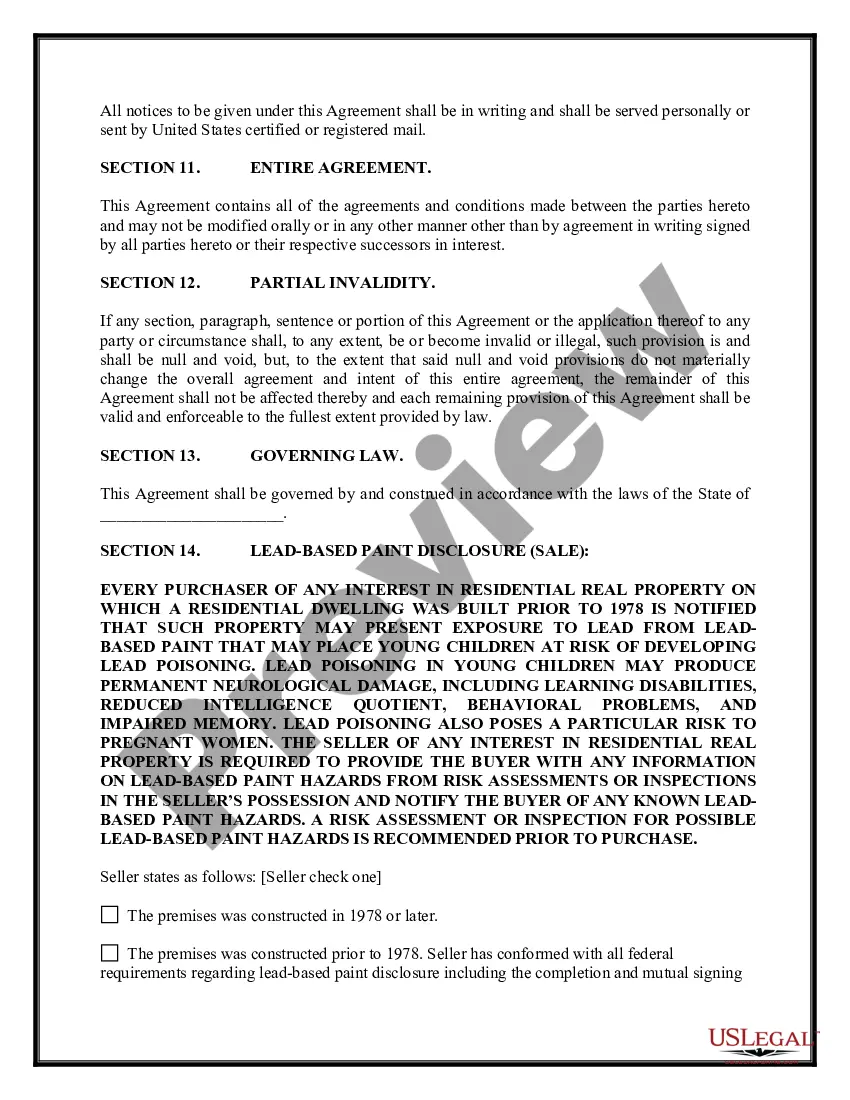
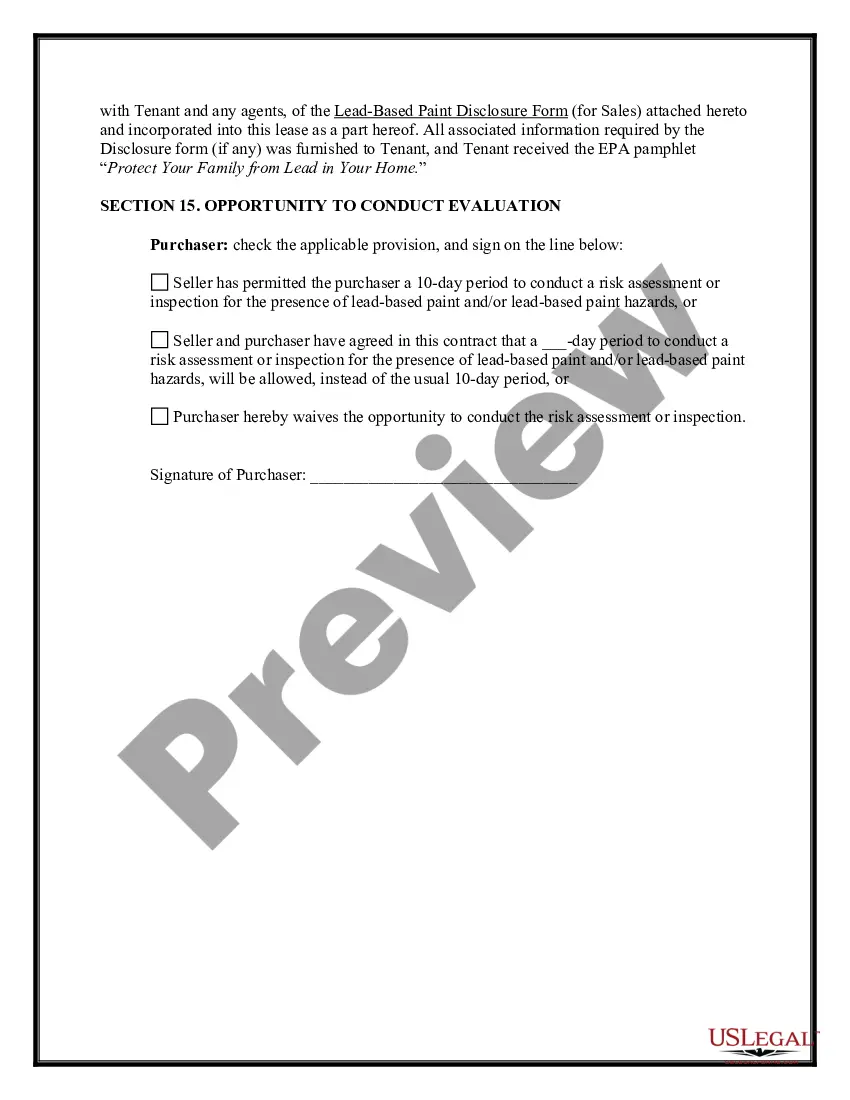
Get your form ready online
Our built-in tools help you complete, sign, share, and store your documents in one place.
Make edits, fill in missing information, and update formatting in US Legal Forms—just like you would in MS Word.
Download a copy, print it, send it by email, or mail it via USPS—whatever works best for your next step.
Sign and collect signatures with our SignNow integration. Send to multiple recipients, set reminders, and more. Go Premium to unlock E-Sign.
If this form requires notarization, complete it online through a secure video call—no need to meet a notary in person or wait for an appointment.
We protect your documents and personal data by following strict security and privacy standards.

Make edits, fill in missing information, and update formatting in US Legal Forms—just like you would in MS Word.

Download a copy, print it, send it by email, or mail it via USPS—whatever works best for your next step.

Sign and collect signatures with our SignNow integration. Send to multiple recipients, set reminders, and more. Go Premium to unlock E-Sign.

If this form requires notarization, complete it online through a secure video call—no need to meet a notary in person or wait for an appointment.

We protect your documents and personal data by following strict security and privacy standards.
Looking for another form?


Form popularity
FAQ
Quick Answer. In real estate, due diligence is the period of time between an accepted offer and closing. It gives you, the buyer, time to get an appraisal, a title search, perform property inspections and more, so you know you're getting what you're paying for.
Often occurring for an average of 60-90 days after the signing of the initial contract, the due diligence phase is a critical time in the process of buying a commercial property. The Due Diligence Period is the time given to the buyer to fully inspect the property and secure financing.
It is typically very hard for a seller to cancel escrow without any valid reason for doing so. A change of mind is not acceptable. A good real estate attorney will be able to help the buyer push the sale through with aid from the court if need be.
The clause is often broadly worded to allow a wide range of investigation. Typical information obtained and reviewed during Due Diligence include, but are not limited to, title review, environmental testing, survey, appraisal, inspection or property condition assessment, and review of town records.
During the term of this Agreement, the Company will reasonably cooperate with any reasonable due diligence review conducted by the Agent in connection with the transactions contemplated hereby, including, without limitation, providing information and, upon reasonable prior notice, making available documents and senior ...
Due Diligence Examples Conducting thorough inspections on a property before buying it in order to make sure that it is a good investment. An underwriter auditing an issuer's business and operations prior to selling it.
Definition: Due diligence is the process of examining all the material facts of a contract or a deal before a legal contract is signed by both the parties. Put differently, it could also mean verifying the accuracy of a statement.
During the due-diligence period, a purchaser may order inspections, research zoning or permits, review environmental factors, or shop for insurance. A pest inspection is normally ordered as well as a home inspection.
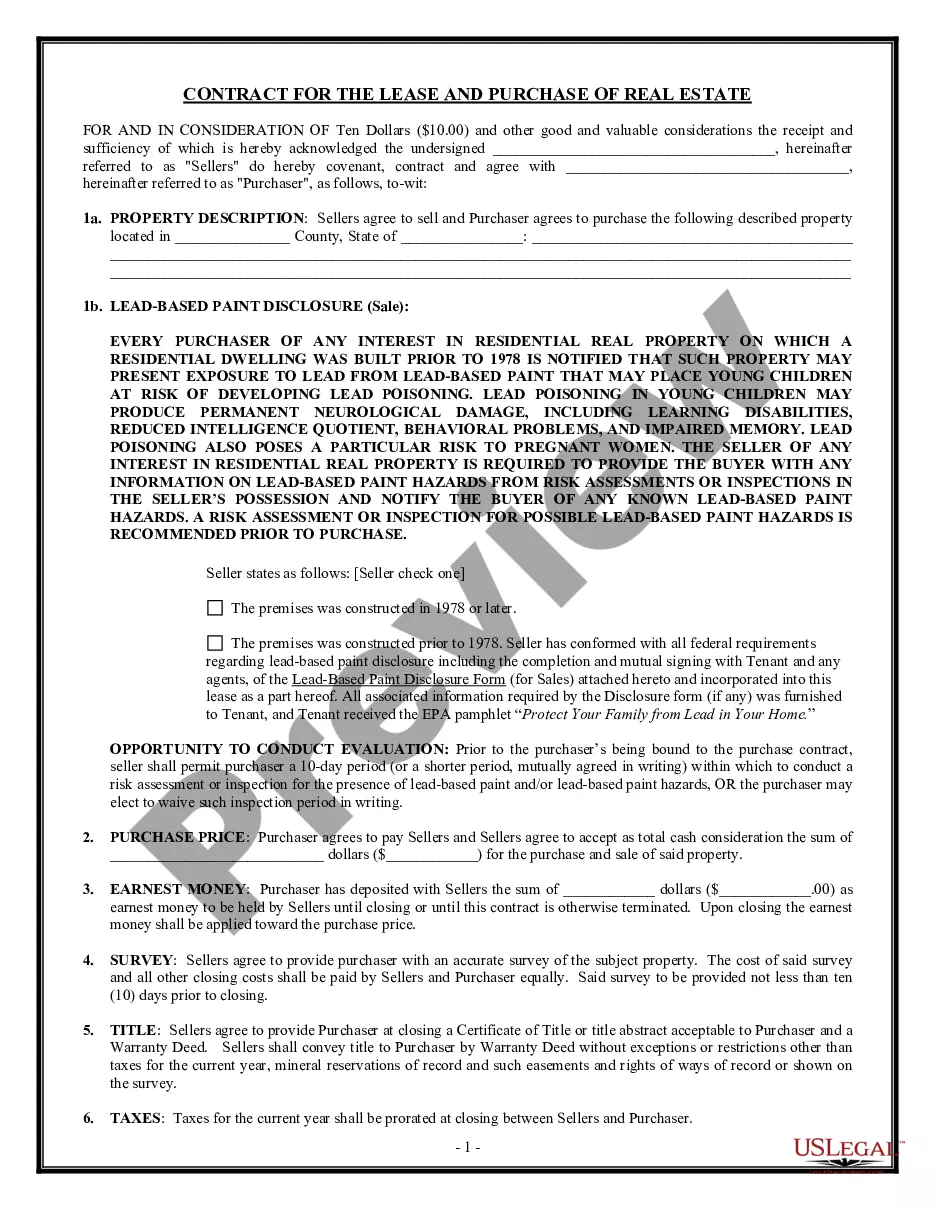
Here is an example clause: Due Diligence Period Clause: “The Buyer shall have a period of number of days days, starting from the Effective Date, to conduct a thorough due diligence review of the Property.
How To Write a Due Diligence Report Step 1: Clearly define the scope of the due diligence process. This first step is where your investigation begins. Step 2: Gather Relevant Information. Step 3: Analyze the Gathered Data. Step 4: Organize the Findings into a Comprehensive Report. Step 5: Provide Recommendations.