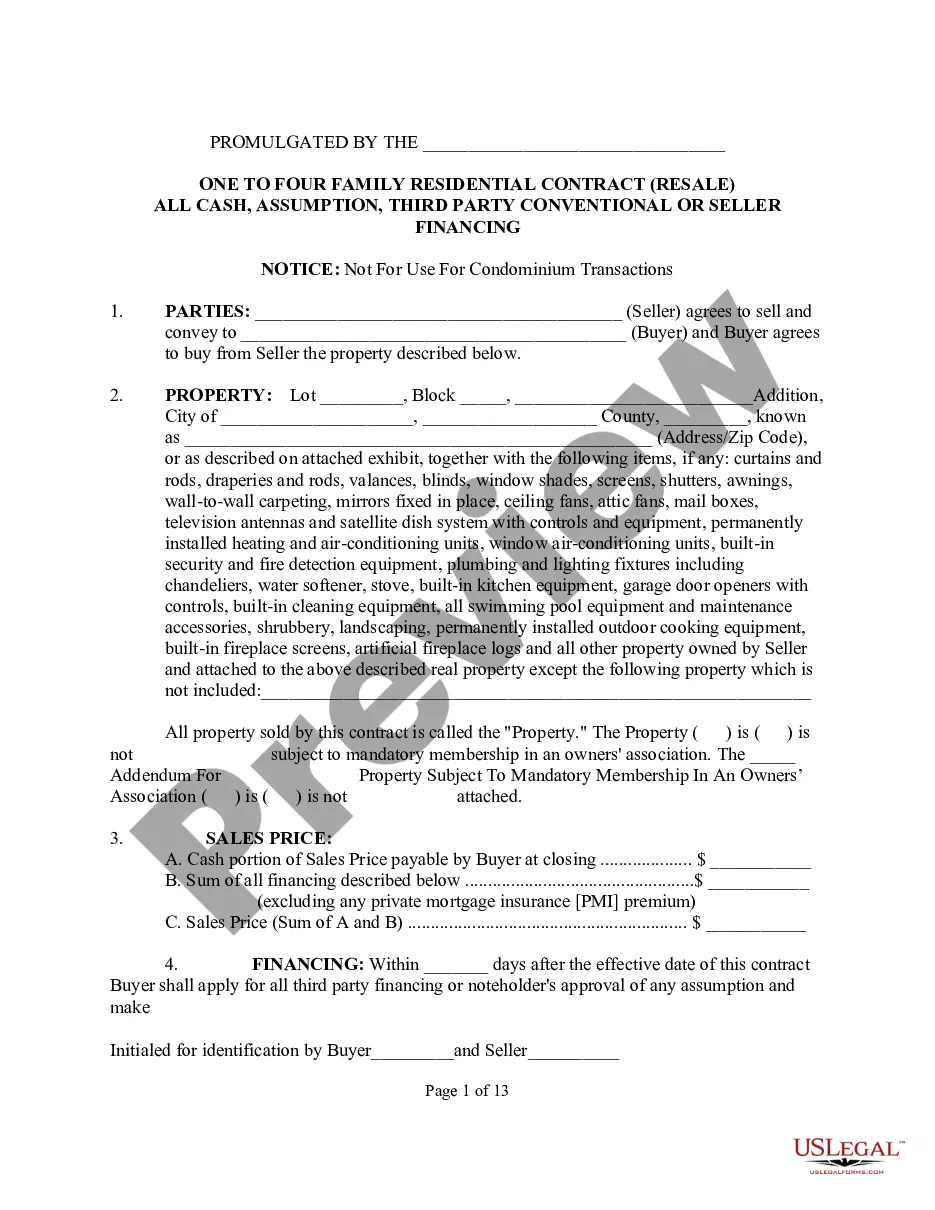
Real Estate Offer With Escalation Clause In Dallas
Description

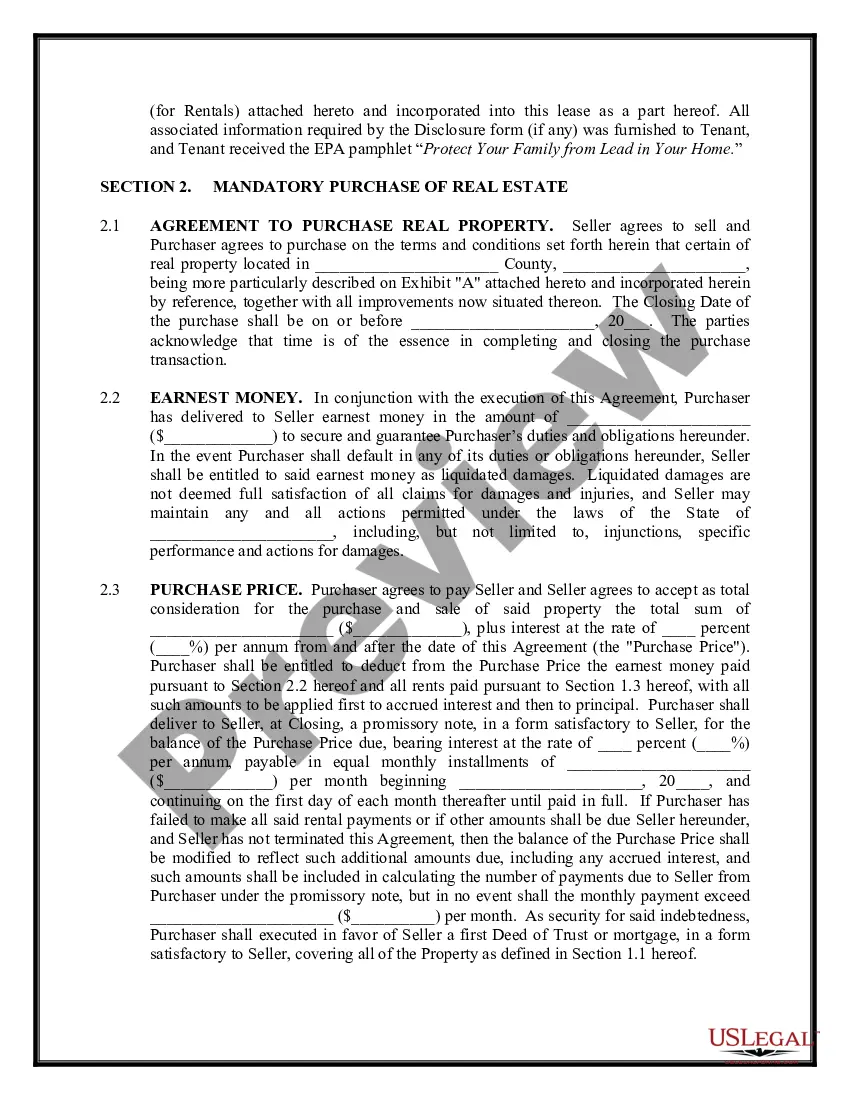
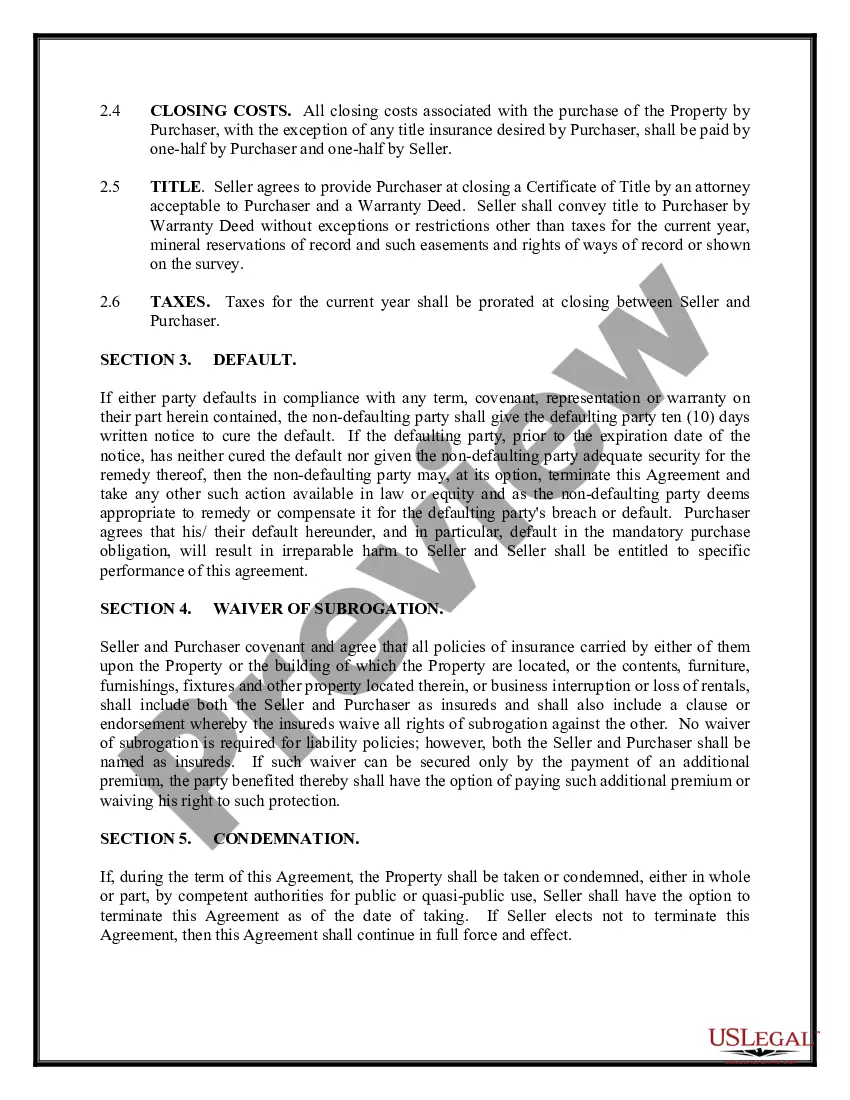
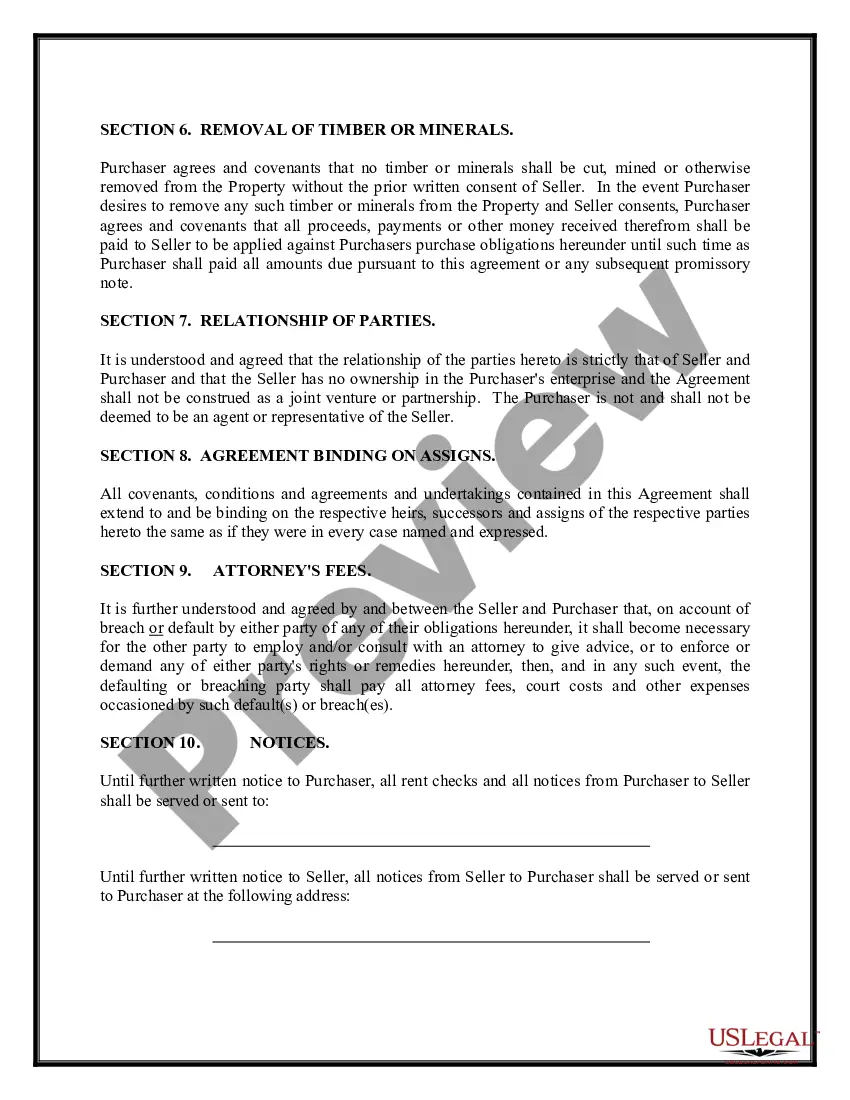
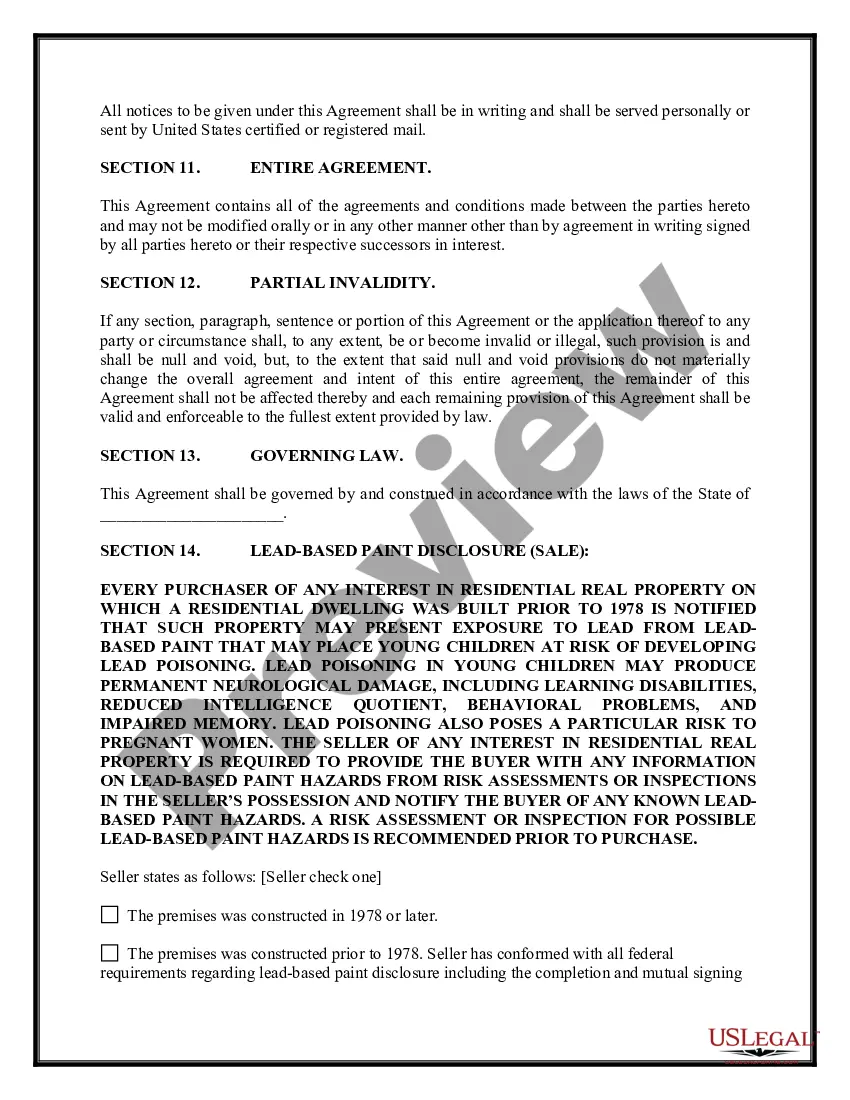
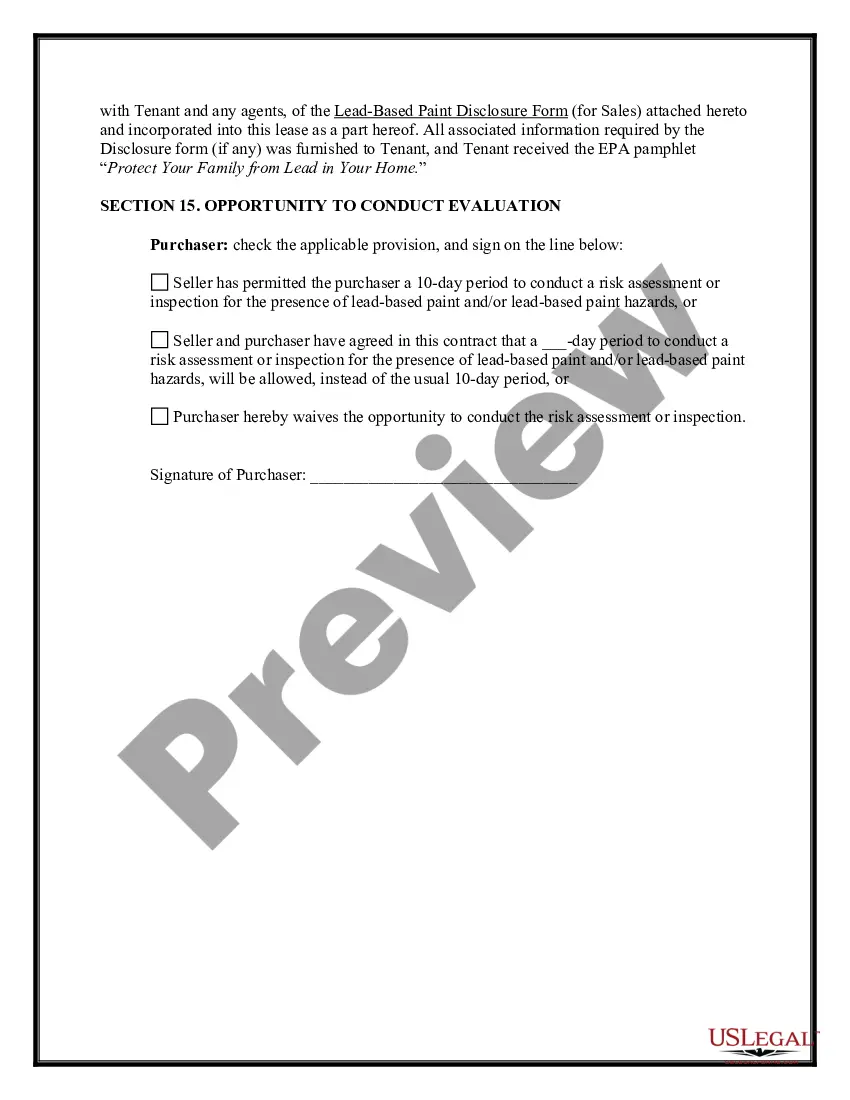
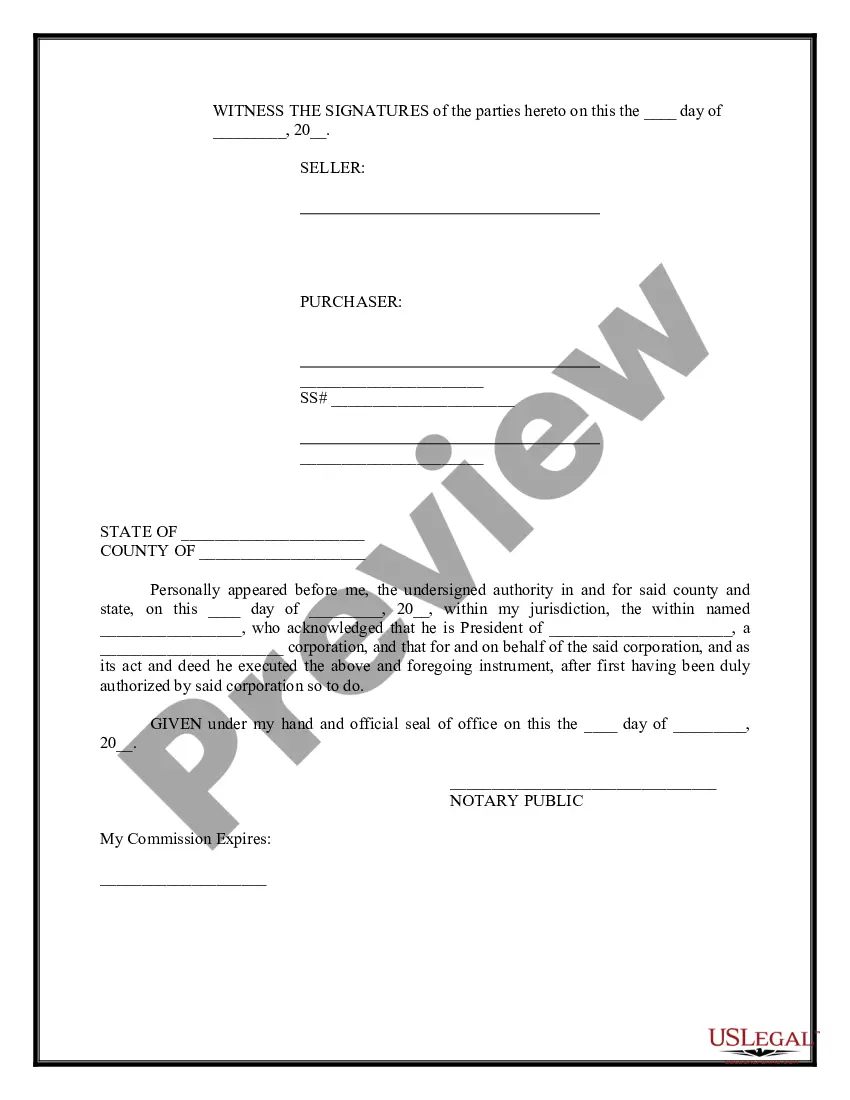
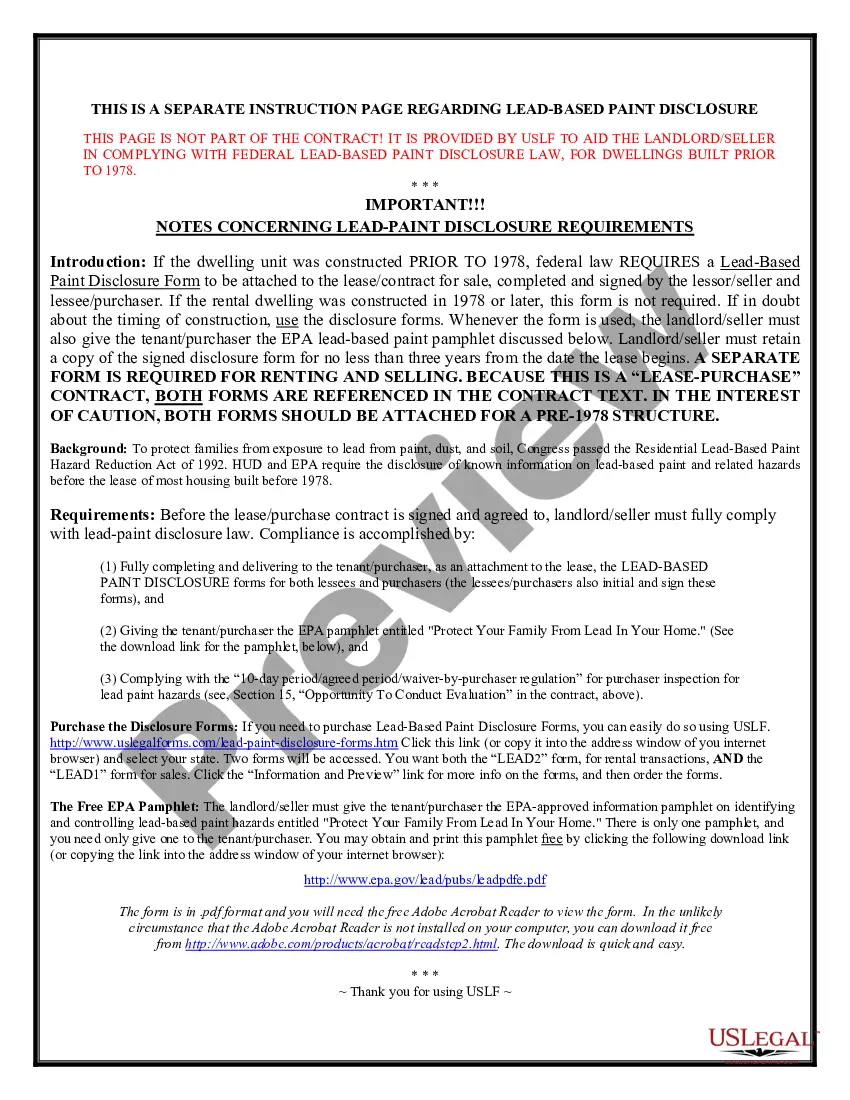
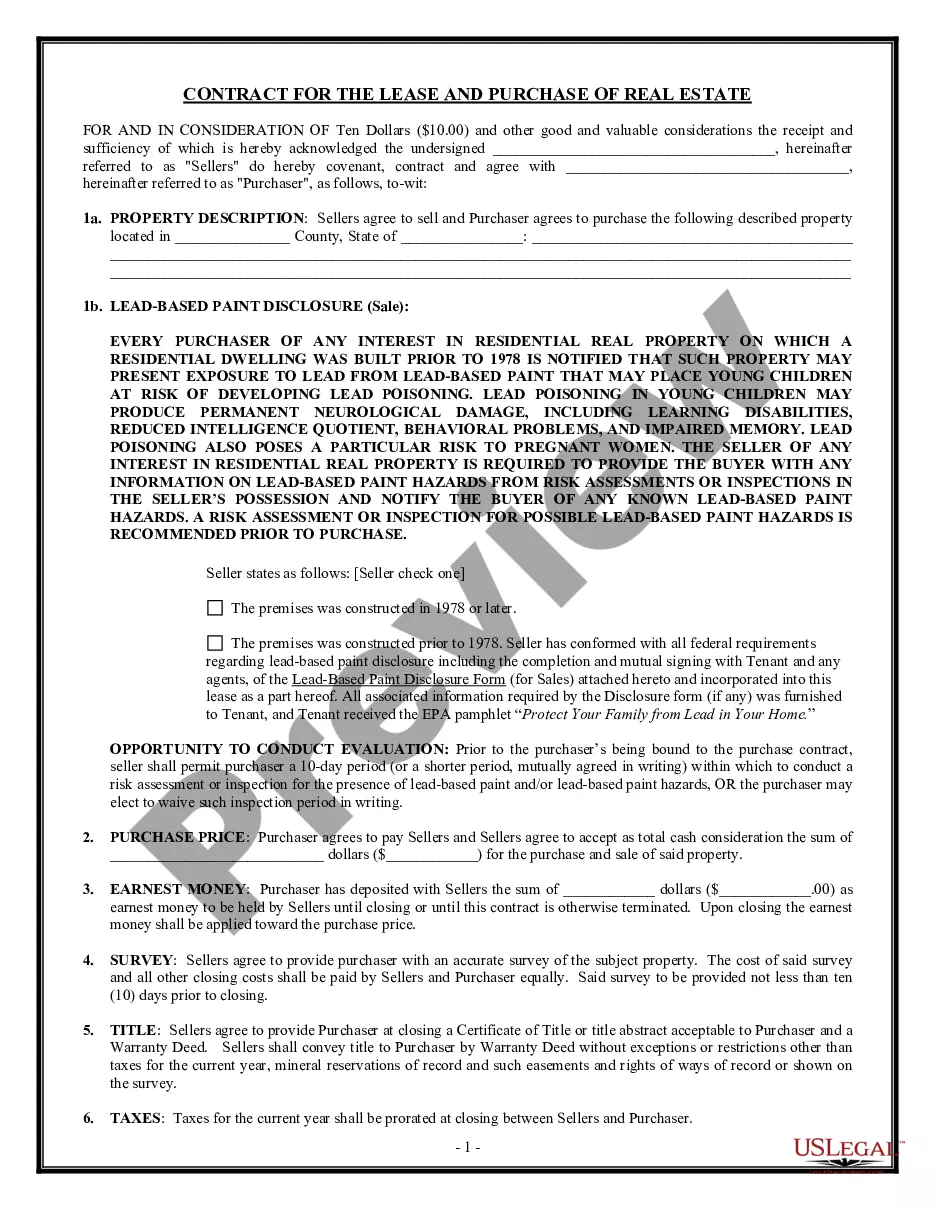
Get your form ready online
Our built-in tools help you complete, sign, share, and store your documents in one place.
Make edits, fill in missing information, and update formatting in US Legal Forms—just like you would in MS Word.
Download a copy, print it, send it by email, or mail it via USPS—whatever works best for your next step.
Sign and collect signatures with our SignNow integration. Send to multiple recipients, set reminders, and more. Go Premium to unlock E-Sign.
If this form requires notarization, complete it online through a secure video call—no need to meet a notary in person or wait for an appointment.
We protect your documents and personal data by following strict security and privacy standards.

Make edits, fill in missing information, and update formatting in US Legal Forms—just like you would in MS Word.

Download a copy, print it, send it by email, or mail it via USPS—whatever works best for your next step.

Sign and collect signatures with our SignNow integration. Send to multiple recipients, set reminders, and more. Go Premium to unlock E-Sign.

If this form requires notarization, complete it online through a secure video call—no need to meet a notary in person or wait for an appointment.

We protect your documents and personal data by following strict security and privacy standards.
Looking for another form?









Form popularity
FAQ
Can You Use Escalation Clauses in Texas? The Texas Real Estate Commission (TREC) prohibits agents from writing escalation clauses.
Yes, escalation clauses are legal in Texas, but they must be drafted by a licensed attorney. The Texas Real Estate Commission (TREC) prohibits agents from drafting these clauses as part of real estate contracts.
To add, yes, escalation clauses are highly advisable. I use them for almost every single house my buyer is going to write an offer on and we know for certain there will be other offers. The escalation clause in itself is very favorable to buyers and protects them in more ways than one.
Yes. Given that the enforceability of such a contract is not 100% assured, and given the potential pitfalls as discussed in the previous questions, the buyer should be advised to speak with their own legal counsel prior to making such an offer.
Including an escalation clause may put you at risk for paying more than what the property was appraised for. Just because someone else is making a higher offer doesn't necessarily mean the home is worth that amount.
However, buyers need to be careful with these clauses as they can sometimes backfire. “An escalation clause needs to be in conjunction with a really good offer,” said Madani of Room Real Estate. “It's really the whole package to get your offer accepted.”
A: It's difficult to pull out of an escalation clause as a buyer because it is essentially a contract. , Whether or not you will be able to get out will depend on your contract, and any financing or appraisal contingencies it contains.
Does The Seller Have To Respond To Your Offer? Although frustrating, sellers aren't legally obligated to respond to your offer. If they don't like it, feel offended by it or don't have the time to respond, they don't have to.
The reason why sellers don't want escalation clauses is simple: It introduces the risk that they'll sell the house for less than what would be your best and final offer.