Forfeiture Clause Real Estate In Arizona
Description

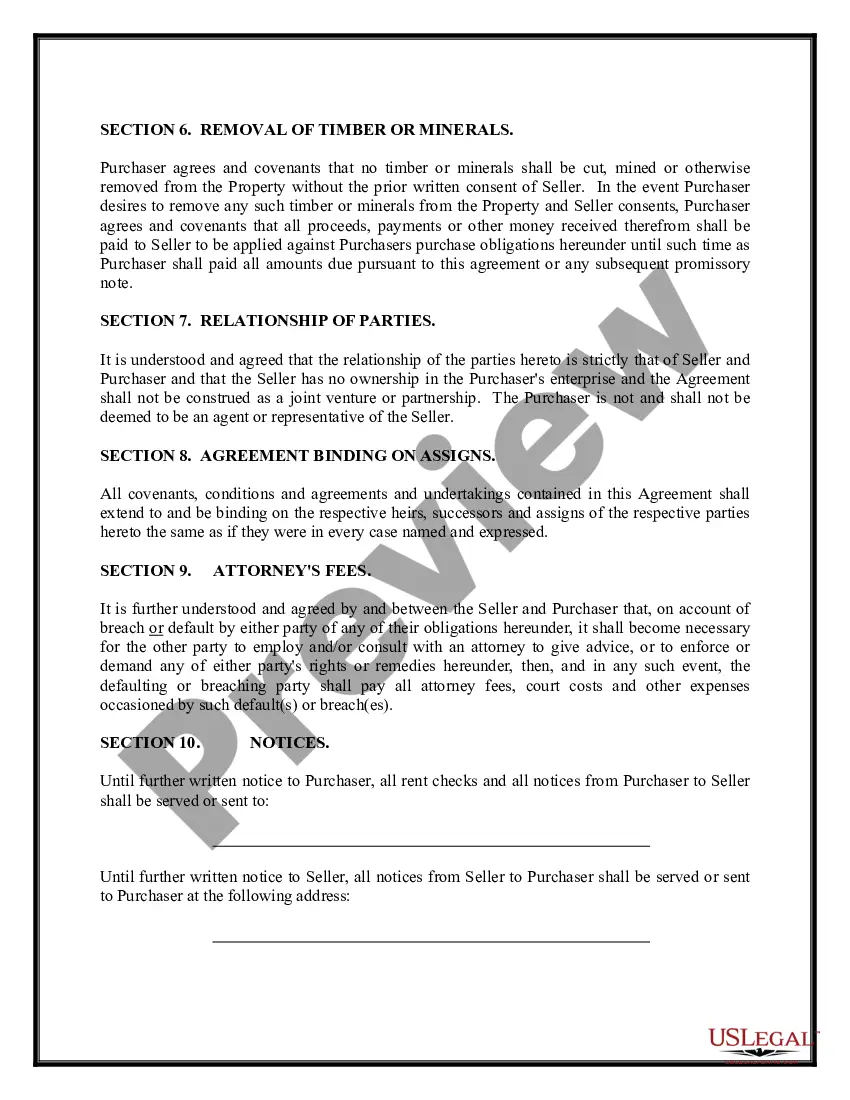
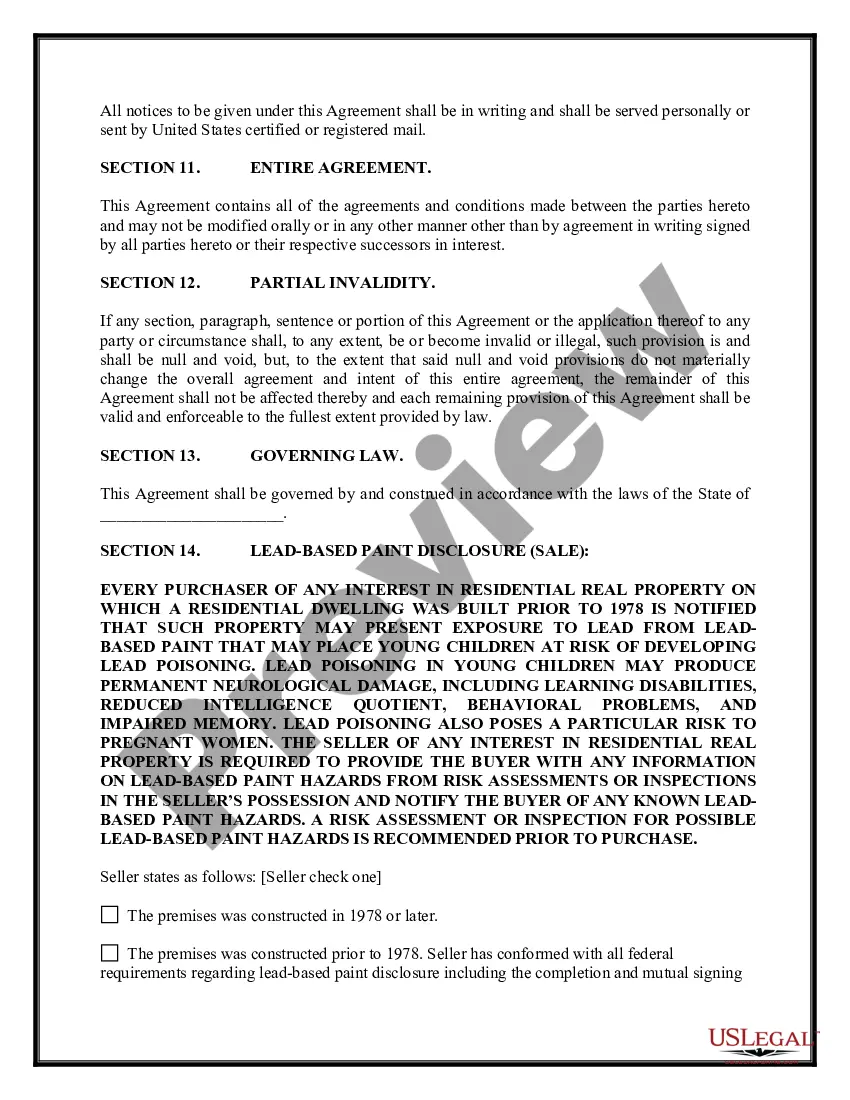
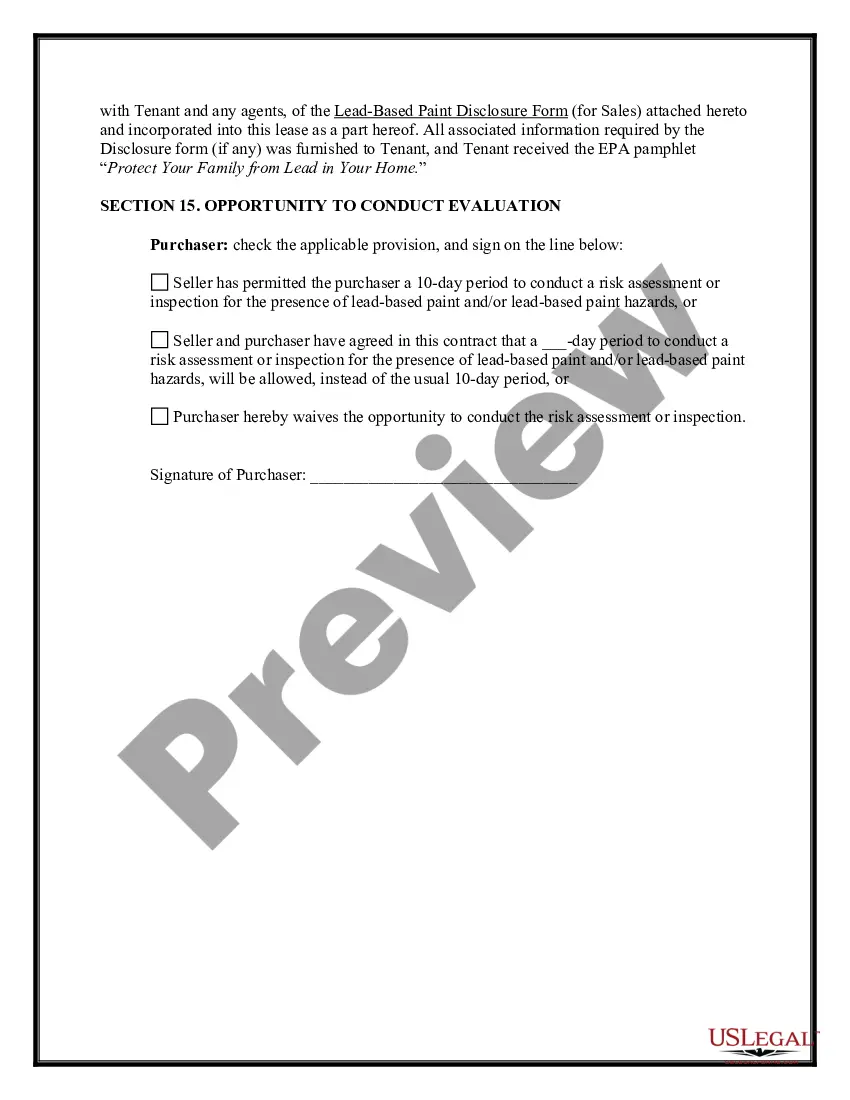
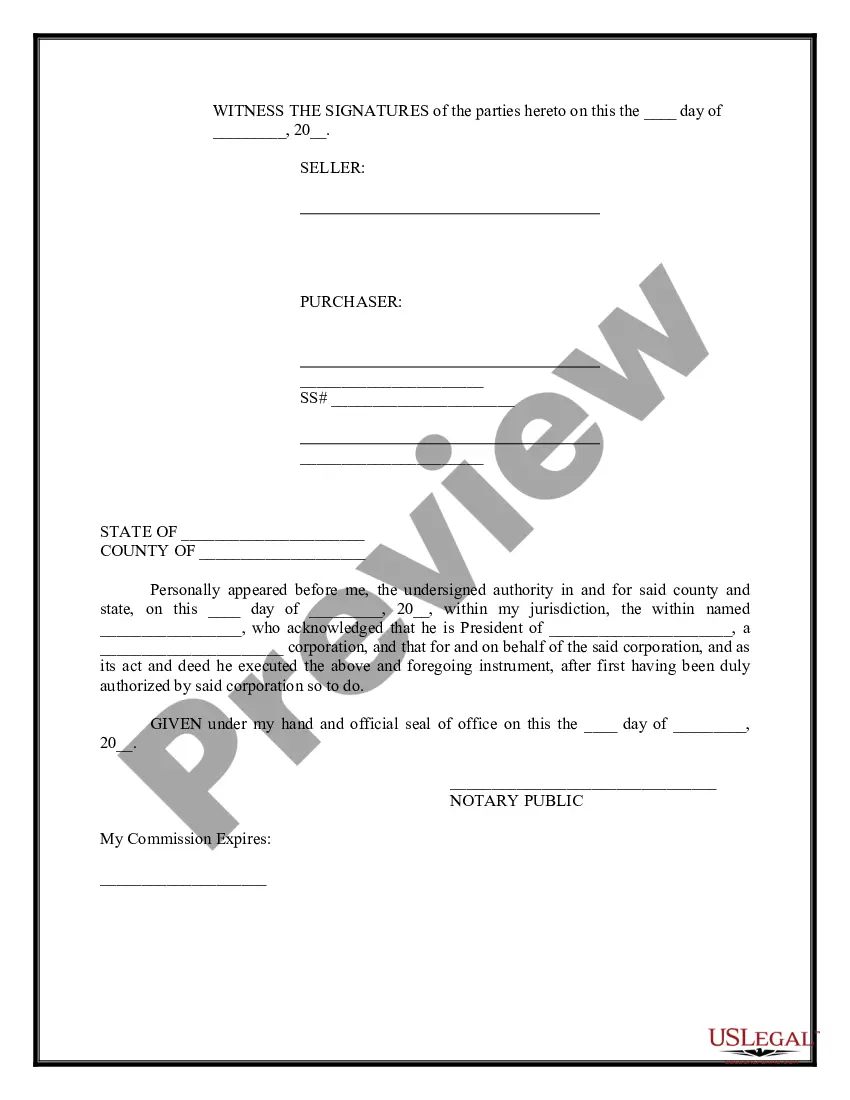
Get your form ready online
Our built-in tools help you complete, sign, share, and store your documents in one place.
Make edits, fill in missing information, and update formatting in US Legal Forms—just like you would in MS Word.
Download a copy, print it, send it by email, or mail it via USPS—whatever works best for your next step.
Sign and collect signatures with our SignNow integration. Send to multiple recipients, set reminders, and more. Go Premium to unlock E-Sign.
If this form requires notarization, complete it online through a secure video call—no need to meet a notary in person or wait for an appointment.
We protect your documents and personal data by following strict security and privacy standards.

Make edits, fill in missing information, and update formatting in US Legal Forms—just like you would in MS Word.

Download a copy, print it, send it by email, or mail it via USPS—whatever works best for your next step.

Sign and collect signatures with our SignNow integration. Send to multiple recipients, set reminders, and more. Go Premium to unlock E-Sign.

If this form requires notarization, complete it online through a secure video call—no need to meet a notary in person or wait for an appointment.

We protect your documents and personal data by following strict security and privacy standards.
Looking for another form?









Form popularity
FAQ
The answer in Arizona is no unless the buyer is in breach of the contract. A buyer and Seller are legally under contract once both sign the contract and it is delivered. At that point it is a legally binding contract.
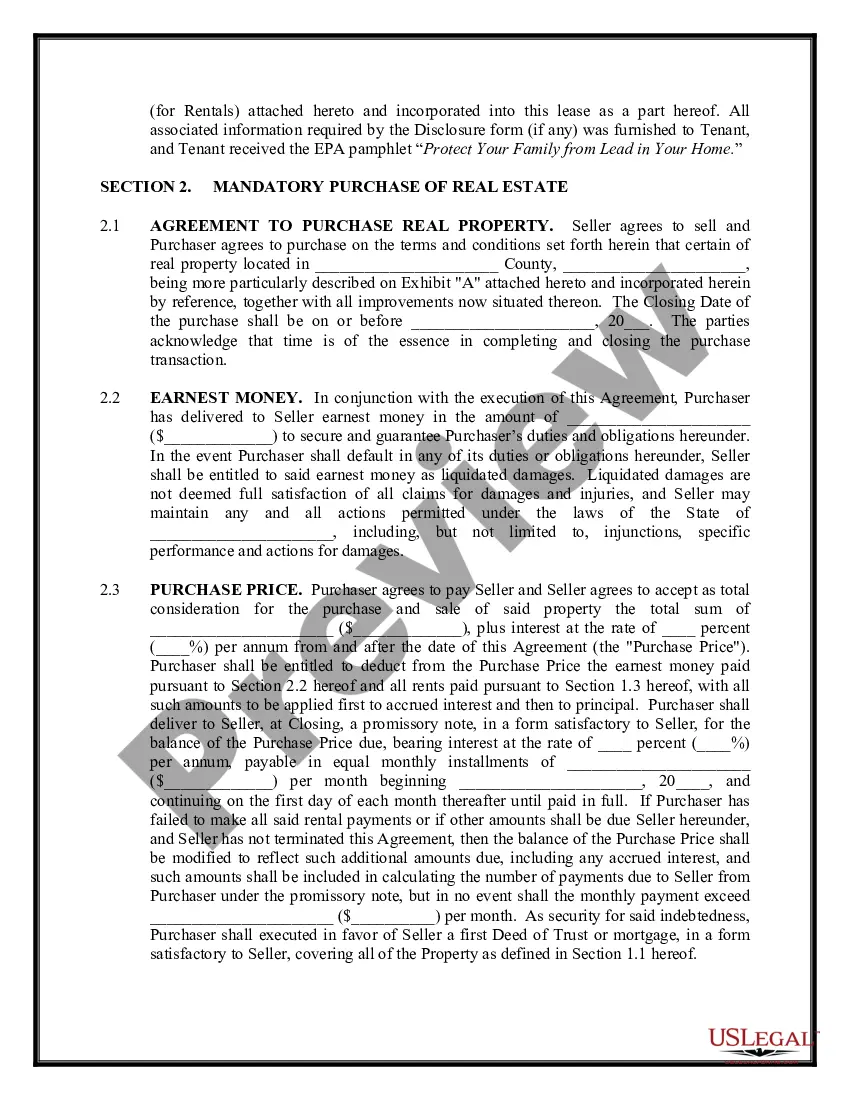
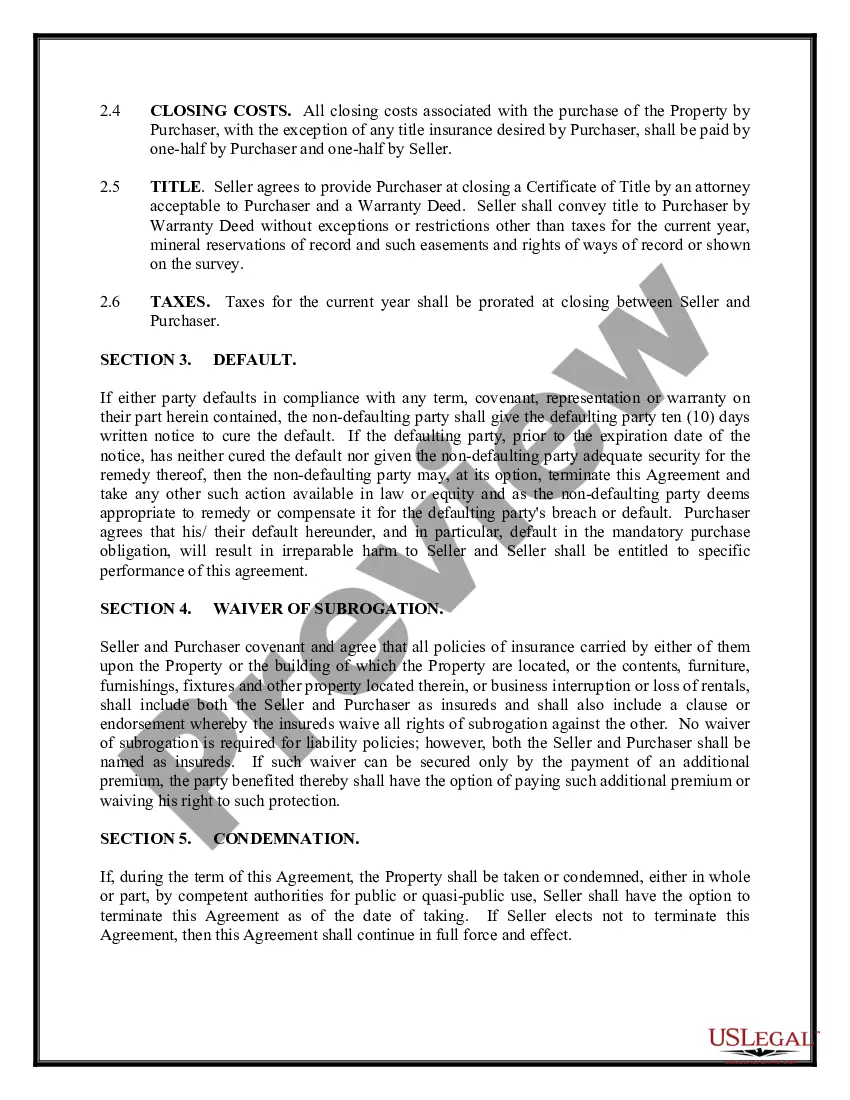
A forfeiture clause in real estate is a seller's remedy that allows a seller to take back property purchased on a land installment contract if the buyer defaults on payments. While some contracts may offer a grace period to make up payments, this isn't always the case.
And failing to abide by the contractor. Will have legal consequences. So if a seller is wanting toMoreAnd failing to abide by the contractor. Will have legal consequences. So if a seller is wanting to do so then we recommend they seek legal advice immediately due to the legal. Ramifications.
Arizona Forfeiture Laws Arizona laws regarding forfeiture cases, ARS 13-4301 to ARS 13-4315, list forfeiture as occurring when a law enforcement officer seizes property under the permission of a lawyer or agency of the state. Legal forfeiture is permitted when the property being seized has been used in a criminal act.
No, forfeiture is not foreclosure. If your property is in forfeiture, you still have 1 year before it will be foreclosed. However, the interest and fees will be higher.
Listing agreements are usually cancelled only with the mutual consent of the involved parties.
The forfeiture rule, that no one who unlawfully kills another can share in the victim's estate or receive any other financial gain from the death, appears appropriate and immutable.
In Arizona, most real estate contracts are assignable unless explicitly stated otherwise in the agreement. Certain conditions may affect this, however. For example, contracts involving personal services or that require specific qualifications of the parties may not be assignable.
There are three types of forfeiture under federal law: criminal forfeiture, civil judicial forfeiture, and administrative forfeiture.