Real Estate Clause In A Will In Alameda
Description

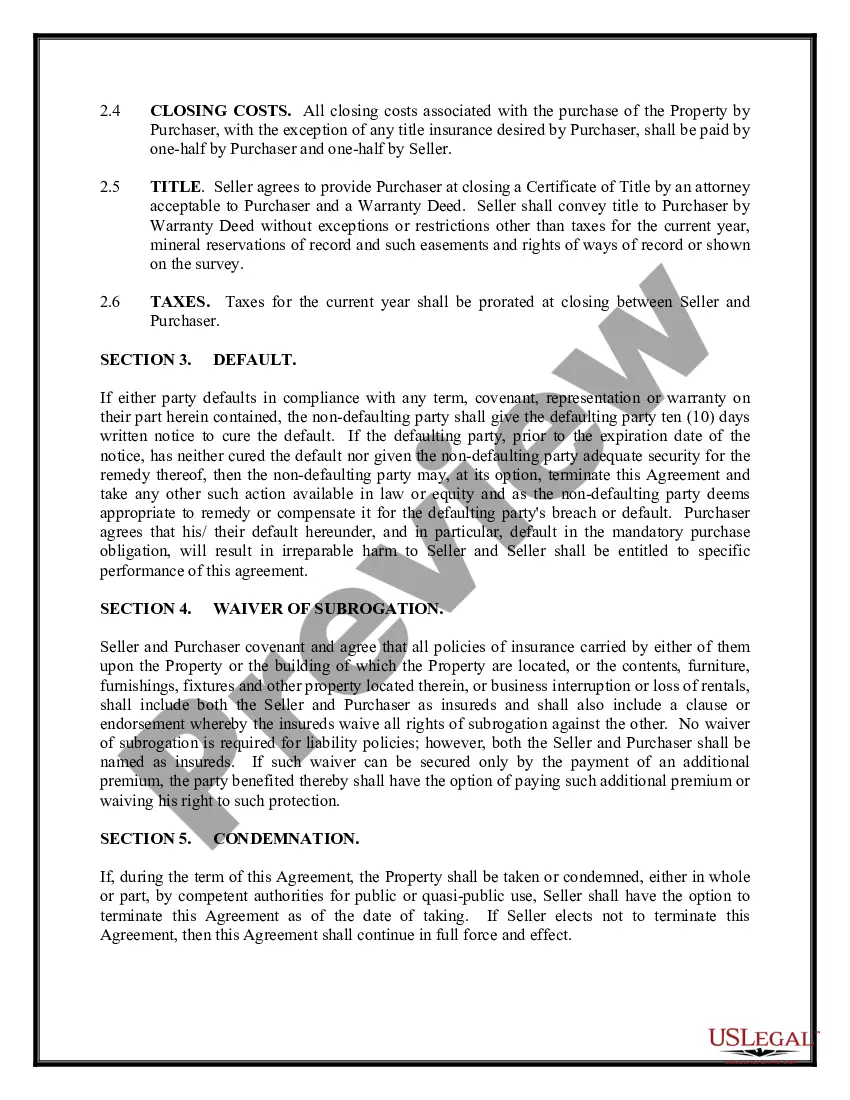
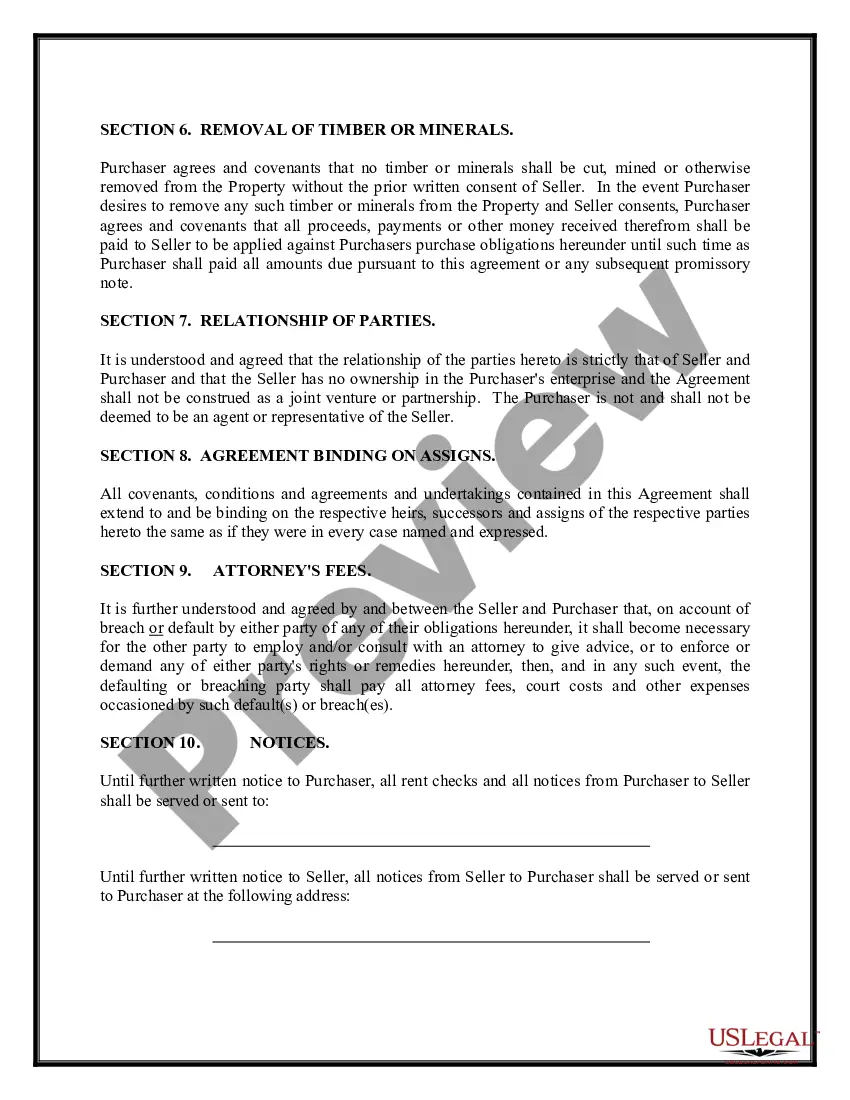
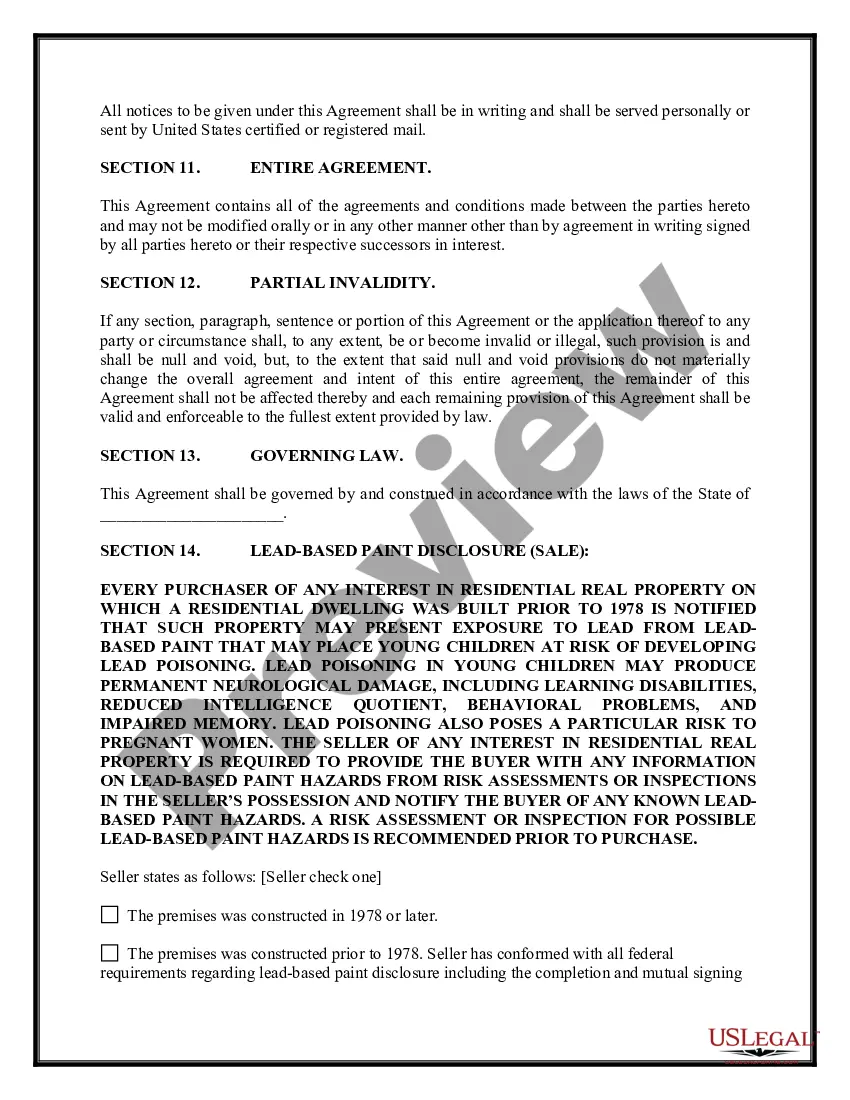
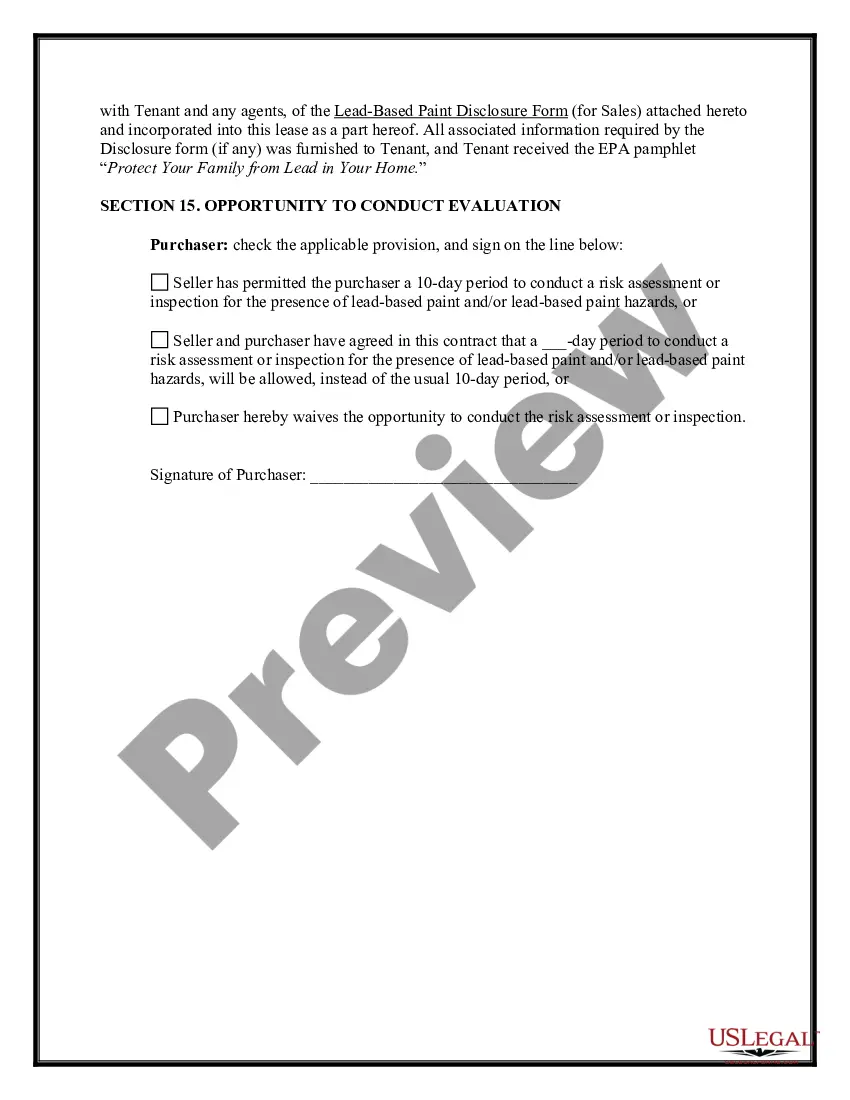
Get your form ready online
Our built-in tools help you complete, sign, share, and store your documents in one place.
Make edits, fill in missing information, and update formatting in US Legal Forms—just like you would in MS Word.
Download a copy, print it, send it by email, or mail it via USPS—whatever works best for your next step.
Sign and collect signatures with our SignNow integration. Send to multiple recipients, set reminders, and more. Go Premium to unlock E-Sign.
If this form requires notarization, complete it online through a secure video call—no need to meet a notary in person or wait for an appointment.
We protect your documents and personal data by following strict security and privacy standards.

Make edits, fill in missing information, and update formatting in US Legal Forms—just like you would in MS Word.

Download a copy, print it, send it by email, or mail it via USPS—whatever works best for your next step.

Sign and collect signatures with our SignNow integration. Send to multiple recipients, set reminders, and more. Go Premium to unlock E-Sign.

If this form requires notarization, complete it online through a secure video call—no need to meet a notary in person or wait for an appointment.

We protect your documents and personal data by following strict security and privacy standards.
Looking for another form?




Form popularity
FAQ
An order for final distribution in California probate is conclusive to the rights of heirs and devisees in a decedent's estate. The order also releases the personal representative from claims by heirs and devisees, unless, of course, there is fraud or misrepresentation present.
Notice of Petition to Administer Estate: This form is used for two purposes: 1) for newspaper publication, and 2) to notify the persons who are entitled to receive notice about the hearing date. Complete the front side of the form and file it with the Petition for Probate.
Ing to California law the personal administrator of an estate must complete the probate process within one year from the date of their appointment, unless required to file a federal estate tax. In these types of situations, the maximum length of probate is 18 months.
California law mandates that probate be completed within one year of an executor or administrator being appointed to their role by the court. Typically it takes 12 to 18 months, though, and large or complex estates can take even longer. Executors or administrators can file extensions to resolve any complications.
How long does probate take? California law says the personal representative must complete probate within one year from the date of appointment, unless s/he files a federal estate tax. In this case, the personal representative can have 18 months to complete probate.
Before the estate can be closed, the representative must file a Petition for Final Distribution.
Estate at will. By statute, California and certain other states have modified the potentially summary and abrupt conclusion of such estates to require advance 30-day notice of termination by either party.
The order of priority is any surviving spouse or domestic partner, then a child, then a grandchild, then a parent, and then a sibling.
Estate at will. rents causes the tenancy to be treated like a periodic tenancy (Civil Code Section 1946). By statute, California and certain other states have modified the potentially summary and abrupt conclusion of such estates to require advance 30-day notice of termination by either party.
The bequest clause directs who receives specific property or assets and how it will be distributed. The residuary clause indicates how any remaining property or assets that are not specifically bequeathed to individuals will be distributed.