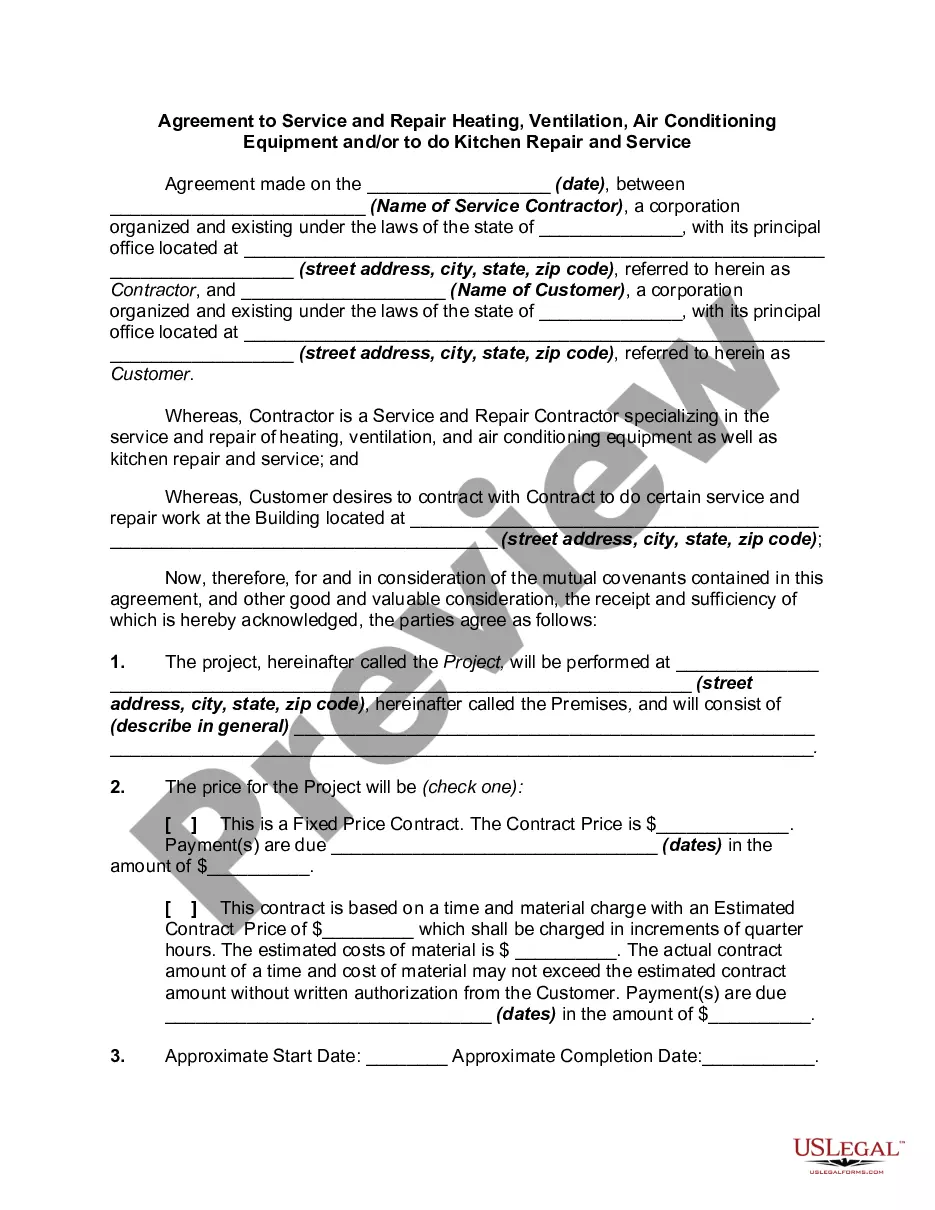
Opposing Counsel In Spanish In Riverside
Description


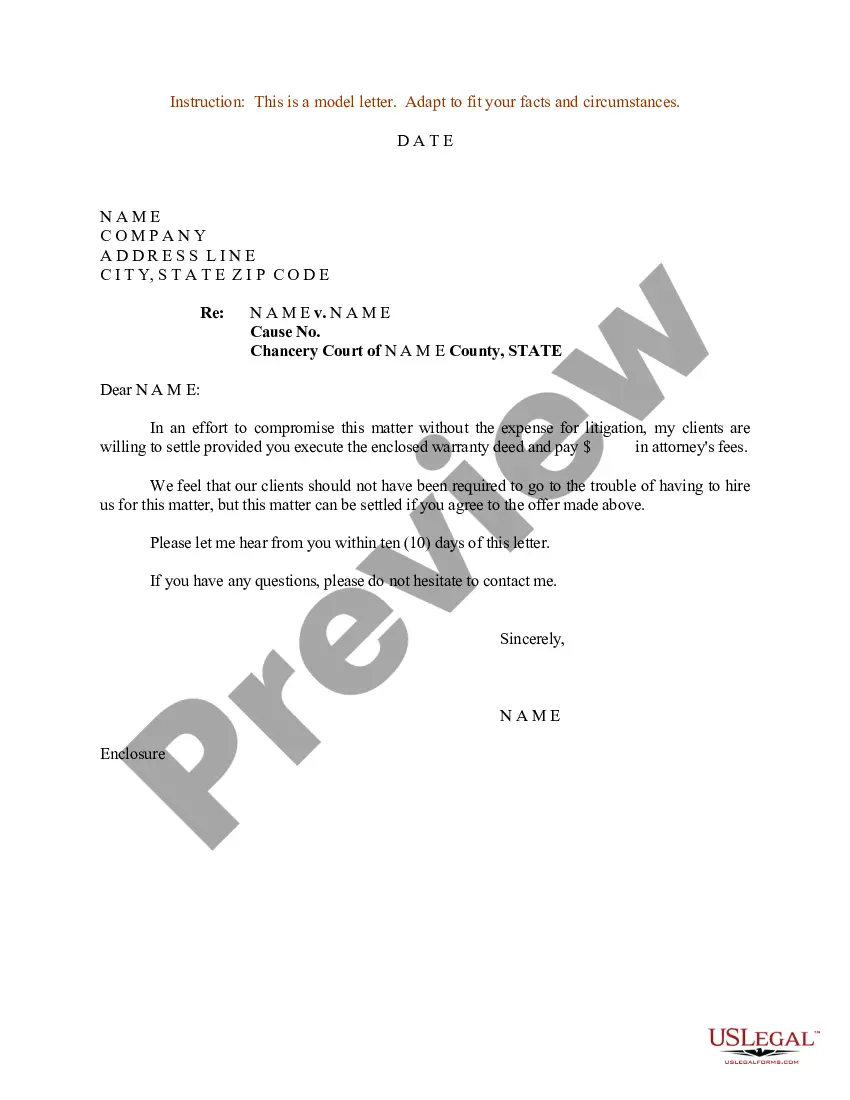
Get your form ready online
Our built-in tools help you complete, sign, share, and store your documents in one place.
Make edits, fill in missing information, and update formatting in US Legal Forms—just like you would in MS Word.
Download a copy, print it, send it by email, or mail it via USPS—whatever works best for your next step.
Sign and collect signatures with our SignNow integration. Send to multiple recipients, set reminders, and more. Go Premium to unlock E-Sign.
If this form requires notarization, complete it online through a secure video call—no need to meet a notary in person or wait for an appointment.
We protect your documents and personal data by following strict security and privacy standards.

Make edits, fill in missing information, and update formatting in US Legal Forms—just like you would in MS Word.

Download a copy, print it, send it by email, or mail it via USPS—whatever works best for your next step.

Sign and collect signatures with our SignNow integration. Send to multiple recipients, set reminders, and more. Go Premium to unlock E-Sign.

If this form requires notarization, complete it online through a secure video call—no need to meet a notary in person or wait for an appointment.

We protect your documents and personal data by following strict security and privacy standards.
Looking for another form?









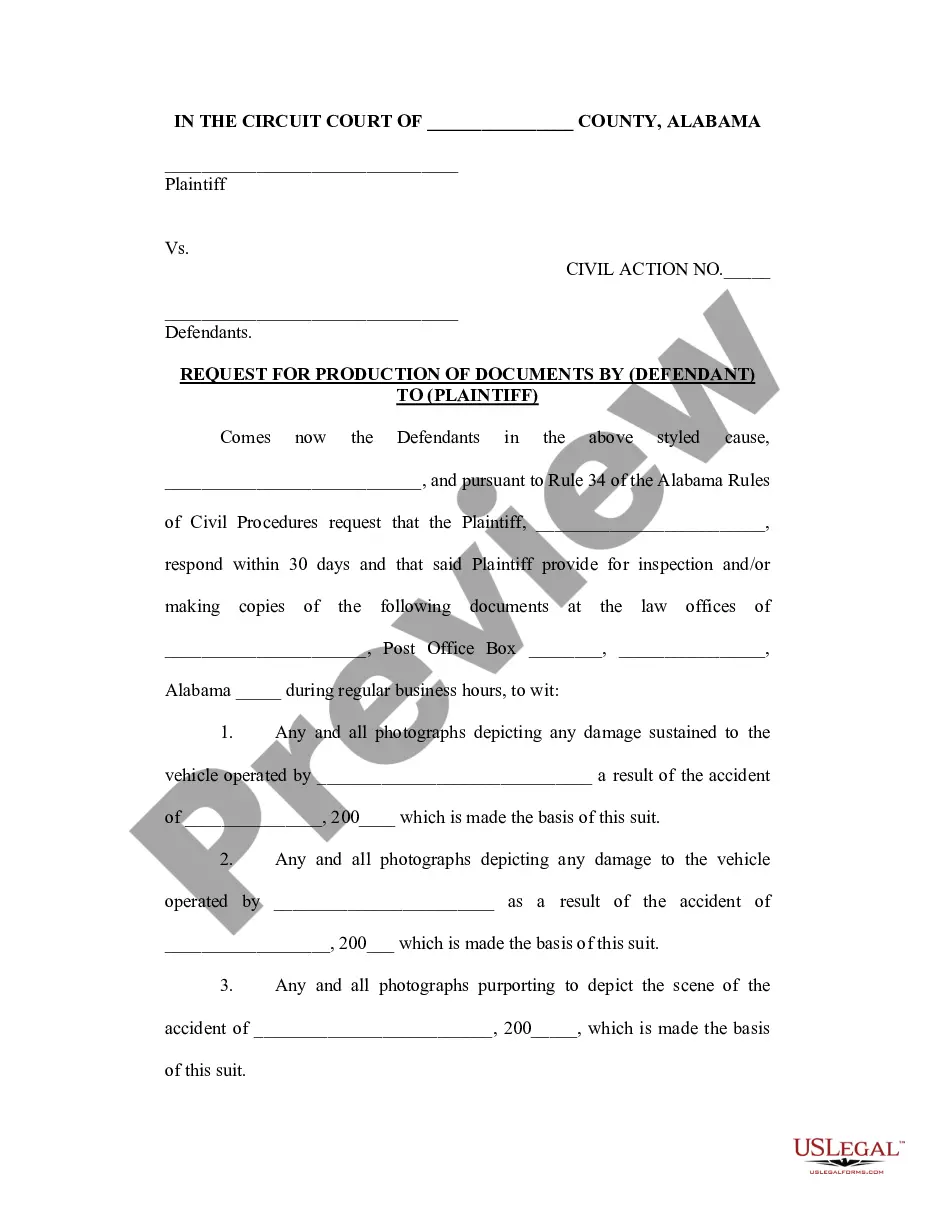
Form popularity
FAQ
8 Tips for Dealing with Difficult Opposing Counsel Point out Common Ground. Don't be Afraid to Ask Why. Separate the Person from the Problem. Focus on your Interests. Don't Fall for your Assumptions. Take a Calculated Approach. Control the Conversation by Reframing. Pick up the Phone.
Opposing counsel means the outside trial counsel (including counsel of record) for the Party that will cross-examine the Witness.
Comply with Local Rule 3116, which provides that a written response to any OSC be filed with the Court at least 5 days in advance of the hearing (although the Court encourages filing any response at least 10 days in advance of the OSC where possible).
What is a lawyer against you called? “Opposing counsel” or, for short, “OC.” Depending on the matter, it can also be “plaintiff's counsel,” “attorney for the plaintiff,” “defense counsel,” “attorney for the defendant,” “attorney for the petitioner,” “attorney for the respondent,” ad infinitum.
PLAINTIFF - The Plaintiff is the person initiating a claim in a civil case. DEFENDANT - The Defendant is the person being sued in a civil case, or the person who has been charged with a crime/driving offense in a criminal case.
Comply with Local Rule 3116, which provides that a written response to any OSC be filed with the Court at least 5 days in advance of the hearing (although the Court encourages filing any response at least 10 days in advance of the OSC where possible).
Ex Parte Applications Ex parte documents must be eFiled before am the court day before the hearing. Ex parte written oppositions must be eFiled before am the day of the hearing. Printed courtesy copies of ex parte oppositions must be provided to the court the day of the ex parte hearing.
The proposed order relieving counsel must be prepared on the Order Granting Attorney's Motion to Be Relieved as Counsel-Civil (form MC-053) and must be lodged with the court with the moving papers. The order must specify all hearing dates scheduled in the action or proceeding, including the date of trial, if known.
A list of all disputed issues with a short explanation of each;A statement of facts from each party; andA signed stipulation as to undisputed issues of fact and law and exhibits, which neither party is objecting. This rule is essentially forcing parties to try to settle issues in their case before going to trial.
(2) A "long-cause hearing" is defined as a hearing on a request for order that extends more than a single court day. (3) A "trial brief" or "hearing brief" is a written summary or statement submitted by a party that explains to a judge the party's position on particular issues that will be part of the trial or hearing.