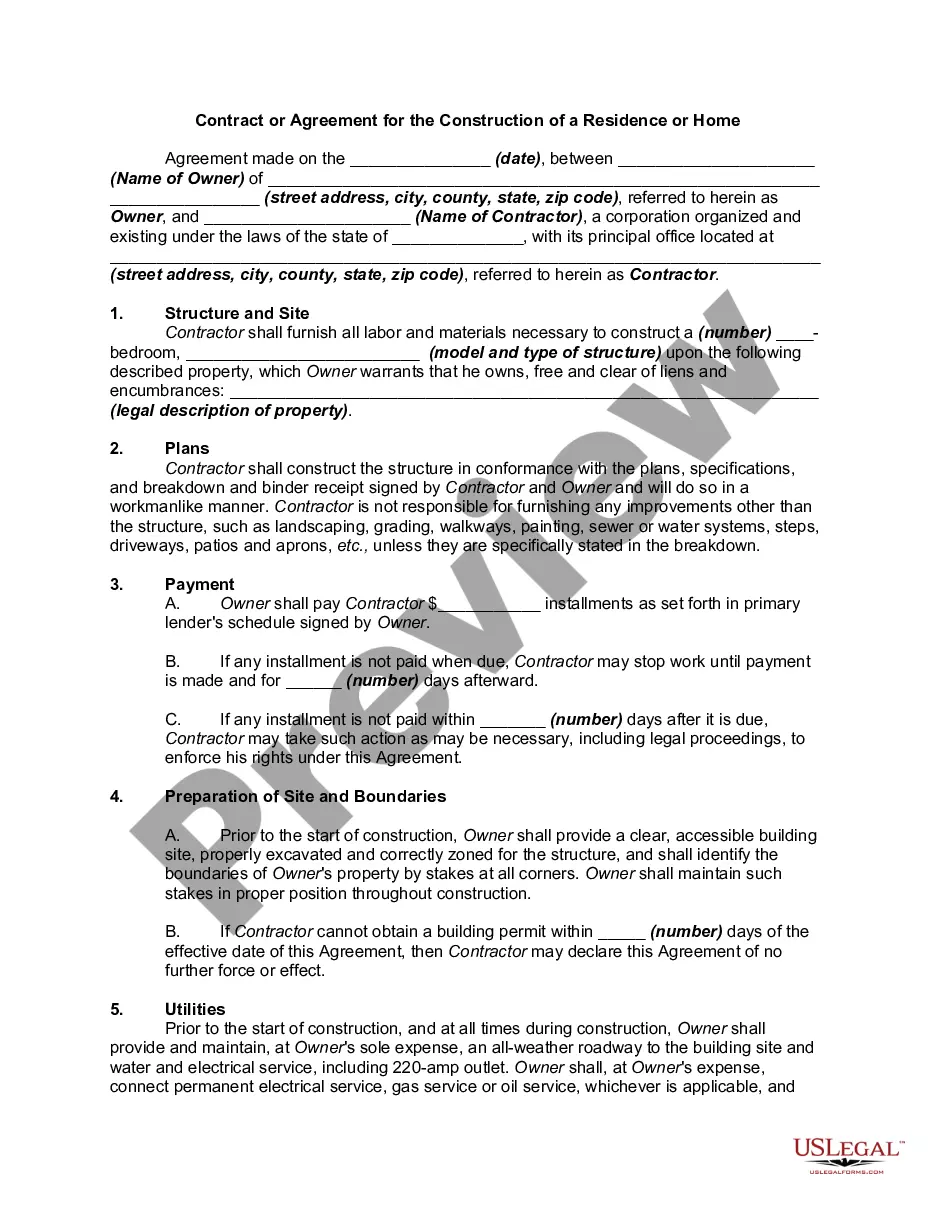
Opposing Counsel And In Queens
Description


Get your form ready online
Our built-in tools help you complete, sign, share, and store your documents in one place.
Make edits, fill in missing information, and update formatting in US Legal Forms—just like you would in MS Word.
Download a copy, print it, send it by email, or mail it via USPS—whatever works best for your next step.
Sign and collect signatures with our SignNow integration. Send to multiple recipients, set reminders, and more. Go Premium to unlock E-Sign.
If this form requires notarization, complete it online through a secure video call—no need to meet a notary in person or wait for an appointment.
We protect your documents and personal data by following strict security and privacy standards.

Make edits, fill in missing information, and update formatting in US Legal Forms—just like you would in MS Word.

Download a copy, print it, send it by email, or mail it via USPS—whatever works best for your next step.

Sign and collect signatures with our SignNow integration. Send to multiple recipients, set reminders, and more. Go Premium to unlock E-Sign.

If this form requires notarization, complete it online through a secure video call—no need to meet a notary in person or wait for an appointment.

We protect your documents and personal data by following strict security and privacy standards.
Looking for another form?








Form popularity
FAQ
8 Tips for Dealing with Difficult Opposing Counsel Point out Common Ground. Don't be Afraid to Ask Why. Separate the Person from the Problem. Focus on your Interests. Don't Fall for your Assumptions. Take a Calculated Approach. Control the Conversation by Reframing. Pick up the Phone.
Courts, administrative boards, and other similar bodies have used “affirm” to mean “approve” Government officials, witnesses in civil or criminal trials, and others who are required to take an oath may choose to state that they “affirm” the content of the oath rather than “swear” to it.
An Order to Show Cause consists of a top page called an Order to Show Cause (OSC), followed by an Affidavit in Support of the OSC, and copies of any documents that the moving side (movant) thinks would help the Judge make a decision. The OSC tells the court and the other side what the movant wants the Judge to do.
A Response or Reply to the Opposing Party's Pleadings is your answer to the opposing party's document filed with the court. These documents could include a Petition for Dissolution of a Non-Covenant Marriage, a Motion for Clarification, or a Petition to Enforce.
The affirmation in opposition is your statement that explains why you want the motion to be denied. Include everything you want to say about the facts of the case and all documents you want considered by the Judge.
A) The RESPONSE TO MOTION tells the Judge what you disagree with in the other side's Motion, Affidavit, and proposed Order; what you would like the Court to do instead; and why you should get what you want.
When you respond to a motion, be clear and direct about your legal position. Begin with an introduction that summarizes the nature of the motion and states your position. Develop key points to answer every argument your opponent made. Then, present your arguments in a logical sequence.
This amendment, which went into effect on January 1, 2024, allows for an affirmation by any person, wherever made, subscribed, and affirmed by that person to be true under the penalties of perjury, to be used in a civil action in New York in lieu of and with the same force and effect as an affidavit.
Exaggeration or False Information: Avoid embellishing facts or providing false information. Misleading your lawyer can harm your case and damage the trust in your attorney-client relationship. Legal Opinions (Unless Qualified): Refrain from asserting legal opinions or conclusions if you are not legally trained.
In New York, the Appellate Division of the State Supreme Court and its appointed grievance committees handle the discipline of attorneys. When a complaint about an attorney is received by a grievance committee, the committee conducts an investigation or refers it to a county bar association for investigation.