Opposing Counsel In French In Pima
Description


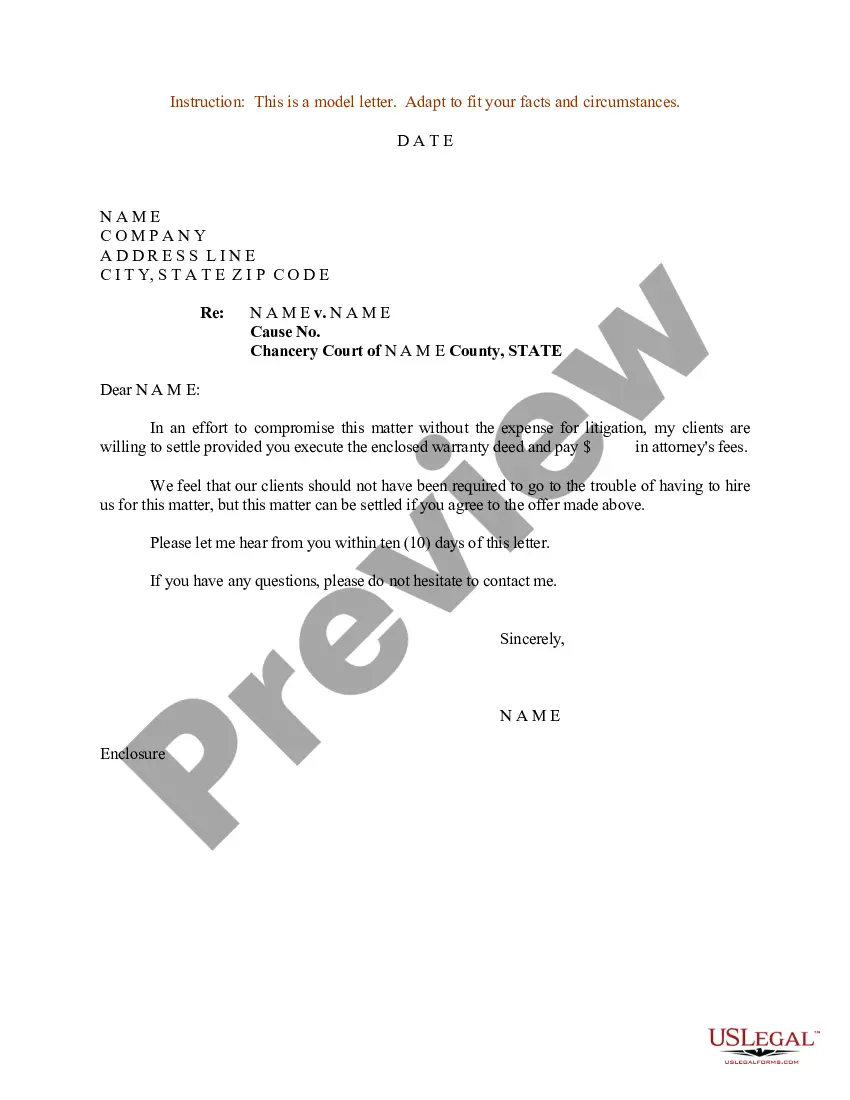
Get your form ready online
Our built-in tools help you complete, sign, share, and store your documents in one place.
Make edits, fill in missing information, and update formatting in US Legal Forms—just like you would in MS Word.
Download a copy, print it, send it by email, or mail it via USPS—whatever works best for your next step.
Sign and collect signatures with our SignNow integration. Send to multiple recipients, set reminders, and more. Go Premium to unlock E-Sign.
If this form requires notarization, complete it online through a secure video call—no need to meet a notary in person or wait for an appointment.
We protect your documents and personal data by following strict security and privacy standards.

Make edits, fill in missing information, and update formatting in US Legal Forms—just like you would in MS Word.

Download a copy, print it, send it by email, or mail it via USPS—whatever works best for your next step.

Sign and collect signatures with our SignNow integration. Send to multiple recipients, set reminders, and more. Go Premium to unlock E-Sign.

If this form requires notarization, complete it online through a secure video call—no need to meet a notary in person or wait for an appointment.

We protect your documents and personal data by following strict security and privacy standards.
Looking for another form?



Form popularity
FAQ
Summary – How Long to Change Your Name in Arizona File, Hearing, Court Order – Usually 2-3 months to wait for your Hearing date, counting from the date you start. You get your Decree Changing Name right after your Hearing, upon approval. Update Your Records – 2-3 days (most important ones) 2-6 months for them all.
The Ajo Justice Court has jurisdictional authority involving the following: Small Claims hearings (lawsuits less than $3,500) Civil Lawsuits (up to $10,000) Misdemeanor Crimes and Petty Offenses. Initial Appearances on Felony Charges. Actions of Forcible Detainer (eviction) Civil and Criminal Traffic violations.
Change My Name Arizona Superior Court in Pima County provides two options for applicants seeking a name change. An applicant can file their application and request a telephonic hearing or can appear in person on a Wednesday or a Thursday morning.
8 Tips for Dealing with Difficult Opposing Counsel Point out Common Ground. Don't be Afraid to Ask Why. Separate the Person from the Problem. Focus on your Interests. Don't Fall for your Assumptions. Take a Calculated Approach. Control the Conversation by Reframing. Pick up the Phone.
Send a final meet and confer letter. If you've requested dates multiple times (hopefully in writing) and still no response, unilaterally set a date. If opposing counsel then objects that he/she/the client is not available, tell them that's too bad and that they've been given multiple opportunities to set a date.
If the problem persists, take action before the situation gets worse. Do not pass the issue to someone else in your office. Instead, a frank exchange between you and the opposing counsel may be needed. Perhaps a colleague can serve as an intermediary to smooth the way to a better relationship.
Use Mr./Ms. last name for the initial email. When opposing counsel responds and signs off with a first name (e.g., "Nick"), use that going forward. ? To address a group of opposing counsel, go with "Counsel." If you find these tips helpful, please follow Nick Bullard and click the ? to get my next tip.
Attorney misconduct may include: conflict of interest, overbilling, false or misleading statements, knowingly pursuing frivolous and meritless lawsuits, concealing evidence, abandoning a client, failing to disclose all relevant facts, arguing a position while neglecting to disclose prior law which might counter the ...
You want to keep it short and sweet: show the judge(s) succinctly why the argument is wrong and then move on to something else. You don't want a long, detailed response to inadvertently add credibility to the dumb argument by suggesting that it's not actually that simple.
You may not split a claim and file two separate actions. You may file for the "court costs"in addition to the $10,000 maximum. Civil lawsuits in Arizona are governed by the Justice Court Rules of Civil Procedure (PDF).