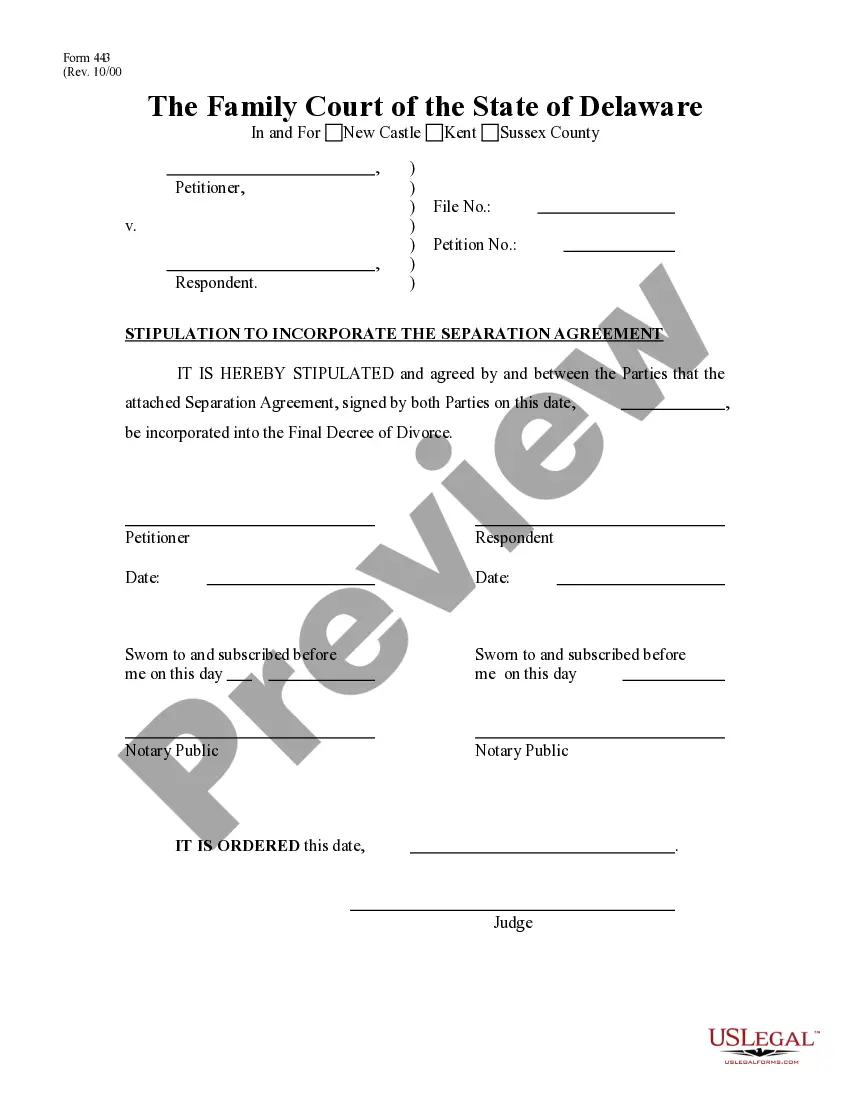
Opposing Counsel In Deutsch In Phoenix
Description

Get your form ready online
Our built-in tools help you complete, sign, share, and store your documents in one place.
Make edits, fill in missing information, and update formatting in US Legal Forms—just like you would in MS Word.
Download a copy, print it, send it by email, or mail it via USPS—whatever works best for your next step.
Sign and collect signatures with our SignNow integration. Send to multiple recipients, set reminders, and more. Go Premium to unlock E-Sign.
If this form requires notarization, complete it online through a secure video call—no need to meet a notary in person or wait for an appointment.
We protect your documents and personal data by following strict security and privacy standards.

Make edits, fill in missing information, and update formatting in US Legal Forms—just like you would in MS Word.

Download a copy, print it, send it by email, or mail it via USPS—whatever works best for your next step.

Sign and collect signatures with our SignNow integration. Send to multiple recipients, set reminders, and more. Go Premium to unlock E-Sign.

If this form requires notarization, complete it online through a secure video call—no need to meet a notary in person or wait for an appointment.

We protect your documents and personal data by following strict security and privacy standards.
Looking for another form?








Form popularity
FAQ
Typically, a former client seeking to disqualify a former attorney from representing an opposing party must identify specific, cogent information that the attorney possesses and show that the information is confidential and implicates the duty of loyalty.
8 Tips for Dealing with Difficult Opposing Counsel Point out Common Ground. Don't be Afraid to Ask Why. Separate the Person from the Problem. Focus on your Interests. Don't Fall for your Assumptions. Take a Calculated Approach. Control the Conversation by Reframing. Pick up the Phone.
These Rules state that a paralegal shall not: · Enter into the attorney-client relationship; · Negotiate fees with a client; · Appear in court on behalf of a client; and/or · Give legal advice In other words, the Unauthorized Practice of Law or “UPL”. UPL is described in more detail below.
Paralegals handle a large range of work delegated to them by an attorney. One of the most important duties of a paralegal is communicating with opposing counsel.
Paralegals handle a large range of work delegated to them by an attorney. One of the most important duties of a paralegal is communicating with opposing counsel. In any given case, there can be hundreds to tens of thousands of pages of documents to review and exchange with opposing counsel.
Even though paralegals do a lot of the administrative work within a firm, know the law, and work with clients, they are not lawyers. Paralegals cannot give legal advice, make decisions on behalf of clients, or represent clients in court as they are not licensed attorneys.
You have no legal obligation to speak to the opposing Attorney, but sometimes it can be helpful in reaching a settlement.
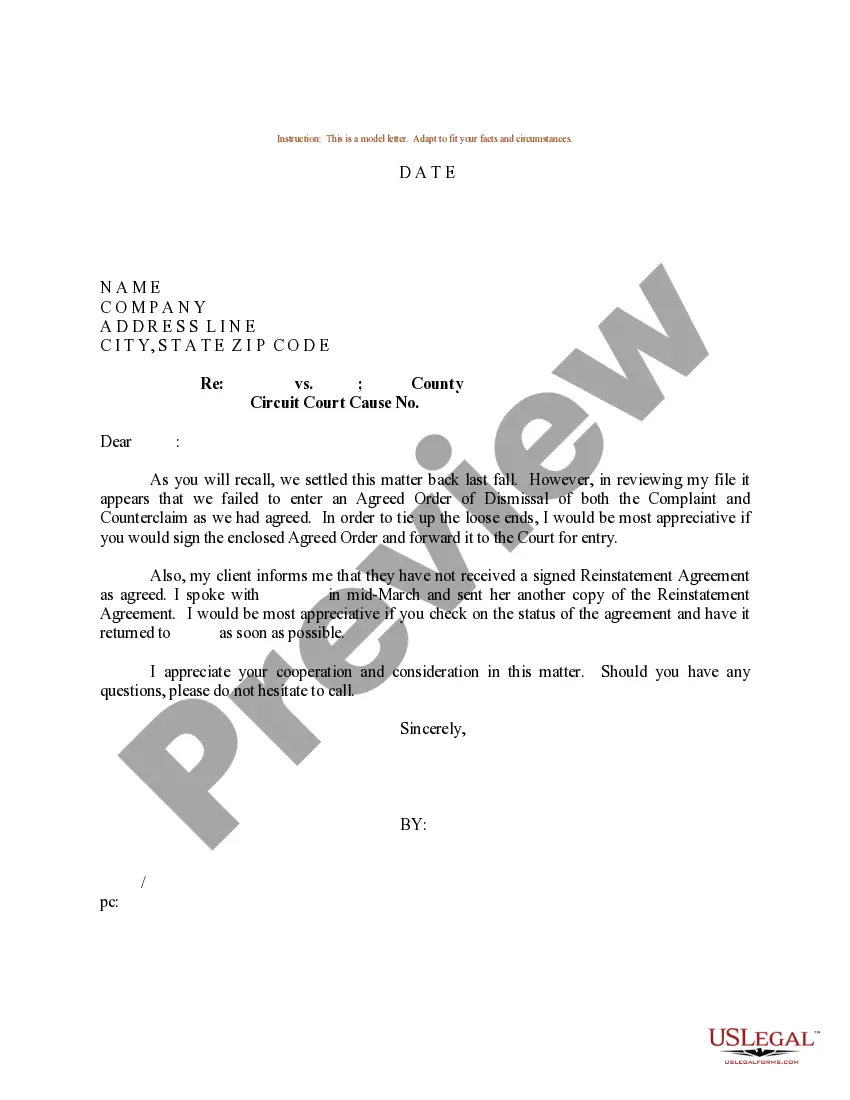
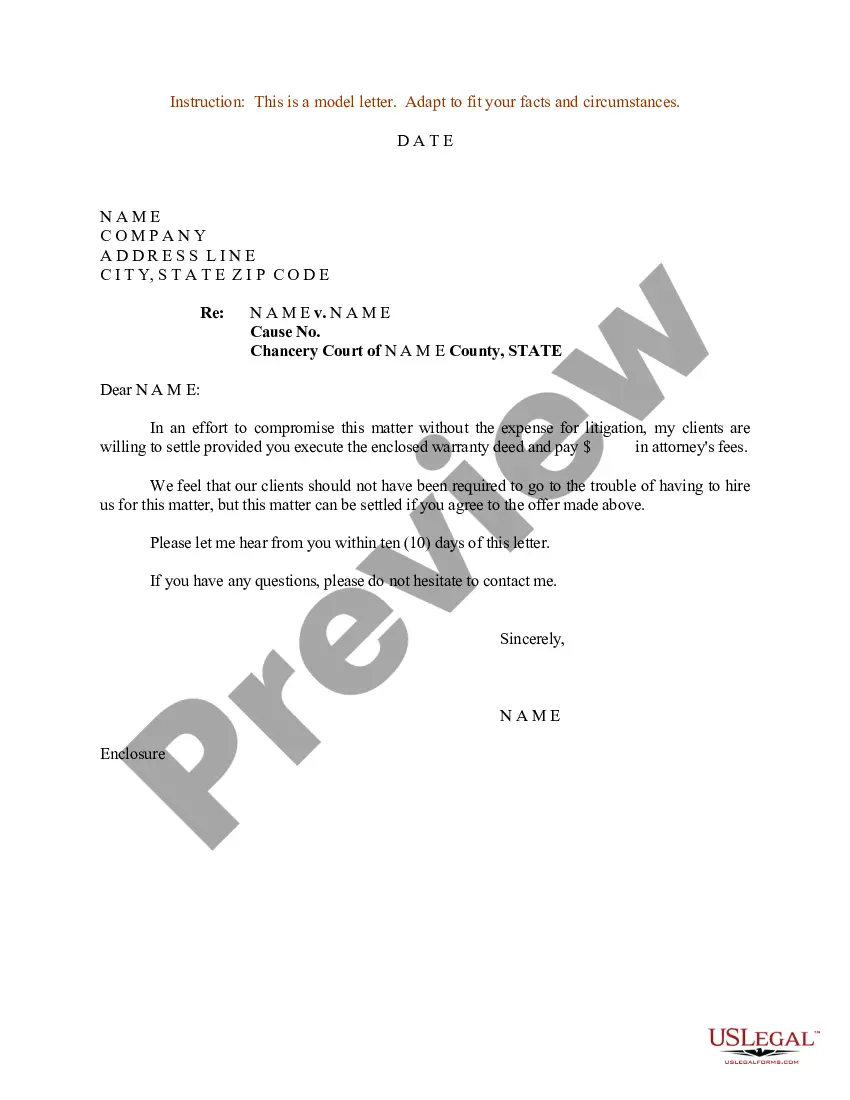
Send a final meet and confer letter. If you've requested dates multiple times (hopefully in writing) and still no response, unilaterally set a date. If opposing counsel then objects that he/she/the client is not available, tell them that's too bad and that they've been given multiple opportunities to set a date.
Opposing counsel means the outside trial counsel (including counsel of record) for the Party that will cross-examine the Witness.