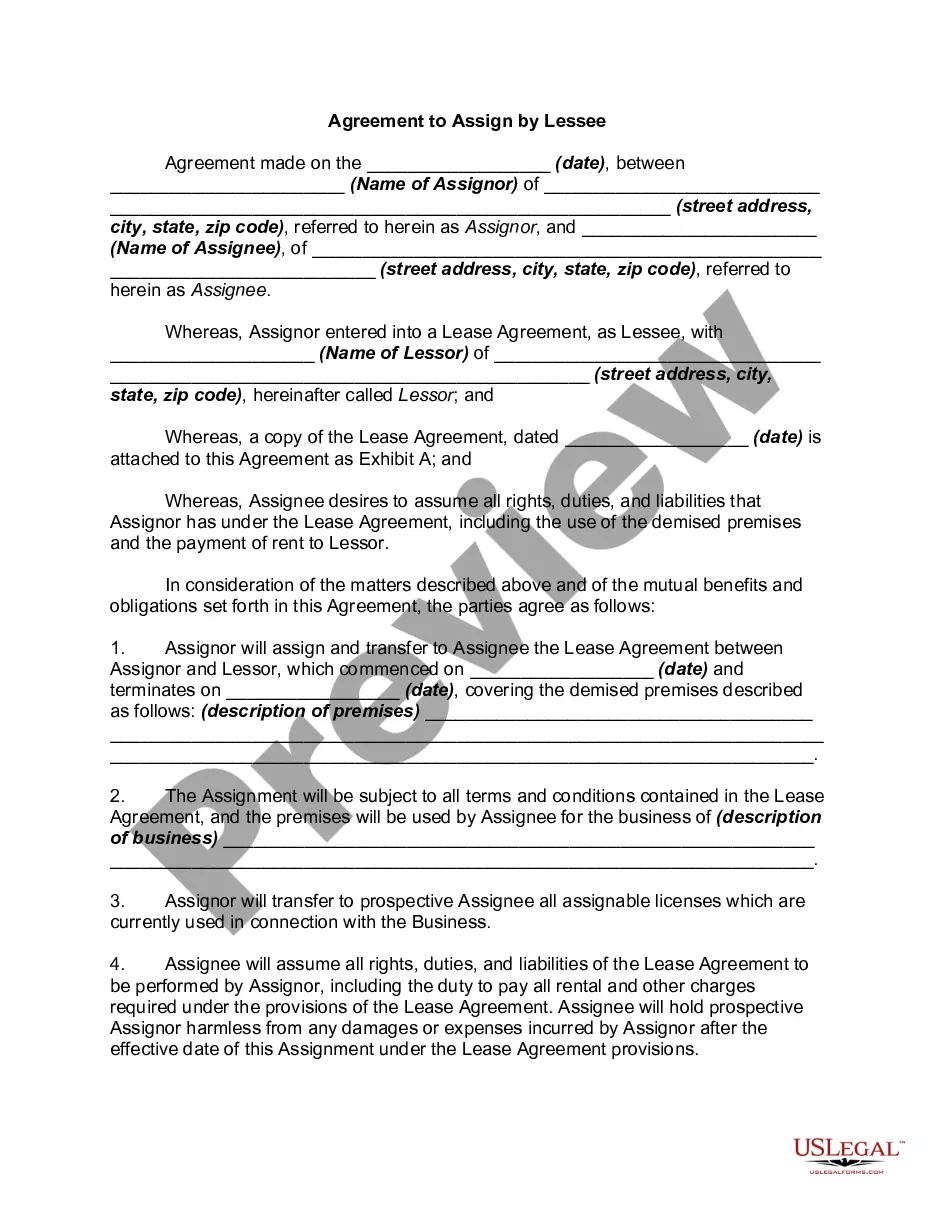
Opposing Counsel In Spanish In Ohio
Description


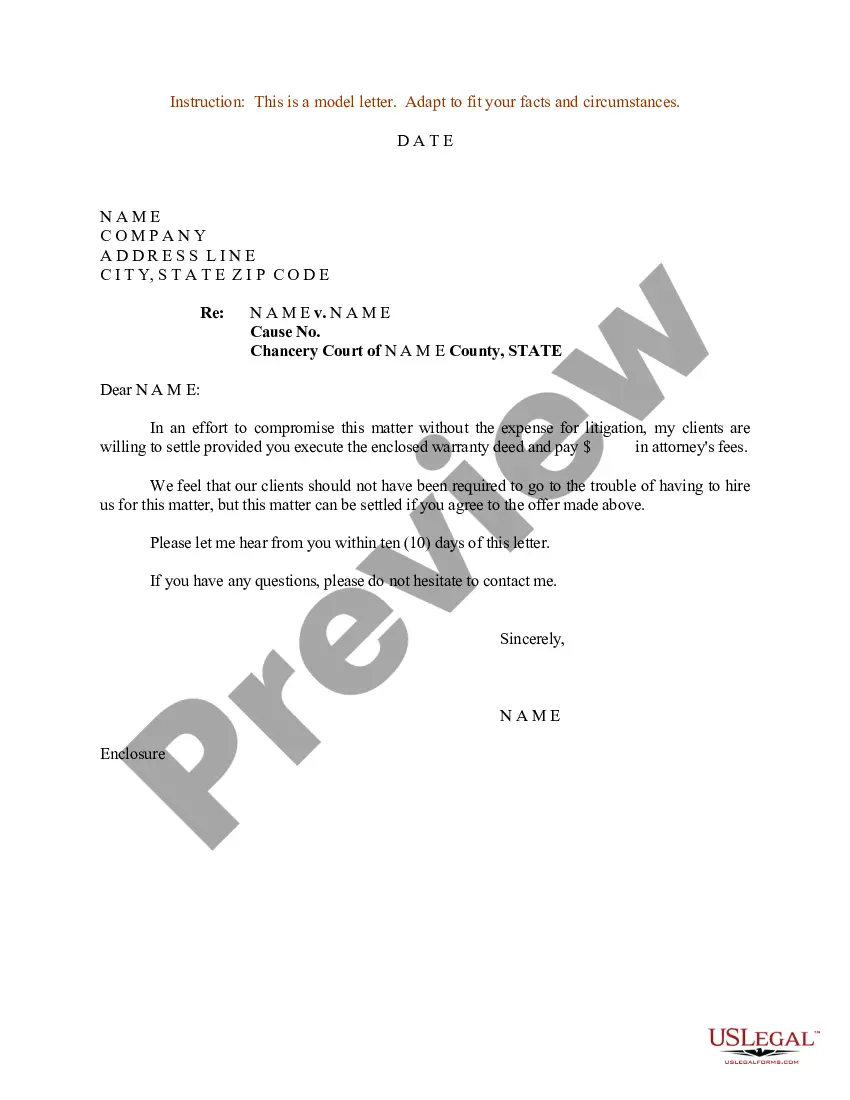
Get your form ready online
Our built-in tools help you complete, sign, share, and store your documents in one place.
Make edits, fill in missing information, and update formatting in US Legal Forms—just like you would in MS Word.
Download a copy, print it, send it by email, or mail it via USPS—whatever works best for your next step.
Sign and collect signatures with our SignNow integration. Send to multiple recipients, set reminders, and more. Go Premium to unlock E-Sign.
If this form requires notarization, complete it online through a secure video call—no need to meet a notary in person or wait for an appointment.
We protect your documents and personal data by following strict security and privacy standards.

Make edits, fill in missing information, and update formatting in US Legal Forms—just like you would in MS Word.

Download a copy, print it, send it by email, or mail it via USPS—whatever works best for your next step.

Sign and collect signatures with our SignNow integration. Send to multiple recipients, set reminders, and more. Go Premium to unlock E-Sign.

If this form requires notarization, complete it online through a secure video call—no need to meet a notary in person or wait for an appointment.

We protect your documents and personal data by following strict security and privacy standards.
Looking for another form?







Form popularity
FAQ
If the witness is not testifying as an expert, the witness' testimony in the form of opinions or inferences is limited to those opinions or inferences which are (1) rationally based on the perception of the witness and (2) helpful to a clear understanding of the witness' testimony or the determination of a fact in ...
Rule 71 - Counsel Fees (A) Attorney fees in all matters shall be governed by Rule 1.5 of the Ohio Rules of Professional Conduct.
When an order is made in favor of a person who is not a party to the action, he may enforce obedience to the order by the same process as if he were a party; and, when obedience to an order may be lawfully enforced against a person who is not a party, he is liable to the same process for enforcing obedience to the ...
Rule 33 - Interrogatories to Parties (A) Availability; procedures for use. Any party, without leave of court, may serve upon any other party up to forty written interrogatories to be answered by the party served.
A guardian ad litem shall make no disclosures about a case or investigation, except to the parties and their legal counsel, in reports to the court, or as necessary to perform the duties of a guardian ad litem, including as a mandated reporter.
Rule 71. Enforcing Relief For or Against a Nonparty | Federal Rules of Civil Procedure | US Law | LII / Legal Information Institute.
Two Justices are chosen at the general election in even-numbered years. In the year when the Chief Justice runs, voters pick three members of the Court. A person must be an attorney with at least six years experience in the practice of law to be elected or appointed to the Supreme Court.
8 Tips for Dealing with Difficult Opposing Counsel Point out Common Ground. Don't be Afraid to Ask Why. Separate the Person from the Problem. Focus on your Interests. Don't Fall for your Assumptions. Take a Calculated Approach. Control the Conversation by Reframing. Pick up the Phone.
A certification statement should include the following information at a minimum. A statement of the translator's qualifications. A statement affirming the completeness and accuracy of the document. Identification of the translated document and language. The translator's name, signature, and date.
The Court also has authority over the admission of attorneys to the practice of law in Ohio and may discipline admitted attorneys who violate the rules governing the practice of law. The Chief Justice and six Justices are elected to six-year terms on a nonpartisan ballot.