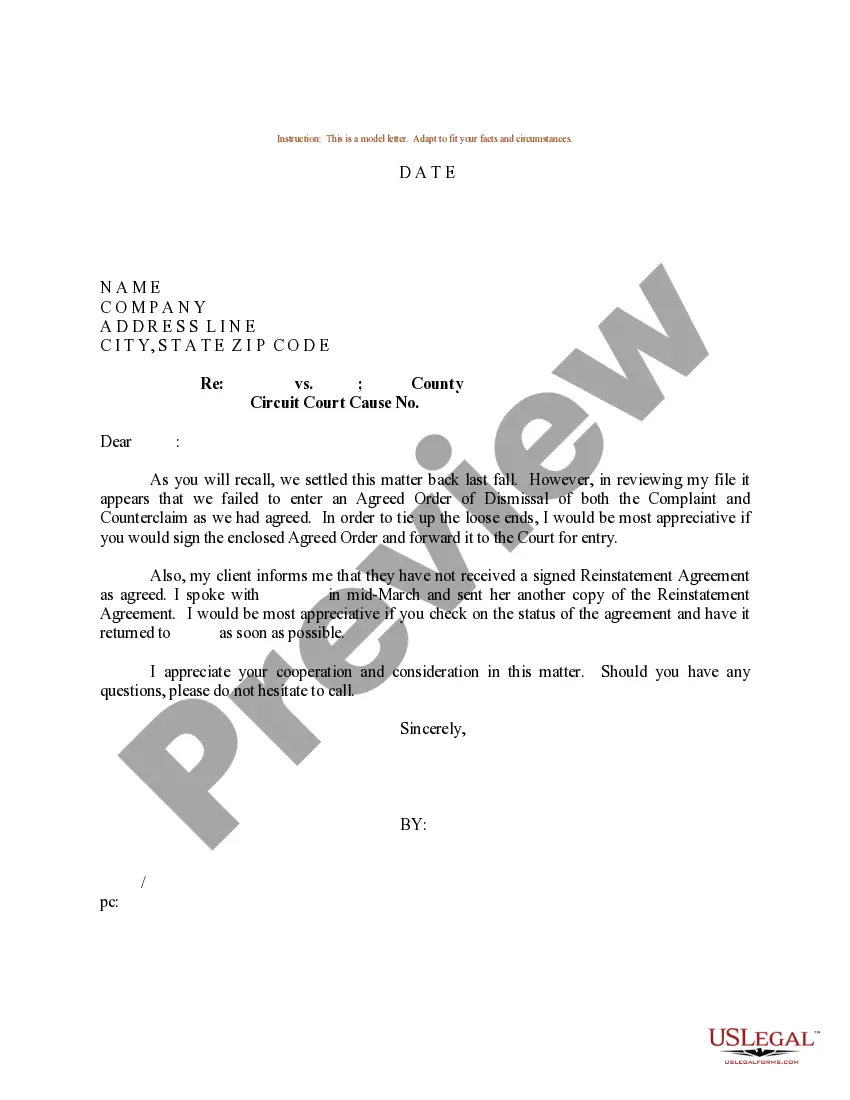
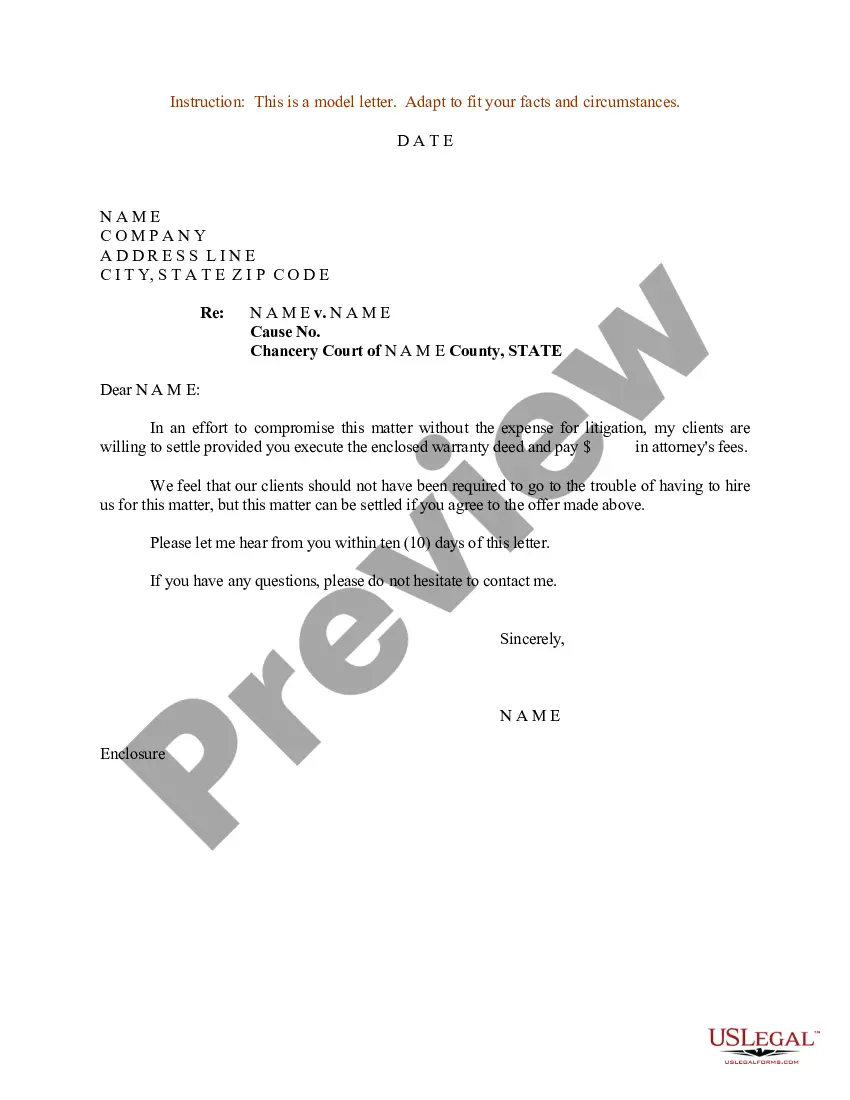
Opposing Counsel And In North Carolina
Description

Get your form ready online
Our built-in tools help you complete, sign, share, and store your documents in one place.
Make edits, fill in missing information, and update formatting in US Legal Forms—just like you would in MS Word.
Download a copy, print it, send it by email, or mail it via USPS—whatever works best for your next step.
Sign and collect signatures with our SignNow integration. Send to multiple recipients, set reminders, and more. Go Premium to unlock E-Sign.
If this form requires notarization, complete it online through a secure video call—no need to meet a notary in person or wait for an appointment.
We protect your documents and personal data by following strict security and privacy standards.

Make edits, fill in missing information, and update formatting in US Legal Forms—just like you would in MS Word.

Download a copy, print it, send it by email, or mail it via USPS—whatever works best for your next step.

Sign and collect signatures with our SignNow integration. Send to multiple recipients, set reminders, and more. Go Premium to unlock E-Sign.

If this form requires notarization, complete it online through a secure video call—no need to meet a notary in person or wait for an appointment.

We protect your documents and personal data by following strict security and privacy standards.
Looking for another form?



Form popularity
FAQ
Rule 4.2, commonly known as the “anti-contact” rule, generally prohibits a lawyer who is representing a client in a matter from communicating about the subject matter of the representation with a person the lawyer knows is represented in the same matter unless the represented person's lawyer consents.
8 Tips for Dealing with Difficult Opposing Counsel Point out Common Ground. Don't be Afraid to Ask Why. Separate the Person from the Problem. Focus on your Interests. Don't Fall for your Assumptions. Take a Calculated Approach. Control the Conversation by Reframing. Pick up the Phone.
The Cons of a Healthcare Power of Attorney Develop a new health condition that changes which types of treatment you want or need to receive. Have a falling out with the person to whom you designated power of attorney or otherwise decide that you no longer want them to have that power.
Typically, a former client seeking to disqualify a former attorney from representing an opposing party must identify specific, cogent information that the attorney possesses and show that the information is confidential and implicates the duty of loyalty.
In North Carolina, the authority to override or revoke a valid power of attorney typically lies with either the principal themselves (if they still have mental capacity) or a court of law. If the principal has the mental capacity, they can revoke the POA document at any time, either verbally or in writing.
Send a final meet and confer letter. If you've requested dates multiple times (hopefully in writing) and still no response, unilaterally set a date. If opposing counsel then objects that he/she/the client is not available, tell them that's too bad and that they've been given multiple opportunities to set a date.
Under North Carolina's going and coming rule for workers' comp, injuries employees suffer while traveling between home and work may not qualify for benefits. That said, there are several exceptions to the going and coming rule that may make a worker eligible for benefits.
Under the “best evidence” rule, the original of a writing, recording, or photograph is generally required in order to prove the contents of that item.
Just fill out a State Bar grievance form or send us a letter describing the problem. You can get a grievance form by clicking here or by calling our office at 919-828-4620. We can also send you a brochure describing the grievance process. What Should the Grievance Say?
The North Carolina State Bar is the state agency responsible for regulating the practice of law in North Carolina.
