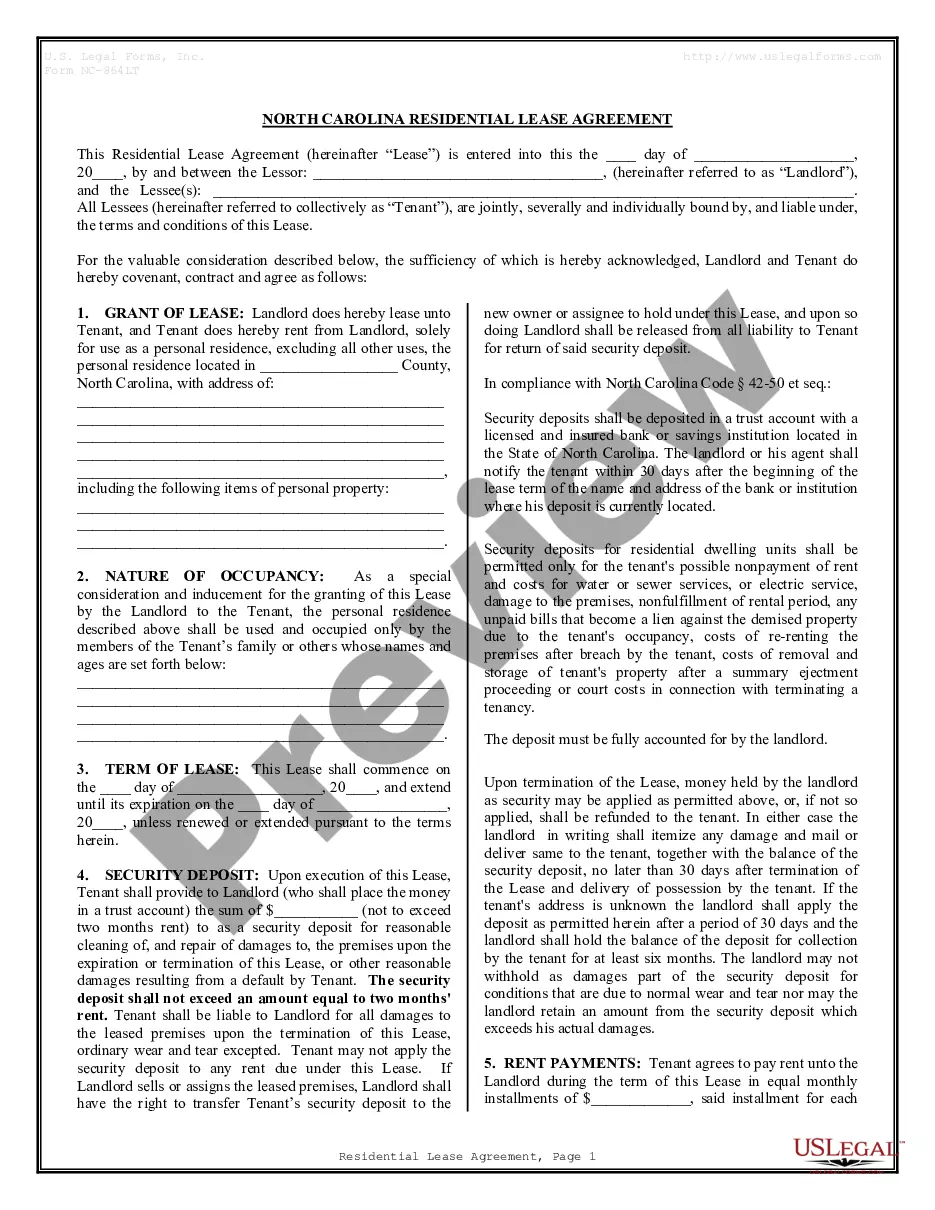
Opposing Counsel In Court In Nevada
Description

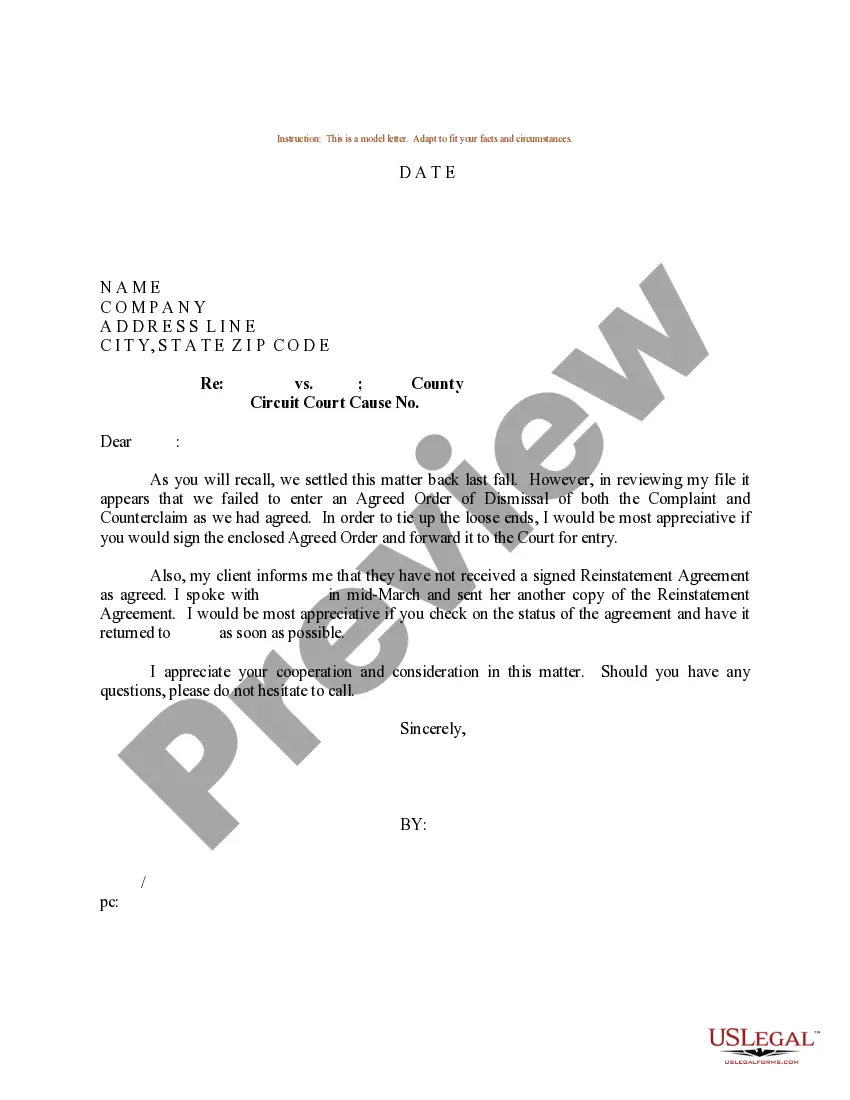
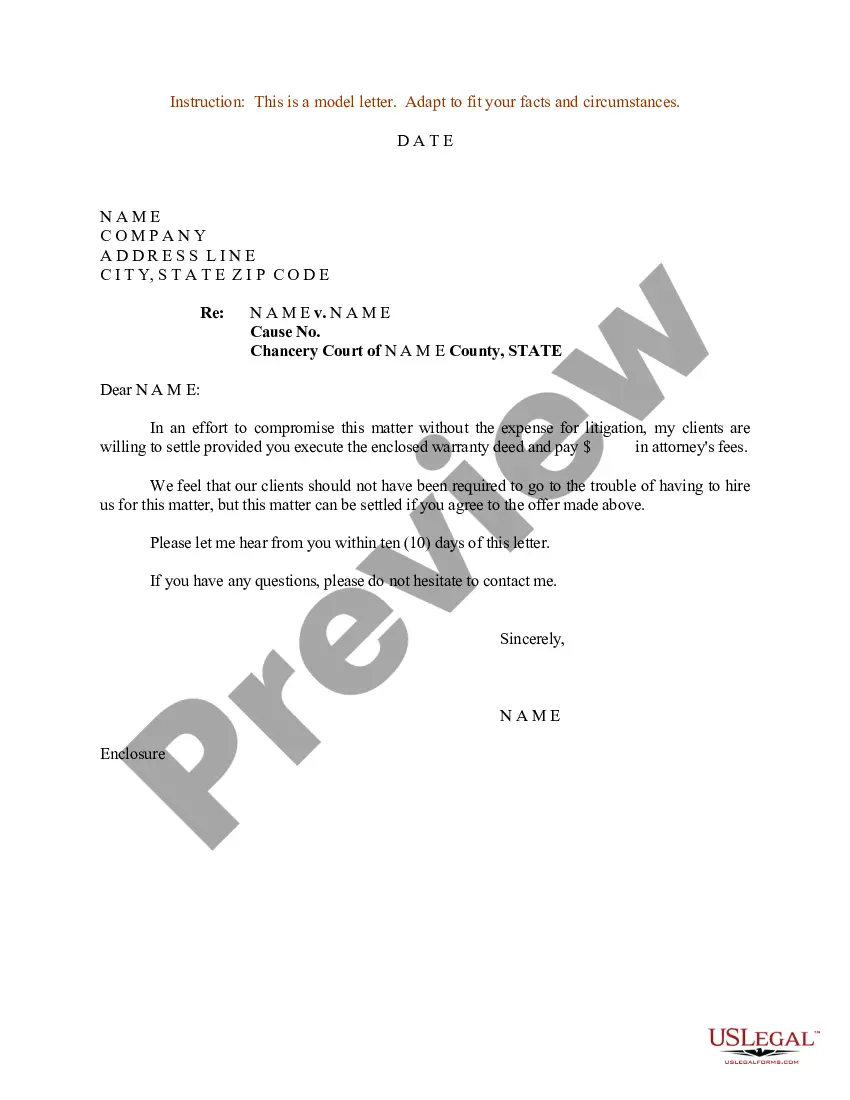
Get your form ready online
Our built-in tools help you complete, sign, share, and store your documents in one place.
Make edits, fill in missing information, and update formatting in US Legal Forms—just like you would in MS Word.
Download a copy, print it, send it by email, or mail it via USPS—whatever works best for your next step.
Sign and collect signatures with our SignNow integration. Send to multiple recipients, set reminders, and more. Go Premium to unlock E-Sign.
If this form requires notarization, complete it online through a secure video call—no need to meet a notary in person or wait for an appointment.
We protect your documents and personal data by following strict security and privacy standards.

Make edits, fill in missing information, and update formatting in US Legal Forms—just like you would in MS Word.

Download a copy, print it, send it by email, or mail it via USPS—whatever works best for your next step.

Sign and collect signatures with our SignNow integration. Send to multiple recipients, set reminders, and more. Go Premium to unlock E-Sign.

If this form requires notarization, complete it online through a secure video call—no need to meet a notary in person or wait for an appointment.

We protect your documents and personal data by following strict security and privacy standards.
Looking for another form?




Form popularity
FAQ
Related Definitions opposing counsel means the outside trial counsel (including counsel of record) for the Party that will cross-examine the Witness. opposing counsel means counsel for the party that did not notice the remote deposition.
Rule 11 refers to a provision in the Federal Rules of Civil Procedure that requires attorneys and parties to certify that their pleadings, motions, and other papers are not being presented for any improper purpose, are warranted by existing law, and have evidentiary support.
Typically, a former client seeking to disqualify a former attorney from representing an opposing party must identify specific, cogent information that the attorney possesses and show that the information is confidential and implicates the duty of loyalty.
Rule 11 - Signing Pleadings, Motions, and Other Papers; Representations to the Court; Sanctions (a) Signature. Every pleading, written motion, and other paper must be signed by at least one attorney of record in the attorney's name-or by a party personally if the party is unrepresented.
There is no rule against your talking to the opposing party, or to the opposing party's attorney. There is a rule, however, that applies to attorneys only, that would prevent opposing counsel from responding to your communication, unless he had permission from your attorney.
In representing a client, a lawyer shall not communicate about the subject of the representation with a person the lawyer knows to be represented by another lawyer in the matter, unless the lawyer has the consent of the other lawyer or is authorized to do so by law or a court order.
Do not engage. Think of her as a course hazard more than an opponent. Aim your words, always, at the judge. Be on time, be reasonable, be flexible to the extent it will not prejudice or harm your client, and do your best to keep all interactions in writing and on the record.
Rule 11 - Signing Pleadings, Motions, and Other Papers; Representations to the Court; Sanctions (a) Signature. Every pleading, written motion, and other paper must be signed by at least one attorney of record in the attorney's name-or by a party personally if the party is unrepresented.
Rule 7.20 - Form of papers presented for filing; exhibits; documents; legal citations (a) All pleadings and papers presented for filing must be flat, unfolded, firmly bound together at the top, on white paper of standard quality, not less than 16-lb. weight and 8.5 x 11 inches in size.
All papers opposing a motion so noticed shall be filed with the court and a copy served on each party at least nine court days, and all reply papers at least five court days before the hearing. The court, or a judge thereof, may prescribe a shorter time.