Debt Settlement Letter Sample With Credit Card In Nassau
Description


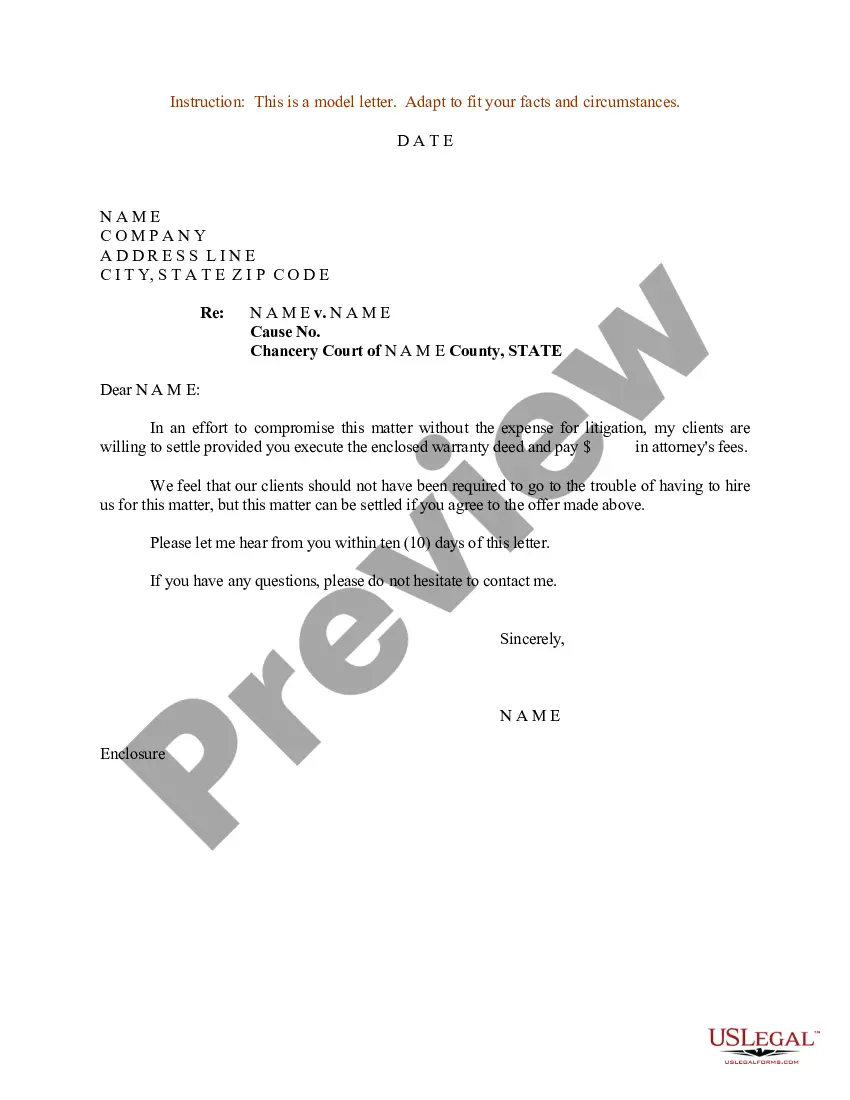
Get your form ready online
Our built-in tools help you complete, sign, share, and store your documents in one place.
Make edits, fill in missing information, and update formatting in US Legal Forms—just like you would in MS Word.
Download a copy, print it, send it by email, or mail it via USPS—whatever works best for your next step.
Sign and collect signatures with our SignNow integration. Send to multiple recipients, set reminders, and more. Go Premium to unlock E-Sign.
If this form requires notarization, complete it online through a secure video call—no need to meet a notary in person or wait for an appointment.
We protect your documents and personal data by following strict security and privacy standards.

Make edits, fill in missing information, and update formatting in US Legal Forms—just like you would in MS Word.

Download a copy, print it, send it by email, or mail it via USPS—whatever works best for your next step.

Sign and collect signatures with our SignNow integration. Send to multiple recipients, set reminders, and more. Go Premium to unlock E-Sign.

If this form requires notarization, complete it online through a secure video call—no need to meet a notary in person or wait for an appointment.

We protect your documents and personal data by following strict security and privacy standards.
Looking for another form?
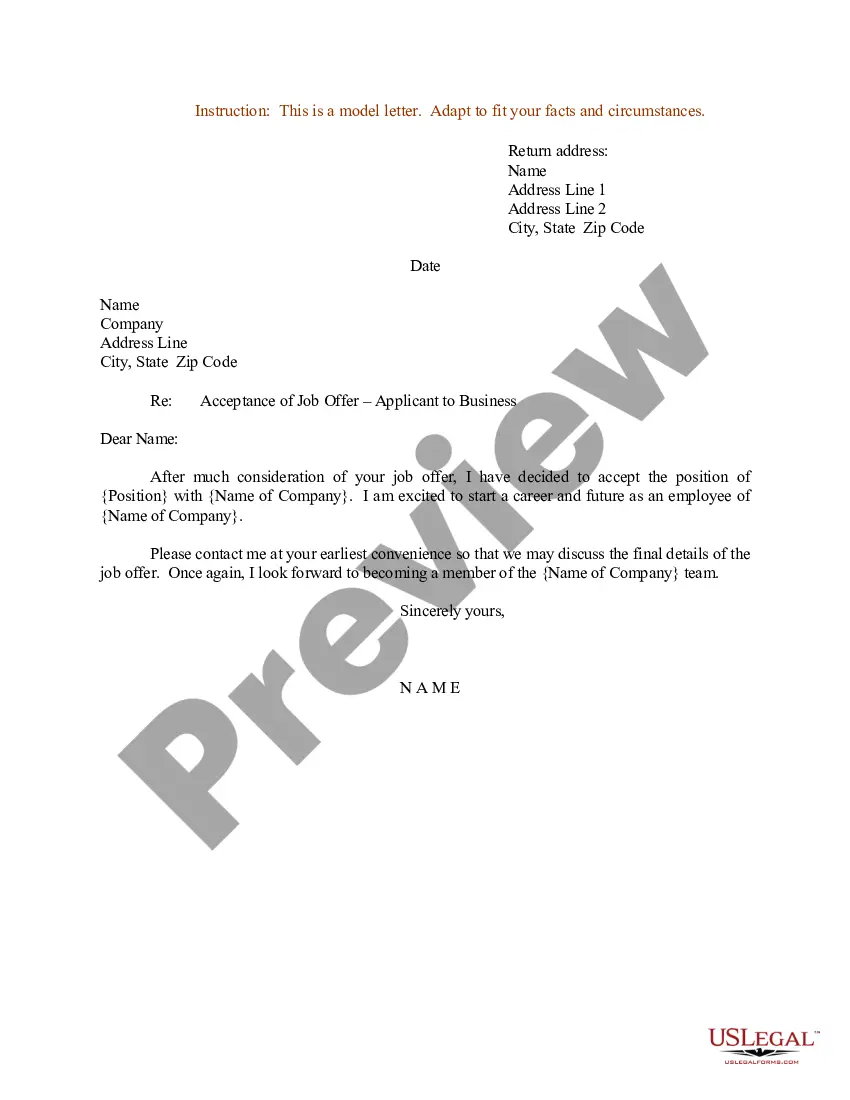







Form popularity
FAQ
Credit Card Debt Settlement Process Reach out to your Credit Card issuer or a debt settlement agency. Submit a request for Credit Card Debt settlement. Explain the reason for your inability to repay the entire outstanding amount on your Credit Card.
A fair settlement offer typically falls between 30% and 50% of the total amount owed. However, it's imperative to note that this can vary based on several factors, including how delinquent the account is.
What Is A Good Settlement Offer For A Credit Card? A fair settlement offer typically falls between 30% and 50% of the total amount owed. However, it's imperative to note that this can vary based on several factors, including how delinquent the account is.
Your debt settlement proposal letter must be formal and clearly state your intentions and what you expect from your creditors. You should also include all the key information your creditor will need to locate your account on their system, which includes: Your full name used on the account. Your full address.
Write a Hardship Letter: This letter should explain your circumstances and why you believe a hardship dismissal is necessary. It should include details such as job loss, illness, or other factors contributing to your financial situation. Be honest and clear in your explanation.
A hardship letter explains to a lender the circumstances that have made you unable to keep up with your debt payments. The letter provides specific details such as the date the hardship began, the cause and how long you expect it to continue. Many creditors will require a hardship letter if you request help.
When you write the hardship letter, don't include anything that would hurt your situation. Here are some examples of things you shouldn't say in the letter: Don't say that your situation is your lender's fault or that their employees are jerks. Don't state that things will likely turn around for you.