Debt Settlement Letter Sample With Payment In Nassau
Description


Get your form ready online
Our built-in tools help you complete, sign, share, and store your documents in one place.
Make edits, fill in missing information, and update formatting in US Legal Forms—just like you would in MS Word.
Download a copy, print it, send it by email, or mail it via USPS—whatever works best for your next step.
Sign and collect signatures with our SignNow integration. Send to multiple recipients, set reminders, and more. Go Premium to unlock E-Sign.
If this form requires notarization, complete it online through a secure video call—no need to meet a notary in person or wait for an appointment.
We protect your documents and personal data by following strict security and privacy standards.

Make edits, fill in missing information, and update formatting in US Legal Forms—just like you would in MS Word.

Download a copy, print it, send it by email, or mail it via USPS—whatever works best for your next step.

Sign and collect signatures with our SignNow integration. Send to multiple recipients, set reminders, and more. Go Premium to unlock E-Sign.

If this form requires notarization, complete it online through a secure video call—no need to meet a notary in person or wait for an appointment.

We protect your documents and personal data by following strict security and privacy standards.
Looking for another form?






Form popularity
FAQ
Open with an introduction: Address the recipient respectfully and state the purpose of the letter—requesting a payment plan agreement. Provide context: Briefly explain the circumstances, such as financial constraints or unforeseen challenges, that necessitate the request.
Clearly define objectives before drafting the settlement offer. If monetary compensation is involved, the offer should specify the amount, payment schedule, and contingencies for non-payment. Non-monetary terms, such as confidentiality clauses, mutual releases, or other protective measures, should also be considered.
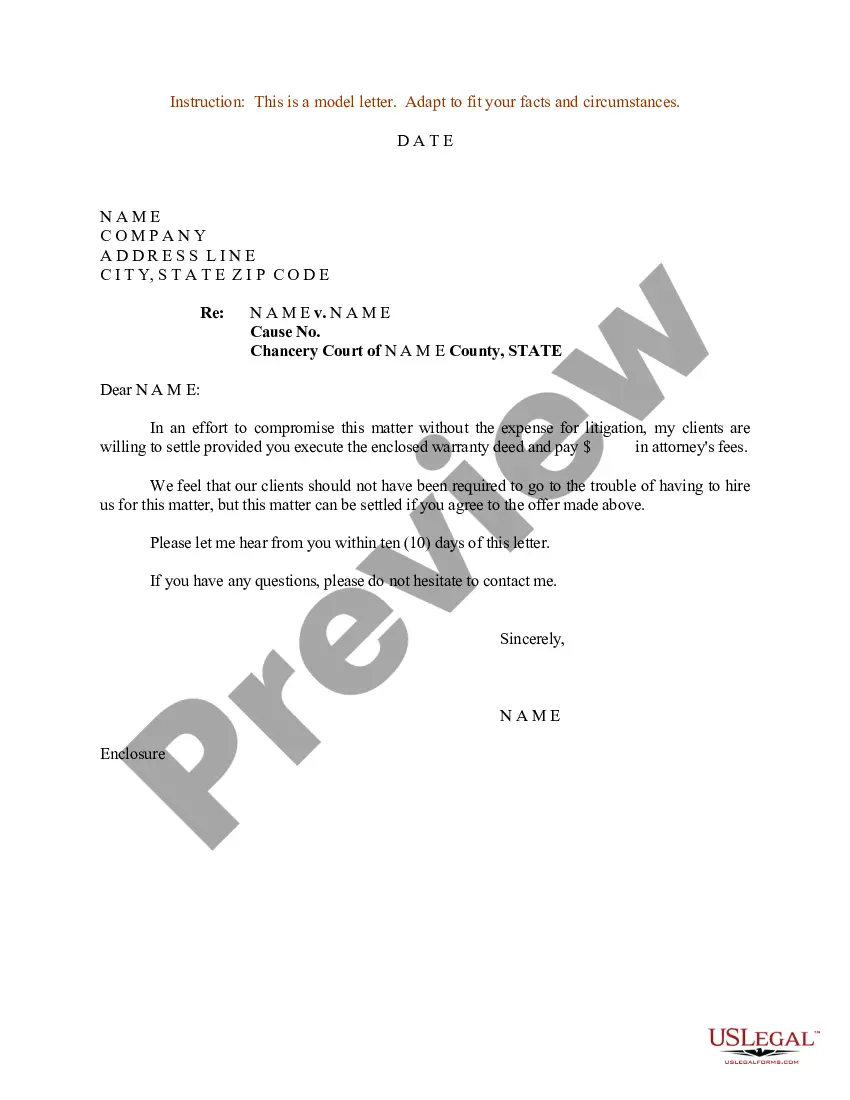
And I want to offer this as full and final settlement of the account. I amWe are we are making this offer on the clear understanding that, if you accept it, neither you nor any associate company will take any other action to collect or enforce this debt in any way and that I will be released from any liability.
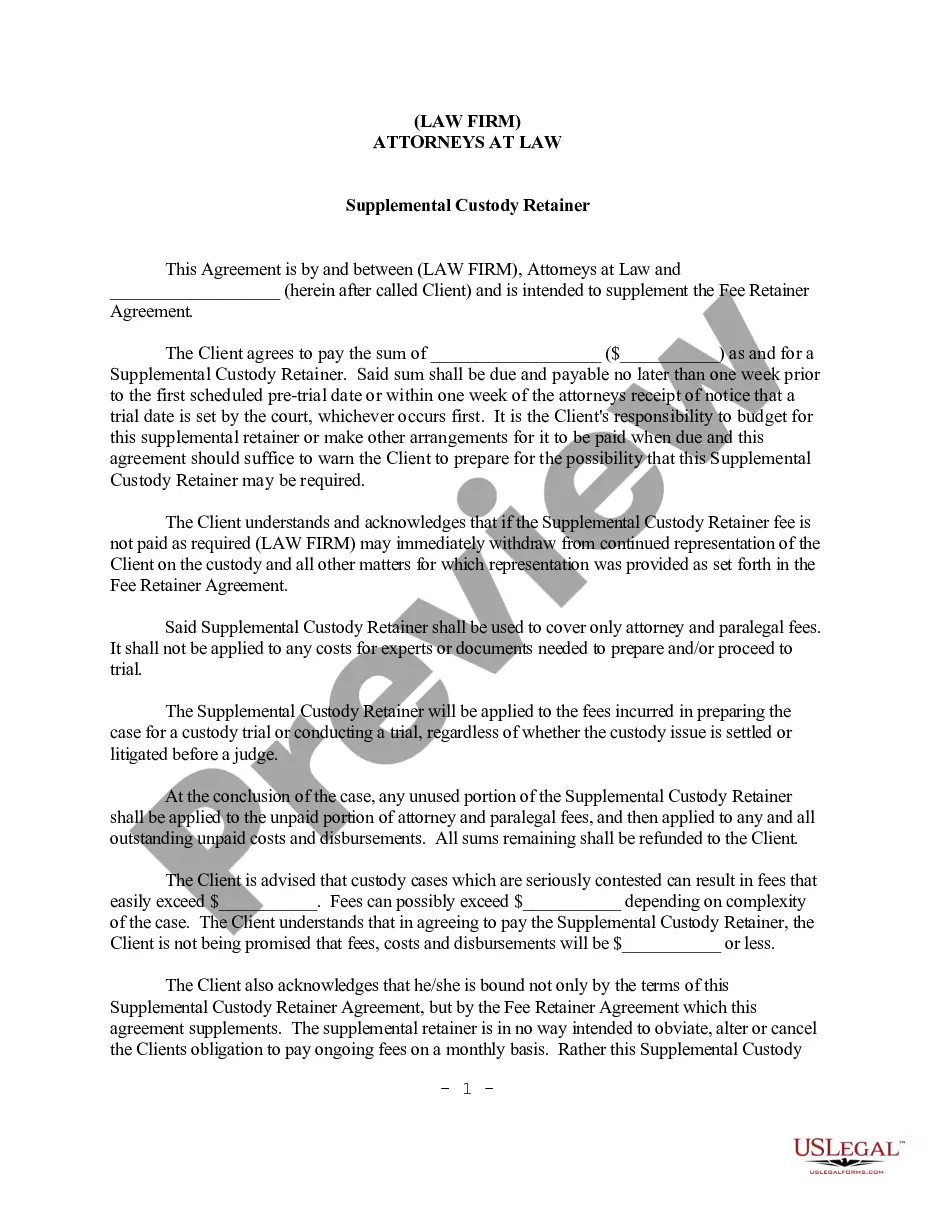
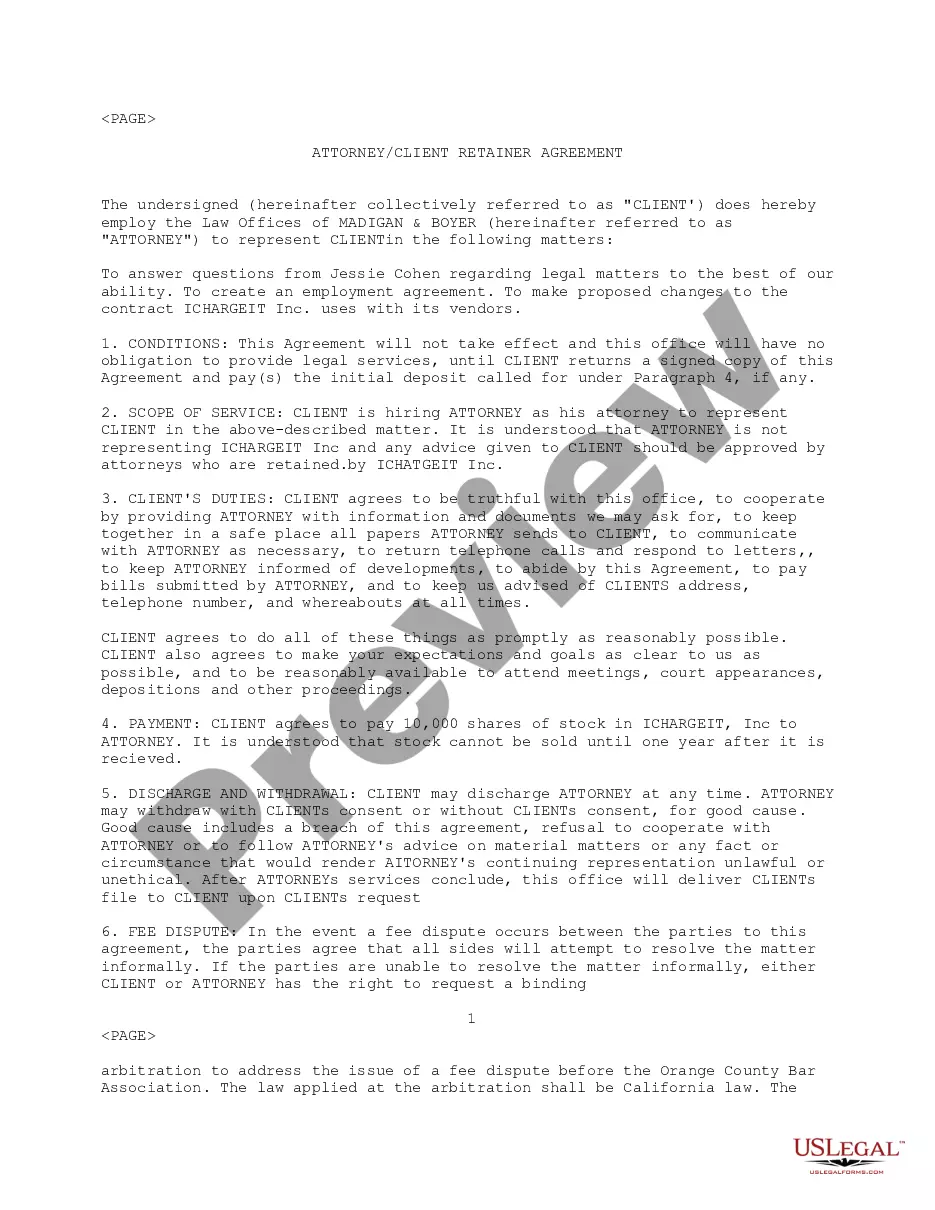
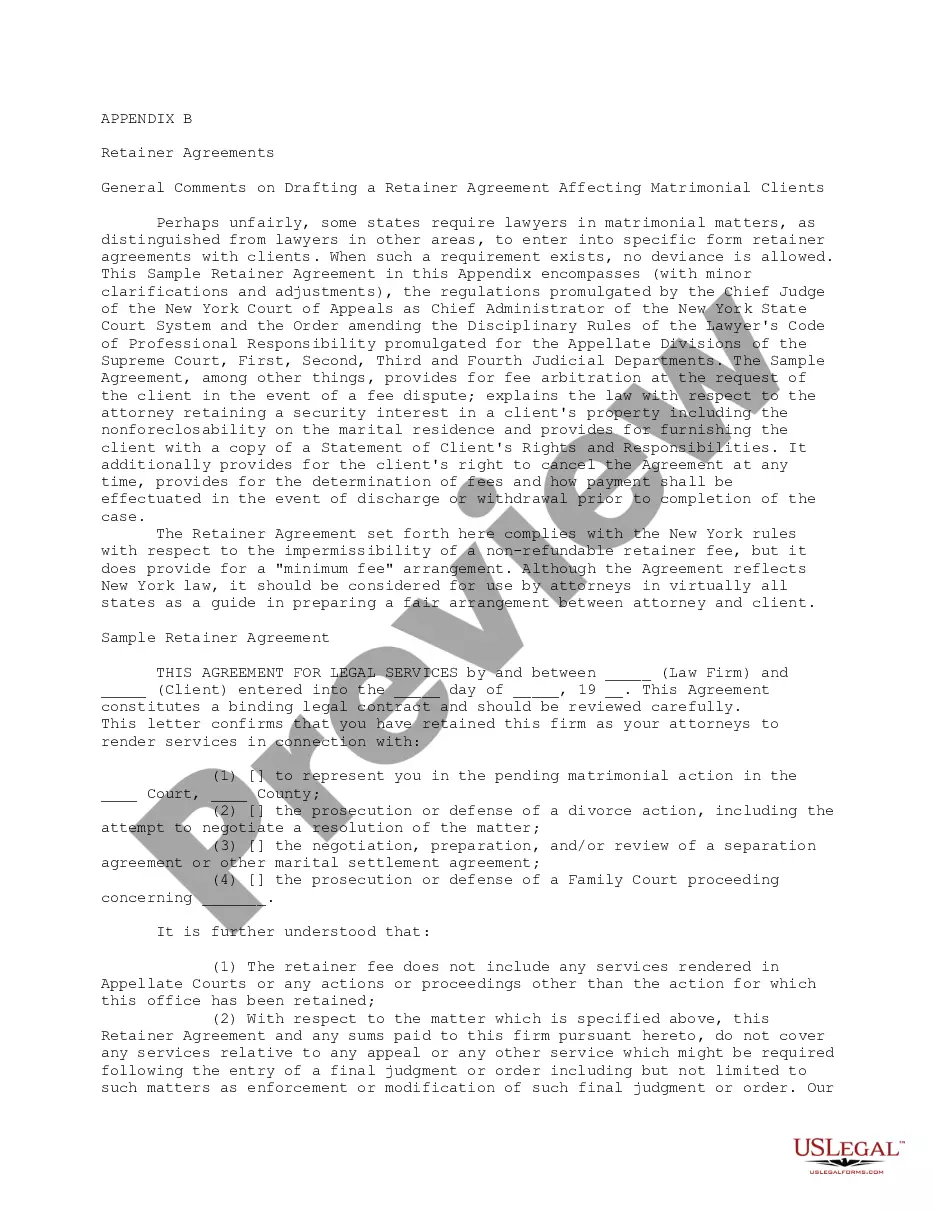
A comprehensive debt settlement agreement template should cover the following elements: Parties involved. Identify clearly the debtor and creditor, including their legal names and contact information. Debt details. Settlement amount. Payment terms. Release of claims. Confidentiality. Governing law. Signatures.
Most debt settlement letters include: The date, name, and address of the credit card company. A notation after the address that this is regarding a hardship letter. The credit card number and amount of the debt. A short statement of your financial situation, why you're in that situation, and why full payment is a hardship.
A comprehensive debt settlement agreement template should cover the following elements: Parties involved. Identify clearly the debtor and creditor, including their legal names and contact information. Debt details. Settlement amount. Payment terms. Release of claims. Confidentiality. Governing law. Signatures.