Opposing Counsel In Court In Maricopa
Description

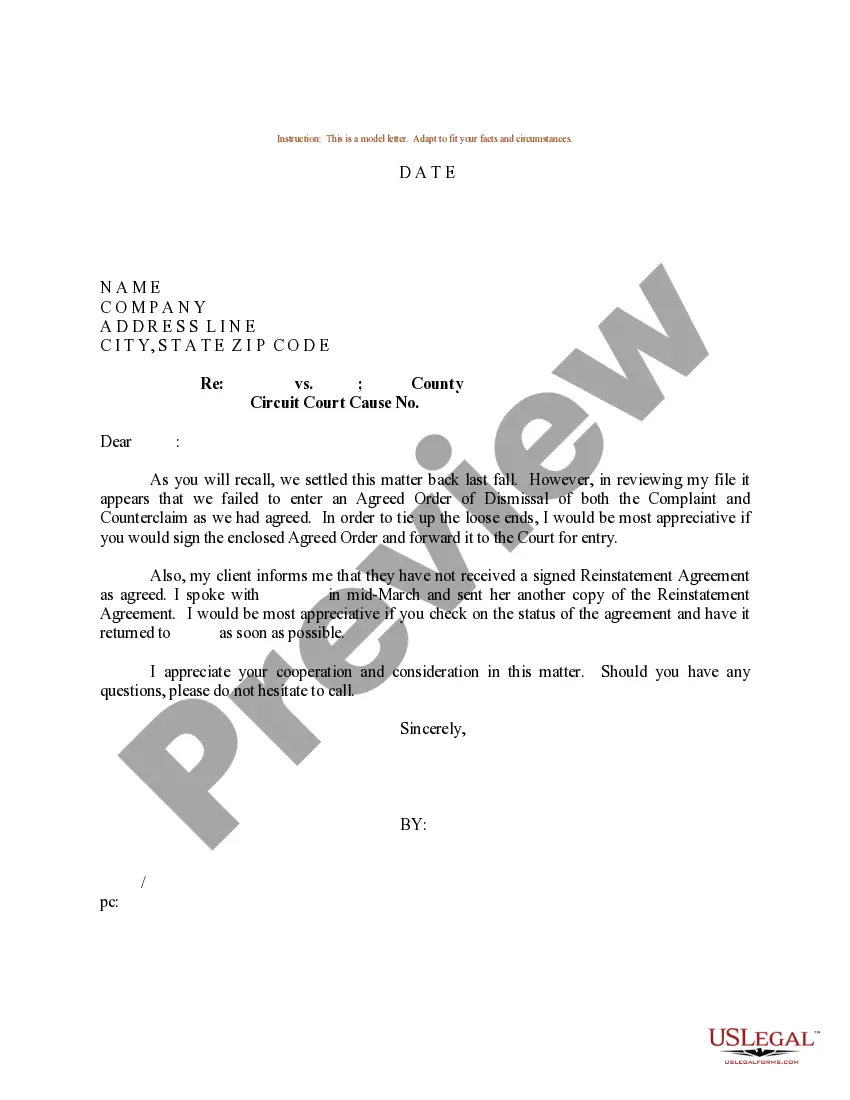
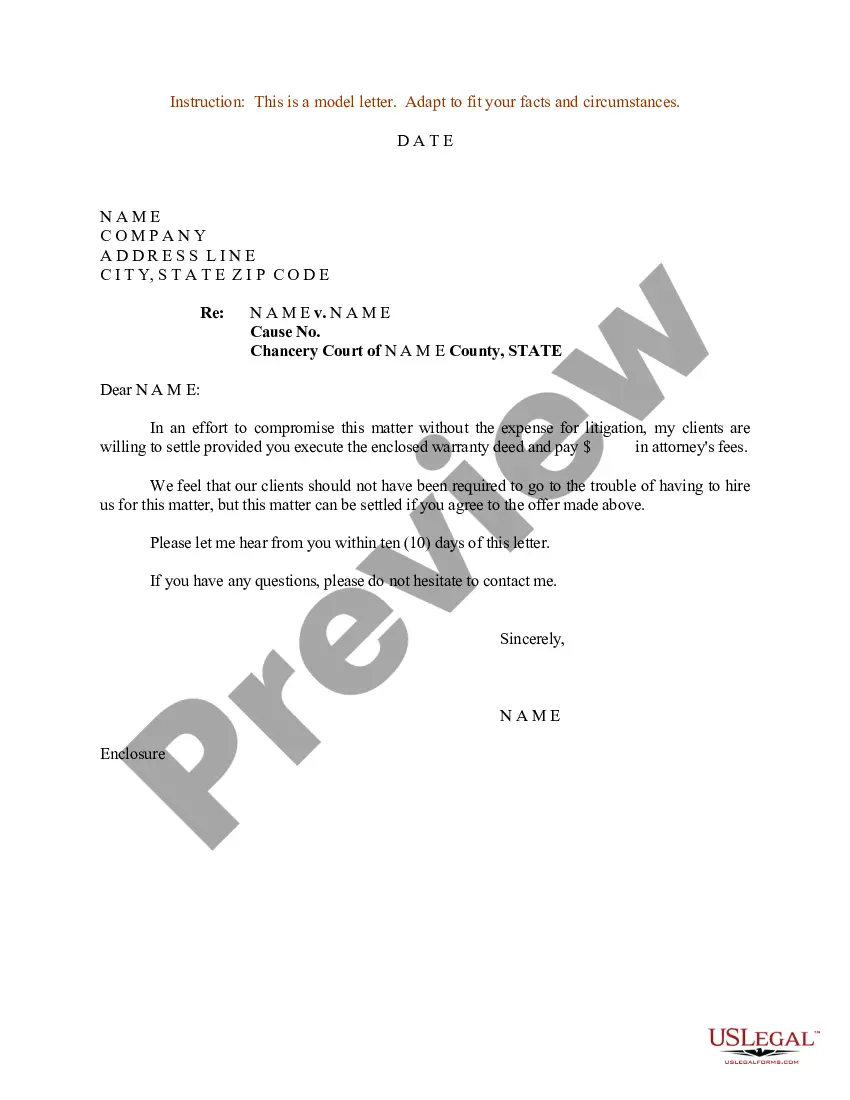
Get your form ready online
Our built-in tools help you complete, sign, share, and store your documents in one place.
Make edits, fill in missing information, and update formatting in US Legal Forms—just like you would in MS Word.
Download a copy, print it, send it by email, or mail it via USPS—whatever works best for your next step.
Sign and collect signatures with our SignNow integration. Send to multiple recipients, set reminders, and more. Go Premium to unlock E-Sign.
If this form requires notarization, complete it online through a secure video call—no need to meet a notary in person or wait for an appointment.
We protect your documents and personal data by following strict security and privacy standards.

Make edits, fill in missing information, and update formatting in US Legal Forms—just like you would in MS Word.

Download a copy, print it, send it by email, or mail it via USPS—whatever works best for your next step.

Sign and collect signatures with our SignNow integration. Send to multiple recipients, set reminders, and more. Go Premium to unlock E-Sign.

If this form requires notarization, complete it online through a secure video call—no need to meet a notary in person or wait for an appointment.

We protect your documents and personal data by following strict security and privacy standards.
Looking for another form?







Form popularity
FAQ
If the problem persists, take action before the situation gets worse. Do not pass the issue to someone else in your office. Instead, a frank exchange between you and the opposing counsel may be needed. Perhaps a colleague can serve as an intermediary to smooth the way to a better relationship.
You may not split a claim and file two separate actions. You may file for the "court costs"in addition to the $10,000 maximum. Civil lawsuits in Arizona are governed by the Justice Court Rules of Civil Procedure (PDF).
PLAINTIFF - The Plaintiff is the person initiating a claim in a civil case. DEFENDANT - The Defendant is the person being sued in a civil case, or the person who has been charged with a crime/driving offense in a criminal case.
What is a lawyer against you called? “Opposing counsel” or, for short, “OC.” Depending on the matter, it can also be “plaintiff's counsel,” “attorney for the plaintiff,” “defense counsel,” “attorney for the defendant,” “attorney for the petitioner,” “attorney for the respondent,” ad infinitum.
In the Rule 11 process, the Court orders two Mental Health Experts to meet with the defendant, conduct competency evaluations, review records, and render opinions on the legal competency status of the defendant in reports submitted to the Court.
Rule 4.2(f) allows service by publication when the following circumstances exist: The last known address of the person to be served is outside Arizona, but, (1) despite diligent efforts, the serving party is unable to find the opposing party's current address; or, (2) the opposing party has intentionally avoided ...
8 Tips for Dealing with Difficult Opposing Counsel Point out Common Ground. Don't be Afraid to Ask Why. Separate the Person from the Problem. Focus on your Interests. Don't Fall for your Assumptions. Take a Calculated Approach. Control the Conversation by Reframing. Pick up the Phone.
Unless Rule 4.1(c), (e), (f), or (g) applies, an individual may be served by: (1) delivering a copy of the summons and the pleading being served to that individual personally; (2) leaving a copy of each at that individual's dwelling or usual place of abode with someone of suitable age and discretion who resides there; ...
It's not illegal to avoid being served with a process, but it is rarely advantageous.
