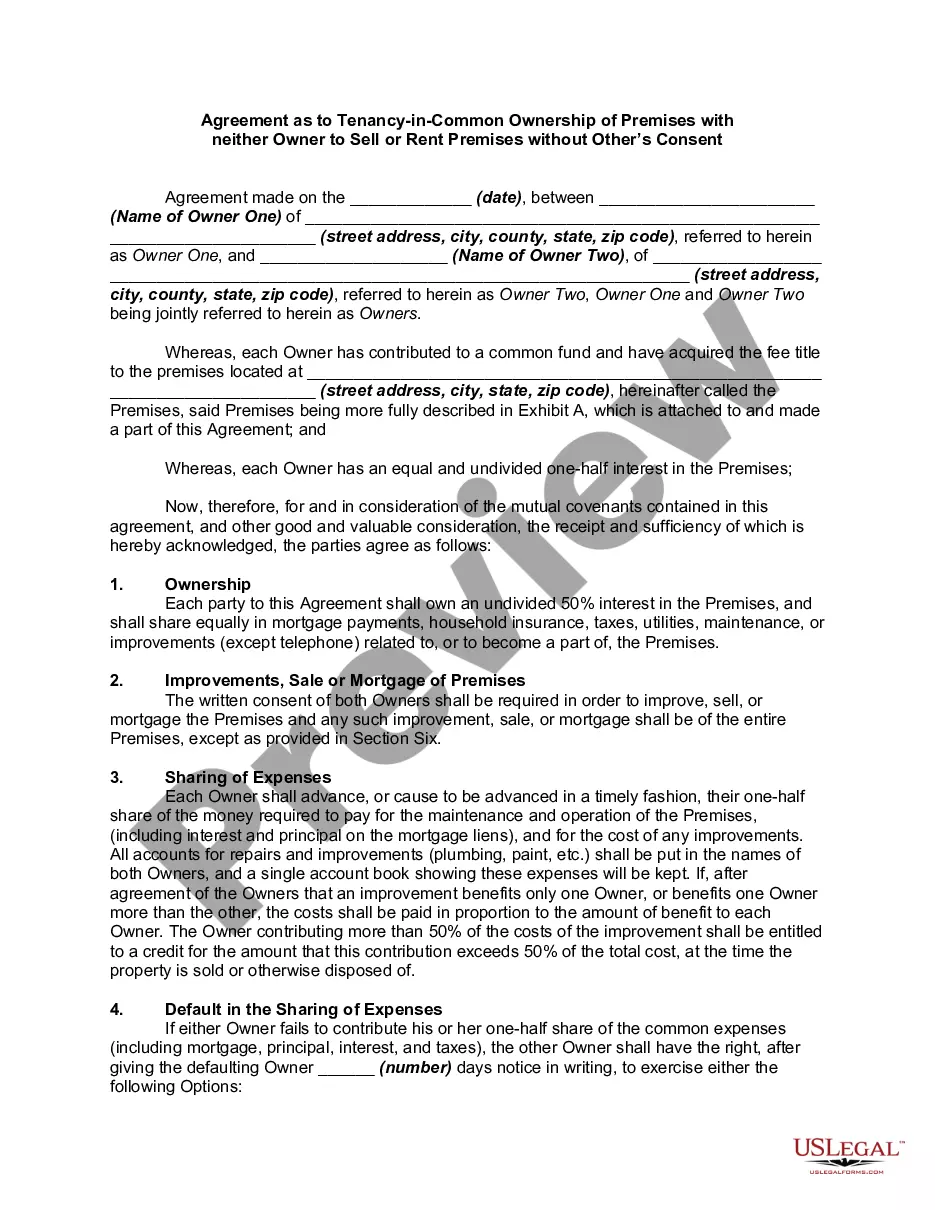
Letters To Lawyers Examples In Los Angeles
Description

Get your form ready online
Our built-in tools help you complete, sign, share, and store your documents in one place.
Make edits, fill in missing information, and update formatting in US Legal Forms—just like you would in MS Word.
Download a copy, print it, send it by email, or mail it via USPS—whatever works best for your next step.
Sign and collect signatures with our SignNow integration. Send to multiple recipients, set reminders, and more. Go Premium to unlock E-Sign.
If this form requires notarization, complete it online through a secure video call—no need to meet a notary in person or wait for an appointment.
We protect your documents and personal data by following strict security and privacy standards.

Make edits, fill in missing information, and update formatting in US Legal Forms—just like you would in MS Word.

Download a copy, print it, send it by email, or mail it via USPS—whatever works best for your next step.

Sign and collect signatures with our SignNow integration. Send to multiple recipients, set reminders, and more. Go Premium to unlock E-Sign.

If this form requires notarization, complete it online through a secure video call—no need to meet a notary in person or wait for an appointment.

We protect your documents and personal data by following strict security and privacy standards.
Looking for another form?






Form popularity
FAQ
Formal Address: If you are writing a letter or email, start with ``Dear (Mr./Ms./Mrs.) Using Their Title: If the lawyer has a specific title, such as ``Attorney at Law,'' you can use ``Attorney (Last Name)'' or simply ``Counselor.'' In Person: When speaking directly, you can address them as ``Mr./Ms./Mrs.
A clear statement of your complaint. This should be towards the top of your letter and should lay out exactly why you are dissatisfied. For example, if you believe the lawyer has lied to you, clearly state that you believe they have been dishonest. An easily understood statement of facts that back up your complaint.
Explain your case briefly but provide enough detail to give a clear picture of your legal issue. Be Honest: Full disclosure is crucial. Be honest about all aspects of your case, including any actions you've taken and any communication with other parties involved.
Explain your case briefly but provide enough detail to give a clear picture of your legal issue. Be Honest: Full disclosure is crucial. Be honest about all aspects of your case, including any actions you've taken and any communication with other parties involved.
Take a moment to craft a greeting that acknowledges the attorney, possibly referring to them by their last name; for example, “Dear Attorney Smith,” or “Hello, Mr. Smith,” would be an excellent start, depending on your comfort level and the formality of the situation.
Formatting the Letter Decide whether to follow "full block" or "modified block" format. Write your address. Write the date. Insert your attorney's name and address. Reference your case number. Greet your attorney. Write out the body of the letter. Close the letter.
Formal Address : If you are writing a letter or email, start with ``Dear (Mr./Ms./Mrs.) Using Their Title : If the lawyer has a specific title, such as ``Attorney at Law,'' you can use ``Attorney (Last Name)'' or simply ``Counselor.'' In Person : When speaking directly, you can address them as ``Mr./Ms./Mrs.
Lawyer Occupation Names Attorney, advocate, barrister, counsel, counsellor, solicitor, legal executive Activity sectors Law, business Description Competencies Analytical skills Critical thinking Law Legal research Legal writing Legal ethics4 more rows
Presidentially appointed United States Attorneys are noted with an asterisk () after their name and should be addressed as “The Honorable.” All others should be addressed as “Mr.” or “Ms.” Acting United States Attorneys are designated by a caret sign (^).