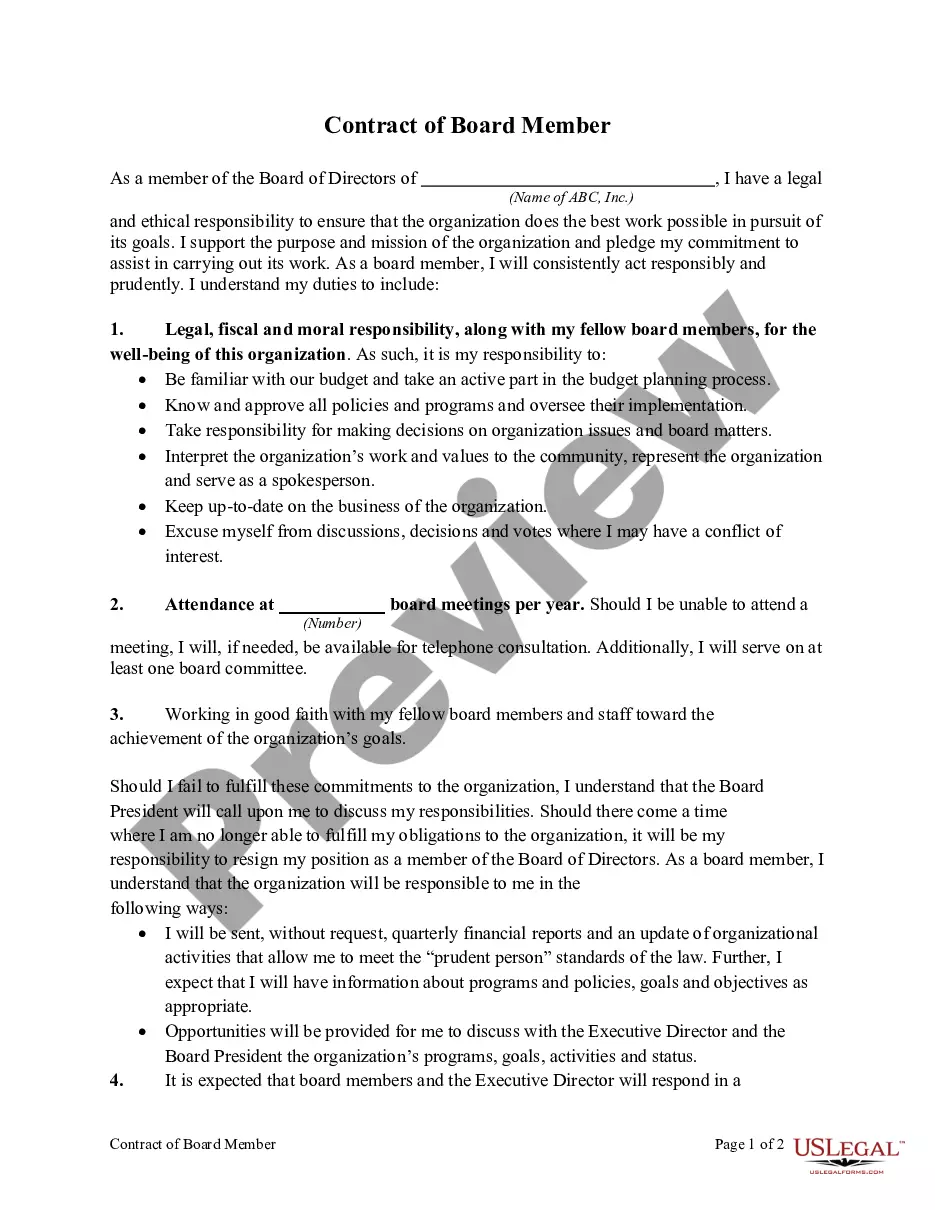
Opposing Counsel And In Georgia
Description



Get your form ready online
Our built-in tools help you complete, sign, share, and store your documents in one place.
Make edits, fill in missing information, and update formatting in US Legal Forms—just like you would in MS Word.
Download a copy, print it, send it by email, or mail it via USPS—whatever works best for your next step.
Sign and collect signatures with our SignNow integration. Send to multiple recipients, set reminders, and more. Go Premium to unlock E-Sign.
If this form requires notarization, complete it online through a secure video call—no need to meet a notary in person or wait for an appointment.
We protect your documents and personal data by following strict security and privacy standards.

Make edits, fill in missing information, and update formatting in US Legal Forms—just like you would in MS Word.

Download a copy, print it, send it by email, or mail it via USPS—whatever works best for your next step.

Sign and collect signatures with our SignNow integration. Send to multiple recipients, set reminders, and more. Go Premium to unlock E-Sign.

If this form requires notarization, complete it online through a secure video call—no need to meet a notary in person or wait for an appointment.

We protect your documents and personal data by following strict security and privacy standards.
Looking for another form?








Form popularity
FAQ
Rule 7.3 - Direct Contact with Prospective Clients (a) A lawyer shall not send, or knowingly permit to be sent, on behalf of the lawyer, the lawyer's firm, lawyer's partner, associate or any other lawyer affiliated with the lawyer or the lawyer's firm, a written communication to a prospective client for the purpose of ...
8 Tips for Dealing with Difficult Opposing Counsel Point out Common Ground. Don't be Afraid to Ask Why. Separate the Person from the Problem. Focus on your Interests. Don't Fall for your Assumptions. Take a Calculated Approach. Control the Conversation by Reframing. Pick up the Phone.
Use Mr./Ms. last name for the initial email. When opposing counsel responds and signs off with a first name (e.g., "Nick"), use that going forward. ? To address a group of opposing counsel, go with "Counsel." If you find these tips helpful, please follow Nick Bullard and click the ? to get my next tip.
In representing a client, a lawyer shall not communicate about the subject of the representation with a person the lawyer knows to be represented by another lawyer in the matter, unless the lawyer has the consent of the other lawyer or is authorized to do so by law or a court order.
Do not engage. Think of her as a course hazard more than an opponent. Aim your words, always, at the judge. Be on time, be reasonable, be flexible to the extent it will not prejudice or harm your client, and do your best to keep all interactions in writing and on the record.
Co-counsel for He is acting as co-counsel for the plaintiffs in two lawsuits. co-counsel with She was co-counsel with Anna Bishop representing the family. She was one of Khan's co-counsels on the case.
Use Mr./Ms. last name for the initial email. When opposing counsel responds and signs off with a first name (e.g., "Nick"), use that going forward. ? To address a group of opposing counsel, go with "Counsel." If you find these tips helpful, please follow Nick Bullard and click the ? to get my next tip.
Respectfully acknowledge evidence or standpoints that differ from your argument. Refute the stance of opposing arguments, typically utilizing words like “although” or “however.” In the refutation, you want to show the reader why your position is more correct than the opposing idea.
Courts in multiple Georgia Counties are collaborating to simplify civil e-filing in the state, and eFileGA provides one location for attorneys and courts to search for existing cases across counties. The system streamlines the filing processes and eliminates the need to file paper documents at the clerk's counter.