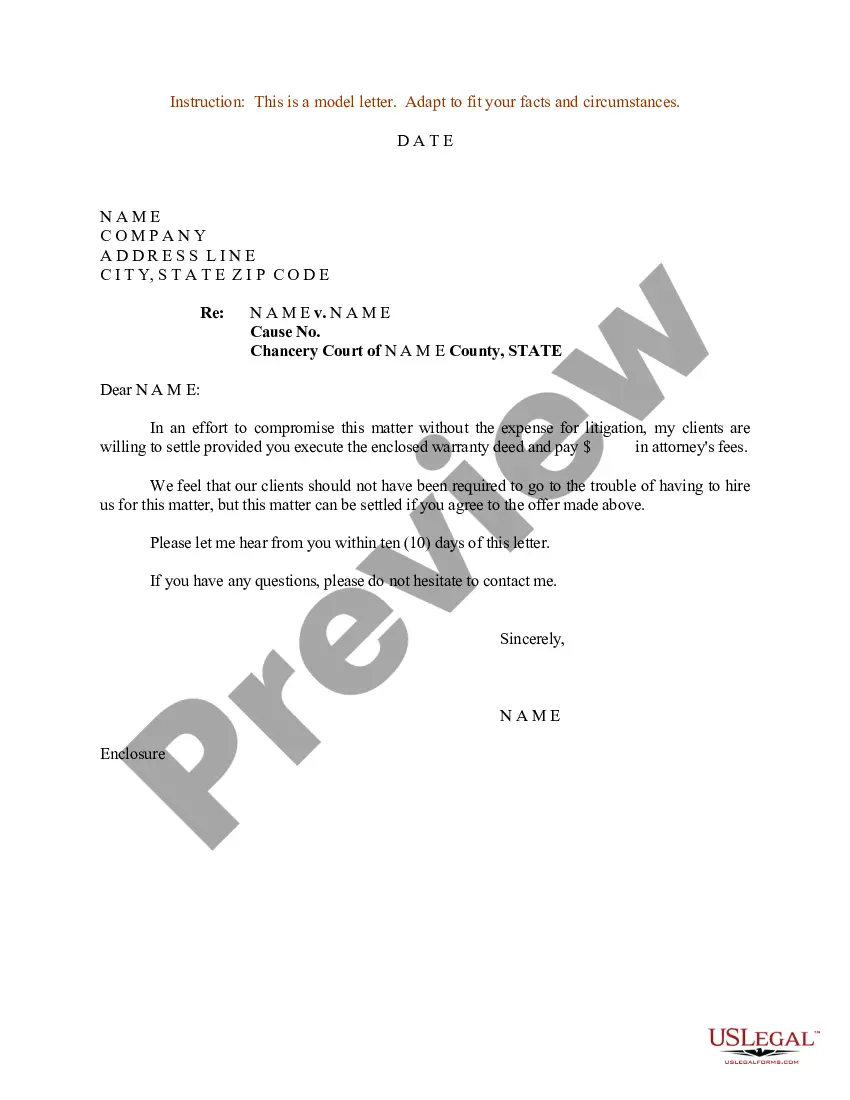
Debt Settlement Letter Sample With Attached Resume In Clark
Description

Get your form ready online
Our built-in tools help you complete, sign, share, and store your documents in one place.
Make edits, fill in missing information, and update formatting in US Legal Forms—just like you would in MS Word.
Download a copy, print it, send it by email, or mail it via USPS—whatever works best for your next step.
Sign and collect signatures with our SignNow integration. Send to multiple recipients, set reminders, and more. Go Premium to unlock E-Sign.
If this form requires notarization, complete it online through a secure video call—no need to meet a notary in person or wait for an appointment.
We protect your documents and personal data by following strict security and privacy standards.

Make edits, fill in missing information, and update formatting in US Legal Forms—just like you would in MS Word.

Download a copy, print it, send it by email, or mail it via USPS—whatever works best for your next step.

Sign and collect signatures with our SignNow integration. Send to multiple recipients, set reminders, and more. Go Premium to unlock E-Sign.

If this form requires notarization, complete it online through a secure video call—no need to meet a notary in person or wait for an appointment.

We protect your documents and personal data by following strict security and privacy standards.
Looking for another form?




Form popularity
FAQ
An example of a settlement can be a town, city, village, outpost, or metropolis. These settlements are usually located near natural resources or close together for security.
Sometimes known as debt relief, debt settlement occurs when you and a creditor agree to settle debt for less than what you owe. That settlement can involve reducing the principal amount in exchange for a lump-sum payment or decreasing the interest rate.
Payment settlement involves collecting the funds for the amount recorded for an order. For example, when using credit cards, the settlement process specifically involves contacting the payment system and collecting the required amount of funds against the credit card.
The debt settlement company calls the borrower's creditor and negotiates a lump-sum debt payment of $20,000 to satisfy the previously required monthly debt payments of $10,000. The creditor, having written off the borrower due to non-payments for three months, accepts the lump-sum payment of $20,000.
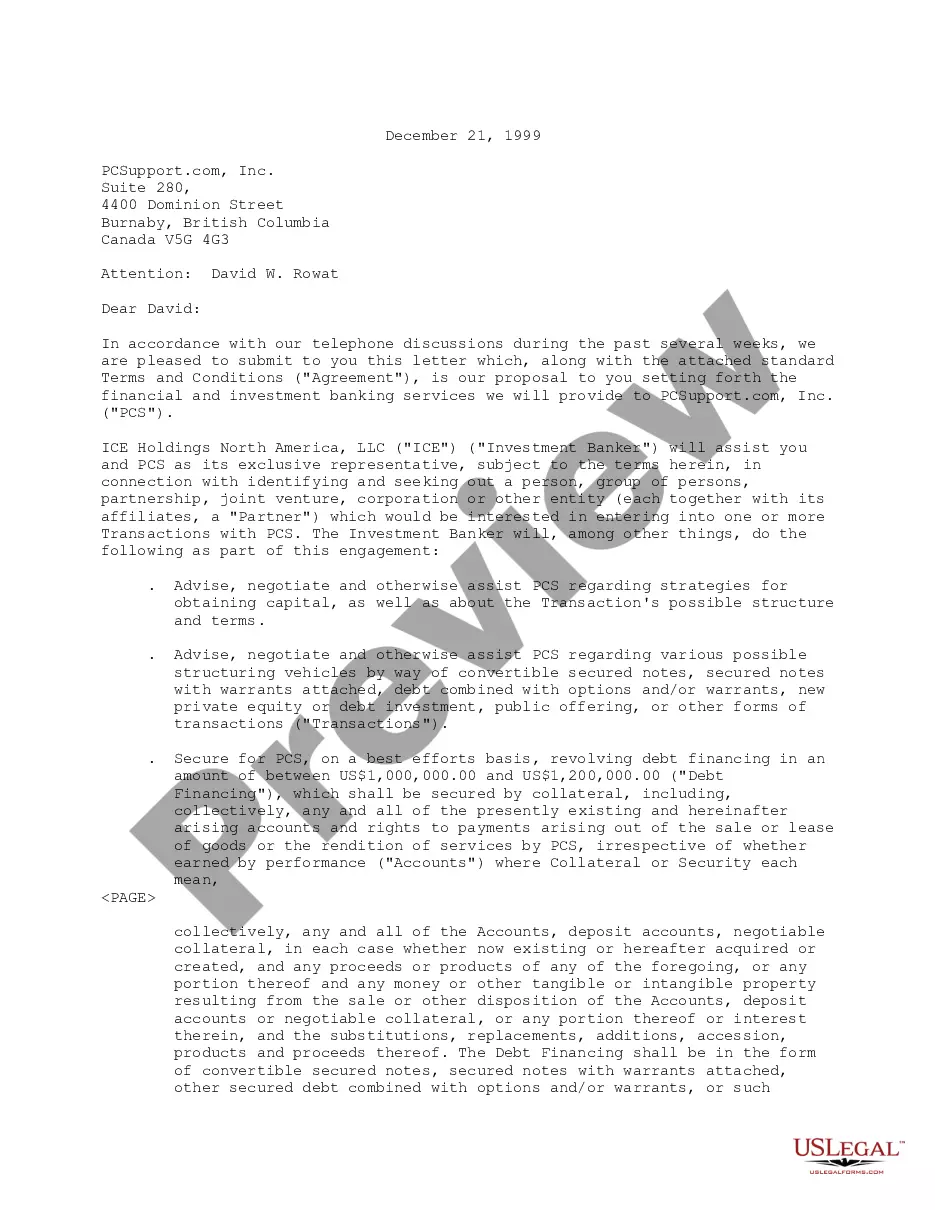
Most debt settlement letters include: The date, name, and address of the credit card company. A notation after the address that this is regarding a hardship letter. The credit card number and amount of the debt. A short statement of your financial situation, why you're in that situation, and why full payment is a hardship.
Options for debt relief include forgiving a portion of the debt, lowering the interest rate, stretching payments over a longer period, or consolidating multiple debts into a single, lower-interest one. Individuals, businesses, and governments may all seek debt relief when their debts have become unsustainable.