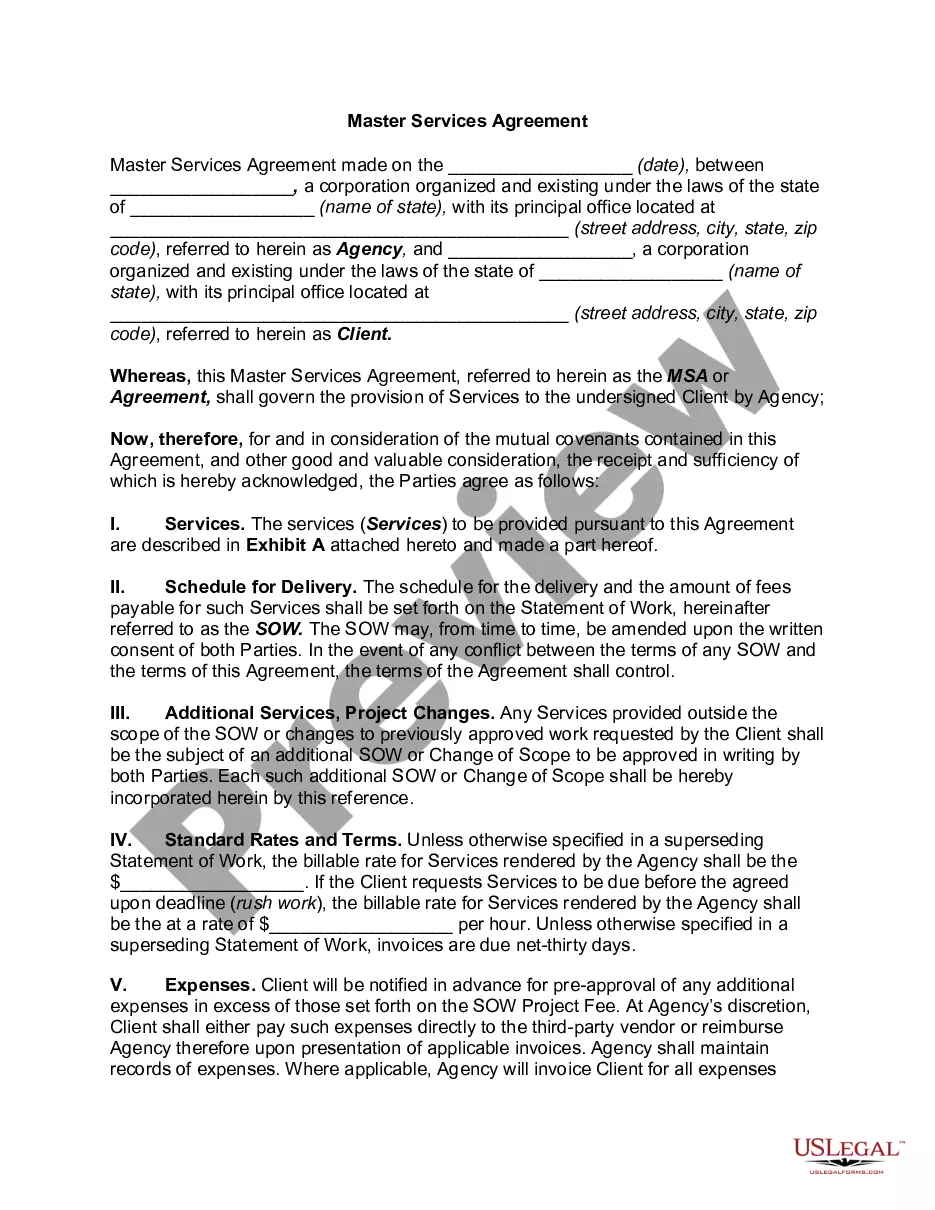
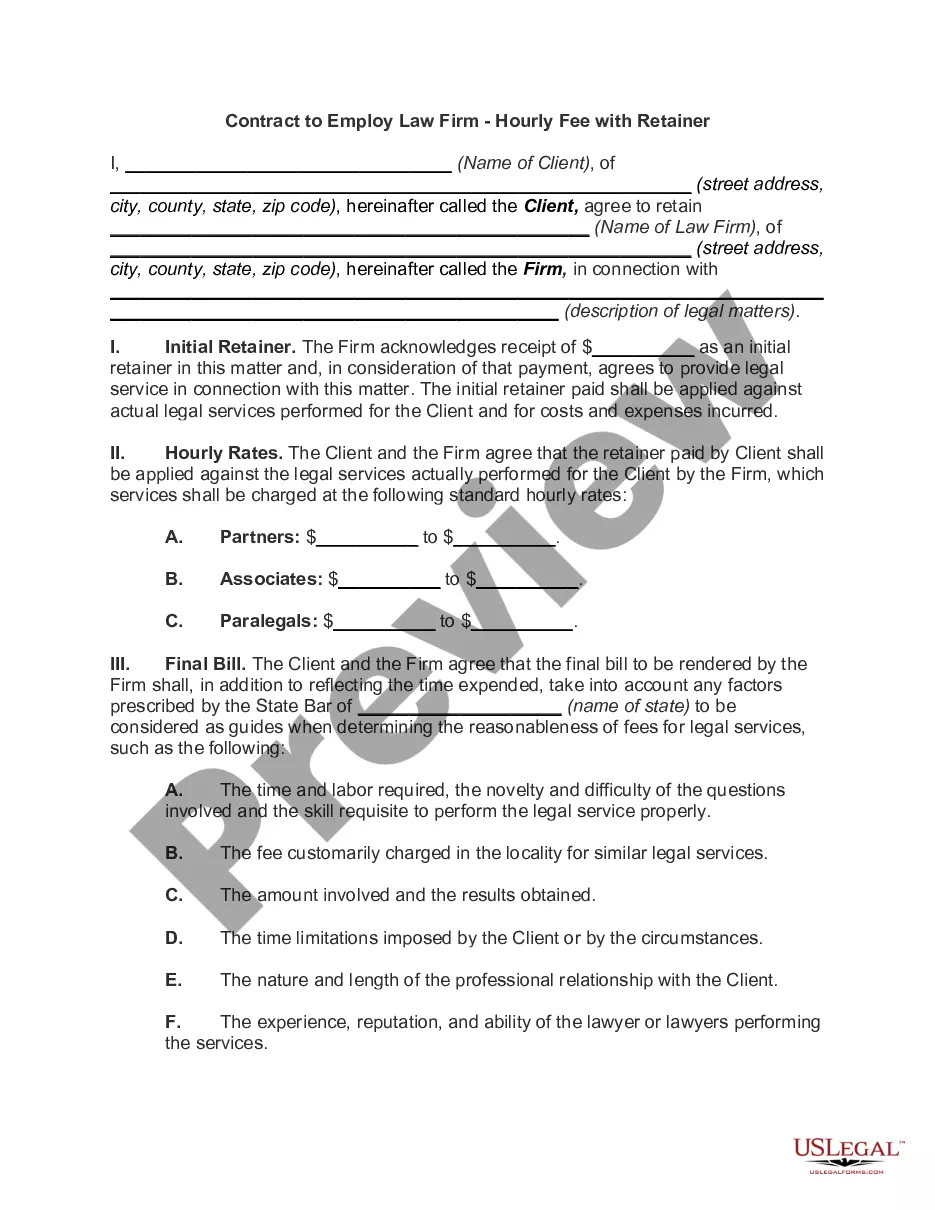
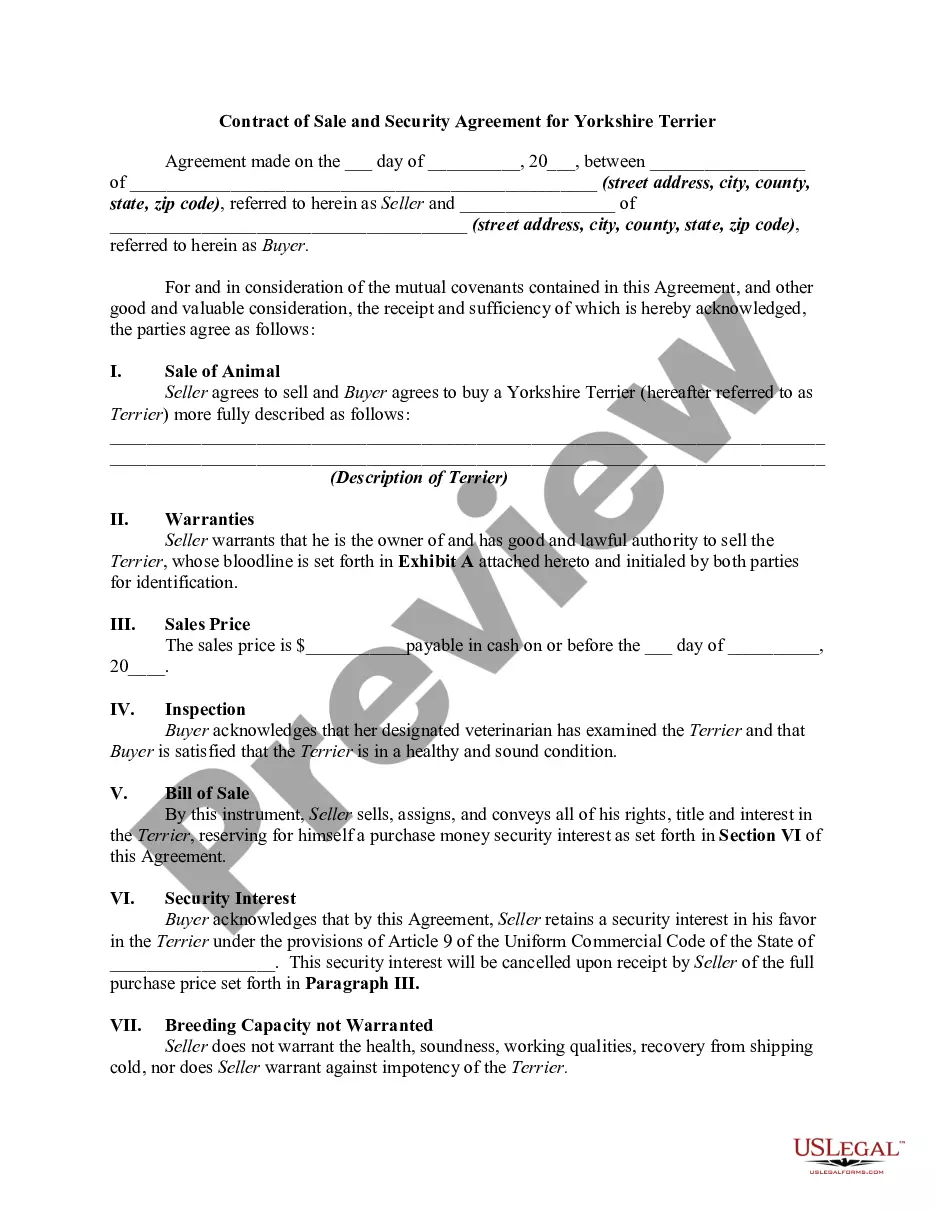
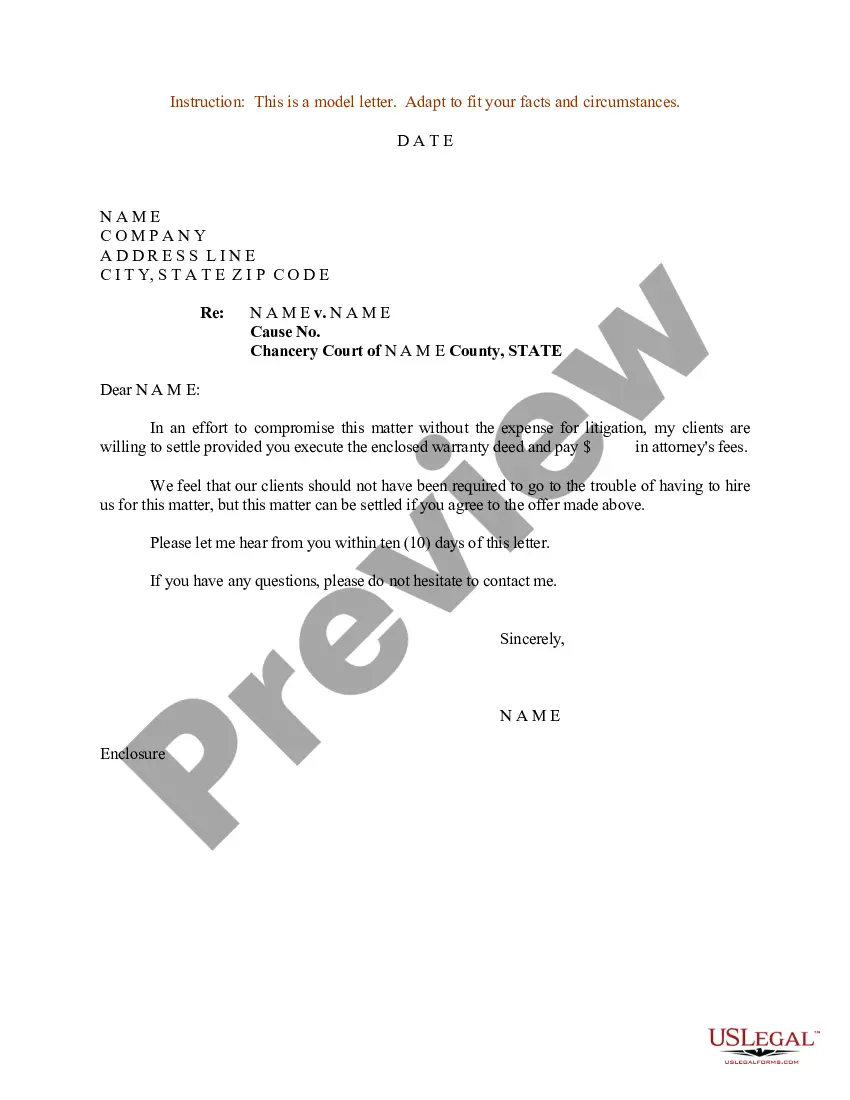
Opposing Counsel In Deutsch In Alameda
Description


Get your form ready online
Our built-in tools help you complete, sign, share, and store your documents in one place.
Make edits, fill in missing information, and update formatting in US Legal Forms—just like you would in MS Word.
Download a copy, print it, send it by email, or mail it via USPS—whatever works best for your next step.
Sign and collect signatures with our SignNow integration. Send to multiple recipients, set reminders, and more. Go Premium to unlock E-Sign.
If this form requires notarization, complete it online through a secure video call—no need to meet a notary in person or wait for an appointment.
We protect your documents and personal data by following strict security and privacy standards.

Make edits, fill in missing information, and update formatting in US Legal Forms—just like you would in MS Word.

Download a copy, print it, send it by email, or mail it via USPS—whatever works best for your next step.

Sign and collect signatures with our SignNow integration. Send to multiple recipients, set reminders, and more. Go Premium to unlock E-Sign.

If this form requires notarization, complete it online through a secure video call—no need to meet a notary in person or wait for an appointment.

We protect your documents and personal data by following strict security and privacy standards.
Looking for another form?


Form popularity
FAQ
8 Tips for Dealing with Difficult Opposing Counsel Point out Common Ground. Don't be Afraid to Ask Why. Separate the Person from the Problem. Focus on your Interests. Don't Fall for your Assumptions. Take a Calculated Approach. Control the Conversation by Reframing. Pick up the Phone.
If the problem persists, take action before the situation gets worse. Do not pass the issue to someone else in your office. Instead, a frank exchange between you and the opposing counsel may be needed. Perhaps a colleague can serve as an intermediary to smooth the way to a better relationship.
PLAINTIFF - The Plaintiff is the person initiating a claim in a civil case. DEFENDANT - The Defendant is the person being sued in a civil case, or the person who has been charged with a crime/driving offense in a criminal case.
What is a lawyer against you called? “Opposing counsel” or, for short, “OC.” Depending on the matter, it can also be “plaintiff's counsel,” “attorney for the plaintiff,” “defense counsel,” “attorney for the defendant,” “attorney for the petitioner,” “attorney for the respondent,” ad infinitum.
You have no legal obligation to speak to the opposing Attorney, but sometimes it can be helpful in reaching a settlement.
You would use a motion to disqualify counsel to request that the court remove the opposing party's attorney from the case.
An applicant must make an affirmative factual showing of irreparable harm, immediate danger, or any other statutory basis for granting relief without notice or with shortened notice to the other party.
In every case, to present an ex parte application to the court, a party must: reserve a hearing date with the applicable department (for applications that require a hearing.) ... file the motion with the court, and. give notice of the hearing date as required by law.
How to ask for an emergency order Contact your court or Self-Help Center to get local rules. Fill out forms. Attach documents to support your request. Give the other person notice and serve request. Make copies of your forms. Submit your forms. Pick up the forms from the clerk.
Typically, it's best to give the opposing party a reasonable amount of time to respond, which could range from a few days to a couple of weeks, depending on the urgency of the matter.