Federal Arbitration Act Statute Of Limitations In Virginia
Description



Get your form ready online
Our built-in tools help you complete, sign, share, and store your documents in one place.
Make edits, fill in missing information, and update formatting in US Legal Forms—just like you would in MS Word.
Download a copy, print it, send it by email, or mail it via USPS—whatever works best for your next step.
Sign and collect signatures with our SignNow integration. Send to multiple recipients, set reminders, and more. Go Premium to unlock E-Sign.
If this form requires notarization, complete it online through a secure video call—no need to meet a notary in person or wait for an appointment.
We protect your documents and personal data by following strict security and privacy standards.

Make edits, fill in missing information, and update formatting in US Legal Forms—just like you would in MS Word.

Download a copy, print it, send it by email, or mail it via USPS—whatever works best for your next step.

Sign and collect signatures with our SignNow integration. Send to multiple recipients, set reminders, and more. Go Premium to unlock E-Sign.

If this form requires notarization, complete it online through a secure video call—no need to meet a notary in person or wait for an appointment.

We protect your documents and personal data by following strict security and privacy standards.
Looking for another form?





Form popularity
FAQ
If the case settles, an arbitration will last around one year. If the case goes to hearing, an arbitration typically takes 16 months.
Ing to the Court, under the Limitation Act, parties have a three-year period from the date when the right to apply accrues to file applications under Section 11(6) of the Arbitration Act.
One of the main disadvantages of arbitration is the limited judicial review available for arbitrator awards. Unlike court judgments, which can be appealed to higher courts, arbitrator awards are generally final and binding.
Section 29A of the Arbitration and Conciliation Act, 1996 (“Act”), inserted vide theAmending Act of 2015 (w.e.f. 23.10. 2015), was meant to introduce time limit for completion of arbitration proceedings. It prescribed a statutory period of 12 (twelve) months from the date the arbitral tribunal enters upon reference.
Generally, it must first be noted that neither the Federal Arbitration Act nor the Revised Uniform Arbitration Act mentions the issue of statutes of limitation. Moreover, only a few state courts have addressed this issue, and there is no unanimity among them.
Typically, a statute of limitations is the law that limits someone's ability to take a legal action. In Virginia, under most circumstances, the statute of limitations is two years; however, there are a variety of circumstances which may delay that.
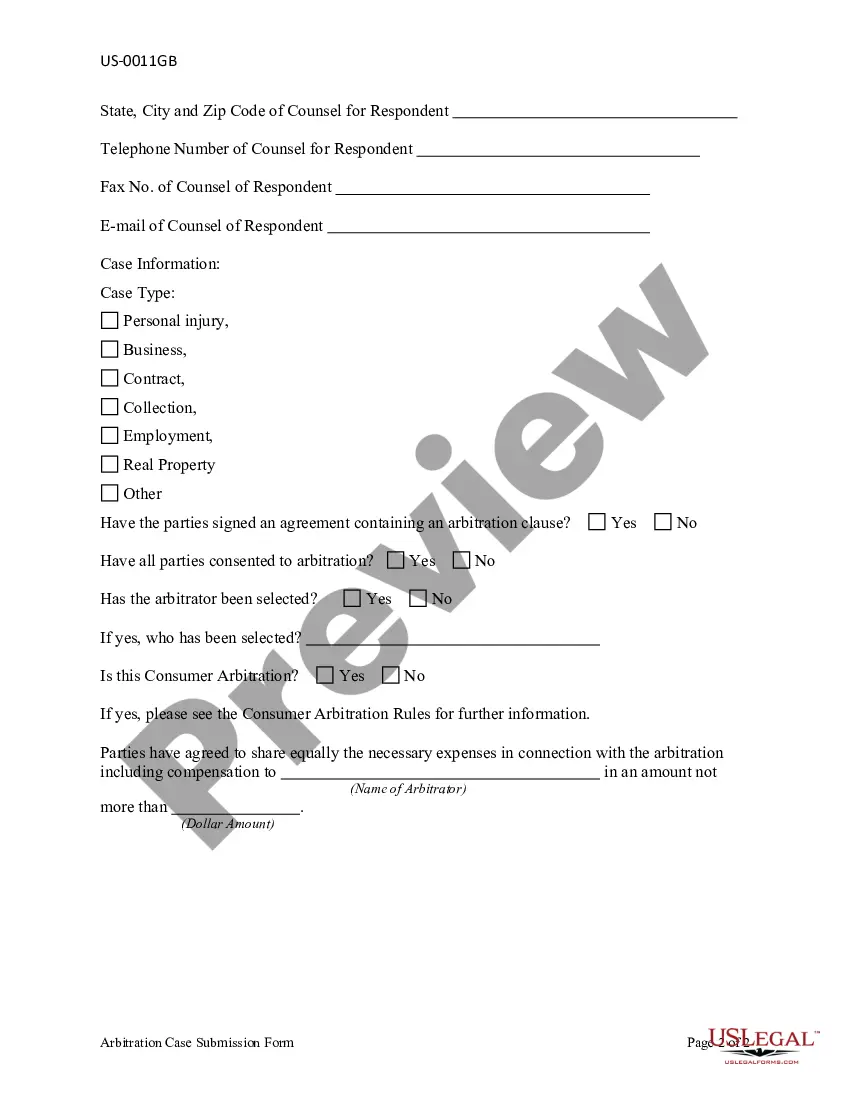
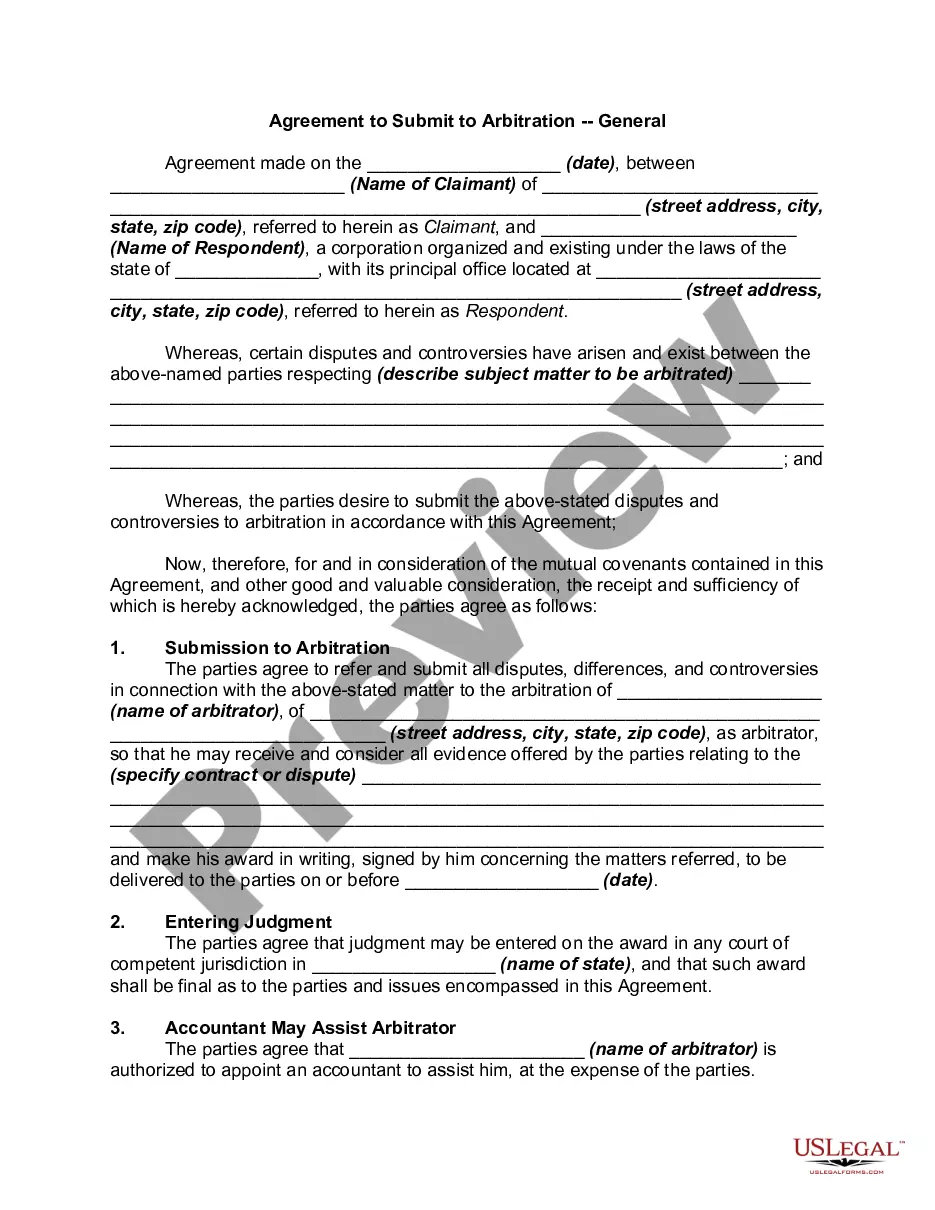
A written agreement to submit any existing controversy to arbitration or a provision in a written contract to submit to arbitration any controversy thereafter arising between the parties is valid, enforceable and irrevocable, except upon such grounds as exist at law or in equity for the revocation of any contract.
If an arbitration agreement requires that arbitration of a controversy be demanded or initiated by a party to the arbitration agreement within a period of time, the commencement of a civil action by that party based upon that controversy, within that period of time, shall toll the applicable time limitations contained ...
Ing to the Court, under the Limitation Act, parties have a three-year period from the date when the right to apply accrues to file applications under Section 11(6) of the Arbitration Act.
Crimes for which there is no statute of limitations include aggravated assault and battery, rape, murder, burglary, kidnapping, manslaughter, and robbery.