Arbitration Case In Hindi In Santa Clara
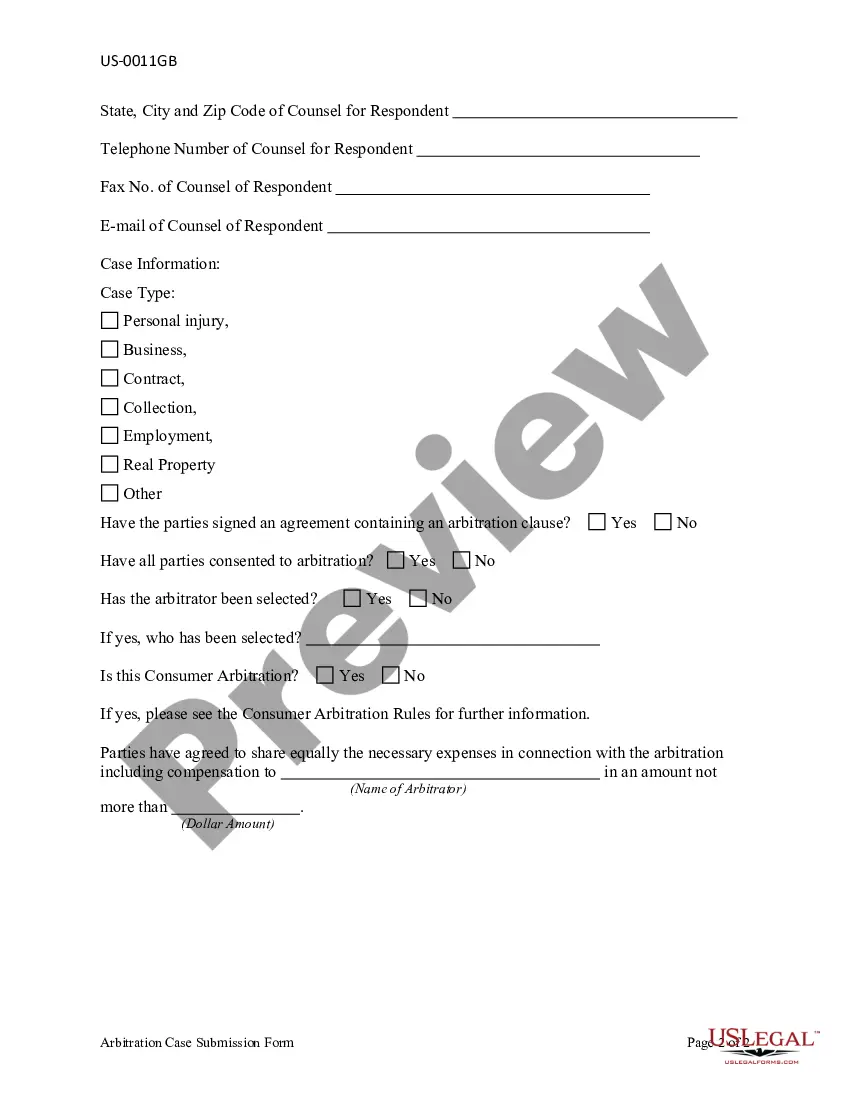
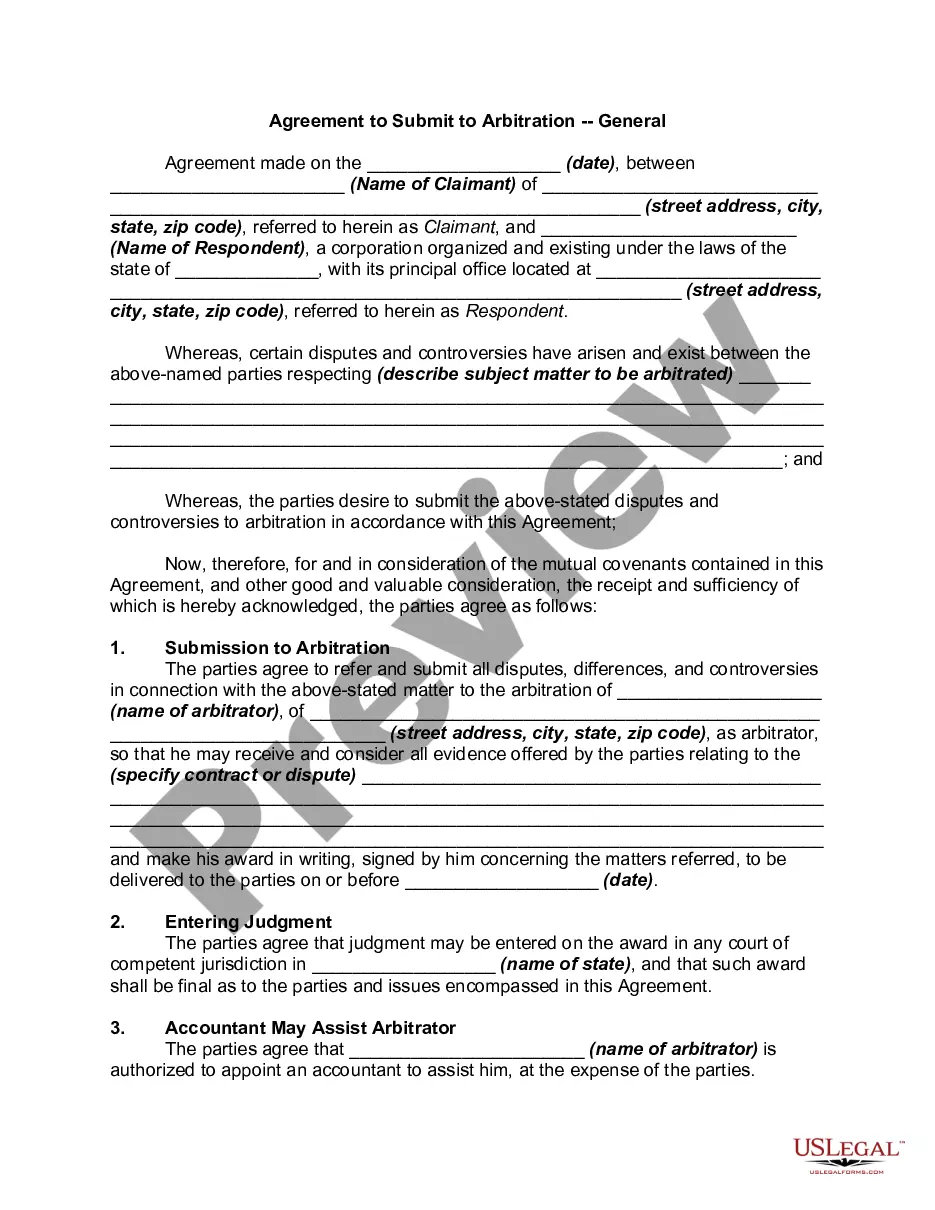
Description



Get your form ready online
Our built-in tools help you complete, sign, share, and store your documents in one place.
Make edits, fill in missing information, and update formatting in US Legal Forms—just like you would in MS Word.
Download a copy, print it, send it by email, or mail it via USPS—whatever works best for your next step.
Sign and collect signatures with our SignNow integration. Send to multiple recipients, set reminders, and more. Go Premium to unlock E-Sign.
If this form requires notarization, complete it online through a secure video call—no need to meet a notary in person or wait for an appointment.
We protect your documents and personal data by following strict security and privacy standards.

Make edits, fill in missing information, and update formatting in US Legal Forms—just like you would in MS Word.

Download a copy, print it, send it by email, or mail it via USPS—whatever works best for your next step.

Sign and collect signatures with our SignNow integration. Send to multiple recipients, set reminders, and more. Go Premium to unlock E-Sign.

If this form requires notarization, complete it online through a secure video call—no need to meet a notary in person or wait for an appointment.

We protect your documents and personal data by following strict security and privacy standards.
Looking for another form?









Form popularity
FAQ
A claimant will typically start arbitration by sending a document known as a “request for arbitration” or a “notice to arbitrate” to its opponent.
Parties will need to provide material evidence during the arbitration process. Some arbitrators may require that some types of evidence (such as invoices, pictures, and party correspondence) be presented in a specific format, such as in a binder and labeled in a certain order.
Your letter of arbitration should be concise, professional, and factual. Follow the standard business letter format, including your name and contact information at the top. Ensure that your writing is clear, and avoid using jargon or technical terms that may not be familiar to the reader.
If your case involves factors like privacy concerns, the need for a quicker resolution, or the desire to avoid a public jury trial, arbitration might be an ideal solution. However, if you're worried about the finality of the arbitrator's decision or the potential for bias, you might prefer the traditional court route.
The American Rule (parties generally bear their own costs and fees). The pure “costs follow the event” rule (the loser pays all costs and fees). The pro rata “costs follow the event” rule (the loser pays costs and fees in proportion with the outcome).
Often, rules and awards are also available via the arbitral bodies' website. Westlaw's International Arbitration Materials provides access to cases, awards, rules, conventions, legislation, model laws, and more for practicing U.S. lawyers.
Arbitration is similar to going to court, but faster, cheaper and less complex than litigation. If the case settles, an arbitration will last around one year. If the case goes to hearing, an arbitration typically takes 16 months.
The Request must: be written in English, French or Spanish (the official languages of the Centre) include the name and contact details of all parties (including e-mail, street address and telephone number) be signed and dated by the requesting party or its representative.
Under CCP § 583.310, an action must be brought to trial within five years after it is commenced against the defendant. An action “commences” on the date the original complaint is filed with the court against the defendant. If other defendants are later added, those actions will have a different date of commencement.